Africa Needs Grid-Scale Energy to Power the AI Data Centre Boom
Africa’s AI and cloud expansion is running into a hard constraint: data centres need massive, stable electricity, and many grids are not ready for that level of demand.

Artificial intelligence is expanding fast, and we can already see it in the way digital systems are being built and one of the clearest pressure points is electricity.
Data centres that support cloud computing and AI workloads are scaling far beyond traditional levels, and this is beginning to expose a structural challenge for regions where power systems are still developing.
Modern data centres are no longer small or medium-scale facilities. Many new builds now require between 100 and 200 megawatts, while hyperscale campuses are increasingly moving toward gigawatt-level demand.
This is a major shift from earlier digital infrastructure models and has direct implications for energy planning across Africa.
Global data centre electricity consumption stood at around 415 TWh in 2024 and is projected to more than double to 945 TWh by 2030, with AI identified as the primary driver of this growth.
Africa's data centre sector is growing, but still limited in scale

Across the continent, data centre capacity is still in its early stages of development.
Current operational capacity is estimated at roughly 0.4 GW, with projections suggesting growth to around 1.5–2.2 GW by 2030 requiring between $10 billion and $20 billion in new investment and unlocking an estimated revenue pool of $20–30 billion across the value chain.
At the same time, electricity demand from data centres is rising quickly, growing at an estimated 20–25% annually. In energy terms, consumption is expected to reach around 8,000 GWh in the near term, reflecting the rapid adoption of cloud services, digital platforms, and early-stage AI deployment.
While this growth signals opportunity, it also highlights a gap between digital expansion and energy readiness.
When electricity becomes the limiting factor
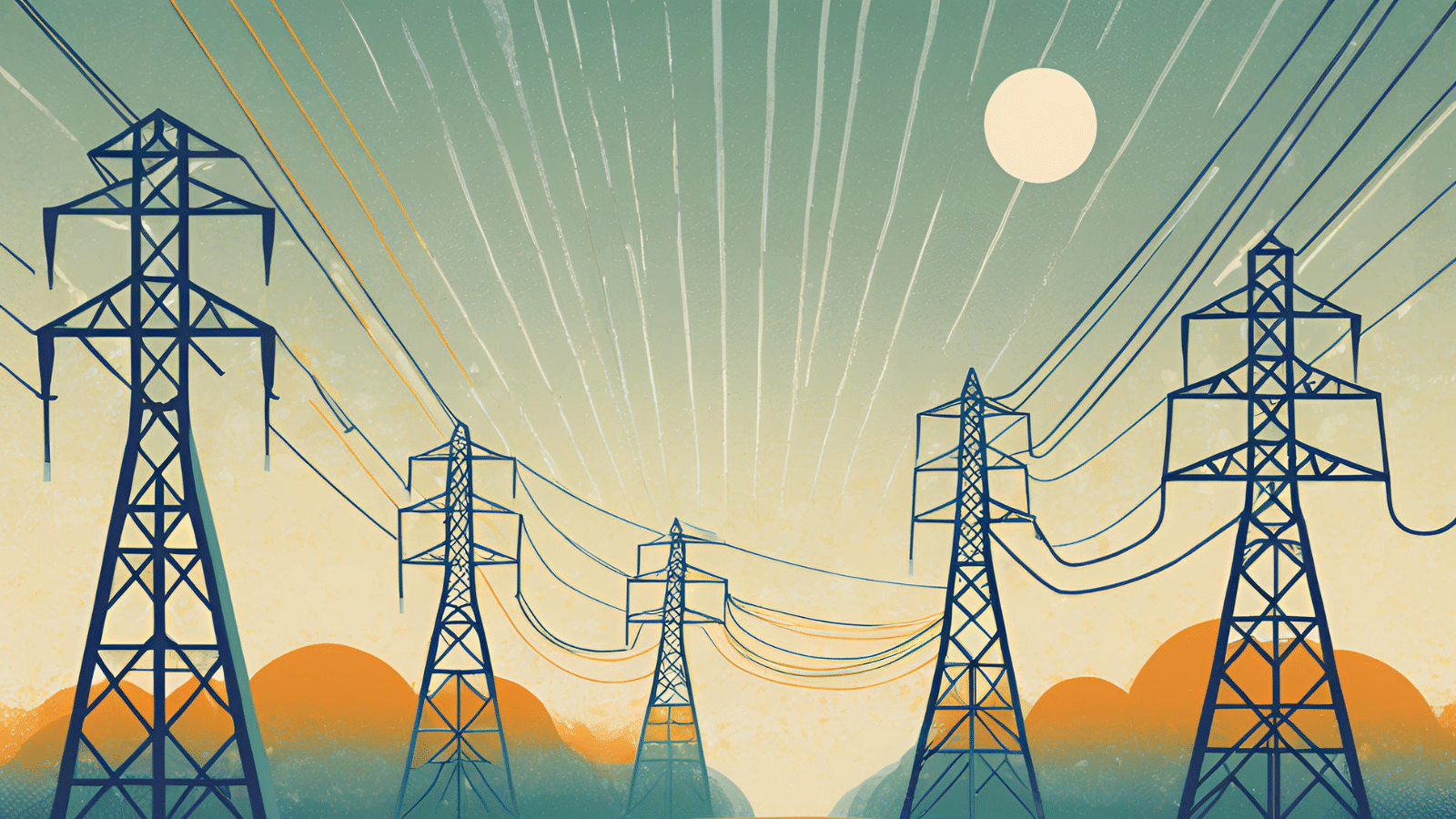
You cannot separate AI performance from power stability, if electricity is unstable, the entire system suffers.
So what does that mean in practical terms?
It means data centres don't just need electricity, they need reliable, uninterrupted, high-quality power at all times. Even short disruptions can cause system failures or performance drops.
In other words, power is no longer just infrastructure support. It is part of the service itself.
Why AI workloads are changing power demand patterns

Unlike traditional computing systems, AI workloads operate continuously, they require constant processing power, not intermittent usage cycles and this makes their energy consumption both higher and more stable in demand patterns.
Data centres supporting AI must therefore maintain uninterrupted operations with high levels of redundancy. This includes backup systems, stable grid connections, and consistent voltage quality.
In practical terms, this means electricity is no longer just a utility input. It is a performance requirement. Without stable power, AI systems cannot function at scale.
The structural challenge in Africa's energy systems
Most African power systems were designed around incremental expansion. Capacity is often added in small steps, responding to immediate shortages or localized demand.
This model creates a structural mismatch when applied to AI-driven infrastructure. Data centres do not scale gradually. They require large, upfront power commitments before operations begin.
The issue is not only total generation capacity, but also reliability, transmission strength, and system stability.
Why excess capacity is becoming strategically important
In many African electricity markets, surplus generation has traditionally been seen as inefficient. However, in the context of AI infrastructure, this assumption is beginning to change.
Maintaining excess or buffer capacity is increasingly important for grid stability, especially where large industrial loads can come online suddenly. It allows systems to absorb demand spikes and reduce the risk of outages.
More importantly, it creates flexibility for long-term industrial and digital expansion, particularly in regions targeting data centre investment.
What this means for Africa's next phase of growth
Africa has both opportunity and constraint. Demand for digital infrastructure is rising, driven by cloud services, enterprise digitization, and early AI adoption. At the same time, energy systems remain uneven across regions, with varying levels of reliability and capacity.
The key challenge is no longer whether Africa can participate in the AI-driven digital economy, but whether its energy systems can support the scale of infrastructure required to compete effectively.
The energy demands of AI-era data centres are impossible to ignore and regions that fail to plan for them risk being left behind.
This will require a shift in planning approach, from incremental capacity expansion to coordinated, grid-scale energy development that aligns directly with digital infrastructure growth.
Related Read: Nigeria Is Now Betting Big on AI Data Centres, But Can the Country Keep the Lights On?