South Carolina Strikes Back! State Embraces Bitcoin, Slams Door on CBDCs
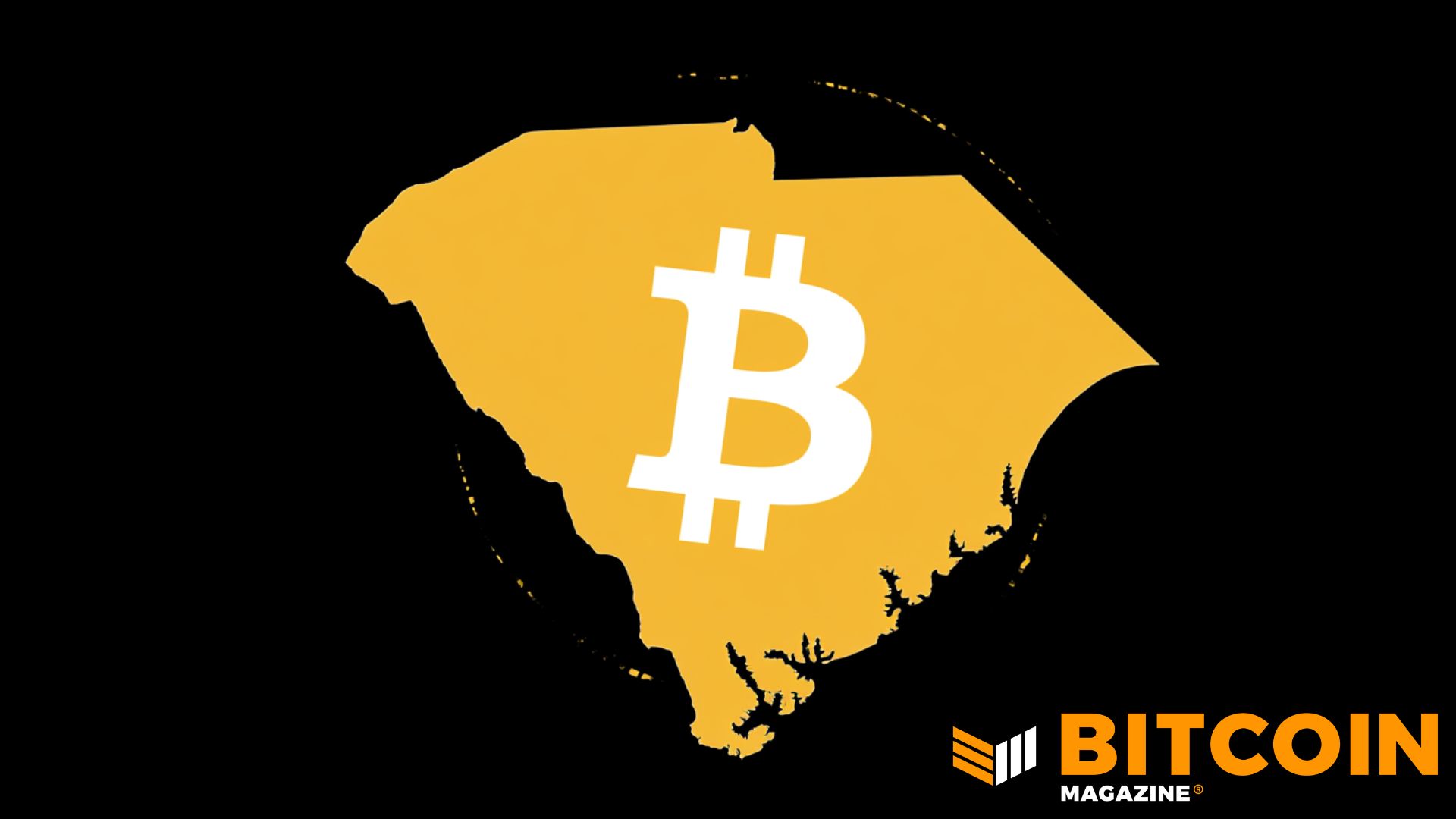
South Carolina has taken a significant step in establishing a robust regulatory framework for cryptocurrency with the enactment of Senate Bill 163. Signed into law by Governor Henry McMaster on May 19, this bipartisan legislation passed with overwhelming support, aiming to define key digital asset activities and provide comprehensive protections for users, businesses, and the underlying infrastructure of the crypto sector. It stands out as one of the most detailed state-level efforts to date, setting a clear path for digital asset adoption.
A core tenet of the new law is its affirmation of the right for both individuals and businesses to engage with digital assets, such as Bitcoin, in commercial transactions. Specifically, it states that no entity can be prohibited from accepting cryptocurrencies as a form of payment for goods and services. Furthermore, the legislation guarantees the fundamental right of self-custody, allowing users to hold their digital assets in self-hosted or hardware wallets. To foster a level playing field, the bill explicitly prevents state and local governments from levying additional taxes or fees on digital asset transactions when they are utilized as a payment method, thereby ensuring parity with traditional U.S. dollar transactions.
Another critical component of South Carolina's Senate Bill 163 addresses central bank digital currencies (CBDCs). The law strictly prohibits any state agency, department, or political subdivision from accepting or mandating payments in a CBDC. It also forbids participation in any testing programs associated with a Federal Reserve-issued digital currency. This provision reflects growing concerns among state policymakers regarding potential issues of privacy, financial surveillance, and perceived federal overreach often associated with CBDCs.
Recognizing the importance of the cryptocurrency mining industry, the legislation also incorporates specific protections for mining operations. Local governments are now restricted from imposing limits on mining businesses situated in industrial zones that differ from those applied to other industries within the same areas. Similarly, noise regulations must be aligned with general standards, rather than singling out and applying stricter rules specifically to mining operations. These measures aim to provide a more stable and equitable operating environment for crypto miners.
To further streamline the ecosystem, Senate Bill 163 exempts several key crypto-related activities from burdensome money transmitter licensing requirements. These exemptions include cryptocurrency mining, the operation of network nodes, the development of blockchain-based software, and engaging in crypto-to-crypto transactions. This approach encourages innovation and reduces regulatory friction for essential components of the digital asset landscape.
South Carolina's proactive stance positions it among an increasing number of states that are actively pursuing legislation to support digital asset adoption, especially in the absence of a clear and unified federal regulatory framework. Kentucky, for instance, passed a similar measure in 2025, which also protected self-custody rights and limited local restrictions on mining. Missouri's proposed House Bill 2080 aims to establish a state-managed Bitcoin reserve fund, allowing the state treasurer to acquire, hold, and oversee Bitcoin under stringent guidelines. The passage of S. 163 by South Carolina underscores a broader trend at the state level to attract investment in emerging financial technologies while addressing the unique challenges and opportunities they present.
You may also like...
Africa Needs Grid-Scale Energy to Power the AI Data Centre Boom

Africa’s AI and cloud expansion is running into a hard constraint: data centres need massive, stable electricity, and ma...
US Plans 1,500 Wireless Base Stations In Nigeria and West Africa to Push Out Chinese Telecom Giants

The US Trade and Development Agency has funded a feasibility study for 1,500 American-made base stations across Nigeria,...
M-KOPA Just Unlocked $82 Million in Credit for Ghanaians And That Is Not Even the Most Important Part

M-KOPA has unlocked $82 million in credit for 550,000 Ghanaians, but the real story is how a smartphone financing compan...
South Carolina Strikes Back! State Embraces Bitcoin, Slams Door on CBDCs
South Carolina has enacted Senate Bill 163, a comprehensive new law establishing a supportive framework for cryptocurren...
Bombshell! Trump Demands Fed Rethink Crypto's Path to Mainstream Finance
President Donald Trump has signed an executive order directing the Federal Reserve and other financial regulators to rem...
Shock Withdrawal: Fubara Abandons Rivers APC Governorship Race

Siminalayi Fubara has withdrawn from the All Progressives Congress governorship primary in Rivers State, citing a desire...
Political Earthquake: SDP Faction Expels Key Figure, Revamps NWC

The Social Democratic Party (SDP) has undergone a major leadership restructuring, with the Shehu Gabam-led National Exec...
Royal Shockwave: UK Radio Station Apologizes for Falsely Reporting King Charles's Death

Former British pirate radio station Radio Caroline has apologized after a computer error led to the accidental announcem...