M-KOPA Just Unlocked $82 Million in Credit for Ghanaians And That Is Not Even the Most Important Part
M-KOPA has unlocked $82 million in credit for 550,000 Ghanaians, but the real story is how a smartphone financing company became a gateway to health insurance, digital finance, and formal economic inclusion for people the market forgot.
There is a version of this story that gets told as a technology announcement. M-KOPA has unlocked GHS 1.2 billion, roughly $82 million, in credit for over 550,000 customers in Ghana since entering the market in 2021.
These are definitely impressive numbers, which was followed by a good press release and everyone moved on.
But the more honest version of this story is about something that rarely makes headlines: what actually happens when a low-income earner in Kumasi or Tamale gets access to a smartphone, health insurance, and digital credit for the first time, bundled together, paid in daily instalments small enough to fit inside an existing budget. That version is worth reading more carefully.
A Phone That Is Not Really About the Phone
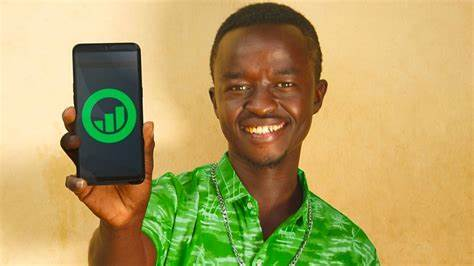
When M-KOPA launched its "More than a Phone" platform in Ghana in January 2025, it made a decision that sounded simple but carried significant implications. Instead of financing devices and stopping there, the company began bundling smartphones with health insurance, affordable data plans, and device protection, all folded into a single daily payment structure.
The response was immediate, sales reportedly jumped fourfold. The company expanded across all 16 regions of Ghana through a network of more than 3,000 agents, growing from 30 agents operating around Accra when it quietly entered in 2021 to a nationwide operation that reached 100,000 customers by 2023 before accelerating dramatically after the platform launch.
The numbers from its latest Impact Report, published May 20, 2026, tell the story of what the platform is actually delivering. Sixty-seven percent of insured M-KOPA customers accessed health insurance for the very first time through the company's partnership with Turaco.
Forty-three percent of women said they specifically chose an M-KOPA smartphone because it came bundled with health cover. Forty-four percent of customers accessed a formal financial product or service for the first time through M-KOPA. Thirty-six percent said the financed device was the first phone they had ever owned.
These are not adoption statistics, they are first-contact statistics from the report and the difference matters enormously.
The Barrier M-KOPA Is Actually Breaking
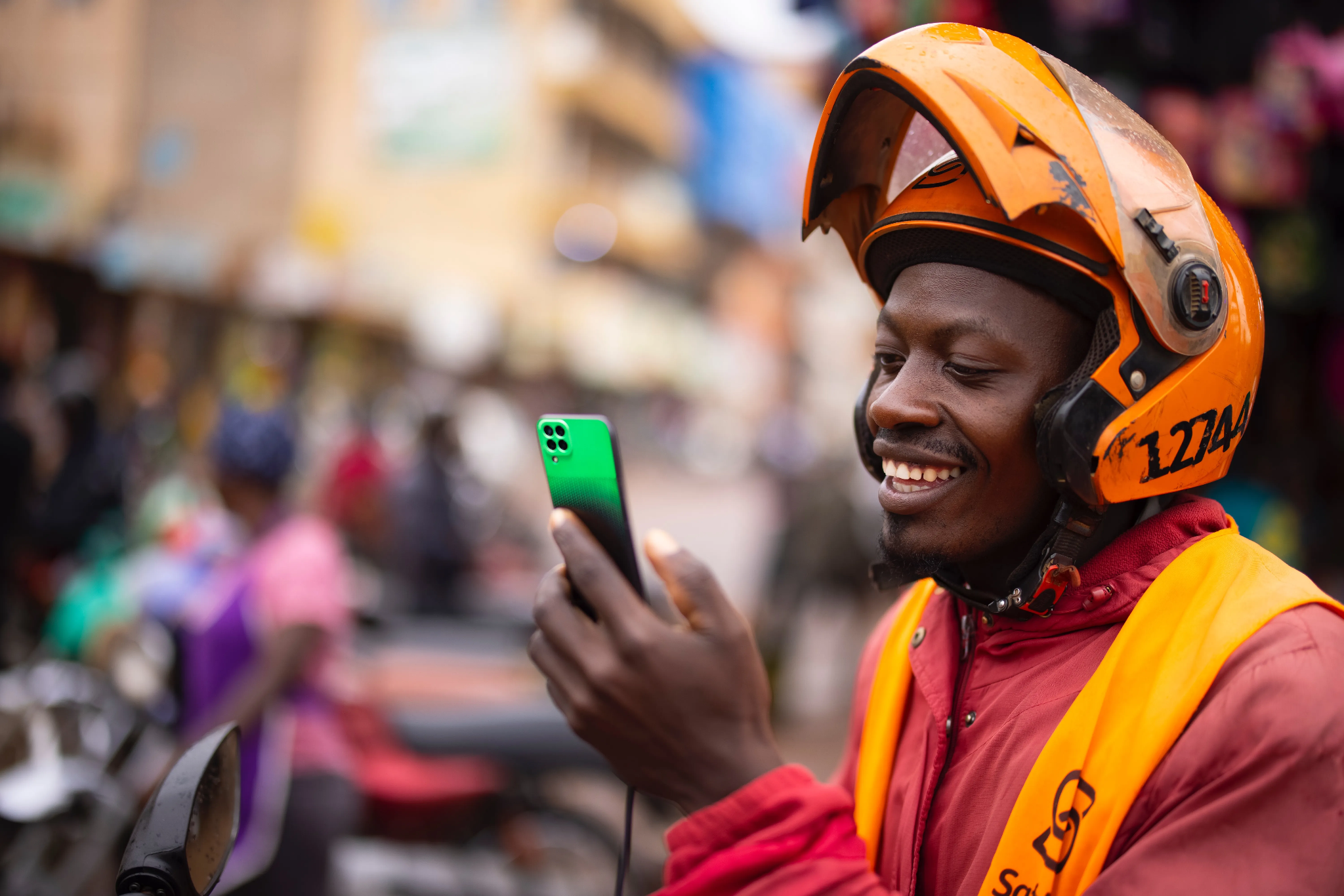
According to GSMA estimates, an entry-level smartphone can cost up to 95 percent of a low-income earner's monthly wages in sub-Saharan Africa, not a high-end device. An entry-level one.
That single data point explains why digital banking, e-commerce, online education, and mobile health services have remained structurally inaccessible to millions of Africans despite the infrastructure technically existing to serve them.
The device itself is the barrier, and nobody has found a sustainable way to lower it at scale without turning it into charity.
M-KOPA's buy-now-pay-daily model is not charity. It is a business that has reached profitability. In 2024, the company reported annual revenue of $416 million and crossed into profit for the first time.
Across Africa, it has now disbursed more than $2 billion in credit since 2011 and was onboarding a new customer somewhere on the continent every nine seconds by 2025. Growth outside Kenya, its home market, is now outpacing growth within it.
In Ghana specifically, the economic footprint is becoming substantial. M-KOPA contributed roughly GHS 46 million in taxes in 2024 and spent over GHS 382 million on local procurement.
More than half of its customers now use their phones to generate income. Fifty-four percent report earning more money after the purchase. Seventy-six percent say their overall quality of life has improved.
What M-KOPA Actually Is
M-KOPA started by selling solar systems. Then it pivoted to smartphones. It has now become something neither of those categories fully describes, a full financial services platform using hardware as the entry point and micropayments as the mechanism to pull low-income Africans into the formal economy one daily instalment at a time.
The phone is the door. What M-KOPA is really selling is what is on the other side of it, insurance, credit history, digital financial identity, and access to services that the market had decided this demographic could not afford.
The market, as it turns out, was wrong and M-KOPA has the receipts.