Why Lagos Feels Like Two Cities Living on Top of Each Other
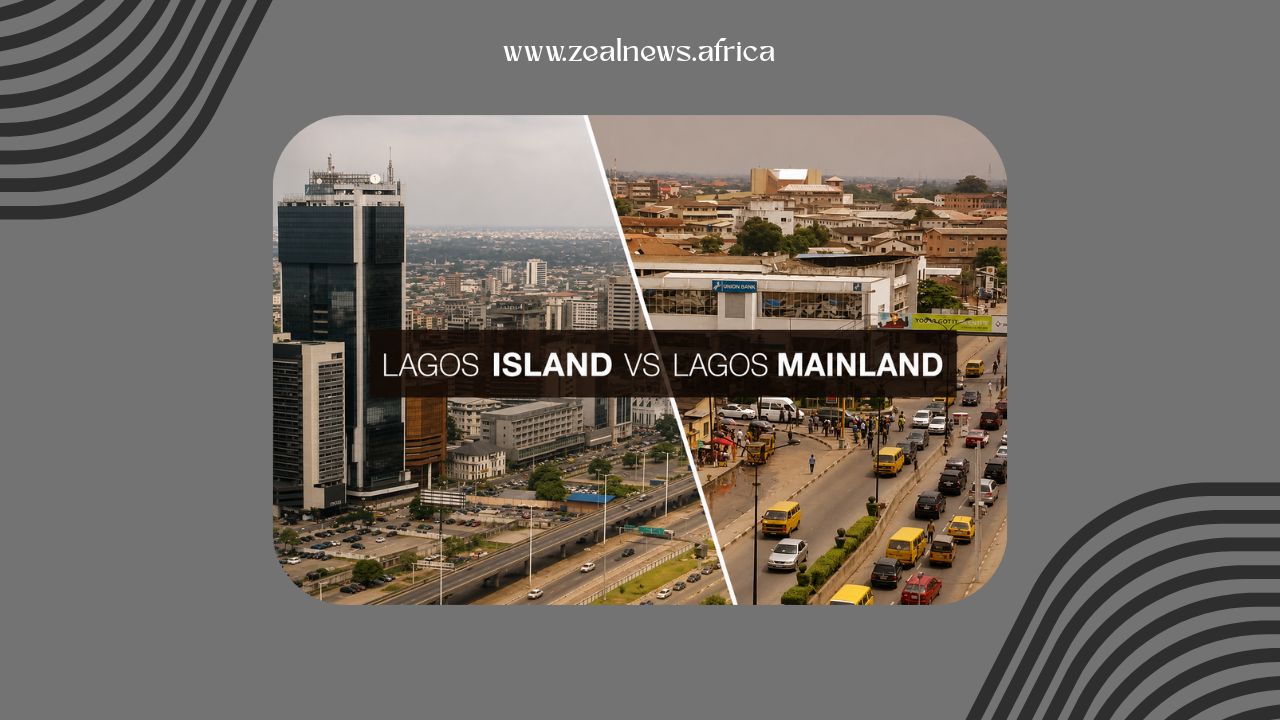
Lagos Island and Mainland are not just locations, they are social identities. A commentary on how geography became a class marker in Nigeria's largest city, and what it costs Lagos to see itself that way.
The bridge linking the Island and the Mainland is not just a public infrastructure. It is a social statement that is lived by the average Lagosian.
Ask someone or the typical Eko Gen z, especially those who claim to be living the best lives, where in Lagos they live, and watch what happens in the half-second before they answer.
There is something there, a small calculation, a quiet awareness of what the answer will communicate, not just a location but a positioning.
Because in Lagos, where you live is rarely just about geography. It is a proxy for how you are seen, what circles you move in, and sometimes, what you are assumed to be worth.
The Island and the Mainland are not simply two parts of the same city. In the social imagination of Lagos, they have become two different statements of life.
The Identity That Grew on Both Sides of the Bridge
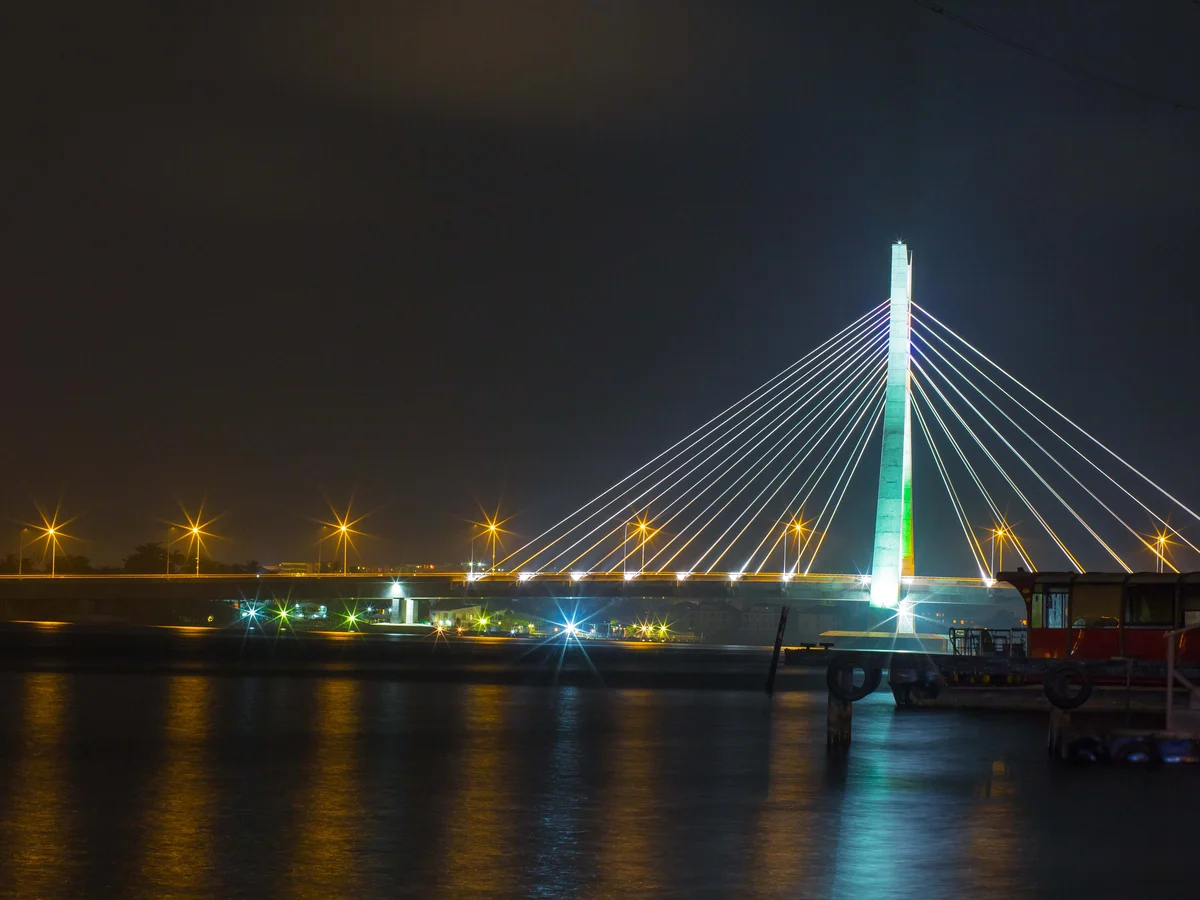
Image credit: The Guardian
The Island — Victoria Island, Ikoyi, Lekki, Ajah — carries a particular reputation. Planned roads, newer infrastructure, proximity to corporate head offices, multinational companies, and a hospitality and nightlife industry designed for a certain income bracket.
The aesthetics of the Island are aspirational by design. The malls are shinier and the roads are, comparatively, more manageable.
The social life that plays out there has been carefully packaged and marketed, and enough people have bought into the packaging that living on the Island has become a social credential in itself.
The Mainland — Surulere, Yaba, Mushin, Agege, Ikeja, Maryland, Ikorodu, Shomolu, the famous Oshodi and everything in between — is where the majority of Lagos actually lives, works, and moves.
It is older, denser, less curated, and considerably less concerned with the Island's self-image. It also carries its own internal hierarchies that people on the Island rarely account for when they flatten the Mainland into a single category.
Ikeja, the capital of Lagos State, hosts the seat of government, major banks, airlines, and some of the city's oldest and most established residential estates.
Social Insight
Navigate the Rhythms of African Communities
Bold Conversations. Real Impact. True Narratives.
Surulere has a cultural and creative density that parts of the Island are still trying to manufacture.
Yaba is the acknowledged centre of Nigeria's tech ecosystem. The Mainland is not one thing, but Island discourse has a habit of treating it as if it is.
The divide sharpens on social media, where a specific type of Lagos content has built an audience around Island life as the default setting for Lagos sophistication.
Restaurants, events, lifestyle posts, the geography tends to cluster around a specific axis. Over time, this has produced a social feedback loop: Island visibility reinforces Island aspiration, which reinforces the sense that everything happening on the Mainland is happening slightly off-centre.
Classism With a Postcode


AI Generated Image
What the Island-Mainland conversation is really about, when you strip the geography away, is class. And like most class conversations in Nigeria, it is conducted almost entirely through implication.
Nobody says outright that living on the Mainland or any of the less developed parts makes you lesser.
It is communicated through smaller signals, the way certain events are described as “Island only,” the mild surprise when someone living in Shomolu turns up to a Lekki dinner party, the unspoken assumption that ambition in Lagos eventually moves in one direction: toward the water.
The rent figures make the implication concrete. A two-bedroom flat in Lekki Phase 1 might cost between ₦4 million and ₦8 million annually.
The same flat in Surulere or Gbagada runs between ₦800,000 and ₦2 million. The Island does not just look different, it costs differently too, which means access to it is structurally limited.
When a city allows its desirable geography to be priced out of reach for the majority of its residents and then builds a social identity around that geography, the result is not just a housing market.
It is a class system with a postcode that has been given an actual number.
There is also the internal Mainland hierarchy that tends to get lost in this conversation. Mushin and Ikorodu are spoken of differently from Ikeja and Surulere.
Social Insight
Navigate the Rhythms of African Communities
Bold Conversations. Real Impact. True Narratives.
Agege or Ojota carries a different set of social associations than Yaba. Even within the Mainland, which is itself cast as the less prestigious half, there are streets, estates, and neighbourhoods that residents distinguish carefully from their neighbours.
The social sorting that Lagos does between Island and Mainland is the same sorting it does within the Mainland itself, just scaled down.
The instinct to locate status in geography does not just stop at the bridge, it wears a new sense of judgement.
What It Actually Costs Lagos to See Itself This Way
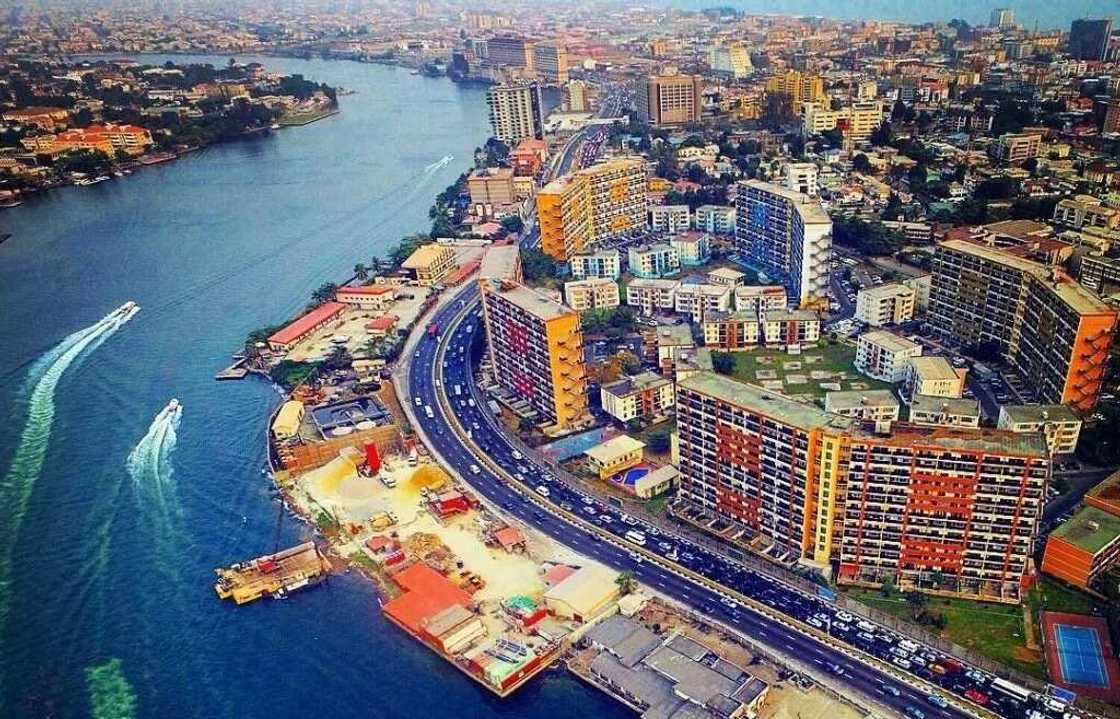
Image credit: Legit News
The practical consequence of the Island-Mainland identity split is that Lagos under-invests, socially, culturally, and in terms of attention, in the parts of itself where most of it actually lives.
When the city's cultural conversation centres around a geography that houses a fraction of its population, the creativity, energy, and community happening everywhere else gets treated as background noise rather than the main event.
The irony is that the Mainland has repeatedly produced what the Island consumes. Afrobeats did not come from Lekki.
Nollywood's foundational energy was not incubated in Ikoyi. The market culture, the street food, the language, the slang, the comedic sensibility that Lagos exports to the rest of Nigeria, it originates largely on the Mainland and migrates toward the Island, where it gets packaged and presented back as Lagos lifestyle.
The Mainland creates and the Island brands, and somehow, the branding gets mistaken for the origin.
Lagos is one city, but it has allowed itself to be experienced as two, one of which is permanently auditioning for the other's approval.
That is not a geographic problem. It is a social one, and it costs the city more than the traffic on Third Mainland Bridge.