The 4 Types of Parenting Styles: What Style Is Actually Right for You?
A detailed guide to the four parenting styles, authoritative, permissive, authoritarian and neglectful and how each approach shapes children’s behavior, independence and emotional development.

A parent’s job is to prepare their children to be adults who are capable of taking care of themselves and overcoming difficulties.
It’s not an easy job, being responsible for the lives of young ones, trust me.
Parents have to set appropriate limits, watch their children fail and let them feel the consequences of their actions.
Sometimes parents even endure the harsh screams of “I hate you!” or other painful words.
It’s ok for your kids to be angry and not like some of your actions because of the limit you set.
It's fine because you're doing everything in their best interests and if they don't understand now, they'd understand later.
You’re the best person in the world for them not to like and be mad at because you’re the one person who’s not going to desert them and you'll always care for them.
You’re still going to love them, even when they’re mad at you and not like other people who might withdraw from their space when they feel attacked for their good and pure intentions.
But for many parents, the reason they don’t set limits is because they want to make their kids not become boxed or feel controlled.
Many parents are lenient in some cases because quote and unquote they are trying to be the best parents and not replicate some experience they had with their own parents, more like discarding the typical African parenting style that was overly strict.
Parenting is about guiding children as they grow, while still allowing them the freedom to make mistakes, take on responsibilities appropriate for their age, and learn how to think for themselves.
It is not simply about control, it is all about preparation. The goal is to raise individuals who can navigate the world without constantly relying on someone else to solve their problems.
For example, a parent might allow their child to decide when to do homework or how to organise their time.

But that freedom also comes with consequences. If the work is not done, the result may show in school. Learning through experience is often more powerful than constant intervention.
And sometimes the best thing a parent can do is allow the child to feel the discomfort of a mistake because that is often where the real lesson lies.
Children who never experience this learning process may reach adulthood unprepared. They may struggle with everyday responsibilities such as managing money, doing basic household tasks, or handling relationships.
When young people are shielded from every challenge, they may grow up unsure of their own capabilities and will be weighed down by every slightest inconvenience or even think they can get away with their actions.
Understanding the Four Parenting Styles
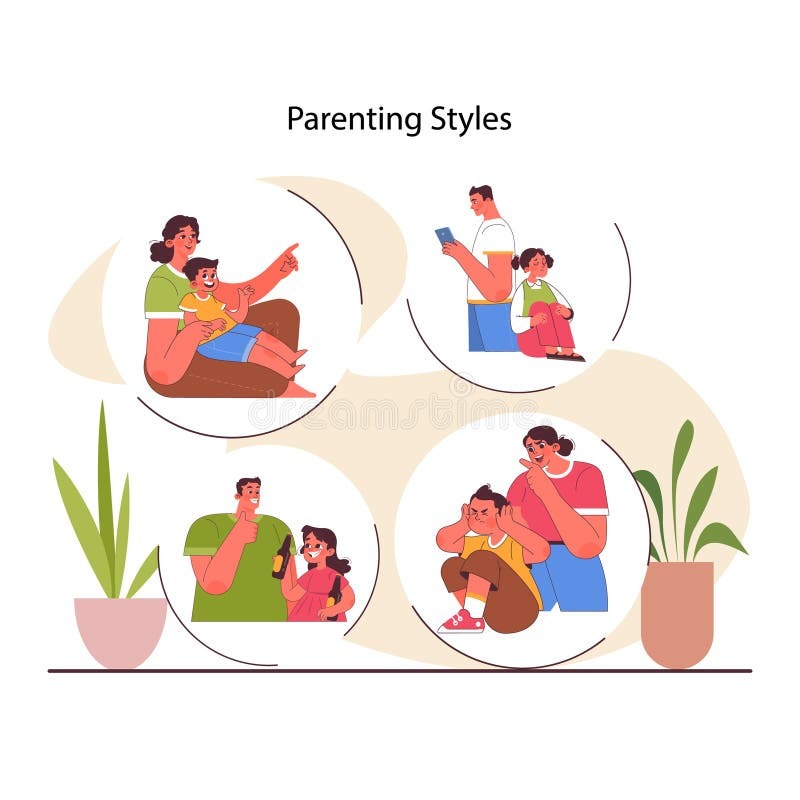
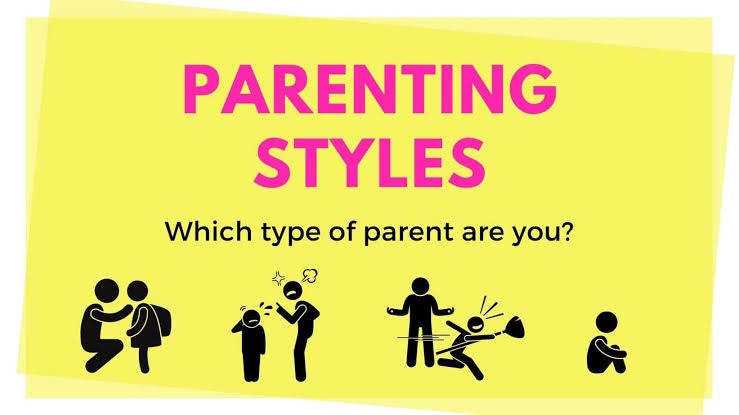
Experts generally describe parenting in four broad styles: authoritative, permissive, authoritarian and neglectful.
Most parents don’t strictly follow only one style, instead, they move between different approaches depending on the situation.
For instance, when a child’s safety is at risk, a parent may adopt a firm and non-negotiable stance.
At other times, especially when encouraging independence, a more flexible approach may work better.
It's always important as parents to remember that perfection is unrealistic. Parenting decisions often depend on a parent’s energy, emotional capacity, and the situation they are facing at the moment.
The key is understanding the strengths and weaknesses of each style.
Authoritative Parenting Style
Authoritative parenting is widely considered the most balanced and effective style because it blends warmth, communication and clear boundaries.
In this approach, parents set rules and expectations but also explain why those rules exist.
Children raised by authoritative parents understand what is expected of them.
Their parents listen to their opinions and feelings, yet still maintain the role of final decision maker.
This combination of guidance and support tends to build strong relationships between parents and children.
Young people raised in this environment often develop confidence, emotional intelligence and responsibility.
They learn how to regulate their behavior while still feeling secure and supported.
A simple example can appear during family meals. Authoritative parents might involve their children in preparing food or choosing what the family eats on certain days.
This encourages independence while still maintaining structure and healthy habits.
Research often shows that children raised in this environment develop better decision-making skills, healthier lifestyles and stronger social relationships.
Permissive Parenting Style
Permissive parents are often loving, nurturing and emotionally responsive.
They prioritize their child’s feelings and frequently maintain open communication.
However, they tend to set fewer rules and expectations.
In many cases, permissive parents prefer to act more like friends than authority figures.
Children may be allowed to decide what they eat, when they go to bed, or whether they complete certain responsibilities.
While this freedom can encourage creativity and self-expression, it sometimes comes with challenges.
Children raised in overly permissive environments may struggle with self-discipline, impulse control and respecting boundaries.
For example, a permissive parent might allow a child to eat whatever they prefer for dinner or request special meals each night.
While this flexibility may feel supportive in the moment, it can also lead to picky eating habits or difficulty adapting in social environments where flexibility is required.

Authoritarian Parenting Style
Authoritarian parenting focuses on strict rules, high expectations and strong discipline.
In this style, parents expect obedience and often enforce rules without offering detailed explanations.
Children raised under authoritarian parenting usually learn to follow instructions and respect authority.
However, they may also develop a strong fear of punishment, because they are rarely encouraged to make independent decisions, they may struggle with confidence or problem-solving later in life.
For instance, at the dinner table, an authoritarian parent might insist that every child eats exactly what is served and finishes every bite without discussion.
The focus is on compliance rather than conversation about nutrition, culture or personal preference.
While structure can be beneficial, excessive rigidity can sometimes lead children to become rebellious, socially withdrawn or uncertain about how to make choices on their own.

Neglectful Parenting Style
While most parents do not want to find themselves in this situation, we cannot deny the fact that it happens across many homes.
Neglectful parenting occurs when parents provide for their child’s basic needs but remain emotionally distant or uninvolved in their daily lives.
This situation does not always come from intentional neglect. Sometimes it results from overwhelming life circumstances such as financial struggles, mental health challenges or demanding work schedules.
Children raised in neglectful environments often become independent earlier than their peers because they are forced to rely on themselves.
However, this independence can come with emotional consequences.
They may struggle with self-esteem, emotional regulation or maintaining healthy relationships later in life.
Without consistent guidance, they may also seek validation or influence from unhealthy sources.
An example could be inconsistent meal routines. If parents rarely plan meals or keep groceries stocked, children may develop anxiety around food or unhealthy eating patterns.
Despite these challenges, many children raised in these circumstances develop resilience as they learn to adapt and take responsibility for themselves.
Finding the Right Parenting Balance

No parenting style guarantees perfect outcomes. Every child is unique, and every family environment is different.
The goal of parenting is not perfection but preparation.
Children will face disappointments, failures and setbacks regardless of how carefully they are raised.
What matters most is whether they develop the resilience and confidence to recover from those experiences.
Parents who allow their children to make mistakes in a safe environment often help them develop stronger coping skills.
For example, if a child chooses to play video games instead of studying and then performs poorly on a test, that experience may teach time management more effectively than constant supervision.
Many parents measure their success based on their children’s achievements, but parenting is not about controlling outcomes.
It is about providing guidance, values and tools that children can carry into adulthood.
In summary, the most effective parenting approach is one that combines clear expectations, open communication and consistent love.
Children benefit most when they know they are supported, even when they fail, and that the boundaries set for them are designed to help them grow.
One thing remains constant through parenting is that the styles you eventually do, should be based on your child's personality, so that they are able to navigate in the outside world on their own.