The Pope is calling for AI that centres humanity. But what happens when humanity is the thing keeping costs down?
Pope Leo XIV’s encyclical Magnifica Humanitas calls for AI built around human dignity. But from content moderators earning under $2 an hour in Kenya to supply chain labour conditions in the DRC, the foundations of the AI industry tell a different story, one that big tech has little financial incentive to change
Somewhere in Nairobi, a worker is reading a description of disturbing online content. It is her job to read it, label it, and move on to the next one. And for this, she earns less than $2 an hour.
She does this so that when you type a question into ChatGPT, used by over 900 million people weekly, the model does not return something that would make you close the tab and never return. She is the reason AI feels safe, and it is also the reason the industry can afford to feel good about itself.
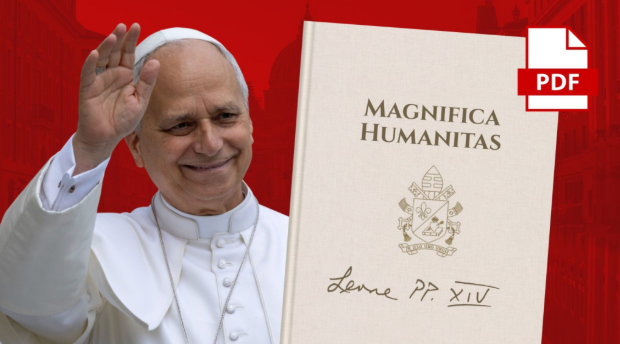
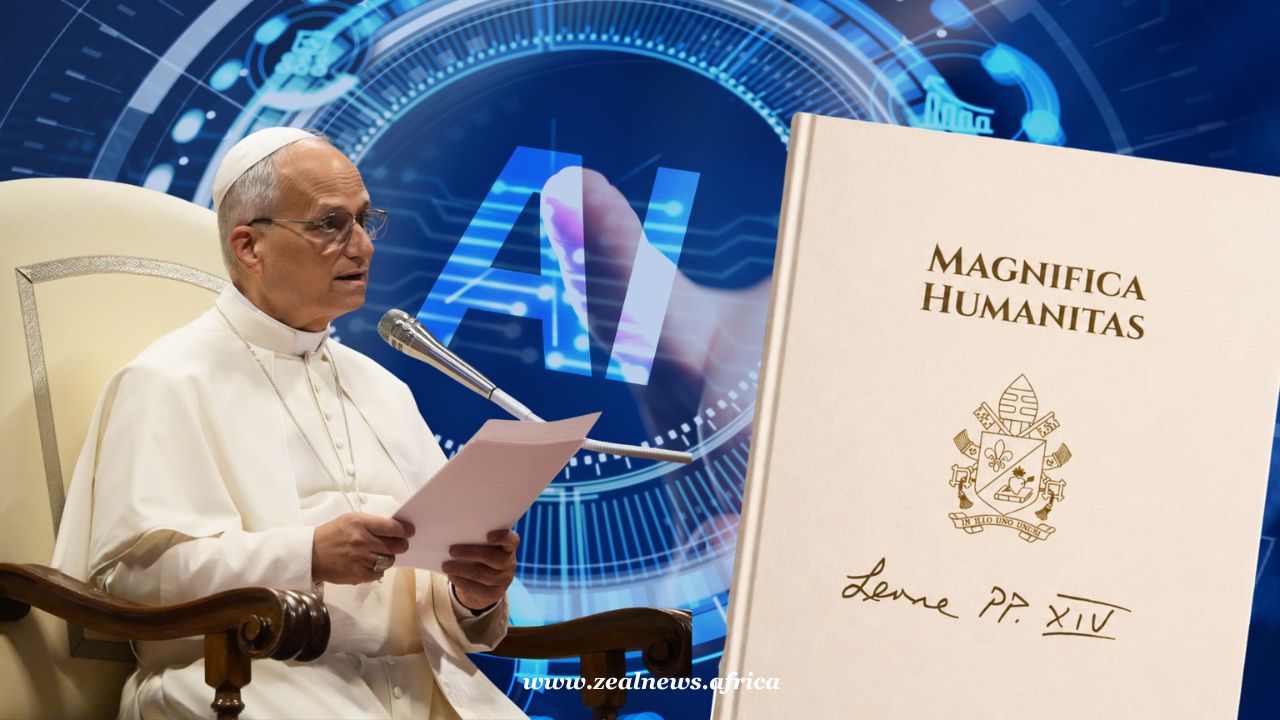
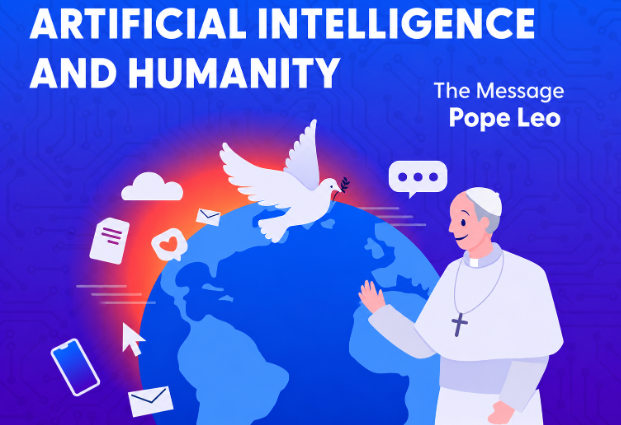
This is the thing no one puts in the press releases. This is also the thing Pope Leo XIV was, implicitly and explicitly, talking about when he released Magnifica Humanitas, his first encyclical, published May 25, 2026, subtitled On Safeguarding the Human Person in the Time of Artificial Intelligence.
It is about two hundred pages with one underlying argument: the way AI is being built right now is a moral failure dressed up as progress.
What the Pope Is Actually Saying
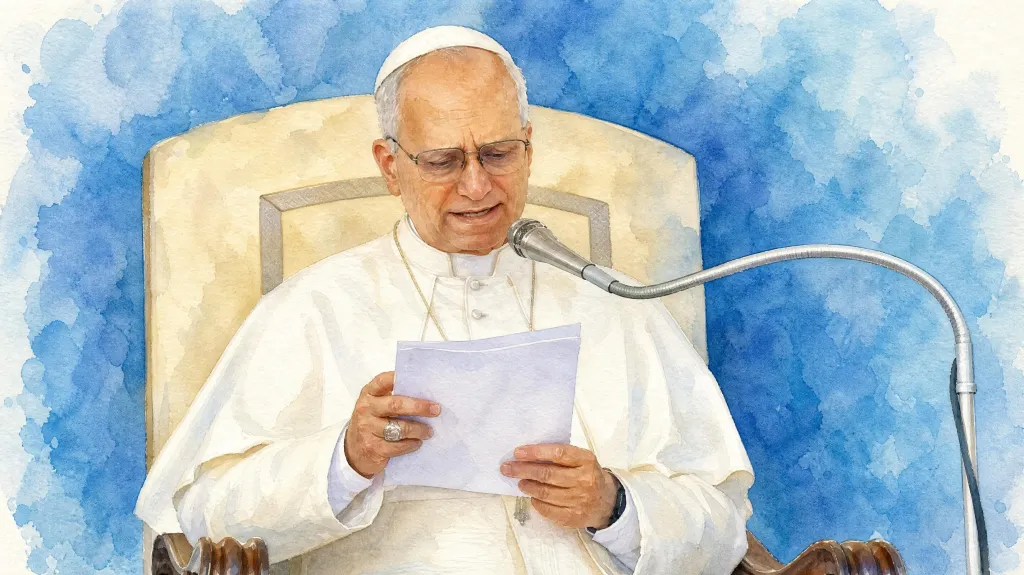
The encyclical is not a rejection of technology. The Pope is careful about that, his position is that technology is never neutral; it takes on the characteristics of whoever designs it, finances it, and benefits from it. When those people prioritise profit above everything else, that profit logic becomes embedded in the technology itself.
Leo XIV writes that AI must be freed from what he calls an "armed" logic of competition driven by geopolitical and commercial dominance. The argument for his reason is direct: "To disarm does not mean rejecting technology, but preventing it from dominating humanity."
He also argues that if a system is designed or used in a way that treats some lives as less worthy, it has already contradicted the dignity of the human person, not as a side effect, but by design.
He chose the date deliberately. Magnifica Humanitas was signed on May 15, the 135th anniversary of Rerum Novarum, his namesake Leo XIII's encyclical on the rights of workers during the Industrial Revolution.
The parallel is not accidental, Leo XIV is saying: we have been here before. A new industrial order rose on the backs of people who could not say no, and the Church had something to say about it then. It has something to say about it now.
The Part of the Story Nobody Is Telling
OpenAI reported annualised revenue of $20 billion in 2025. Meta and Microsoft made $200.97 billion and $281.7 billion, respectively, in the same year. These are staggering figures. They are also, in part, made possible by workers in Kenya, Uganda, Ghana, Nigeria, and India who moderate some of the most psychologically distressing online content imaginable, extreme violence, torture, suicide-related content, and bestiality, for wages that would not cover rent in the cities where their employers are headquartered.
Outsourcing firms like Sama and Scale AI are the intermediaries. By the time the data those workers clean reaches Google or Microsoft, the connection is deliberately blurred. The exploitation is real. The paper trail is not.
Then there is the ground beneath the servers. The Democratic Republic of Congo produces over 70% of the world's cobalt and 15% of its coltan, two minerals critical to the chips that power AI data centres.
Artisanal miners there work without protective gear for roughly $1 a day in conditions that cause skin disease, respiratory damage, and reproductive health problems. Their labour funds a conflict that has killed and displaced millions. It also funds the infrastructure that lets you use Gemini to summarise your emails.
Data centres add another layer. Every query sent to an AI chatbot travels to a server that requires enormous quantities of water to cool. A Bloomberg investigation found that 66% of new data centres built in the United States since 2022 are located in areas already facing high water stress. The people who live near those centres did not vote on whether they wanted to share their water supply with a language model.
The Convenient Distance Between Profit and Accountability
OpenAI was founded in 2015 on an explicit non-profit mission: AI in the service of humanity. Ten years later, following a $122 billion funding round that valued the company at $852 billion, it completed its pivot to a for-profit structure. The mission did not disappear, it just became secondary to the valuation.
The counterargument from Silicon Valley is always the same: this is the cost of building something transformative, and the transformation will eventually benefit everyone. It is a convincing argument until you measure the timelines.
The workers in Nairobi are paying the cost now. The benefit that was supposed to reach them, whenever it arrives, will arrive later, if it arrives at all.
There is a working alternative model. Taiwan Semiconductor Manufacturing Company, the world's most valuable chipmaker, has required its mineral suppliers to disclose information on conflict-free sourcing since 2011.
It has maintained that standard for over a decade without any visible threat to its commercial position. The AI industry's argument that ethical sourcing is a business impossibility does not survive contact with the TSMC example.
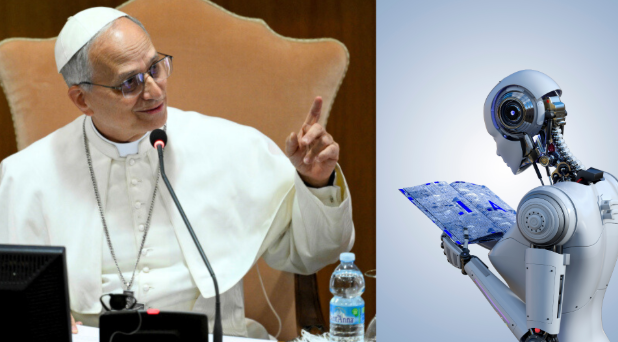

The Pope cannot force Google to pay its content moderators a living wage. He cannot compel Amazon to audit its cobalt supply chain. What he can do, and what Magnifica Humanitas does, is name the contradiction clearly: you cannot build technology that claims to serve humanity while treating the most vulnerable humans in your supply chain as acceptable collateral damage. That is not a technological constraint. It is a choice, and choices can be changed.
The question is not whether big tech heard the Pope. The question is whether enough people who use the tools will eventually make the cost of ignoring him too high to bear.