Nigeria Wants Doctors to Govern Radiographers. Is That The Right Way To Go?
Nigeria's Medical and Dental Practitioners Bill 2026 seeks to transfer regulatory authority over radiographers to the MDCN. The Association of Radiographers of Nigeria is pushing back and global standards are firmly on their side.
There is a bill that is currently passing through legislative processes, moving through Nigeria's National Assembly that, if passed, would hand the Medical and Dental Council of Nigeria (MDCN) regulatory authority over radiographers, a profession that has managed its own affairs for more than half a century.
The Association of Radiographers of Nigeria (ARN) is calling it an existential assault and they are not wrong for it, everybody would fight for its existence.
The Medical and Dental Practitioners Act (Repeal and Re-enactment) Bill 2026 is the kind of legislation that sounds administrative on the surface but carries seismic implications underneath.
Strip away all the legal language and what you have is a straightforward turf grab, one profession is reaching into the house of another and its allegedly repositioning itself as landlord of all.
What the MDCN Is and What It Is Not
The Medical and Dental Council of Nigeria is a legitimate and important regulatory body, with a mandate to regulate the practice of medicine and dentistry in Nigeria.
The council is saddled with the responsibility of training doctors by ensuring that various institutions in the country are accredited and worthy of learning.
It licenses doctors, regulates the action of doctors and protects their welfare. That is the beginning and end of its jurisdiction and rightly so.
Radiography is not medicine, it is a distinct allied health profession that requires its own specialised education, technical knowledge, and ethical framework.
It involves ionising radiation, imaging physics, patient safety protocols, and diagnostic equipment that most medical doctors are never formally trained to operate.
Asking the MDCN to regulate radiographers is like asking the Nigerian Bar Association to oversee architects because both professions involve buildings and courtrooms.
The Radiographers Registration Board of Nigeria (RRBN) already exists for the purpose of regulating radiographers including their welfare in the country and has for over 50 years.
It is a functioning, profession-led regulatory body with institutional memory, technical competence, and a track record.
The argument for scrapping or superseding it in favour of MDCN oversight is not just weak, it can be said to be indefensible.
The World Might Have Already Settled This Debate
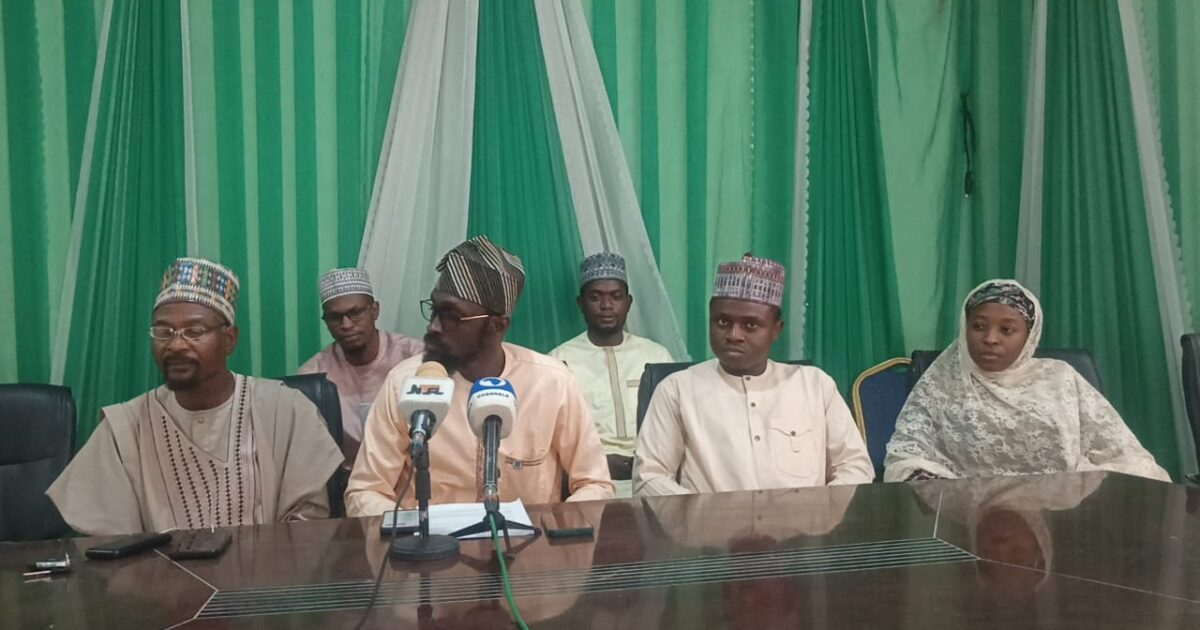
Across the globe, the consensus on matters like this is firm: allied health professions regulate themselves.
In the United Kingdom, radiographers are governed by the Health and Care Professions Council (HCPC), an independent body that covers over 15 distinct health professions, none of which are subject to medical council oversight.
Doctors in the UK have the General Medical Council and Radiographers have the HCPC, the lines are intentional and so for efficiency.
In Canada and South Africa, radiography regulatory bodies operate independently, setting their own competency standards for CT, MRI, and projection radiography.
Australia's framework, while acknowledging regional variation, similarly maintains profession-specific governance structures.
The United States mandates single-modality credentialing administered through radiography-specific certifying boards, not the American Medical Association.

Not one of these countries places radiographers under the authority of a body designed to regulate physicians. The reason is simple and pretty straightforward because technical competence cannot be judged by those who do not possess it.
A board of medical doctors is structurally unequipped to assess whether a radiographer's imaging protocol meets ionising radiation safety standards. This is not a fight against doctors, it is just a fact.
The 70% Fee Clause Tells the Real Story
Perhaps the most revealing detail in this legislative controversy is the provision requiring that 70% of radiographers' practising fees be remitted to the Nigerian Medical Association.
The ARN, according to the DailyPost website has described this as "financial colonisation," and that framing is difficult to argue against.
If this bill were truly about improving healthcare regulation or professionalising standards, the conversation would centre on patient safety, competency benchmarks, or inter-professional collaboration.
And with the events unfolding, it does not. Instead, it actually seems to be plans of re-routing money from one profession to another while stripping the first of its regulatory autonomy.
That is not reform, that is extraction dressed in the language of governance.
Allied Health Professions Are Not Subordinates

Nigeria has a broader problem hiding inside this specific controversy: the persistent treatment of allied health professionals as secondary actors in a healthcare system that cannot function without them.
Physiotherapists, medical laboratory scientists, radiographers, these are not support staff for doctors. They are independent practitioners with distinct scopes, distinct training, and distinct professional obligations.
The push to bring them under MDCN authority is not new, and radiographers are not fighting this battle alone.
The Joint Health Sector Unions and multiple allied health bodies have consistently resisted similar proposals. The pattern is clear and so is the required response.
Nigeria's National Assembly must find a balance to this underlying issue and possibly stop the bill from being passed.
This is not because radiographers are asking them to, but because every global standard, every principle of professional governance, and every basic logic of technical regulation demands it.
A profession cannot be judged, licensed, or disciplined by those who were never trained to practice it.
The MDCN regulates doctors. The RRBN regulates radiographers. That is not a problem to be solved, it is a system that works and we all must ensure its continuity.