Economic Growth Without Prosperity, Africa's Development Paradox
Africa's GDP is growing faster than the global average, but 464 million people remain in extreme poverty, jobs are scarce, and the cost of living keeps climbing. This is the story of what economic growth looks like when it doesn't reach the people it's supposed to serve.
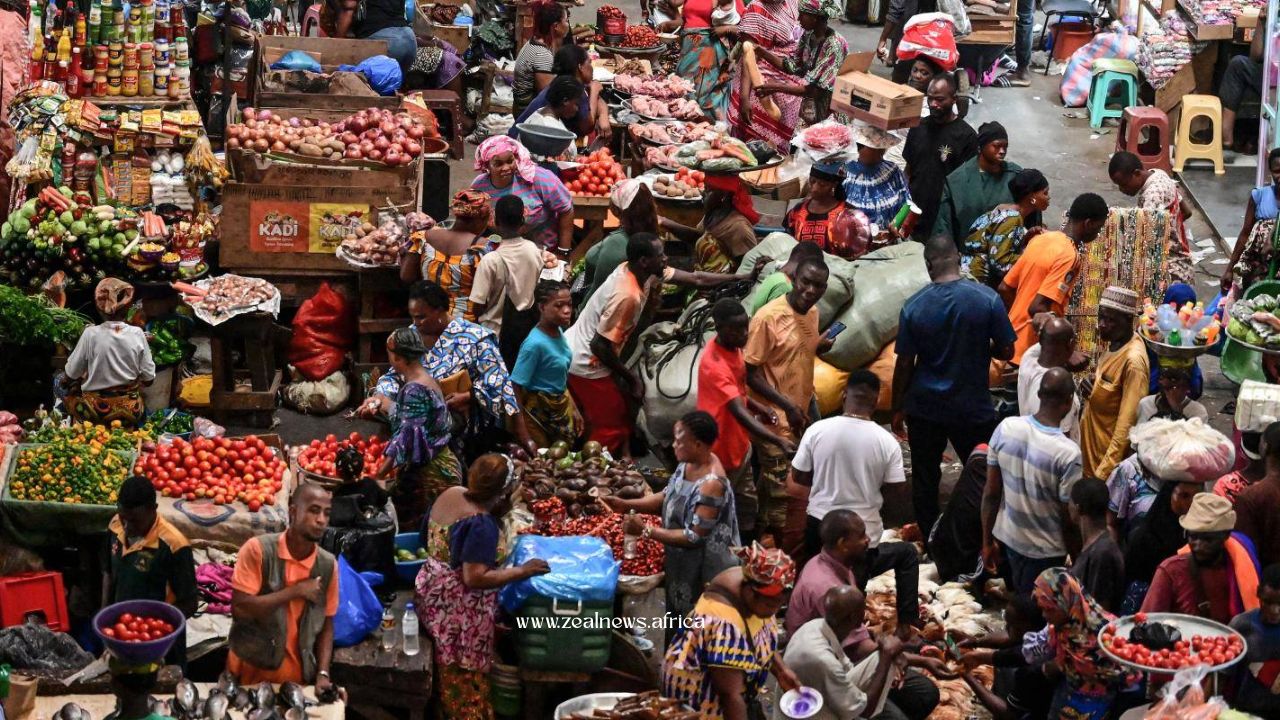
There is a version of this story that always sounds like good news on the headline of any nation regarding its finances.
When an economy grows, it's a win-win for everyone, both the government and its citizens. Revenues rise, foreign investment expands and becomes stable.
The grips of inflation usually soften, and debt burdens ease. The supermarket becomes a little more affordable, school fees a little less suffocating, and somewhere, in the texture of daily life, ordinary people begin to feel it.
That theory above is what is usually expected, or the scenario that always plays out. That is how it has worked or always worked.
Africa, in 2026, is growing. The African Development Bank has confirmed it before now: Africa's real GDP surged to 4.2 per cent in 2025, up from 3.1 per cent in 2024, comfortably eclipsing the 3.1 per cent world average, with growth exceeding 5 per cent in 22 African countries, and topping 7 per cent in six.
These are not small numbers. By any global comparison, Africa is not a struggling region; on paper, it is one of the fastest-growing regions on earth.
The Numbers That Don't Add Up
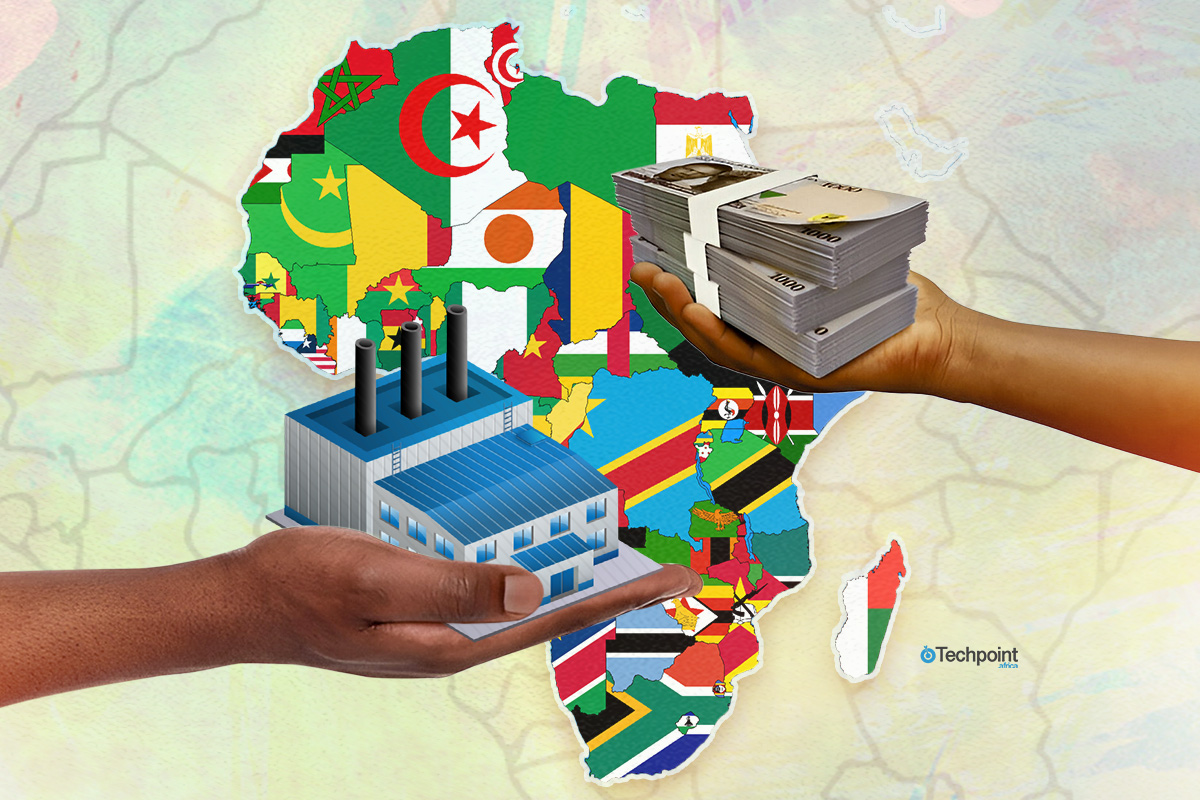
Here is where the story gets complicated. About 464 million people in Sub-Saharan Africa were still living in extreme poverty in 2024. An estimated 120 million Africans currently face acute food insecurity, 80 percent of whom live in conflict-affected countries.
The expected per capita growth from 2025 to 2027 is 1.8 per cent. Read that again. Per capita income, the number that tells you what the average person actually feels, is growing at less than half that pace.
The distance between those two figures is not a rounding error. It is the gap between a country that is growing and a people who are not.
In 1990, Sub-Saharan Africa accounted for 14 percent of the world's poor. In 2024, that number increased to 67 per cent of those living in extreme poverty.
In three decades, decades that include genuine GDP growth across multiple African nations, the continent's share of global poverty more than quadrupled. The world got richer. Africa got a larger share of the world's poor.
High public debt and rising debt service have continued to crowd out development spending, while declining external financing adds pressure on low-income countries. The World Bank's latest Africa Economic Update states that Africa's growth challenge is structural, reflected in low investment, weak productivity, and limited job creation.
High food prices, rising costs of living, and limited access to services mean that families often do not feel richer even when the economy expands.
In Angola, people took to the streets in 2025 after fuel subsidies were cut. In Cameroon, protests followed elections. The frustration is not abstract; it is visceral, daily, and loud.
Who Is the Economy Actually Growing For?
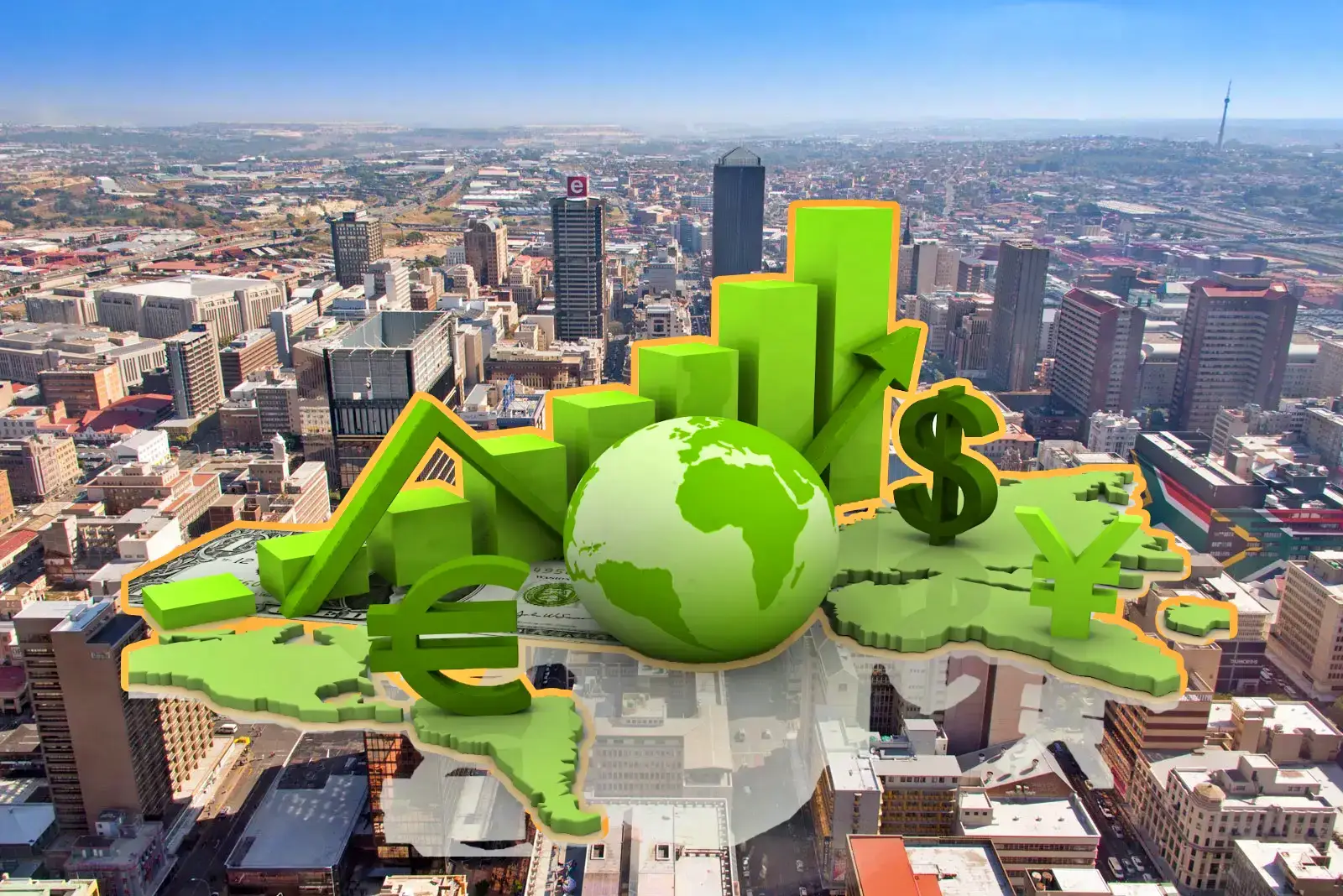
Economic growth, in its current African form, tends to concentrate. It pools in extractive industries, copper in DRC, oil in Angola and Nigeria, cobalt in Congo, that generate enormous headline revenues but employ relatively few people and require relatively little of the local economy to function.
The commodity is extracted, exported, and priced abroad. The profit is often repatriated. The GDP number moves, but the market woman in Kinshasa or Aba does not.
The paradox has a name in development economics: growth without structural transformation. It is what happens when an economy expands at the top without building the base, when roads, schools, hospitals, and jobs in manufacturing and services do not grow alongside the GDP.
Africa has the world's fastest-growing labour force, with up to 12 million youth entering the labour market each year, yet only about 3 million new formal wage jobs are currently created annually. Nine million young people are growing into economies that cannot absorb them.
Is there a way out? There is, and it has been written, debated, and proposed so many times that the proposals themselves have become part of the furniture.

It ranges from a long list of matters to be addressed. Governance reforms that route revenue into services rather than debt servicing.
The uncomfortable truth is this: a growing economy is not the same as a prosperous one. Prosperity is the part where the farmer's child can afford school without a fundraiser, where the hospital has medicine in it, where the electricity stays on long enough to run a business.
That part requires decisions, deliberate, sometimes unpopular, that GDP growth alone will never force anyone to make.
Africa is growing. The question worth asking, every time a new projection drops, is not how fast. It is: for whom.