You Don’t Have to Look Fat to Be Obese: A Nigerian’s Guide to Understanding Their Weight
You don't have to look fat to be obese. Learn how to calculate your BMI, measure belly fat and identify hidden obesity risks in Nigeria.
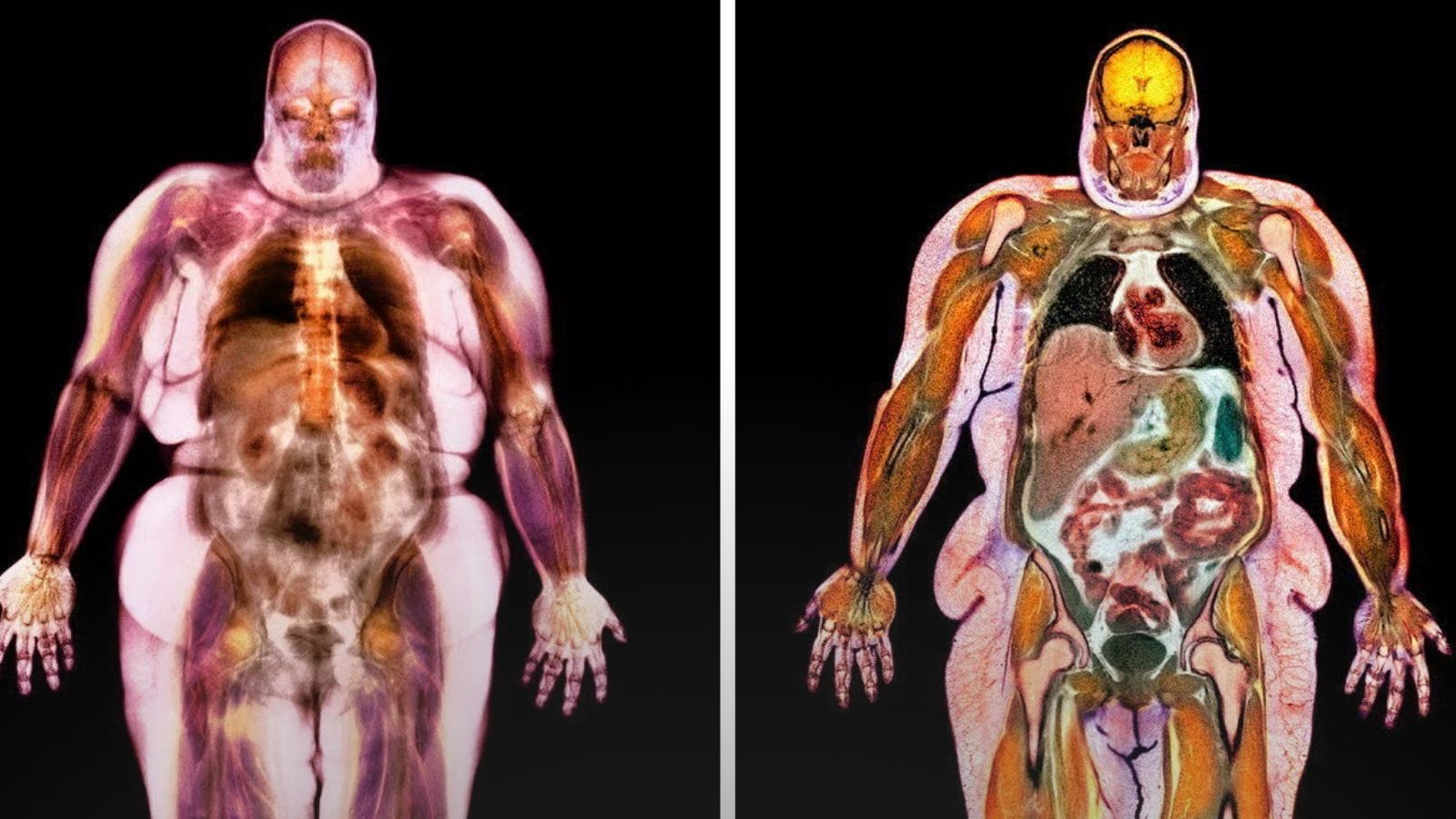
Two people can weigh the same and carry very different health risks. One could store weight on the hips and thighs. The other could store it around the belly and organs, and this is where it does the most damage.
Neither may look “fat” by Nigerian standards, which is exactly why obesity goes unnoticed for years.
Today is World COPD Day, a reminder that early testing catches problems before symptoms show. The same goes for weight.
With the WHO’s new Global Call to Action on Obesity out of the Madrid summit, now is a good time to check where you stand.
What Is Obesity and Why Does It Matter in Nigeria?
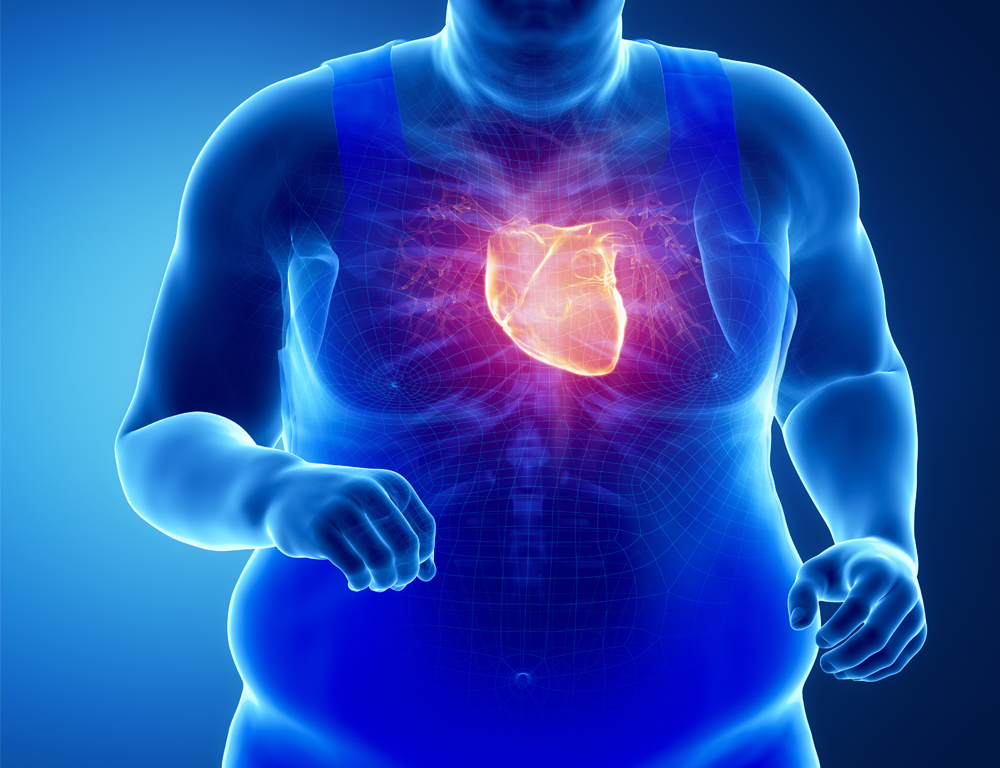
Obesity is not about appearance. It is a medical condition where excess body fat raises your risk of health problems. These include high blood pressure, type 2 diabetes, fatty liver disease, joint pain, sleep apnoea and some cancers.
In Nigeria, obesity rates are rising, especially in fast-paced cities. Sedentary jobs, long commutes, fast food, sugary drinks and heavy reliance on refined carbohydrates all play a part.
Cultural ideas also hide the problem. “You have gained weight” is often a compliment.
How to Know Your Healthy Weight Using BMI
The easiest starting point isyour body mass index (BMI). This is where you divide your weight in kilograms by your height in metres, squared.
For example, a person who weighs 70kg and is 1.65m tall has a BMI of 70 divided by 2.72, which is about 25.7.
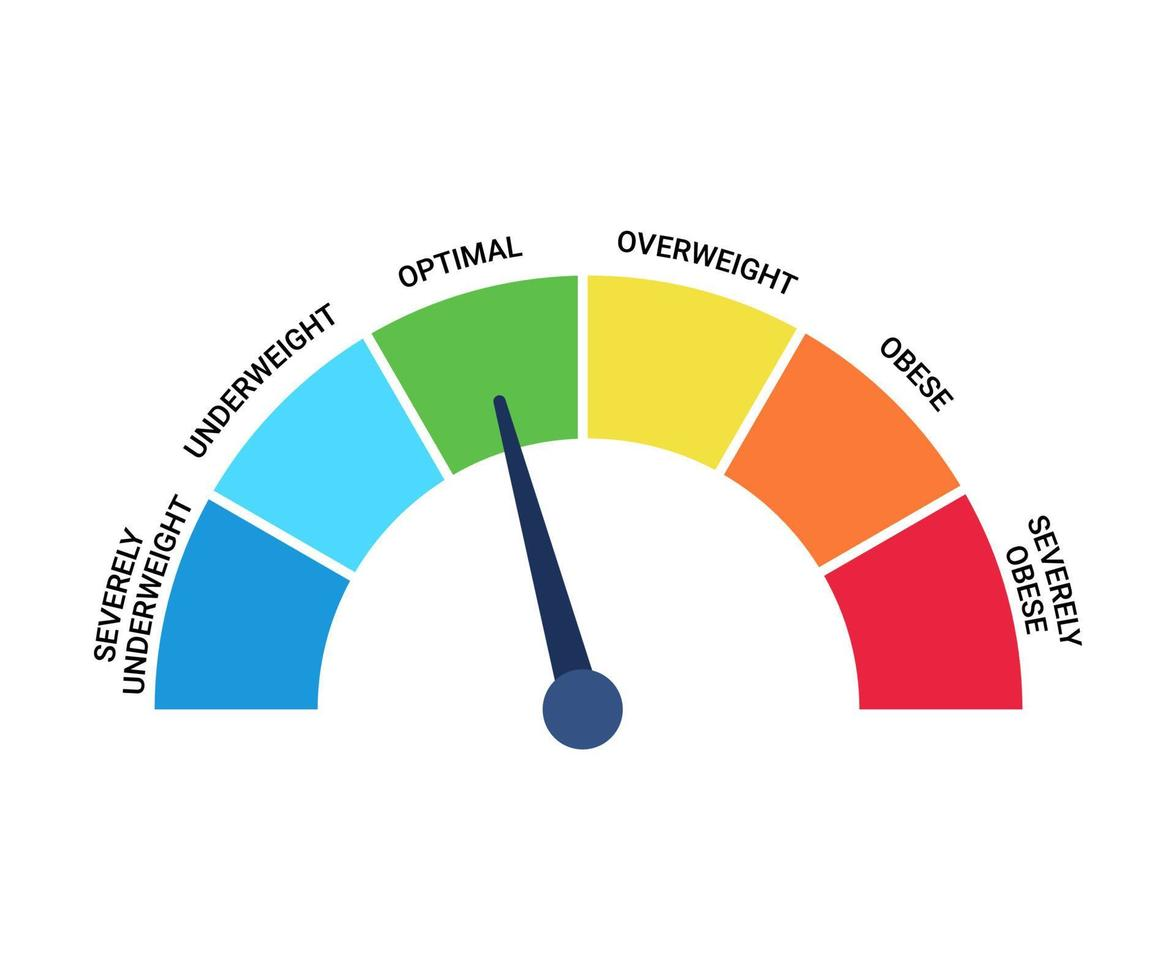
A BMI below 18.5 means you are underweight. A BMI from 18.5 to 24.9 falls within the healthy range. A BMI from 25 to 29.9 means you are overweight, and a BMI of 30 and above means you are obese.
Your healthy weight range is the weight that keeps your BMI between 18.5 and 24.9 for your height. Any online BMI calculator will work it out in seconds.
How to Know If You Are Underweight or Overweight

Being underweight is not automatically “good.” A BMI below 18.5 can point to poor nutrition, a weak immune system, fertility problems, bone loss or an underlying illness. Constant tiredness, frequent infections and missed periods are common warning signs.
Being overweight means a BMI of 25 to 29.9. It is not yet obesity, but it is the stage where change is easiest. Clothes getting tighter around the waist, getting breathless on stairs and snoring more than before are early signals.
Why BMI Alone Is Not Enough
BMI has limits. It cannot tell muscle from fat, and it cannot show where fat sits on your body. This matters because belly fat, also called visceral fat, is more harmful than fat stored on the hips or thighs.
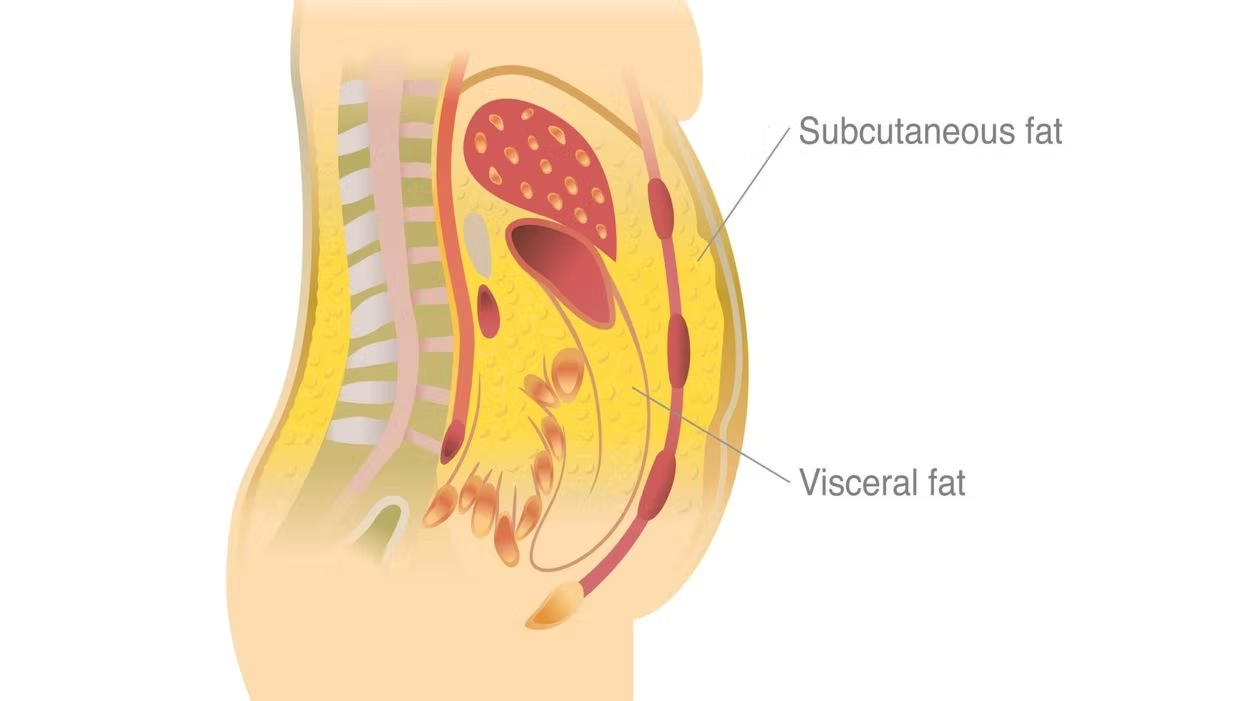
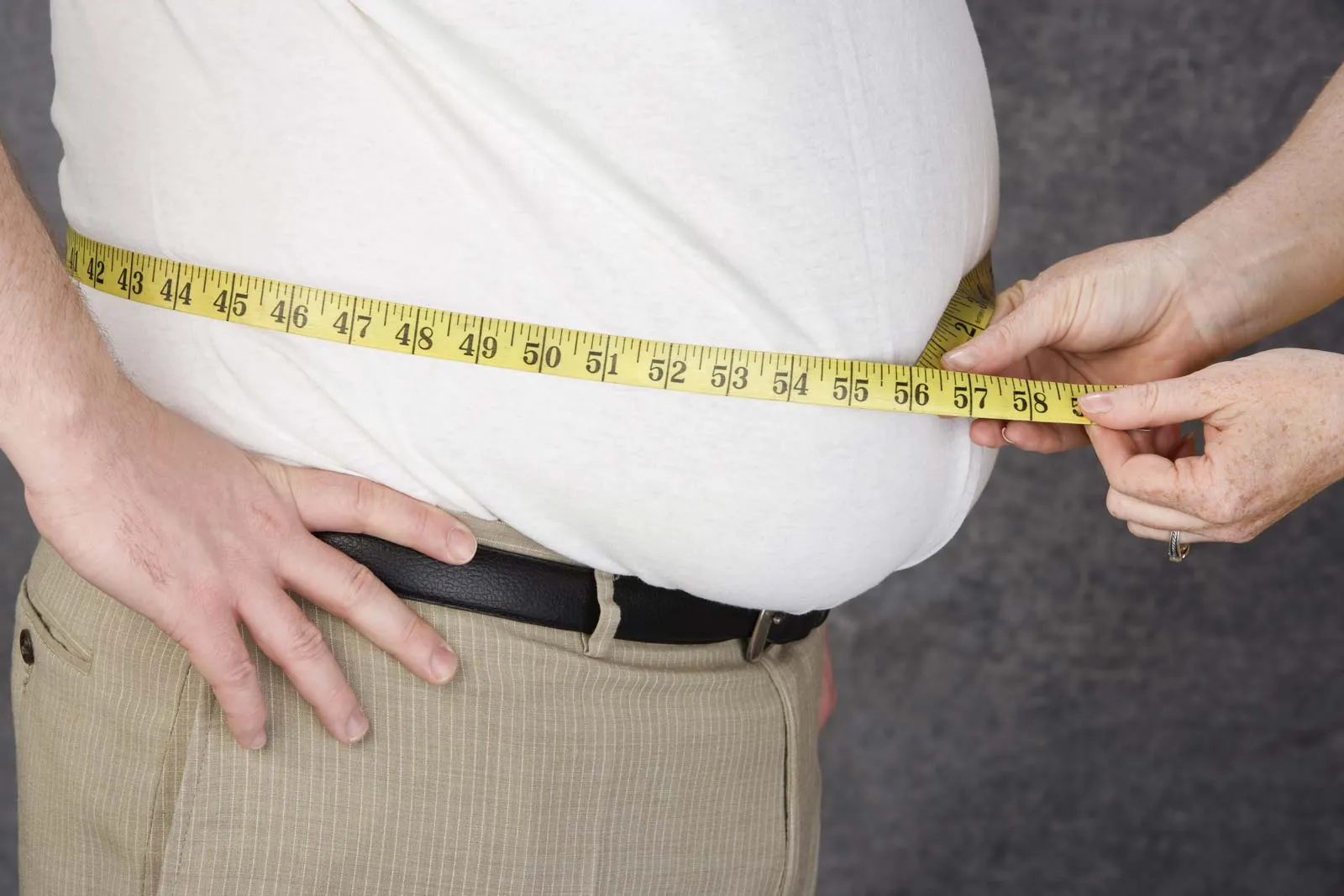
That is why waist measurement is a better check. Measure around your waist at the level of your belly button, after breathing out normally.
For people of African descent, a waist of 94cm or more in men and 80cm or more in women signals increased health risk, even when BMI looks fine.
Another simple test is your waist-to-height ratio. Keep your waist at less than half your height. If you are 170cm tall, your waist should be under 85cm.
Can You Be Obese Without Looking Fat?
Doctors sometimes call this normal weight obesity, or being “skinny fat.” You may have a normal BMI and slim arms and legs, but a high percentage of body fat and a growing belly.
This is common in people who rarely exercise, skip meals but eat heavily at night, or rely on garri, white bread, rice and sugary drinks. You can also have a high BMI because of muscle, which is why a gym regular and a sedentary person can land on the same number.
Your body fat percentage gives a clearer picture. Many pharmacies, clinics and gyms in Nigerian cities offer body composition scales or scans that measure it.
Signs You Should Get Checked
Do not wait for a diagnosis to start paying attention. See a doctor if your waist measurement is above the risk level for your sex, or if you notice constant fatigue or heavy snoring.
Darkened skin around the neck or armpits, frequent thirst or urination, and shortness of breath during light activity are also very concerning. The same applies if a routine check shows high blood pressure or blood sugar.
A simple visit can include blood pressure, blood sugar and cholesterol tests, which are often affordable at government hospitals and private labs.
Conclusion
Your mirror cannot tell you everything about your health. A tape measure, a calculator and a quick clinic visit can.
Know your BMI, measure your waist, and get checked even if you feel fine. Understanding your weight is not about fitting a body type. It is about catching risk early, while you still have time to change it.