Xenophobia or Misoxeny? South Africa's Deepening Hatred of African Immigrants
South Africa's attacks on Nigerian and other African immigrants go beyond xenophobia. The growing hostility reveals a deeper hatred known as misoxeny.
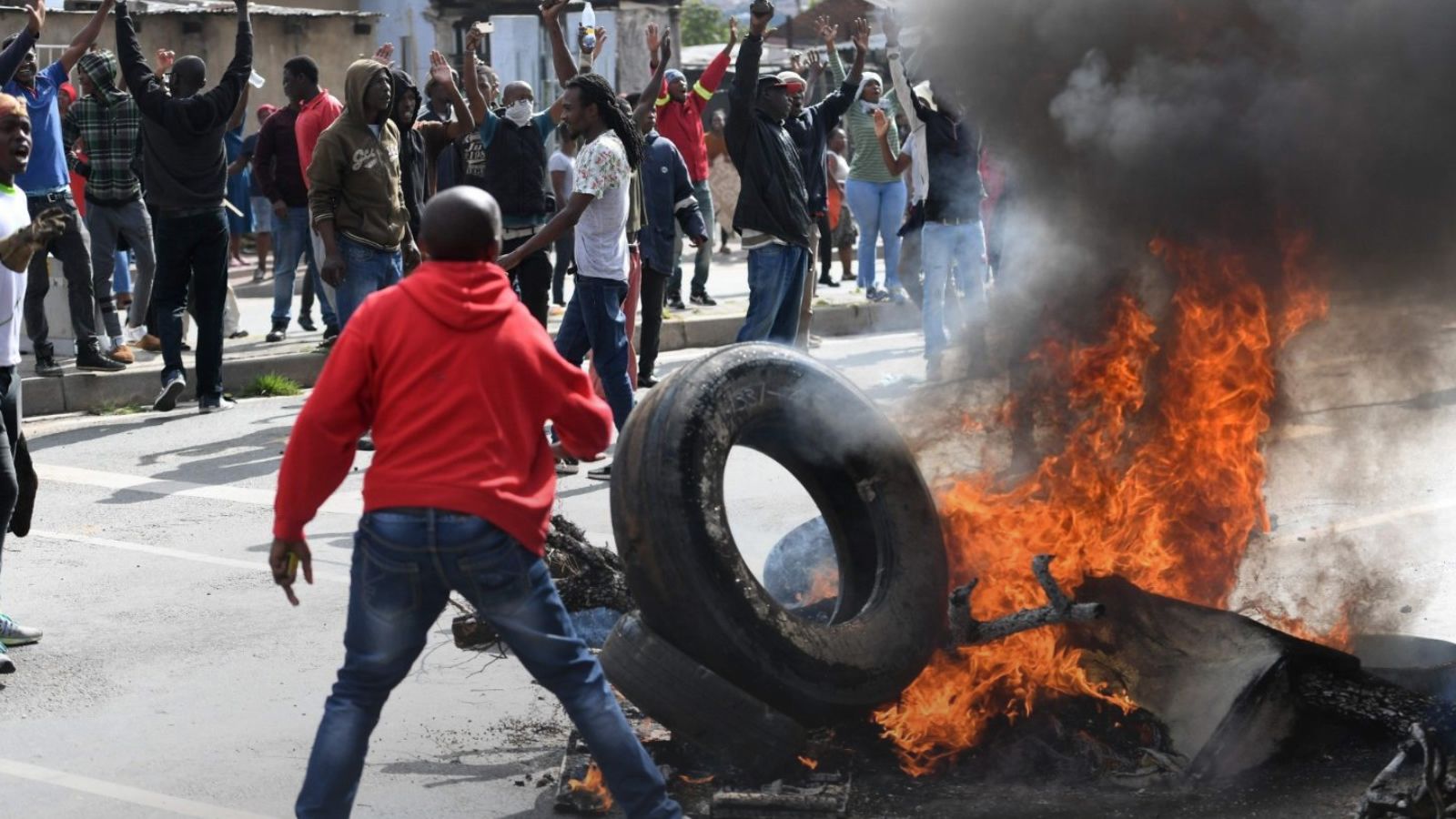
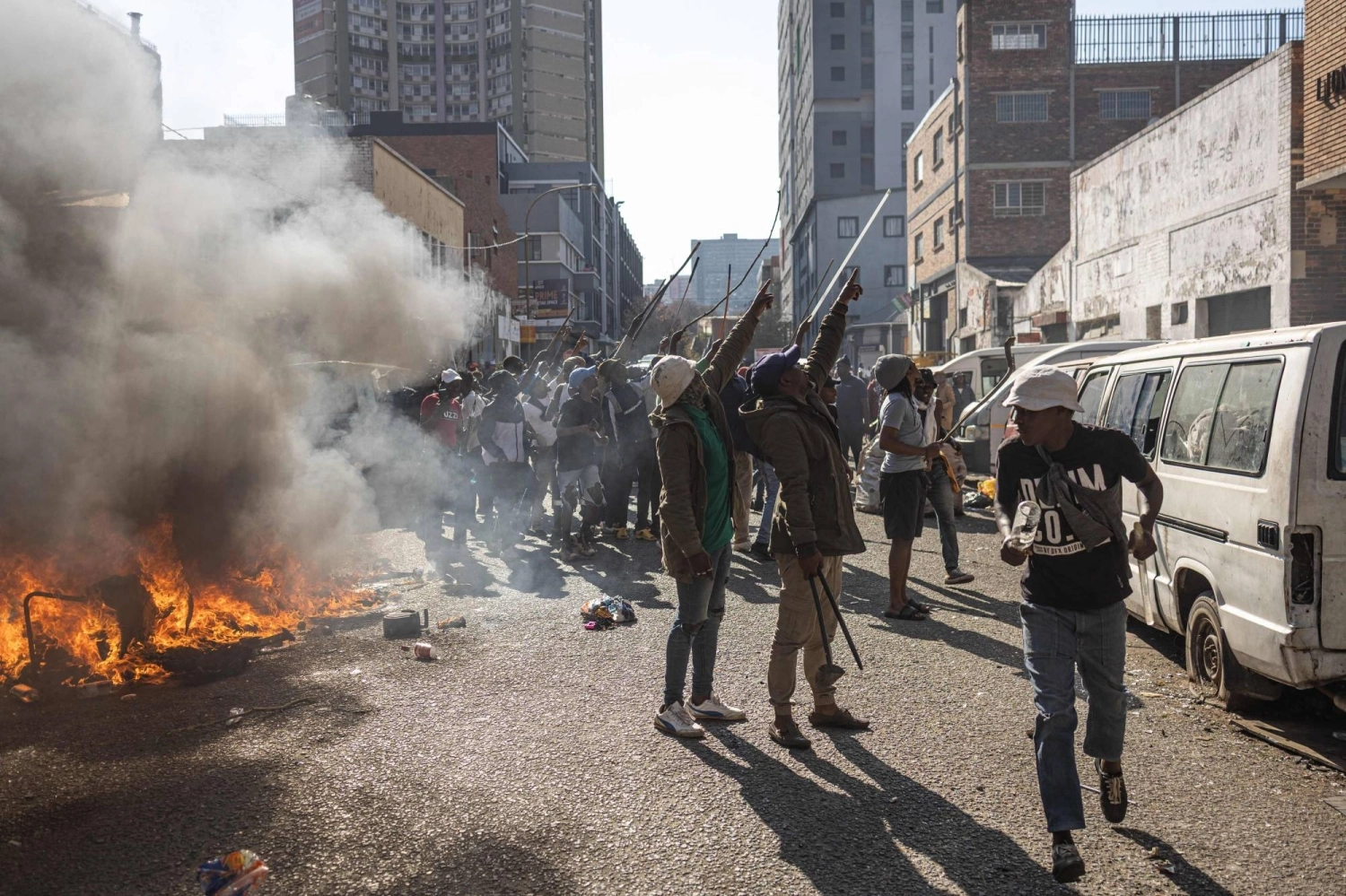
On November 18, 2026, South African protesters marched into Sunnyside, a Pretoria neighbourhood, and demanded to know who gave Nigerians permission to call it "Little Lagos."
Then they demanded a ban on Nigerians entering South Africa altogether. Nobody in that crowd looked afraid.
They looked angry, organised and sure of themselves. That is the first clue that "xenophobia" is the wrong word for what is and has been happening.
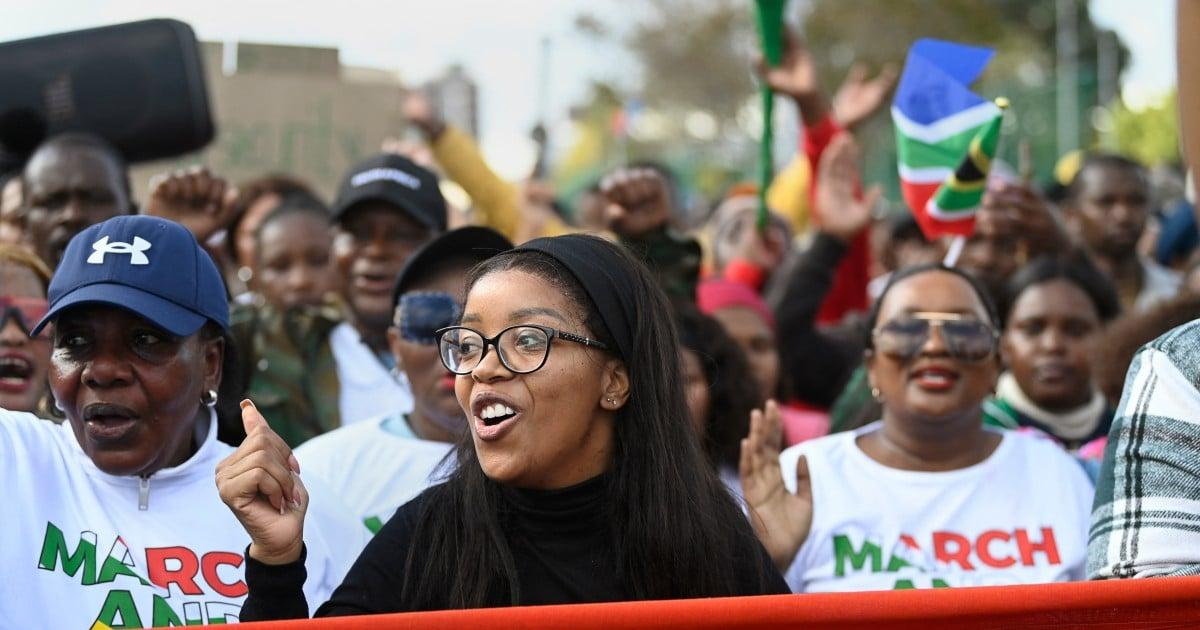
What Is Happening in Little Lagos, Sunnyside?
The march was organised by the anti-migrant group, March and March. It was led by Jacinta Ngobese-Zuma.
Sunnyside is home to people from across Africa and beyond, but it also has a large Nigerian community. Due to this community, the nickname “Little Lagos” stuck. A nickname.
Every big city has neighbourhoods like this. Little Italy and Chinatown exist in cities around the world, and nobody marches to demand the people be deported.
Xenophobia vs Misoxeny: What Is the Difference?
Xenophobia comes from the Greek xenos (stranger) and phobos (fear). Misoxeny swaps fear for misos, which means hatred. The difference here is fear and hatred. Both emotions behave differently.
A person who fears something avoids it. They cross the road and lock the door. A person who hates something goes looking for it. They organise, they march, they burn, they kill.
Fear does not draft a list of demands. Hatred does.
Fear does not ask for a total ban on one nationality. Hatred does.
Anti-Foreigner Attacks in South Africa: A Pattern
In 2008, dozens of foreign nationals were killed and tens of thousands displaced. Durban saw another wave in 2015.
In 2019, riots in Johannesburg saw foreign-owned shops looted and burned and people killed, and the anger spread to Lagos, where South African businesses were targeted in retaliation.
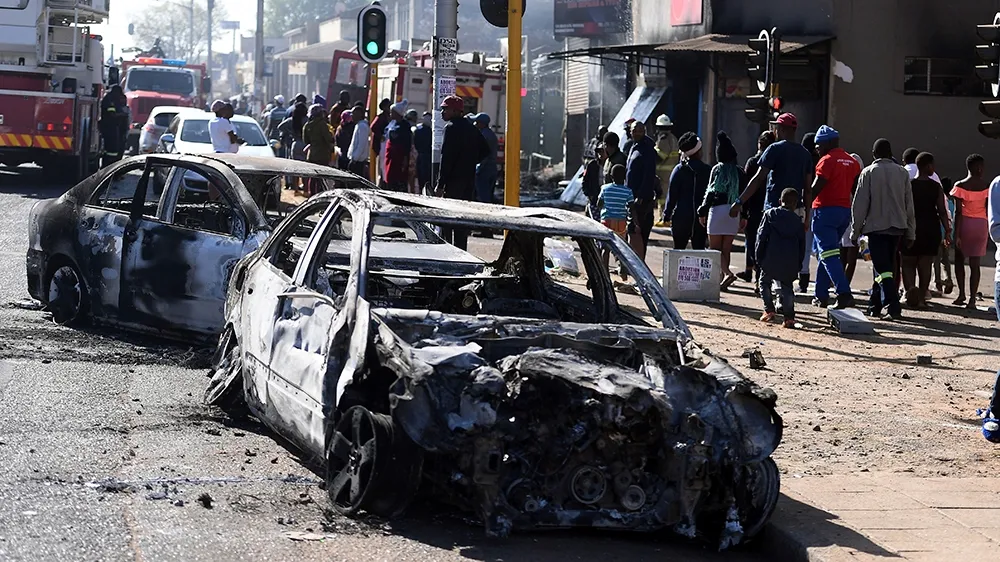

This year, thousands marched in April demanding that foreigners leave. By June, Nigeria was evacuating its citizens in batches, and flights were still landing in Lagos in August.
Countries do not organise evacuation flights for citizens who are merely being looked at nervously. They do it when lives are at risk.
A fear that repeats itself every few years, with the same targets and the same casualties, is not a phobia.
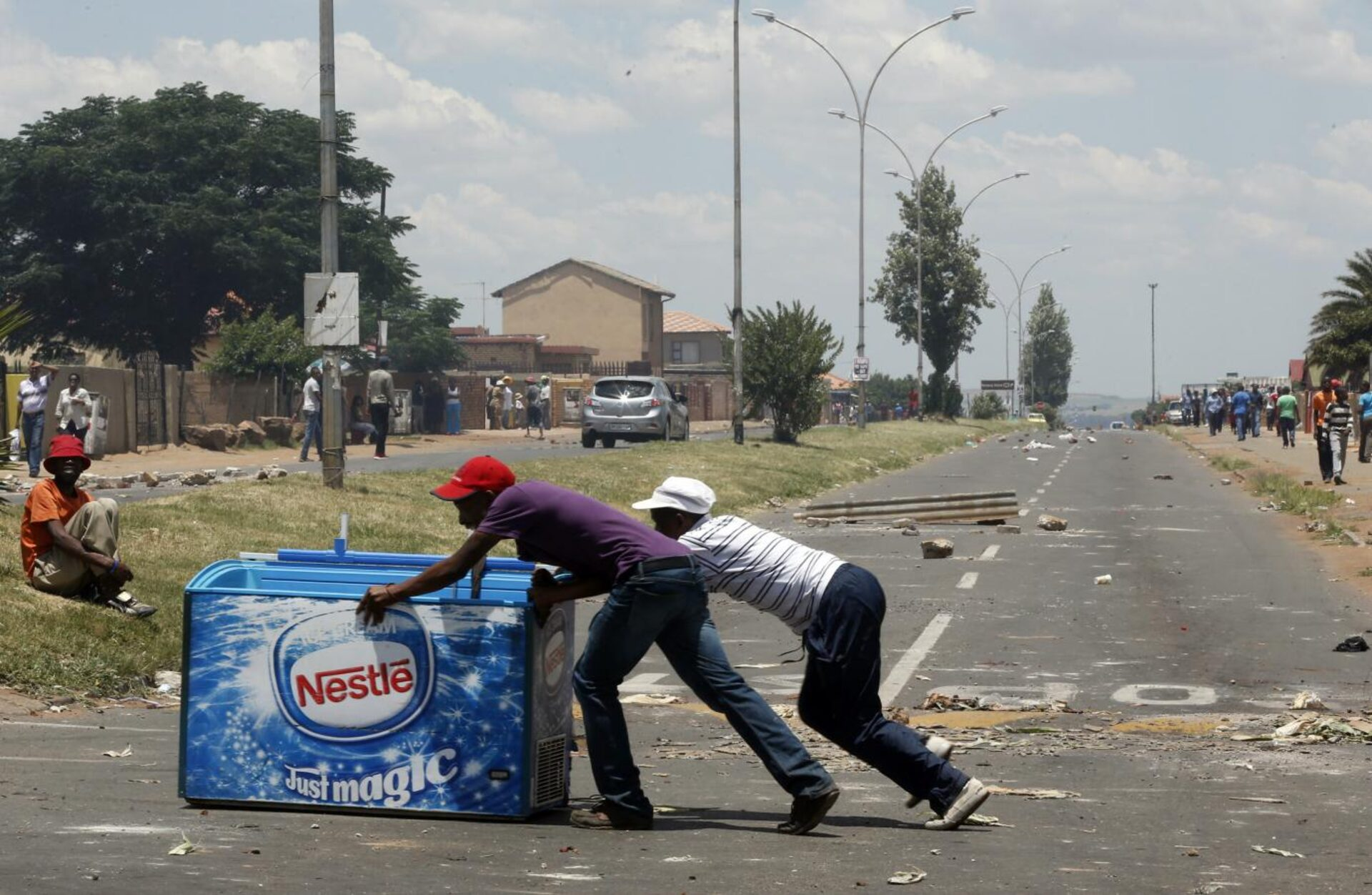
"They Are Destroying Our Country": The Scapegoat Script
The claim goes that Nigerians sell drugs, take jobs, commit crime and now "want to rule." Let’s look at the reality.
South Africa's unemployment rate sits above 30%, inequality is among the worst in the world, and the power grid has been failing for years.
Foreign nationals did not design that economy, run Eskom or write housing policy. Foreign-owned barbershops, restaurants, salons and spaza shops pay rent to South African landlords and employ South African staff.
Crime exists in every society, and pointing at one nationality for it is prejudice.
To be clear, debating immigration policy is not the problem. Every country regulates its borders and asks for papers. But this is not policy.
Policy doesn’t ask for a blanket ban by nationality. Misoxeny does.
Scapegoating is an old trick. When systems fail, people look for a face to blame. That face is rarely a wealthy European expat or a Chinese investor.
It is a Nigerian, a Zimbabwean, a Malawian or a Mozambican, someone African and poor. That selectivity is contempt for a particular kind of stranger.
Why the Word Xenophobia Lets South Africa Off the Hook
Xenophobia sounds like a condition. A phobia is something you suffer from, not something you choose. It paints the mob as an anxious crowd and the violence as an unfortunate reaction. It softens a crime into a mood.
Misoxeny shows it is a choice. It says you are not scared, you are hostile, and you are responsible. Language shapes response.
When killings are labelled "xenophobic tensions," the likely answer is dialogue sessions and statements of concern. When they are labelled hatred, the answer has to be prosecution.
None of this means every South African holds these views. Many have sheltered neighbours, condemned the marches and stood in front of the mob.
The hatred belongs to a movement and to those who feed it. But a movement that organises marches, issues demands and leaves bodies behind deserves an honest name.
The Betrayal at the Heart of the Nigerian Experience in South Africa
During apartheid, Nigeria was a frontline ally. It hosted exiles, contributed funds to the liberation struggle, offered scholarships to South African students and pushed for the diplomatic and sporting boycott. Pan-African solidarity was supposed to be a debt repaid, not a debt forgotten.
Today, African immigrants in South Africa are told to go home by people whose own freedom was partly paid for by the continent they are now trying to shut out.
What Should Happen Next?
First, South African authorities must prosecute incitement and violence. Leaders who ask "who gave you permission" in public should be asked which law they are citing.
Second, the African Union must stop treating these attacks as a bilateral awkwardness. Free movement is a stated continental goal, and attacks on African immigrants make a mockery of it.
Third, Nigeria's government must back its citizens with more than evacuation flights. That means consistent consular support, legal aid for victims and real diplomatic pressure.
Call It What It Is
Xenophobia asks us to understand fear. The evidence asks us to confront hatred.
Hatred that kills, evicts and demands nationality bans is misoxeny. Until South Africa and the rest of the continent say so plainly, the next march will come, and so will the next flight home.