Should Nigerians Boycott Tyla's Concert? The Xenophobia Debate Behind the Backlash
Should Nigerians boycott Tyla's Lagos concert? The singer's tour announcement has reignited debates over xenophobia in South Africa, the Chidinma Adetshina case, and whether Nigerian audiences should draw a line.
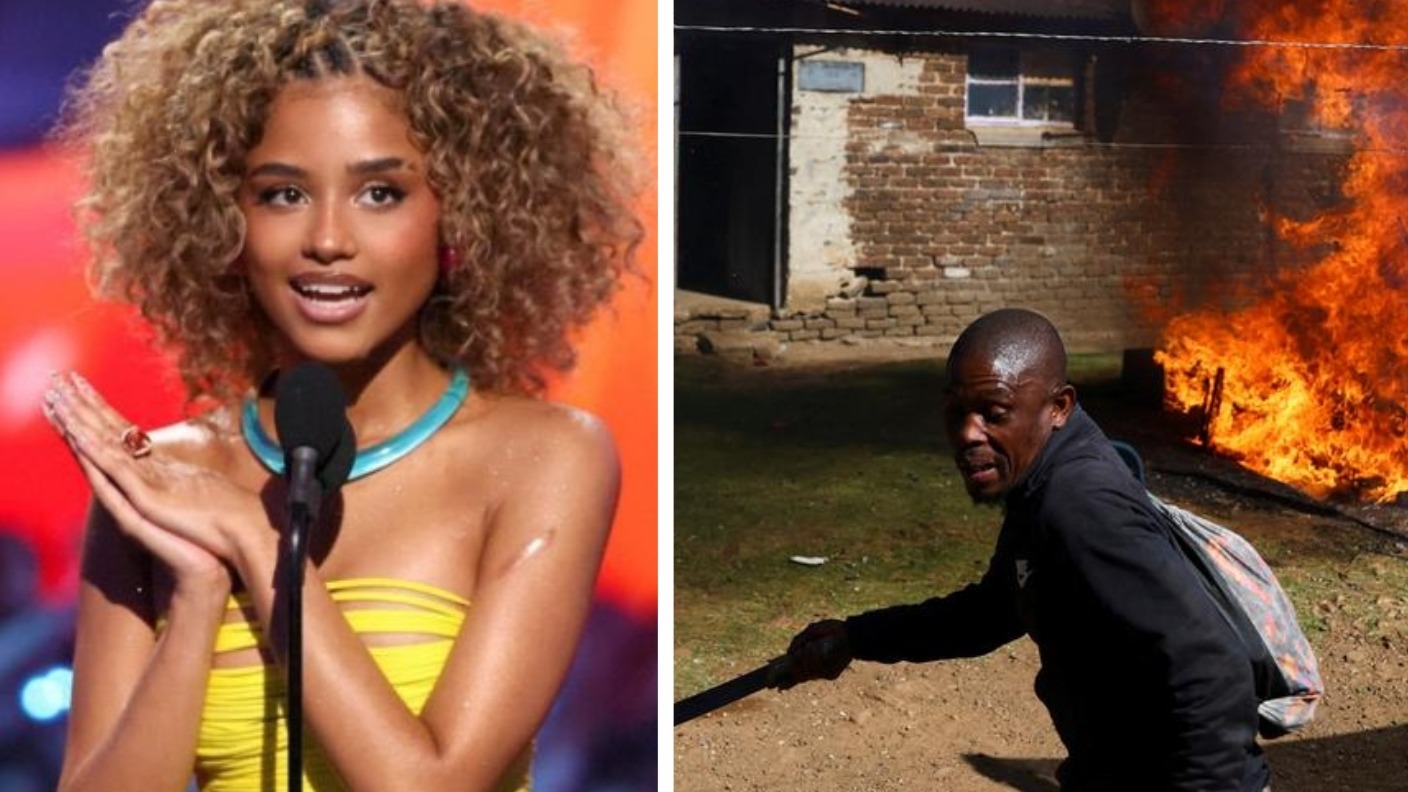
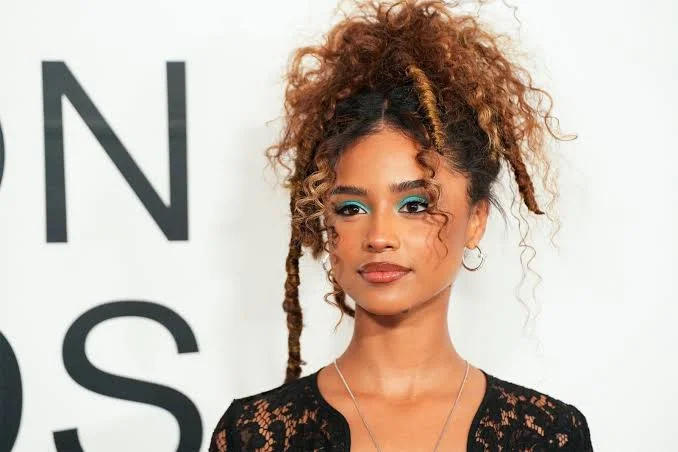
South African singer Tyla's recently announced APOP World Tour has turned into one of the most divisive conversations on Nigerian social media for the past few days. Her scheduled date for Lagos is December 22 and it sits between tour stops in Cape Town and Johannesburg.
This announcement alone has reopened a wound that never fully healed as regards the recurring xenophobic violence against Nigerians and other African migrants in South Africa.
Many Nigerians are calling for boycott, some are saying she should be an exception and these two views have split timelines.
The question that now hangs in the air is: should Nigerians boycott a South African artist over their government's failure to protect African foreigners, or is that an unfair burden to place on a musician?
Why the Tyla Lagos Concert Sparked Outrage
Within hours of the tour announcement, Nigerian social media split. One side argued that welcoming South African entertainment while Nigerians continue facing xenophobic attacks sends the wrong message and signals indifference toward citizens abroad.
Critics also noted that Tyla has not publicly addressed xenophobia targeting Africans in her home country, which they see as troubling given her global platform.
The other camp insists music should not be dragged into diplomatic disputes and that punishing an artist for the actions of a government or violent mobs is misplaced. Some questioned why the outrage targets a concert rather than the Nigerian government, which many feel has stayed too quiet on the treatment of its citizens abroad.
A Brief History of Xenophobic Violence in South Africa
A full understanding of the backlash can only come from a look into the pattern of attacks that has repeated itself for almost two decades.
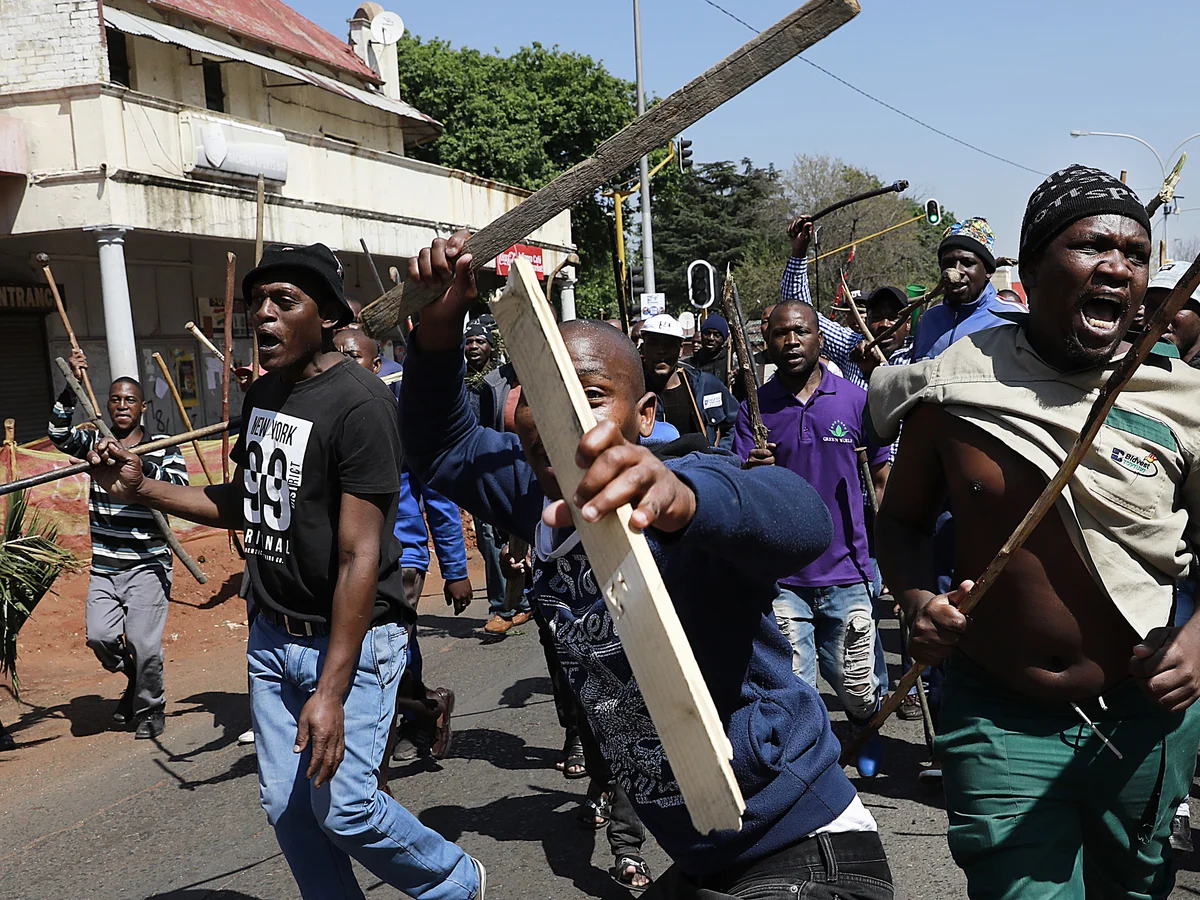
2008 has the deadliest wave. Violence broke out in Alexandra township before spreading nationwide. Mobs targeted foreign-owned shops and homes, and by the end of the unrest more than 60 people were dead, including Mozambicans, Zimbabweans and Somalis. Roughly 80,000 to 100,000 people were displaced, making this the deadliest episode of anti-migrant violence in South Africa's post-apartheid history.
In 2015, there were renewed attacks after inflammatory remarks. A new wave hit Durban and Johannesburg after comments attributed to a traditional leader were widely interpreted as telling foreigners to leave. Migrant-owned shops were looted and burned, and several people died before the military was deployed to restore order.
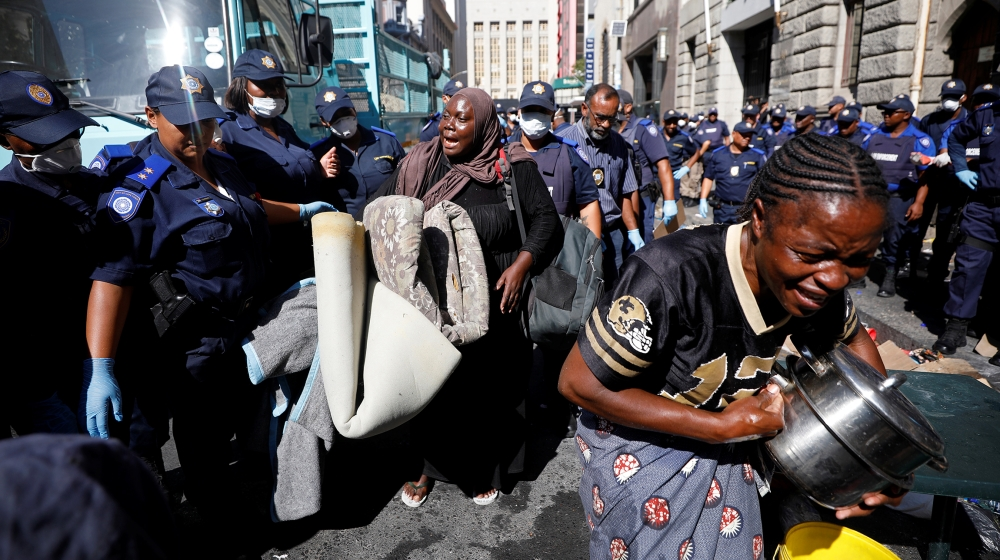
In 2019, Nigerians became a central target. Riots in Johannesburg's central business district and Pretoria specifically targeted Nigerian-owned businesses, alongside other foreign-owned shops, and trucks driven by foreign nationals were set alight on highways. The unrest triggered continental backlash, with Nigeria organizing evacuation flights for citizens wanting to leave, and several neighbouring countries publicly condemning the violence.
From 2021 till today, there has been a rise of vigilante movements. Groups such as Operation Dudula emerged from Soweto and framed themselves as community defenders against undocumented migrants but frequently escalating into intimidation, blocked healthcare and education access and destruction of migrant businesses, including the burning of Johannesburg's Yeoville market.
Newer groups have continued this pattern amid unemployment above 43%, with foreign nationals repeatedly scapegoated for crime and hardship despite research disputing those claims.
Across these waves, targeted groups have consistently been low-income African and Asian migrants, including Zimbabweans, Mozambicans, Somalis, Ethiopians, Malawians, Pakistanis, and Nigerians, often accused of taking jobs or running crime networks with little evidence to support the claim.
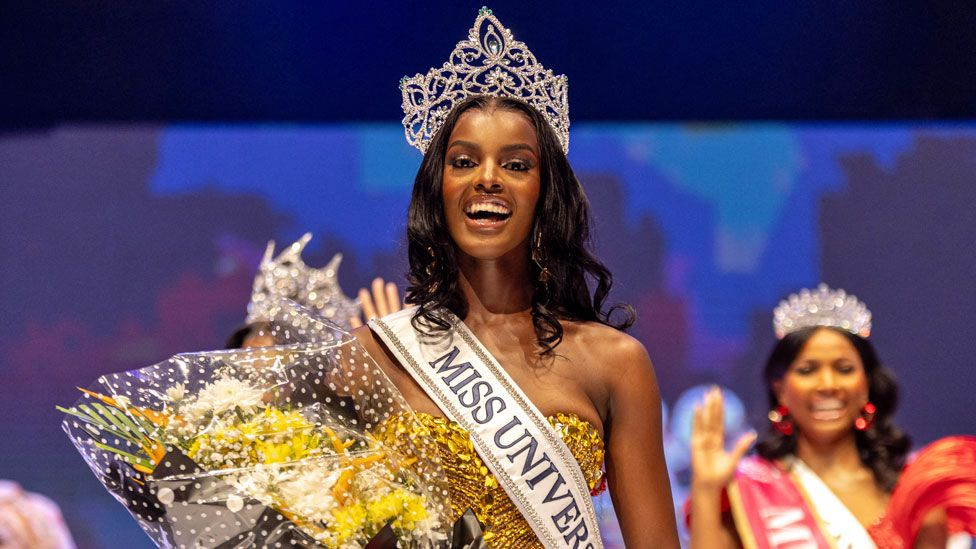
The Chidinma Adetshina Case and Why It Resonates
No case illustrates the emotional weight of this debate better than that of Chidinma Adetshina. Born in Soweto to a Nigerian father and a mother of Mozambican descent, she advanced to the top stages of the Miss South Africa pageant in 2024 before questions about her nationality triggered a wave of online abuse.
She withdrew from the contest on the grounds of safety concerns for her family, after South Africa's Department of Home Affairs began investigating whether her mother had obtained citizenship documents fraudulently.
Nigeria responded by inviting her to compete in Miss Universe Nigeria, which she won, going on to become the first Nigerian representative to finish as first runner-up at the global Miss Universe pageant, held in Mexico in November 2024.
While Nigerians celebrated her as a symbol of pan-African solidarity, South African authorities moved to cancel her identity documents.
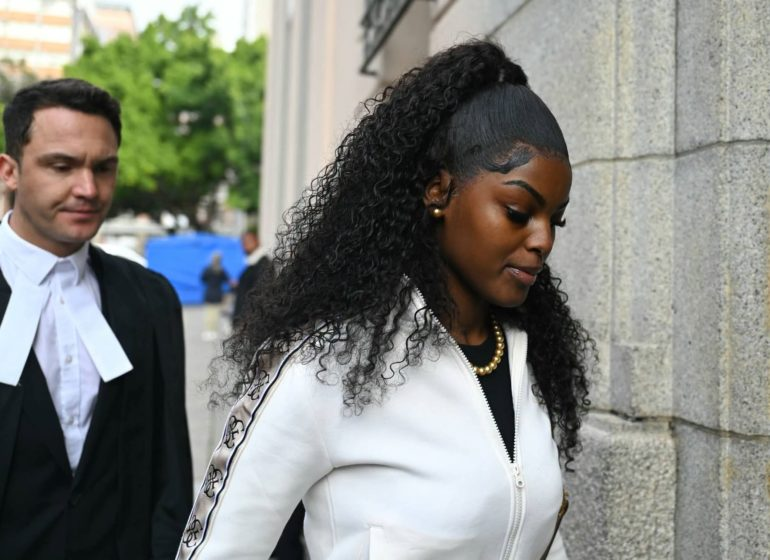
She has since been arrested and remains in an ongoing legal battle in Cape Town over deportation and her right to remain in the only country she has ever known. Her mother was separately arrested and charged.

Her story is frequently cited in the boycott debate because it captures the contradiction many Nigerians feel sharply. A woman with Nigerian heritage was pushed out of her own country of birth through online hostility and bureaucratic action, while Nigeria absorbed her, celebrated her, and let her represent the nation on a global stage.
The comparison many Nigerians raise is direct: if the roles were reversed, would South Africans have embraced a South African-born entertainer with Nigerian ties the way Nigeria embraced Tyla and other South African acts?
The Double Standard at the Heart of the Debate
Nigerian entertainers, brands and audiences have long embraced South African music and culture without hesitation. Critics argue this openness has rarely been reciprocated, pointing to recurring attacks on Nigerian traders, students, and workers, alongside public commentary from South African celebrities and officials often described as muted.
Supporters of the boycott are not necessarily arguing that Tyla personally holds xenophobic views. Instead, they are using her concert as a symbolic pressure point and a way of forcing a conversation governments and institutions have avoided for years.
Should Nigerians Boycott the Concert?
There is no single correct answer, and the divide within Nigeria itself reflects that. A boycott is unlikely to change South African immigration policy or vigilante activity on its own, but symbolic protest has played a role before, as when cultural events in South Africa were boycotted by neighbouring countries after past attacks.
Whether Nigerians choose to attend or skip the Lagos show, the concert has already achieved the bringing back of a long-avoided conversation about xenophobia, reciprocity and African unity back into public discussion.