Before You Take Someone to Court in Nigeria, You Should Consider This
Court delays, repeated adjournments, and judicial vacations can make seeking justice costly and exhausting for ordinary Nigerians.
For many Nigerians, going to court is not simply a decision to seek justice. It is a commitment to a process that may consume their money, time, patience, and, sometimes, the best years of their lives.
You could have a genuine complaint, convincing evidence, and every reason to believe the law is on your side, yet still find yourself wondering how long it will take before anyone finally listens.
The fear is not necessarily of the courtroom itself. It is what comes after entering it: the adjournments, mounting expenses, court vacations, unanswered questions, and seemingly endless waiting.
When Every Court Date Becomes Another Expense
Imagine taking someone to court over a piece of land, an unpaid debt or an employment dispute. You pay for legal representation, arrange transportation, take time away from work and prepare for the hearing.
Then you arrive, only to discover that the matter has been adjourned. Perhaps a lawyer is unavailable, a witness has not appeared, a judge is attending to another matter, or the court needs more time.
You return home and wait for another date. The next hearing arrives, and the process repeats itself.
For an ordinary Nigerian who earns a living daily, these adjournments are not minor inconveniences. Every appearance costs money. Every missed workday could mean lost income, while legal fees and other expenses continue to accumulate.
Nigeria's Chief Justice, Kudirat Kekere-Ekun, acknowledged these difficulties in November 2026, noting that prolonged proceedings and repeated adjournments impose additional hardship on ordinary litigants.
The International Monetary Fund has also identified overloaded courts, inadequate resources, and limited digitalization of court records among the factors contributing to delays.
Court Vacations, Backlogs and the Long Wait for Justice
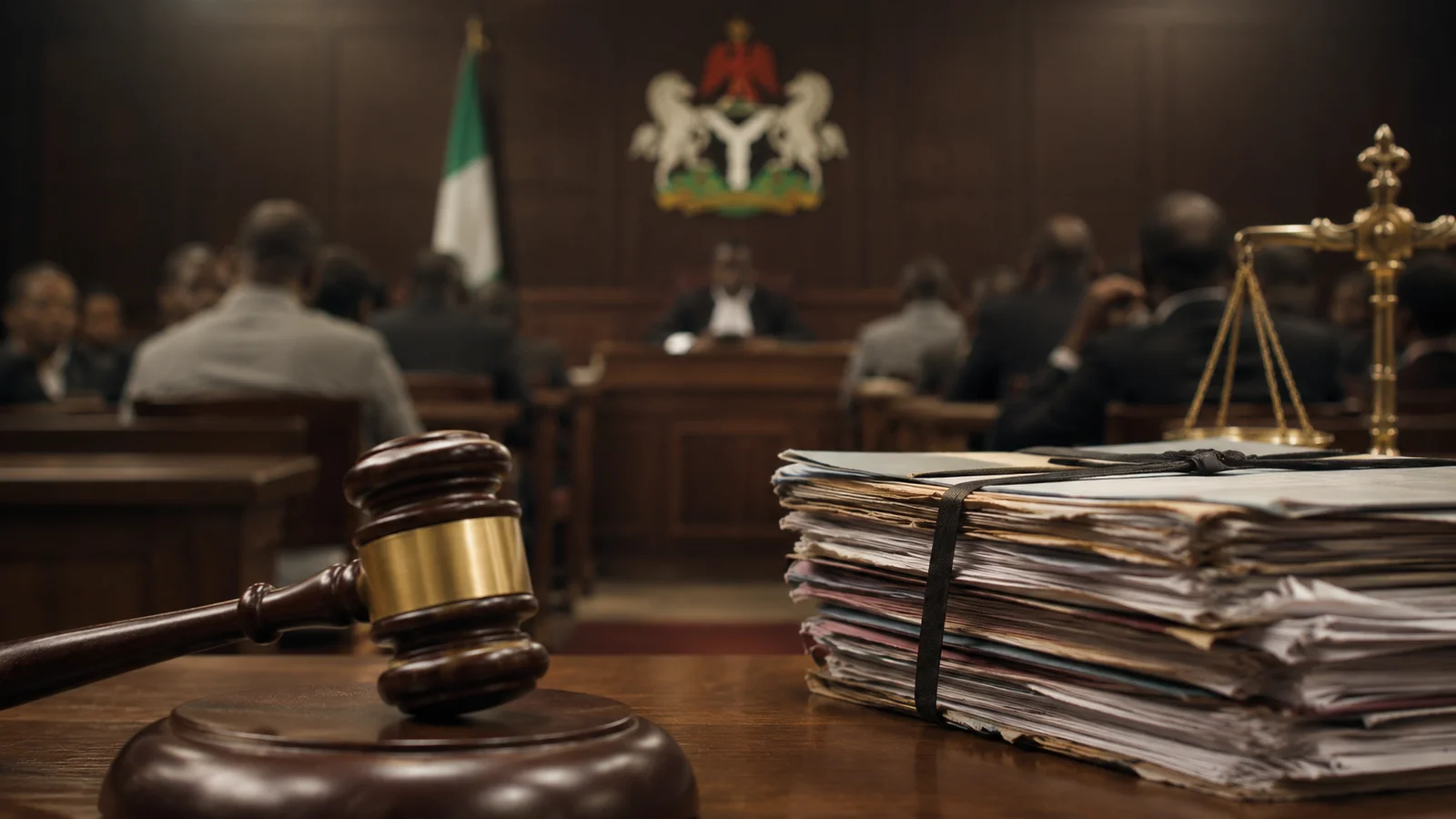
There is also the matter of judicial vacations. Like other institutions, courts have annual breaks, and their schedules can affect when ordinary cases proceed.
If your hearing falls within a vacation period, your matter may have to wait until the court resumes, unless it qualifies for attention by a designated vacation judge.
This does not mean every court shuts down completely. For instance, the Federal High Court's 2026 vacation ran from 27 July to 11 September, with designated judges available in selected divisions to handle urgent matters.
However, ordinary proceedings may still experience interruptions, adding another layer of waiting for litigants, and when the courts resume, they do not necessarily return to an empty schedule. Pending matters, newly filed cases and previously adjourned proceedings all compete for hearing dates. The backlog does not disappear because the court has reopened.
Some cases consequently stretch across several years, with appeals potentially extending the process even further. This is not peculiar to Nigeria. However, Nigeria has its own troubling examples.
In Ariori v Elemo, a case filed at the Lagos High Court in October 1960 did not reach the Supreme Court until January 1983. Another employment dispute, Emeka Nwana v FCDA, began in 1989 and was not resolved by the Supreme Court until 2007.
Imagine beginning a legal battle in one stage of your life and receiving its final resolution in another, after circumstances, relationships, and even the people involved have changed.
Should the Fear Stop Anyone From Seeking Justice?

Certainly not. The possibility of delay should not discourage anyone from defending their rights or seeking legal redress. Courts remain essential to resolving disputes, protecting liberties and holding individuals and institutions accountable.
However, the reality demands attention. Justice should not become a privilege reserved for people who can afford years of litigation. Expanding judicial capacity, improving case management, reducing unnecessary adjournments, and investing in digital court processes are important parts of addressing the problem.
Alternative dispute resolution, including mediation and arbitration, can also provide faster and less expensive routes for suitable disputes. Nigeria already has court-connected initiatives such as the Lagos Multi-Door Courthouse, which offers alternatives to conventional litigation.

Ultimately, the purpose of a justice system is not merely to deliver a judgment, but to deliver it within a reasonable time. Nigerians should not have to choose between abandoning a legitimate claim and committing years of their lives to pursuing it.