Why Taking Your Phone to the Toilet Could Be Ruining Your Health
Think using your phone on the toilet is harmless? Well read about the hidden health risks from bacteria, digestive strain, and posture problems that could be silently affecting you every day
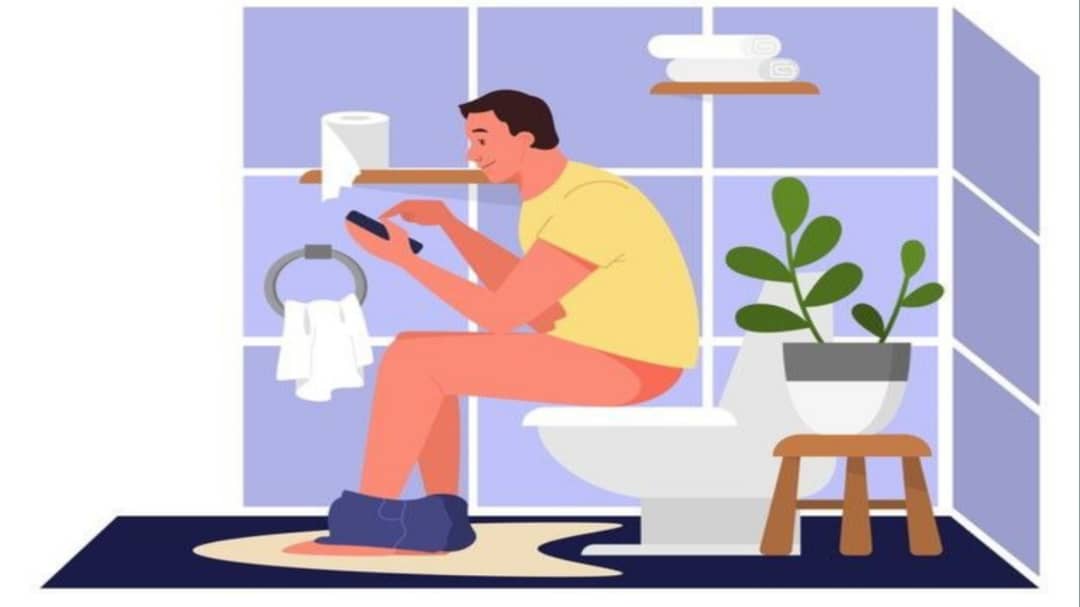
It’s a habit most of us don’t even question: scrolling through social media, reading messages, or catching up on news while sitting on the toilet. But what feels like harmless multitasking could be quietly undermining your health, your hygiene, and even your body’s normal physiological processes.
Today’s smartphones are extensions of our lives, yet the toilet is one of the least hygienic places we expose these devices, and ourselves, to. Below are what risks you’re taking, and how simple changes can protect your health.
1. Your Phone Becomes a Germ Magnet
Bathrooms, especially toilets, are teeming with bacteria and pathogens you can’t see. When you flush, pressure sends microscopic droplets into the air in a process called a toilet plume. These droplets can travel distances of up to about 1.5 meters and settle on nearby surfaces, including your phone.
Scientific reviews have found common fecal‑derived bacteria like E. coli and Enterococci on mobile phones, and they often survive because phones aren’t cleaned frequently or thoroughly.
This means that each time you touch your screen after a bathroom visit, you could be transferring harmful microbes to your hands and face, increasing the likelihood of infections.
2. Washing Hands Alone Isn’t Enough
Most people know to wash their hands after using the toilet, but that alone doesn’t solve the problem if you’ve touched your phone in the bathroom.
You may wash your hands thoroughly, but the moment you pick up your phone, which has likely been contaminated by bacteria or droplets, those germs transfer back to your clean hands.
This cycle of contamination essentially nullifies handwashing. Phones can even carry more bacteria than toilet seats themselves, making them a surprisingly unhygienic surface.
3. Higher Risk of Gastrointestinal and Skin Infections
When a contaminated phone comes into contact with your hands, and then you touch your face or mouth, harmful microbes can enter your body.

Pathogens found on bathroom‑exposed phones include:
E. coli – which can cause stomach illness and diarrhea
Salmonella – known for food poisoning
Staphylococcus species – which can trigger skin or respiratory infections
Although it’s hard to quantify exactly how often this leads to illness, the risk is real, especially for people with weakened immunity, children, and the elderly.
4. Prolonged Toilet Sitting Invites Digestive Trouble
Phones are so distracting that bathroom visits often last much longer than necessary. Studies show that people who use their phones while on the toilet spend significantly more time per visit than those who don’t.
Extended sitting, especially with poor posture, increases pressure on the anal and rectal veins, which can interfere with blood flow. Over time, this contributes to:
Hemorrhoids (piles) – swollen veins in the rectum and anus that cause pain and bleeding
Fissures and other painful anal conditions
Straining and constipation from disrupted natural timing of bowel movements
One peer‑reviewed study found that smartphone users on toilets had a 46% higher likelihood of developing hemorrhoids compared with non‑users, largely linked to the extra time spent sitting.
5. Disrupted Body Signals and Digestive Function
Your body has a natural rhythm for bowel movements. When you bring distractions like a phone, you disrupt that rhythm. That distraction can delay the reflex to finish and go, leading to constipation, irregular bowel habit, and poor pelvic floor coordination
This slowed process not only invites discomfort but can also exacerbate the pressure issues that lead to hemorrhoids and related conditions.
6. Urinary Tract and Bladder Issues
Phone use on a toilet not only affects the bowel, for some people, especially people with female anatomy, extended sitting combined with distraction can interfere with proper bladder emptying. This incomplete release can leave bacteria behind and make urinary tract infections (UTIs) more likely.
7. Impacts on Posture and Musculoskeletal Health
Smartphone posture: head tilted forward, shoulders rounded, isn’t healthy even outside the bathroom. But when you apply that posture to sitting on a toilet, the strain on your neck muscles, back muscles, and pelvic alignment adds up over time to chronic discomfort or pain.

Over years, this can contribute to persistent postural issues that go beyond the bathroom.
8.Moisture and Bacteria Thrive Together
Bathrooms are humid places. Moisture from showers or steam settles on surfaces, including your phone. Combined with the warmth and organic residues that naturally cling to phones, this creates an environment where bacteria can thrive more easily than on a dry surface.
That’s why experts recommend keeping phones dry and clean, and ideally away from contamination sources like toilets.
9. Unnecessary Risk With Little Upside
Some argue that having a phone during bathroom time helps with relaxation or productivity. While that may feel true, the cost versus benefit is clear:
You risk bacterial contamination.
You put your device at risk of falling into toilets, sinks, or getting damaged by water.
You invite posture‑related strain and digestive stress.

Meanwhile, the real benefit, a few minutes of entertainment, is trivial compared to these documented health concerns.
Conclusion
What may seem like a modern convenience, taking your phone into the toilet, is actually a habit rich in unseen risks. From bacterial contamination to digestive stress, the health impacts are real and avoidable.
The next time you pick up your phone before answering nature’s call, consider this: a few minutes without scrolling could be a small sacrifice for better hygiene, stronger health, and fewer irritating conditions down the line.