Countries That Have Restricted Valentine’s Day Celebration
Valentine’s Day is global but not universally accepted. In some countries, February 14 has been restricted, discouraged, or legally challenged. Here is what really happened and why love became a political debate.
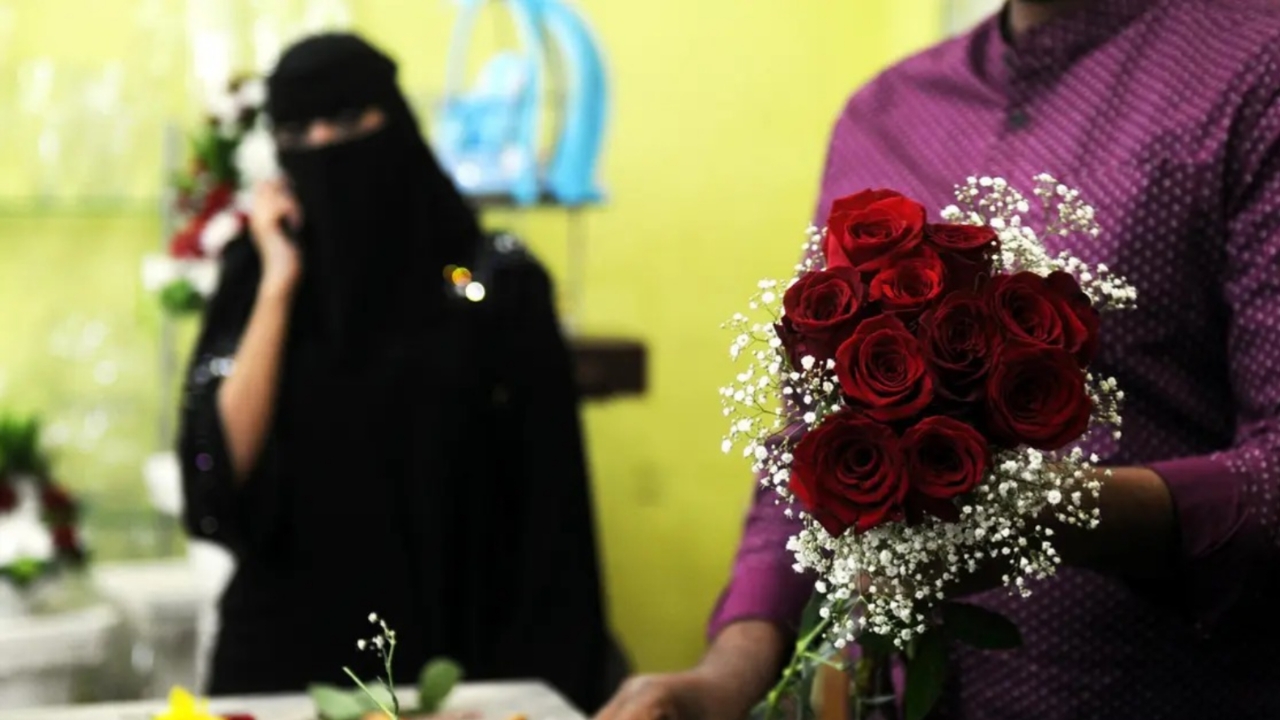
Every February 14, much of the world turns red. Restaurants prepare themed menus. Florists double their orders. Social media fills with declarations that range from intimate to theatrical. In many cities, love becomes visible, commercial, and performative.
But in some countries, February 14 is not simply a romantic date. It is a normal day In certain places, Valentine’s Day has been discouraged, restricted, or officially limited.
Not because love itself is banned, but because the holiday is seen as something imported, commercial, or culturally disruptive.
The story of Valentine’s Day restrictions is not about people being forbidden from loving. It is about how states respond to globalization, religion, and shifting cultural norms. Here are a list of countries hwere valentines day celebration is restricted.
1. Saudi Arabia
For years, Valentine’s Day was strongly discouraged in Saudi Arabia. Religious authorities associated with the country’s conservative Islamic establishment described the holiday as a Western innovation incompatible with Islamic teachings.
Retailers were reportedly instructed not to sell red roses or Valentine-themed merchandise in the days leading up to February 14. Shops that ignored the warnings risked penalties.
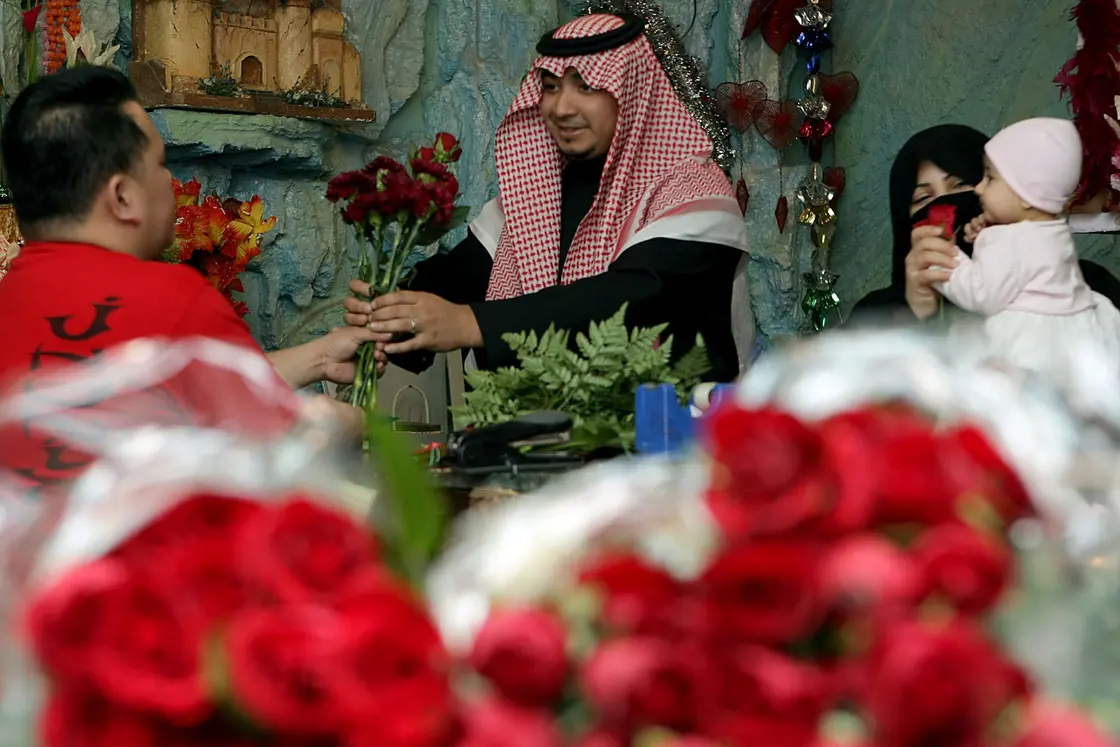
The opposition was framed as a defense of religious values rather than a rejection of affection. Valentine’s Day was criticized as encouraging relationships outside marriage and promoting cultural imitation of the West.
However, this position has shifted in recent years. As part of broader social reforms under Vision 2030, public enforcement has eased.
Valentine-themed products are now openly sold in major cities like Riyadh and Jeddah. While the day remains unofficial, the strict policing that once characterized it has largely receded.
This evolution reflects a wider recalibration of cultural policy rather than a sudden embrace of the holiday’s original Western form.
2. Pakistan
In Pakistan, Valentine’s Day has been the subject of legal controversy. In 2017, the Islamabad High Court issued an order banning public celebrations of Valentine’s Day and restricting media promotion of the holiday.
The ruling followed petitions arguing that the celebration conflicted with Islamic values and encouraged behavior seen as culturally inappropriate.
The ban targeted public spaces and broadcast media rather than private citizens. Public displays, promotional banners, and official events were prohibited in the capital territory.
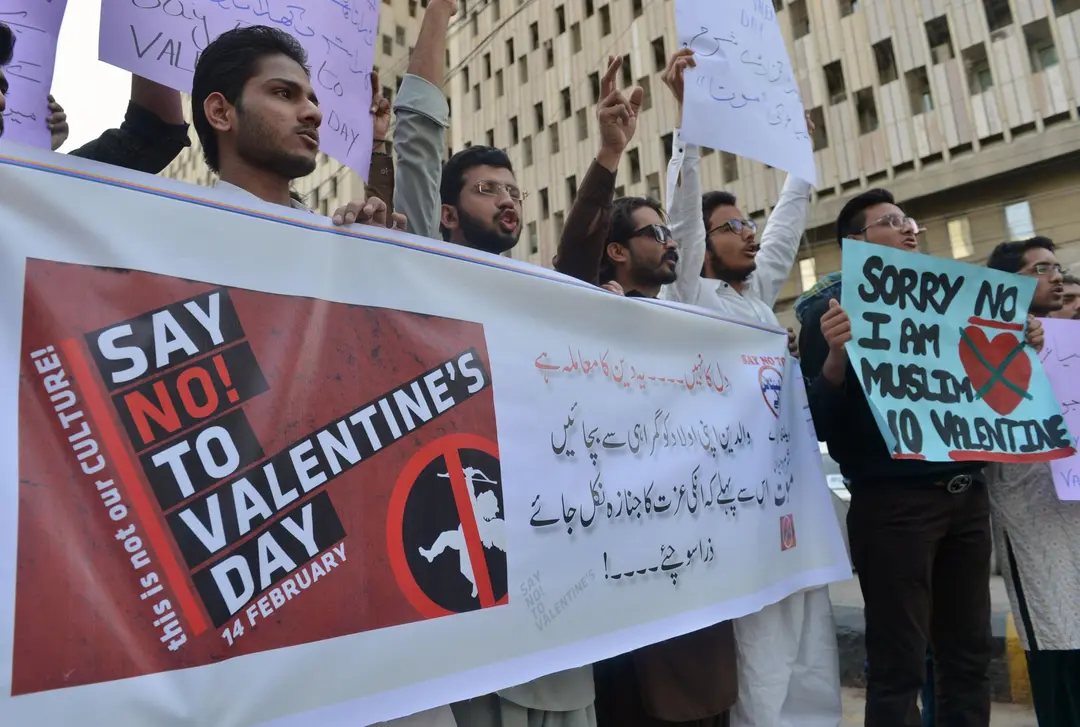
Despite the ruling, enforcement has varied. In major urban centers, particularly among younger populations, Valentine’s Day continues to be observed informally. The tension in Pakistan illustrates a recurring pattern: a divide between state-level regulation and urban consumer culture.
3. Indonesia
Social Insight
Navigate the Rhythms of African Communities
Bold Conversations. Real Impact. True Narratives.
Indonesia does not have a nationwide ban on Valentine’s Day. However, local authorities in some provinces have discouraged public celebrations. Religious leaders have periodically criticized the holiday as promoting behavior inconsistent with Islamic principles.
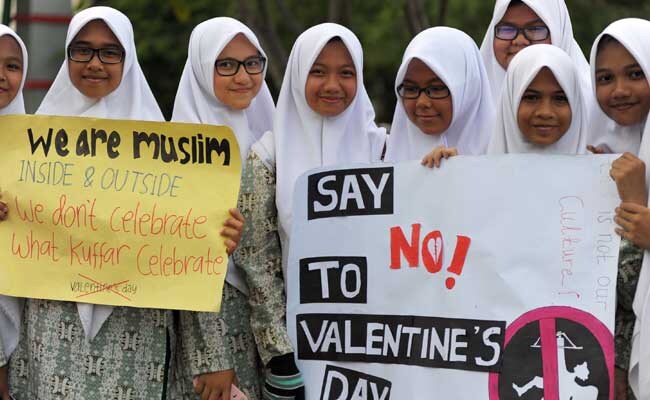
In certain regions, police have conducted patrols aimed at preventing Valentine-themed events, particularly those involving teenagers.
Officials have often framed these actions as protective measures rather than moral policing.
At the same time, in major cities such as Jakarta, the holiday remains commercially visible. Shopping malls and restaurants continue to market Valentine’s Day promotions, reflecting Indonesia’s diverse social landscape.
4. Iran
In Iran, authorities have at times discouraged the commercial promotion of Valentine’s Day. Retailers have faced warnings against selling Valentine-themed products, and officials have criticized the holiday as a Western cultural import.

Instead, some have promoted Sepandarmazgan, an ancient Persian festival associated with love and respect, as a culturally authentic alternative. Sepandarmazgan predates Christianity and is rooted in Zoroastrian tradition.

Yet, despite official resistance, Valentine’s Day remains popular among many young Iranians, particularly in urban areas. Private celebrations continue even when public promotion is limited.
The Iranian case demonstrates that cultural substitution does not always erase global influence. Instead, it creates parallel systems of celebration.
5. Malaysia
In Malaysia, religious authorities have issued advisories discouraging Muslims from celebrating Valentine’s Day. These statements describe the holiday as incompatible with Islamic teachings.
While there is no nationwide blanket ban, certain state-level religious departments have monitored Valentine-themed events.
The discouragement applies specifically to Muslims rather than the entire population, reflecting Malaysia’s multi-religious structure.
Here again, the tension is less about eliminating love and more about defining cultural boundaries.
What Is Really Being Regulated?
In nearly all these cases, Valentine’s Day is not permanently outlawed in the way one might imagine. Instead, restrictions tend to focus on public celebration, commercial promotion, or media amplification.
Private relationships are not criminalized. Couples are not arrested for exchanging affection in their homes. The issue is symbolic.
Valentine’s Day is often perceived by critics as:
A Western cultural export.
A commercialized ritual detached from local tradition.
A public display that conflicts with conservative moral codes.
Governments and religious authorities sometimes intervene not to suppress love itself but to assert cultural sovereignty.
Globalization Versus Cultural Authority
The spread of Valentine’s Day has followed the same pathways as global consumer culture. Through advertising, media, retail expansion, and digital platforms, February 14 became an international event.
In many non-Western countries, it arrived not through religious mission but through marketing campaigns and global brands.
For some societies, this raises questions. Is the holiday an expression of affection, or is it a vehicle for consumer capitalism? Is it cultural exchange, or cultural replacement?
Where restrictions occur, they often signal deeper anxieties about identity and influence.
It is easy to say that certain countries have “banned love.”
Valentine’s Day may be restricted publicly, but it rarely disappears entirely.
The story of banned Valentine’s Days is ultimately not about romance. It is about who gets to define cultural meaning. It is about how societies negotiate global influence while preserving local values.
Love itself is rarely the target. The spectacle around it is.
And that distinction matters.