7 Countries Where Valentine’s Day Isn’t February 14
Valentine’s Day isn’t always February 14. Some countries mark love on entirely different dates, and the traditions behind them are stranger and more fascinating than you think.

For many of us, Valentine’s Day is February 14. Flowers, chocolates, and over-the-top declarations of love dominate social media, malls, and cafes. It feels universal. But the world doesn’t all mark love on the same day.
Several countries either celebrate love-themed holidays on entirely different dates or redefine February 14 to fit their own cultural rhythm.
Why? Sometimes it’s climate, while sometimes it’s tradition. Sometimes it’s a deliberate effort to preserve local identity against global trends. And in every case, it shows that love isn’t bound to a single calendar date.
1. Brazil: Lovers’ Day in June
In Brazil, Valentine’s Day is not in February. It is June 12, celebrated as Dia dos Namorados, or “Lovers’ Day.” The date was chosen to coincide with the eve of Saint Anthony’s Day, the patron saint of marriage, and to avoid the busy Carnival season in February.
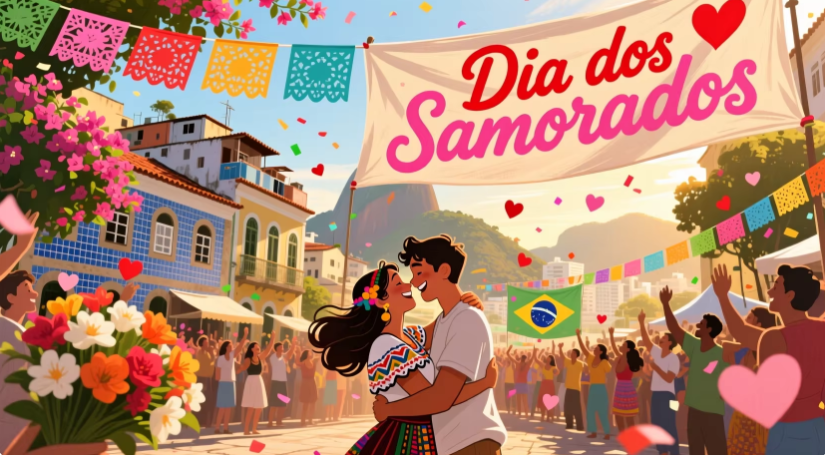
On this day, couples exchange gifts, flowers, and romantic gestures, but the atmosphere is distinctly Brazilian: vibrant, carnival-inspired, and suited to the Southern Hemisphere’s winter weather. February 14 exists but is largely overshadowed by this local celebration.
2. China: Qixi Festival in the Lunar Calendar
In China, the Western Valentine’s Day is recognized in urban areas, but the traditional festival of love is Qixi, celebrated on the seventh day of the seventh lunar month, usually falling in August.

Qixi is inspired by the legendary story of the Weaver Girl and the Cowherd, star-crossed lovers allowed to meet only once a year.
The holiday includes romantic rituals, gift-giving, and symbolic acts, making it China’s version of a “true” Valentine’s Day, one deeply rooted in legend and lunar timing rather than commercial influence.
3. Colombia: Love and Friendship Day
In Colombia, Valentine’s Day takes a different form altogether. Colombians celebrate Día del Amor y la Amistad (Love and Friendship Day) on the third Saturday of September.
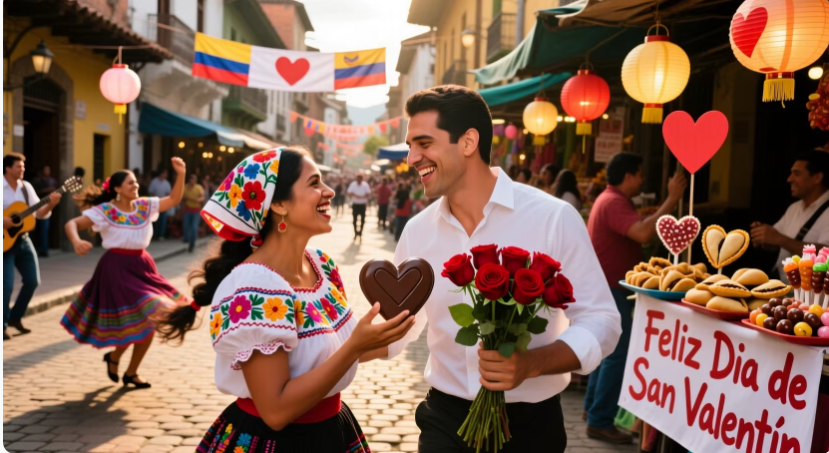
The holiday emphasizes both romantic and platonic relationships. Friends exchange gifts and participate in Amigo Secreto, a version of Secret Santa, while couples celebrate love with flowers, chocolates, or shared outings.
The shift away from February allows the celebration to feel distinctly local, tied to social customs rather than global calendars.
4. Wales: St. Dwynwen’s Day
In Wales, the patron saint of lovers is Dwynwen, not Valentine. Her feast day, January 25, is observed as St. Dwynwen’s Day (Dydd Santes Dwynwen).

Traditionally, couples exchange intricately carved wooden love spoons, each design carrying symbolic meaning. The holiday predates Valentine’s globalized commercialization, and it emphasizes meaningful gestures over flowers and consumer spectacle.
5. Finland and Estonia: Friends First
In Finland and Estonia, February 14 exists, but it is not a romantic holiday.
Social Insight
Navigate the Rhythms of African Communities
Bold Conversations. Real Impact. True Narratives.
Known as Ystävänpäivä in Finland and Sõbrapäev in Estonia, the day celebrates friendship, platonic love, and family bonds.
Romantic gestures are secondary, highlighting the idea that affection isn’t confined to couples.
6. Iran: Sepandārmazgān
In Iran, Western Valentine’s Day has been met with official skepticism. Instead, authorities have promoted Sepandārmazgān, an ancient Persian festival observed around the 5th day of Esfand in the Iranian calendar, typically in late February.
This holiday celebrates love, respect, and women, rooted in pre-Islamic Zoroastrian traditions. It is deliberately positioned as a culturally authentic alternative to imported Valentine celebrations.
7. Argentina: A Week of Sweetness
In Argentina, love is not confined to a single day. Semana de la Dulzura, or Sweetness Week, is celebrated from July 1 to July 7. Couples exchange kisses, sweets, and small gifts throughout the week.
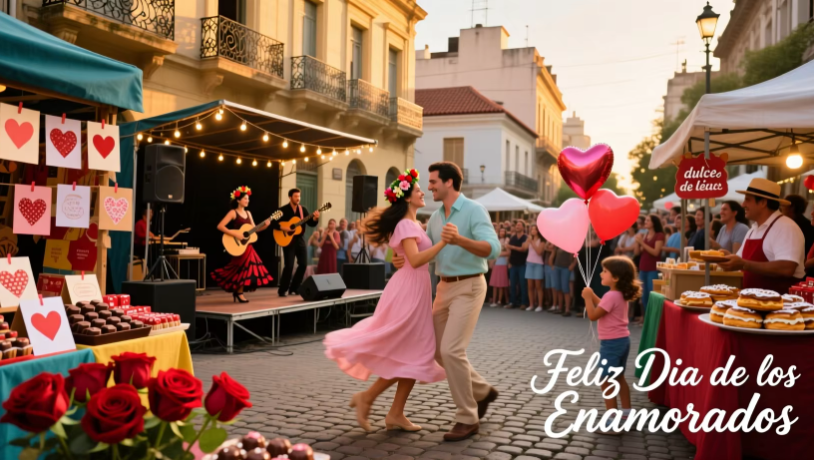

By stretching the holiday across seven days, the celebration becomes immersive and festive rather than compressed into a single consumer-focused date.
What Does This Tell Us?
The globalized Valentine’s Day we often see on February 14 is far from universal. Across continents, countries have shifted the date, expanded celebrations, or completely redefined the holiday to fit local culture, climate, or social priorities.
Some focus on friendship rather than romance. Some choose historical figures or indigenous legends. Others stretch the holiday into a week or a multi-stage event.
Even in countries where February 14 exists, it is rarely the same spectacle that dominates urban African cities.
Love cannot be confined to a single date. While flowers, chocolates, and social media posts dominate one calendar day in some places, other societies celebrate love on their own terms, sometimes quieter, sometimes longer, and always culturally meaningful.