What Happened to Africa’s Traditional Systems of Education?
Before colonial schools, Africans had their own ways of teaching, learning and preserving knowledge. So how did certificates become the ultimate proof of education, and what happened to everything that came before?
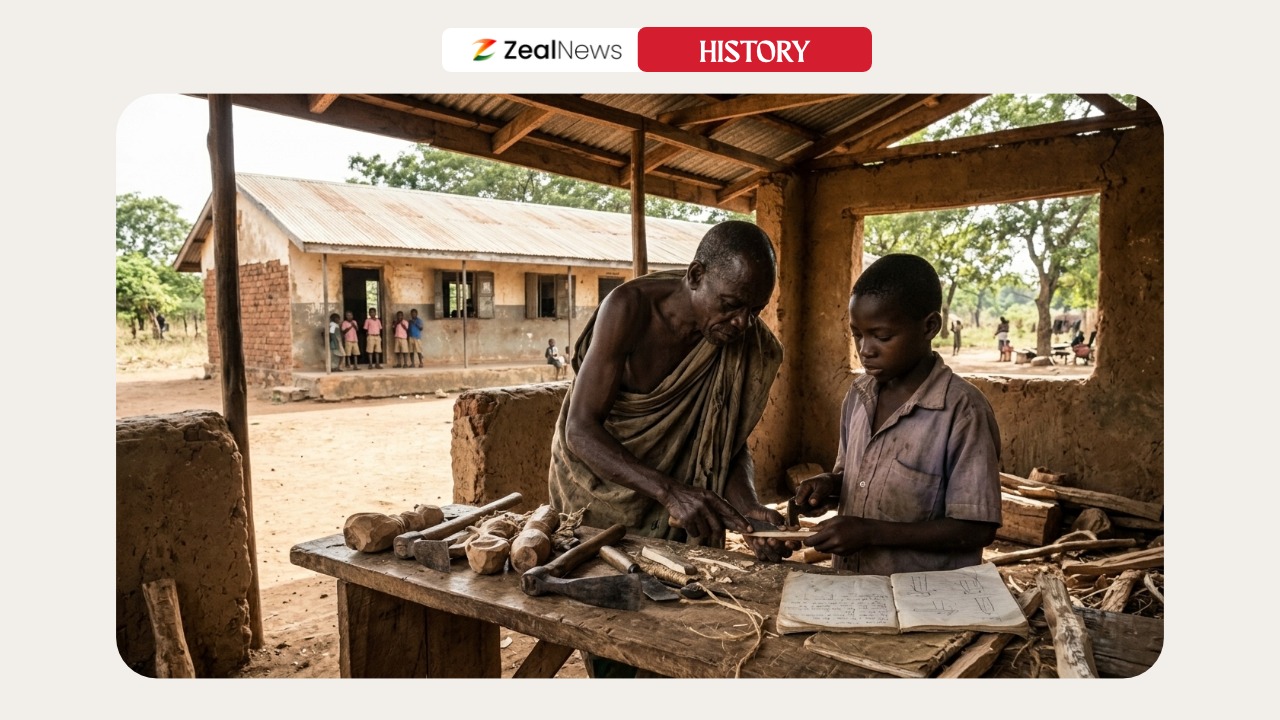
Somewhere along the way, a certificate became proof of education, while knowing how to read the seasons, grow food or build a house was dismissed as merely learning a trade.
That difference tells us the story about Africa’s education history.
Before European-style schools spread, African communities taught children through observation, practice, storytelling, mentorship and participation in community life.
Learning happened in homes, farms, workshops and gathering places. And contrary to the impression sometimes left by colonial-era accounts, Africa also had centres of advanced scholarship, libraries and written intellectual traditions.
So how did these systems lose ground, and did they really disappear?
Who Needed a Classroom When the Whole Community Was Teaching?
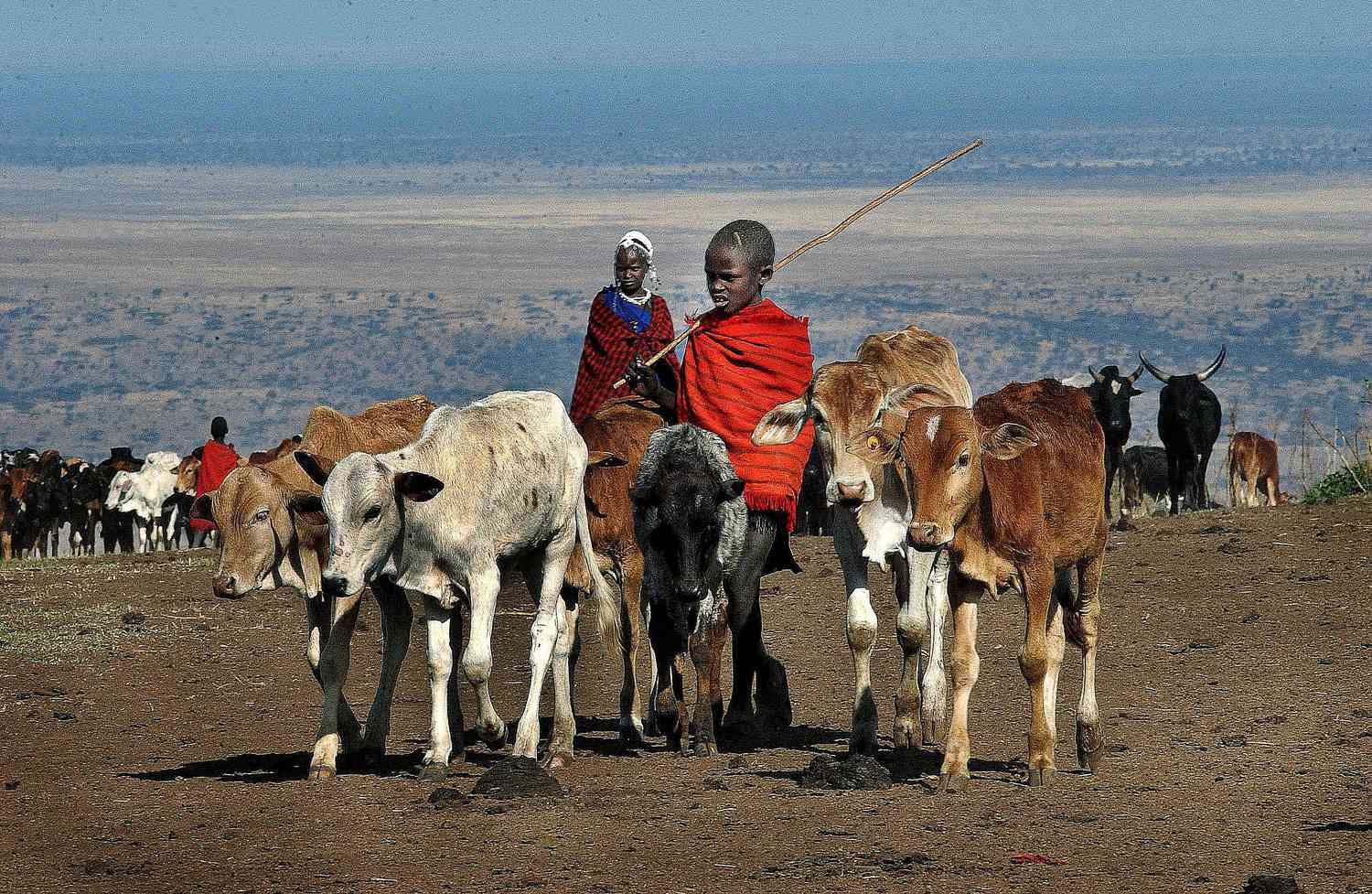
First, let’s clear something up: Africa did not have one traditional education system. A child growing up in a farming community would not necessarily learn the same things, in the same way, as a child in a trading city or pastoral society. Methods reflected local needs.
In many communities, education was woven into daily life. Children learnt farming by accompanying adults to the fields, watching how soil and seasons affected crops, then trying the work themselves.
They learnt crafts through apprenticeships, where a skilled person demonstrated a task, corrected mistakes and gradually entrusted the learner with more responsibility. Stories, songs, proverbs and ceremonies passed on history and values.
Social Insight
Navigate the Rhythms of African Communities
Bold Conversations. Real Impact. True Narratives.
Think of it as learning by doing: growing food, negotiating at a market, caring for animals and preparing for adult responsibilities. Education was connected to the life people were preparing to lead.
Some communities organised learning through age grades, initiation and defined responsibilities, giving learners structured stages of instruction rather than leaving education to chance or casual observation.
That does not mean every African society relied only on oral teaching or practical training. Timbuktu, in present-day Mali, became a major centre of Islamic scholarship during the fifteenth and sixteenth centuries.
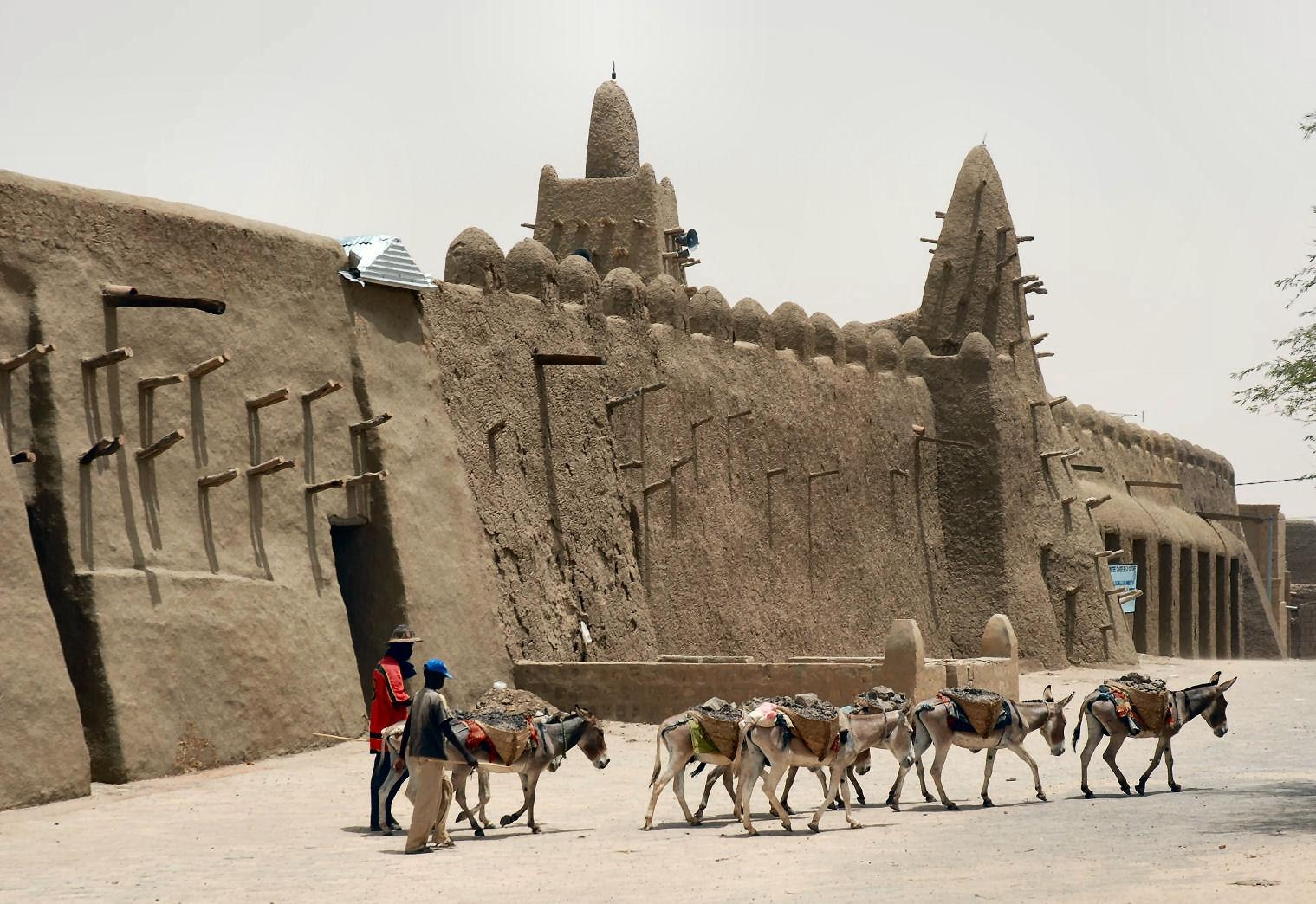

UNESCO records the University of Sankore, 180 Koranic schools and an estimated 25,000 students in the city. Manuscripts were studied, copied and traded, reflecting a scholarly culture that extended beyond the classroom.
In other words, the continent had different forms of education: community-based learning, specialist training and established scholarly institutions. The idea that education arrived with European colonisation simply does not survive contact with the historical record.
When Did a Certificate Become More Valuable Than What You Knew?
European missionary schools existed in parts of Africa before colonial governments expanded formal schooling. Their spread accelerated under colonial rule, although the timing, curriculum and access differed across territories.
They taught literacy and numeracy, often alongside Christian instruction. Colonial administrations later used schooling to prepare some Africans for government and commercial roles.
For African families, these schools offered opportunities. Literacy in a widely used colonial language could help someone become a teacher, clerk or administrator, earn a salary and pursue further education.
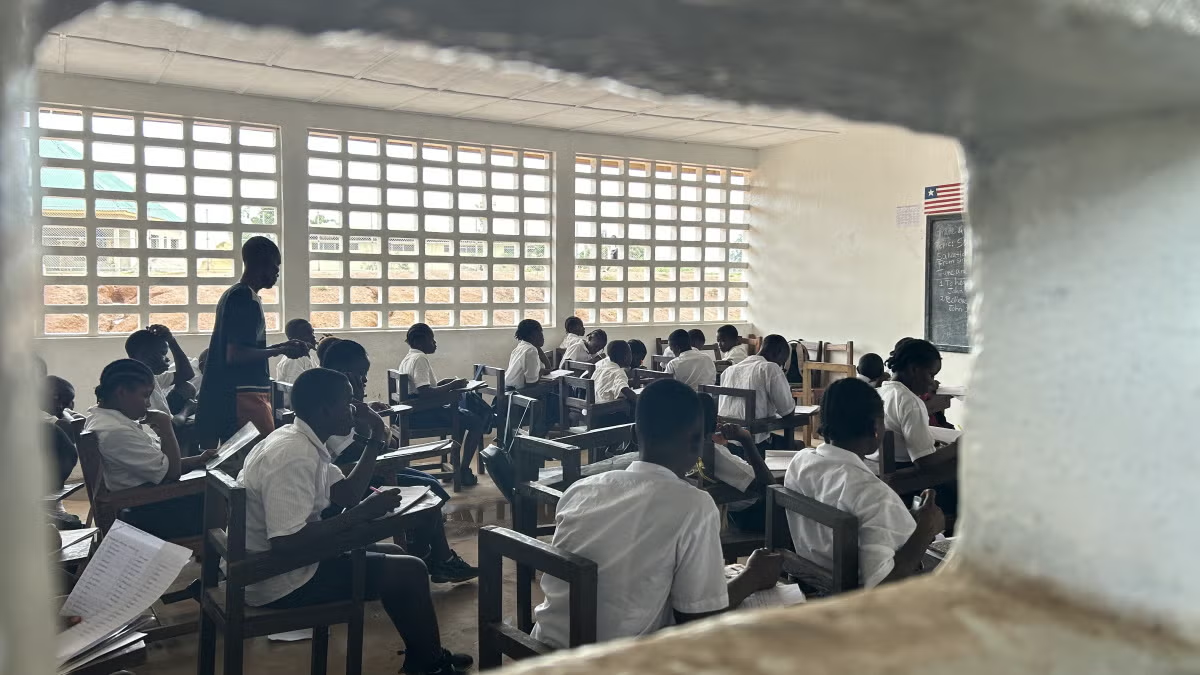
In colonial Ghana, research shows that some families increasingly connected schooling with employment, income and social status, but there was a catch.
Social Insight
Navigate the Rhythms of African Communities
Bold Conversations. Real Impact. True Narratives.
The school curriculum often gave greater authority to European languages, histories and ideas, while local knowledge and African histories received less attention.
In some colonial settings, education was deliberately limited and designed around the needs of the administration rather than equal access to advanced learning.
This changed the social meaning of being educated. A person could possess deep knowledge of farming, construction, healing practices or local history, yet that expertise might not count when employers demanded a school certificate. Meanwhile, the certificate became a passport to jobs and status.
And let’s be fair: parents who pursued formal education were not necessarily rejecting their cultures. They were responding to a system in which schooling increasingly influenced who could get paid work and move forward.
If a certificate could improve a child’s prospects, families had strong reasons to want one.
The problem was not that literacy, science or formal schools were introduced. Those can be valuable. The problem was the hierarchy that developed around knowledge: some ways of learning were treated as modern and legitimate, while others were pushed to the margins.
Did Traditional Education Disappear, or Did We Stop Recognising It?
Look around and parts of these systems are still here.
Social Insight
Navigate the Rhythms of African Communities
Bold Conversations. Real Impact. True Narratives.
Apprenticeships remain central to how many people learn trades. A mechanic does not become skilled by memorising the names of tools alone. A trainee learns by watching, practising, making corrections and gradually handling more complex work.
Tailoring, hairdressing, carpentry and many other occupations still pass knowledge from experienced workers to beginners.
Farmers continue to share knowledge about local soils, crops and seasonal conditions. Families teach languages, histories and customs.
Communities preserve specialised knowledge about food, crafts, music and the environment. They may not look like a school timetable, but they are education.
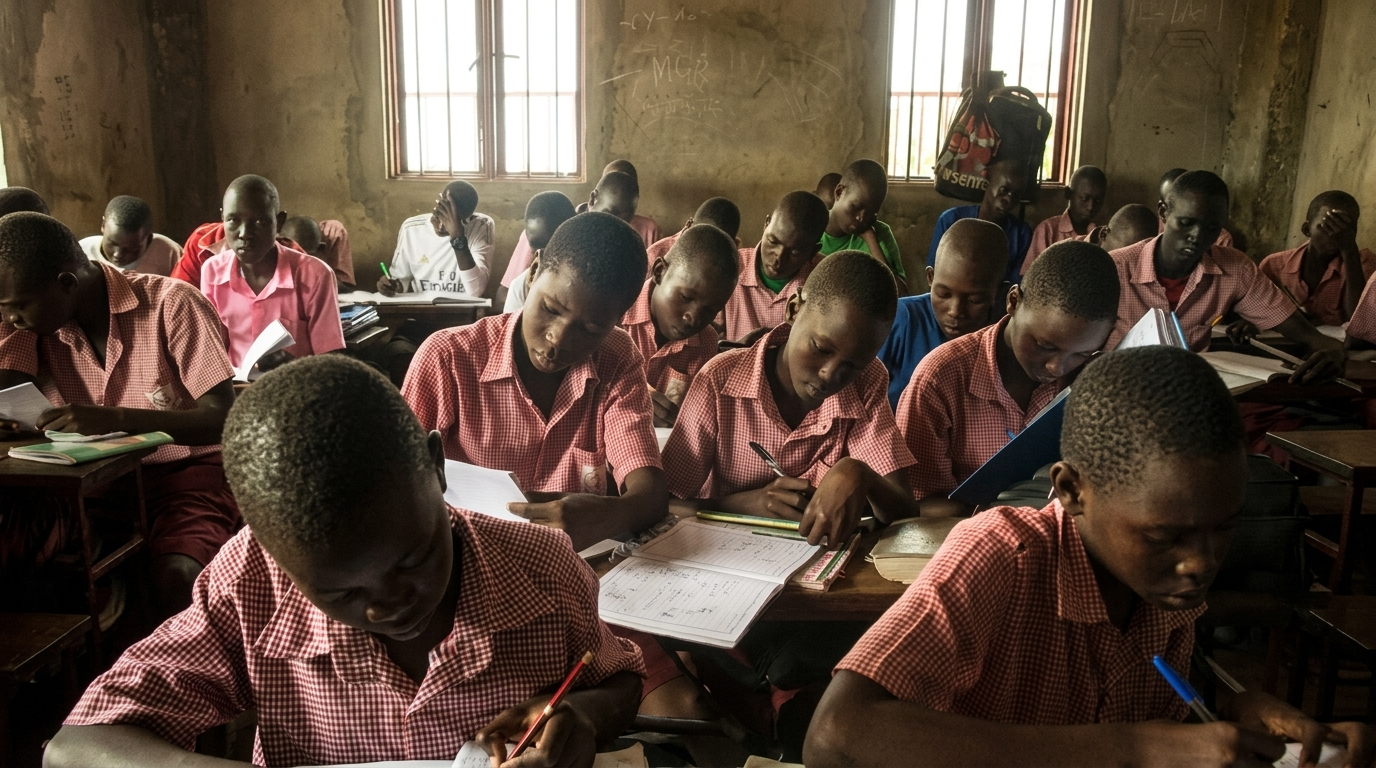
That does not mean everything from the past should return unchanged. Traditional systems could reflect social inequalities, including restrictions based on gender, age or status. Some inherited explanations of the natural world also need to be examined against scientific evidence.
Respecting African knowledge does not require pretending every old practice was fair or correct.
The more useful question is what modern education can learn from these traditions. Schools can teach biology alongside documented local ecological knowledge.
History lessons can give serious attention to African intellectual traditions, not only European explorers and colonial administrators.
Vocational education can recognise that practical expertise takes discipline, time and deep understanding.
Social Insight
Navigate the Rhythms of African Communities
Bold Conversations. Real Impact. True Narratives.
This is not a contest between a laboratory and a farm, or between a university degree and an apprenticeship. A society needs different kinds of knowledge, and students deserve an education that helps them understand both their communities and the wider world.
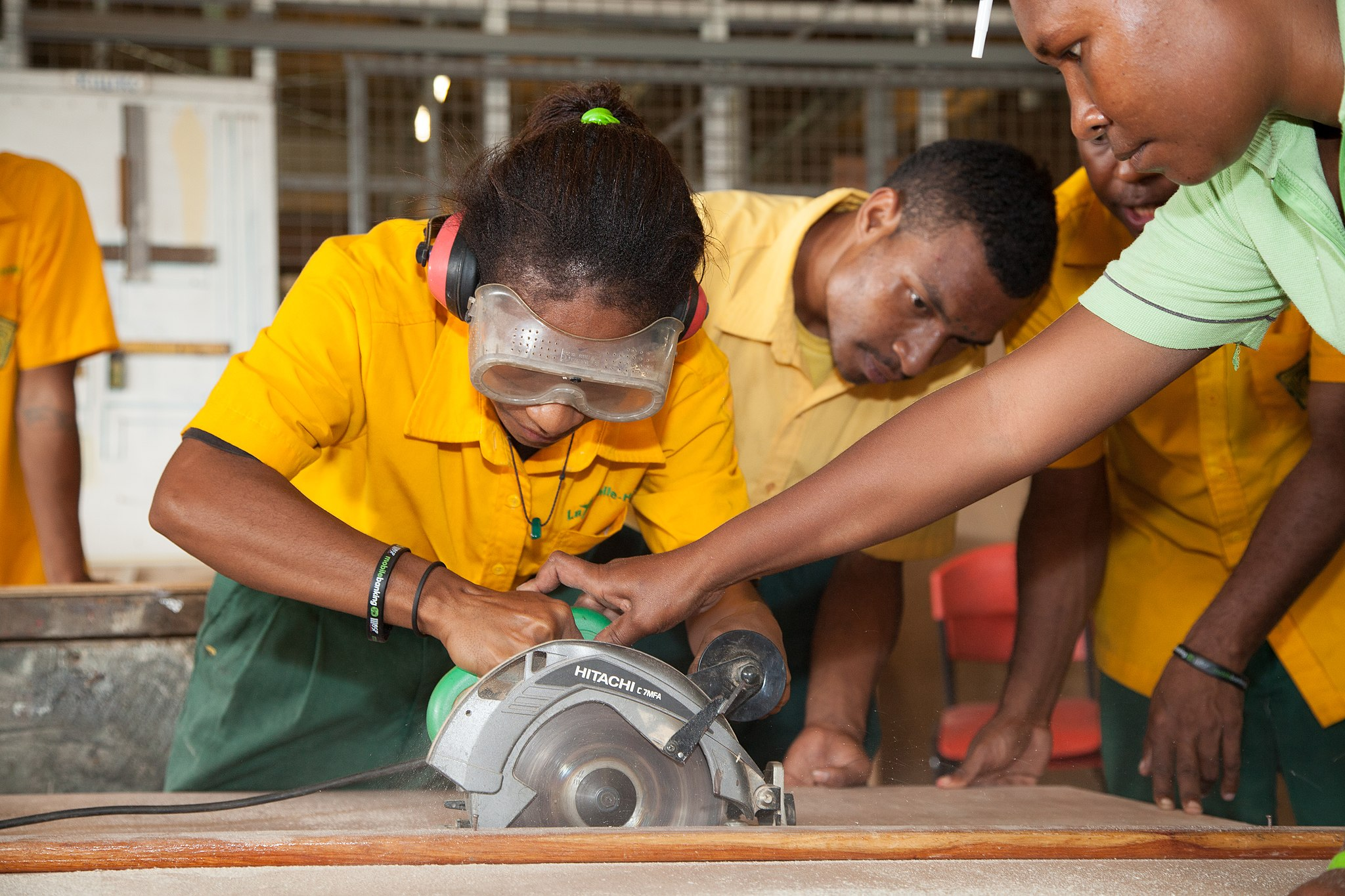
Africa’s traditional education systems did not simply vanish when colonial schools arrived. Many were disrupted, devalued or pushed outside the institutions that decide what counts as formal education.
Others adapted and continued in homes, workshops, farms and communities.
Maybe the real loss was not the classroom replacing the village. It was the idea that only one of them could produce an educated person.