From Running Away From Marriage at 13 to Ending Up on the World's Biggest Runways: The Story Of Waris Dirie
At 13, Waris Dirie fled across the Somali desert to escape an arranged marriage. Years later, she became a supermodel and took her fight against FGM to the world. But how did she get there?
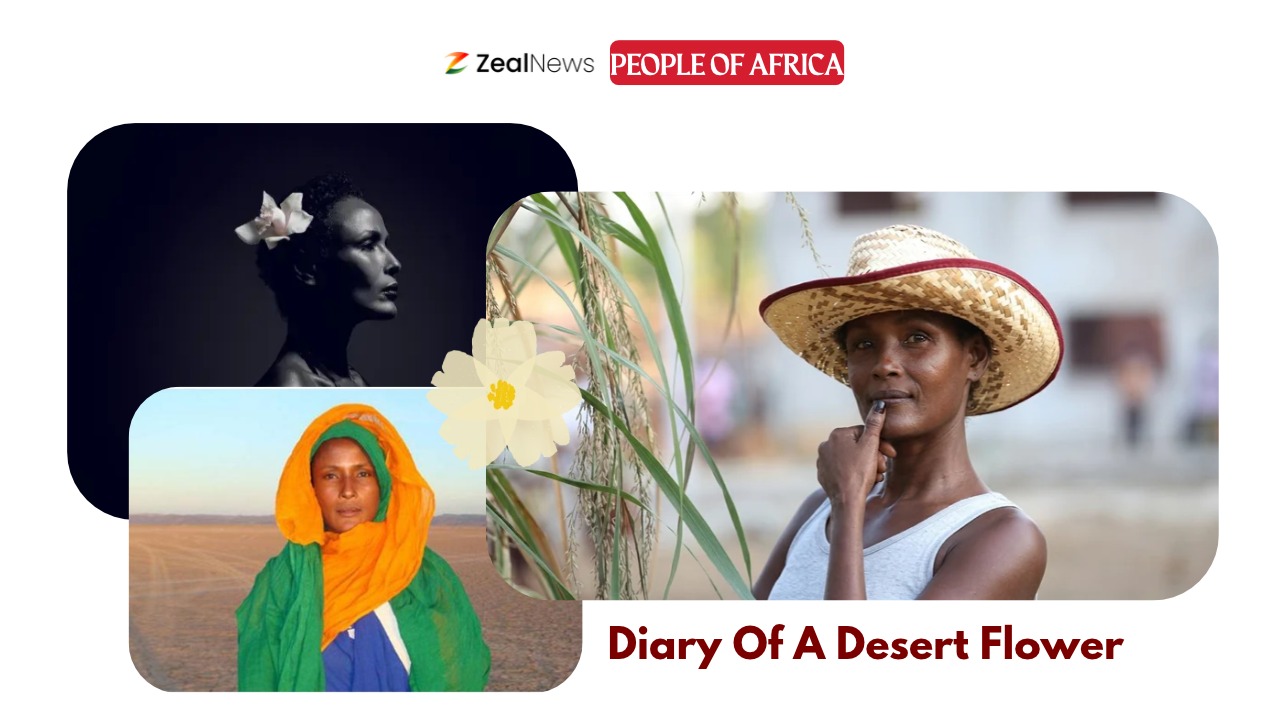
She was 13 years old and realising that her future was already decided. Not by her, but by her father, who has arranged for you to marry a man old enough to be her grandfather.
For many girls, that might sound like the beginning of a life they have no power to change. For Waris Dirie, it became the reason she ran.
Born in 1965 into a nomadic family in Somalia, Dirie would go from tending animals in the desert to appearing on international fashion magazine covers, walking some of the world's biggest runways and becoming a global voice against female genital mutilation (FGM).
What Made a 13-Year-Old Girl Run Across the Desert?
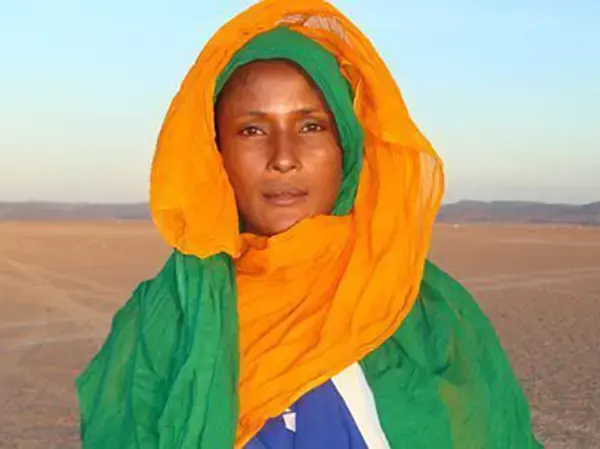
Dirie grew up in a nomadic family, moving through the Somali desert with her parents and siblings. Her name, Waris, means “desert flower”, a fitting name for someone born into a landscape where survival often depends on resilience.
But her childhood was marked by an experience that would shape the rest of her life. At around five years old, she underwent female genital mutilation, a practice she later described publicly as a traumatic experience.
FGM involves procedures that intentionally alter or injure female genital organs for non-medical reasons. It can cause severe pain, infection, long-term health complications and psychological harm.
Then, at 13, another decision was made about her future. Her father arranged for her to marry an older man in exchange for five camels, according to Dirie's own account. She did not want the marriage. So she ran away.
Think about that for a moment. At an age when many teenagers are worrying about school, friendships and what to wear, Dirie was crossing the desert to escape a marriage she had never chosen.
She travelled on foot towards Mogadishu, facing the dangers of the journey before eventually reaching relatives. Later, an uncle who was Somalia's ambassador to Britain took her to London to work as a domestic servant.
From McDonald's to the world's runways
When her uncle was recalled to Somalia, Dirie stayed in London. She had little money and limited English, and eventually found work as a cleaner at McDonald's. It was a far cry from the life she had left behind, but she was determined to remain in control of her future.

Her modelling career soon gathered pace. She worked with major fashion houses and cosmetics brands, including Chanel, Revlon and L'Oréal, and became one of the first African models to secure a major international cosmetics contract.
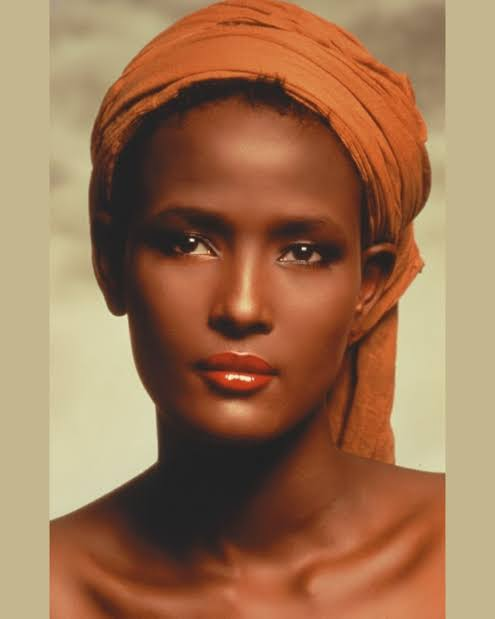
The contrast was striking: a young woman who had once been expected to disappear into a marriage was now appearing before millions.
Dirie's life changed when she was around 18. English fashion photographer Terence Donovan noticed her and helped launch her modelling career. She appeared in the 1987 Pirelli calendar alongside Naomi Campbell and began attracting international attention.
She also stepped into film, appearing as a Bond girl in the 1987 James Bond movie The Living Daylights, starring Timothy Dalton.
In fact, the more famous she became, the more difficult it was for her to ignore the experience she had kept private for years.
At the height of her modelling career, Dirie made a decision that would change the direction of her public life. In 1997, she spoke openly about having undergone FGM during an interview with journalist Laura Ziv for Marie Claire.
She also discussed her experience in an interview with American television journalist Barbara Walters.
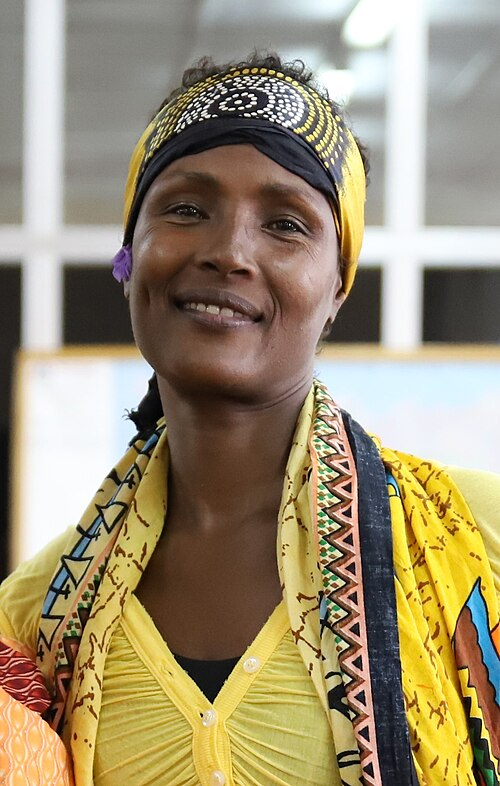
Why Did She Walk Away From Fame to Fight FGM?
In 1997, she was appointed a United Nations Special Ambassador in the fight against female genital mutilation. That same year, she published her autobiography, Desert Flower.
In 2002, she founded the Waris Dirie Foundation, later renamed the Desert Flower Foundation. Its work focuses on preventing FGM, educating communities and supporting women affected by the practice, including through medical care.
The Desert Flower Foundation, established in Vienna, supports prevention and education programmes and works to improve care for women affected by FGM.
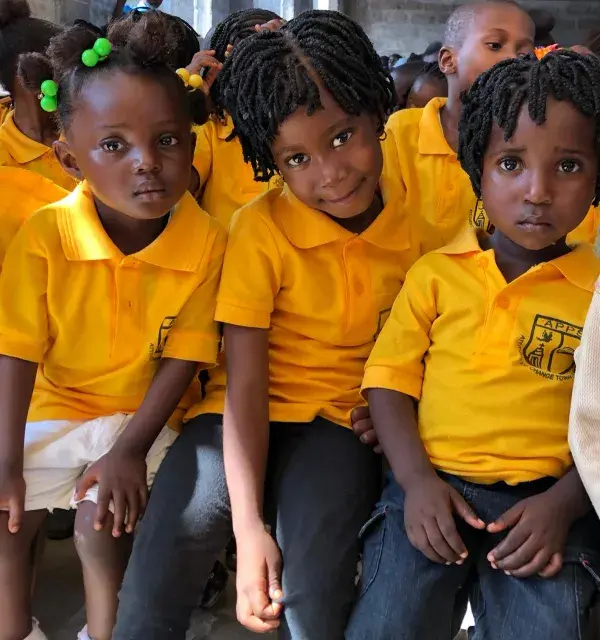
The organisation also supports projects that help girls access education. Dirie's activism has never been only about telling her own story; it has been about changing what happens to the next generation.
Her autobiography was later adapted into the 2009 film Desert Flower, bringing her story to an even wider audience.
But the most important part of her work is not the number of awards on a shelf or the number of magazine covers she appeared on. It is the decision to speak about something deeply painful because other girls were still at risk of experiencing it.
What Does Waris Dirie's Story Mean for Girls Today?
Female genital mutilation is not a practice limited to Somalia, nor is it required by any religion. It is rooted in social and cultural expectations that vary between communities, and it continues to affect girls and women in different parts of the world.
Dirie's story has helped bring international attention to the issue, but the fight is far from over. There is also something important about how we tell her story. It is easy to focus only on the little girl who suffered, the teenager who ran away or the model who became famous.
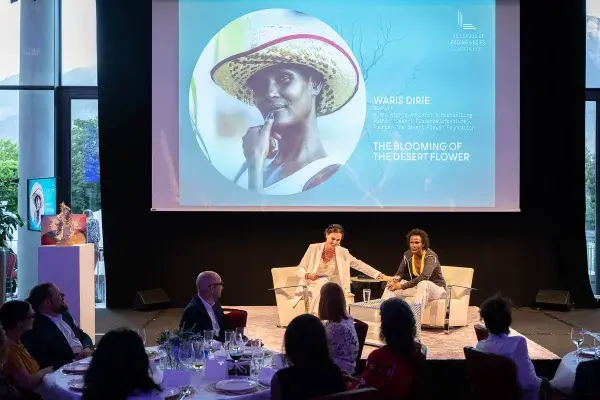
But Waris Dirie is all those things and more. She is an author, a mother, an activist and a woman who has spent decades insisting that girls should have control over their own bodies and futures.
Her journey from the Somali desert to the world's runways is extraordinary. Yet perhaps her greatest achievement is what she did with the attention she received.
She could have allowed the world to remember her simply as a beautiful face in a fashion campaign. Instead, she gave that face a voice, and used it to speak for girls who were still waiting for someone to listen.
She is indeed a desert flower!