What Does Health Insurance Actually Do for the Average Nigerian?
Nigeria’s health insurance coverage remains below 10% despite the NHIA Act. Lagos leads other states, but millions of Nigerians still pay for healthcare out of pocket.
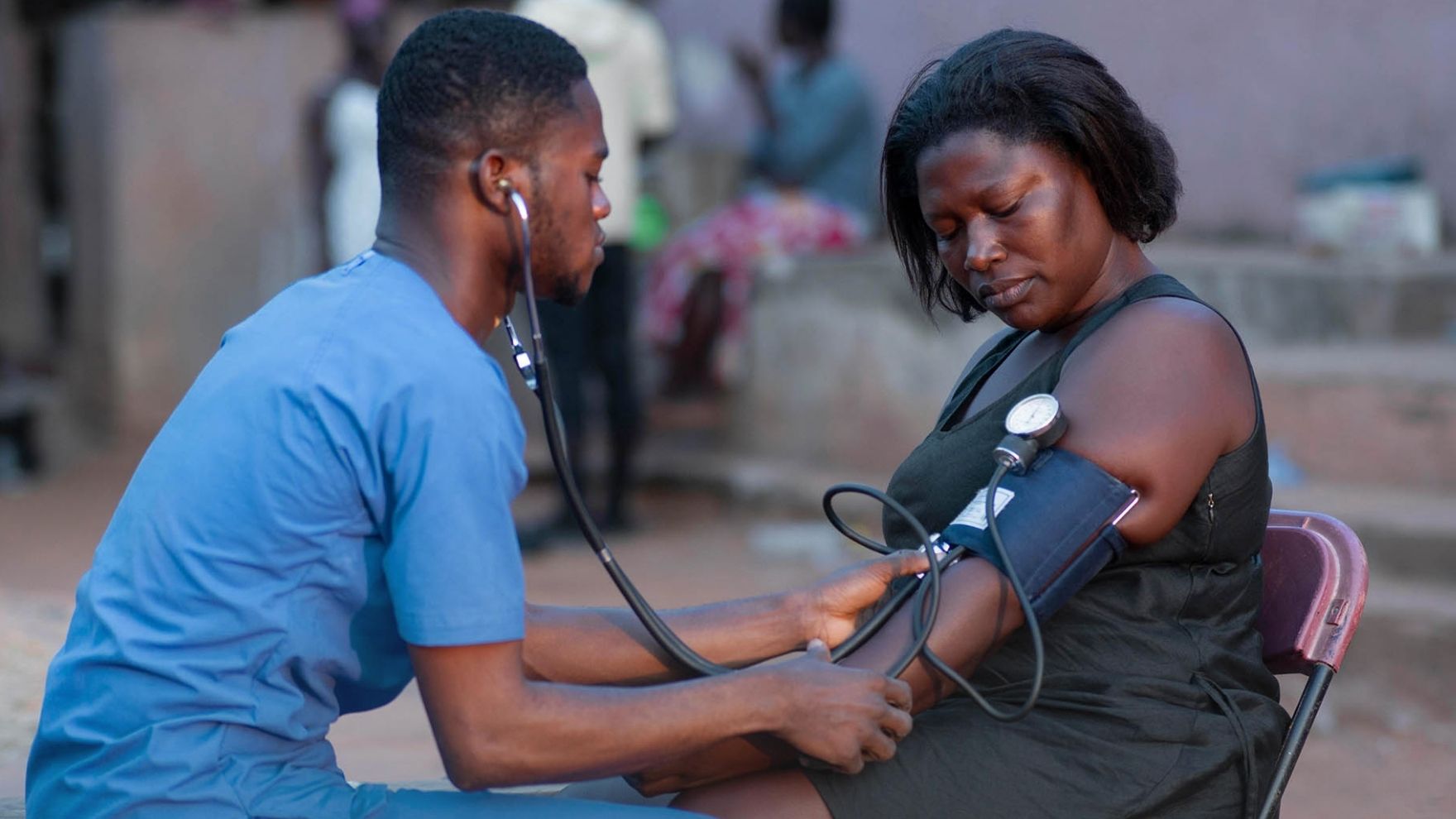
Nigerian families still pay for it out of pocket.
Those direct payments make up about 71% of all health spending in Nigeria. Health insurance was meant to change that. Has it?
What Is Health Insurance in Nigeria and How Does It Work?
Health insurance is a prepayment system. You, your employer or the government pays a premium, and a Health Maintenance Organisation (HMO) or state agency pays accredited hospitals when you need care.
The National Health Insurance Authority (NHIA) Act of 2022 made enrolment mandatory for all Nigerians and legal residents. That sounds like universal coverage on paper, but in practice, it is nowhere close.
Usually, a good plan covers consultations, lab tests, prescribed drugs, surgeries, antenatal care and delivery. Through the Basic Health Care Provision Fund (BHCPF), vulnerable Nigerians can enrol for free.
One hospital admission has the ability to wipe out months of income, and insurance turns that shock into a small, predictable cost.
How Effective Is Health Insurance in Lagos?
Lagos is the closest thing Nigeria has to a working example. Through the Lagos State Health Management Agency (LASHMA) and its Ilera Eko plan, the state had over 2.7 million people enrolled across all schemes by the end of 2025, second only to Delta State.
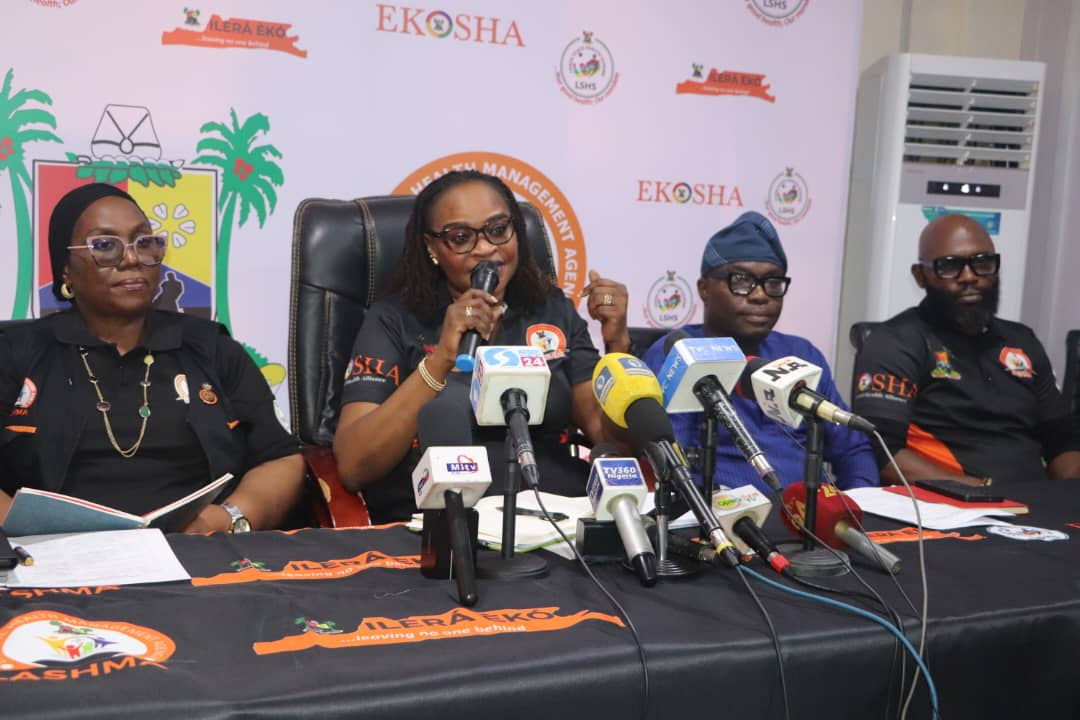
Digital enrolment, private hospital partnerships and mobile centres helped it reach informal workers.
Still, enrolment is not the same as protection. In a megacity of well over 10 million residents, most people remain uninsured, and plans come with benefit caps, exclusions and referral rules that limit what they actually cover.
Health Insurance Coverage by State: A Wide Gap
Lagos is the exception. Delta and Lagos alone account for about 26% of all enrollees nationwide. Only 14 states, including the FCT, sit above the national average, while 22 fall below it.
Zamfara has recorded coverage as low as 0.2%, and Taraba had just 213,935 enrollees at the end of 2025. Most states do have a scheme, but one that barely reaches anyone changes very little for the people living there.
The NHIA says 23.06 million people were enrolled by the second quarter of 2026, up from 16.2 million in late 2023.

That is progress, but it still means roughly one in ten Nigerians is covered. Private HMOs account for only about 1.8 million of those lives.
Where Nigeria’s Health Insurance Policy Falls Short
There is weak enforcement. Even when the mandate exists, the coverage has stayed below 10% two decades after the scheme launched in 2005.
There is also the informal sector problem. Most Nigerians earn irregular income, and with health inflation at 28.62% in February 2026, premiums are hard to prioritise.
There are tariff disputes. The NHIA has raised service tariffs, but providers still want a review, and low reimbursement can push hospitals to cut corners.
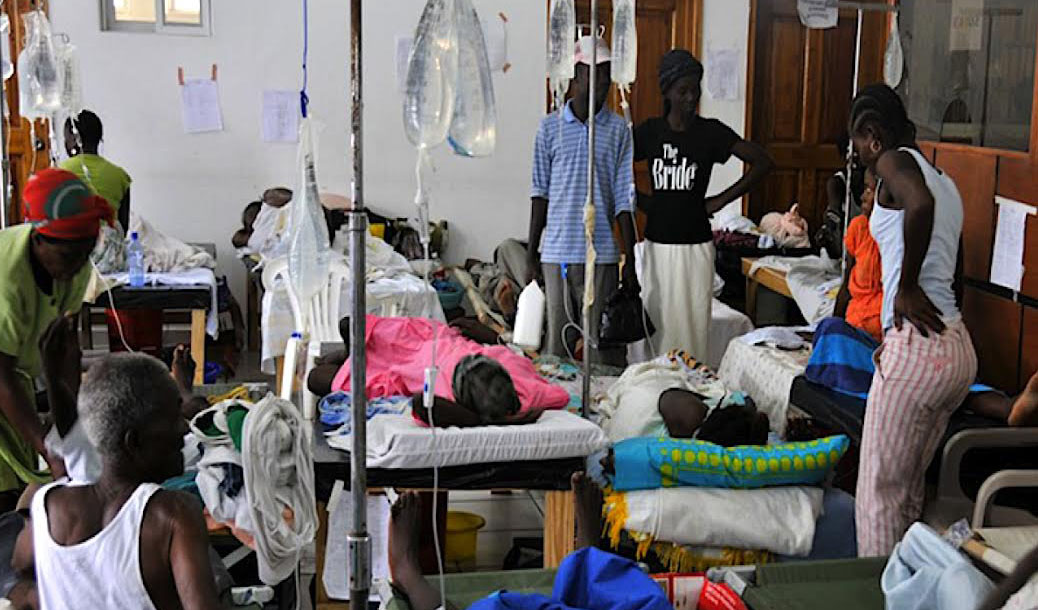
Lastly, there are hollow facilities. A card means little if the nearest primary health centre has no staff, drugs or electricity, and health worker shortages still hurt service delivery.
Can Nigeria Reach 40 Percent Health Insurance Coverage by 2031?
The federal government now targets 40% coverage, 90% functional primary health centres and out-of-pocket spending below 50% by 2031.
However, 40% means enrolling more than 60 million additional people in under five years, and quarterly BHCPF funding for 17,600 centres is still only a target. Officials themselves admit that under-five and neonatal mortality remain far from target.
How to Get More From Your Health Insurance
If you are enrolled or planning to enrol, confirm that your preferred hospital is accredited, read the benefit package for exclusions, and ask whether you qualify for free enrolment through BHCPF or your state scheme.
Keep your policy details handy and report any hospital that refuses to honour valid cover.
Is Health Insurance Worth It in Nigeria?
It is worth it where it works, and that is the problem. In Lagos, insurance can mean the difference between a manageable hospital bill and selling property to pay one. Where schemes barely reach people, it may mean very little.
Insurance only protects people when three things exist together: funding that reaches facilities, enforcement that brings people in, and hospitals that can actually treat them. Nigeria has built the law and the targets. It has not yet built the reliability.
Until the average Nigerian outside Lagos can walk into a clinic and be treated on the strength of a card, coverage figures will remain a statistic, and out-of-pocket spending will remain the real health system.