Veneers Look Good Online, But What Do They Actually Do to Your Teeth?
Veneers are everywhere, but before you book that appointment, here's what they actually do to your teeth, why the long-term cost is higher than you think, and what to do instead.
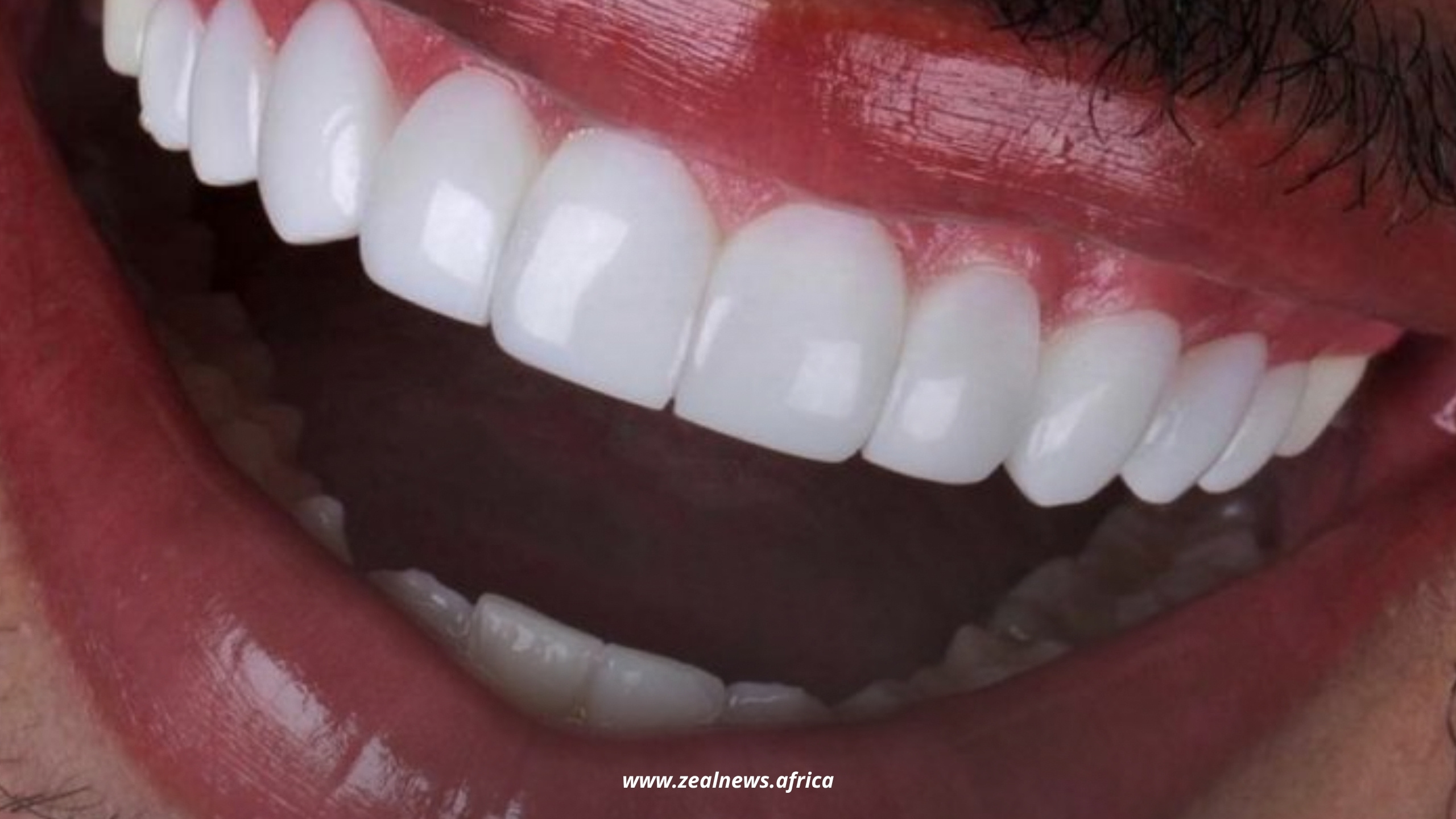
Somewhere between 2019 and now, everyone's teeth got suspiciously perfect. Not the “I brush my teeth 3 times a day” perfect but rather “bathroom tiles” perfect.
It looks disturbingly, uniformly and slightly-too-white. If you have been on Instagram or TikTok in the last five years, you know exactly the teeth I am talking about.
The Veneer Era Is Upon Us
Veneers have existed since the 1920s, when a Hollywood dentist invented temporary tooth covers for actors who needed better-looking smiles on camera.
They were never meant to be permanent and mainly for props. Somewhere along the way, the beauty industry forgot that part.
The modern veneer boom is a product of a very specific cultural image that stems from reality TV, Instagram filters and the general pressure to look polished at all times.
In Africa, the trend accelerated around 2020, as more celebrities, and then their fans, and then random people, started showing up to events with blindingly white, perfectly identical teeth.
Turkish dental tourism didn't help. Getting veneers in Istanbul became a whole personality. People flew there for "holidays" and came back looking like they had swallowed a strand of LED lights.
What Actually Happens at the Dentist's Chair?
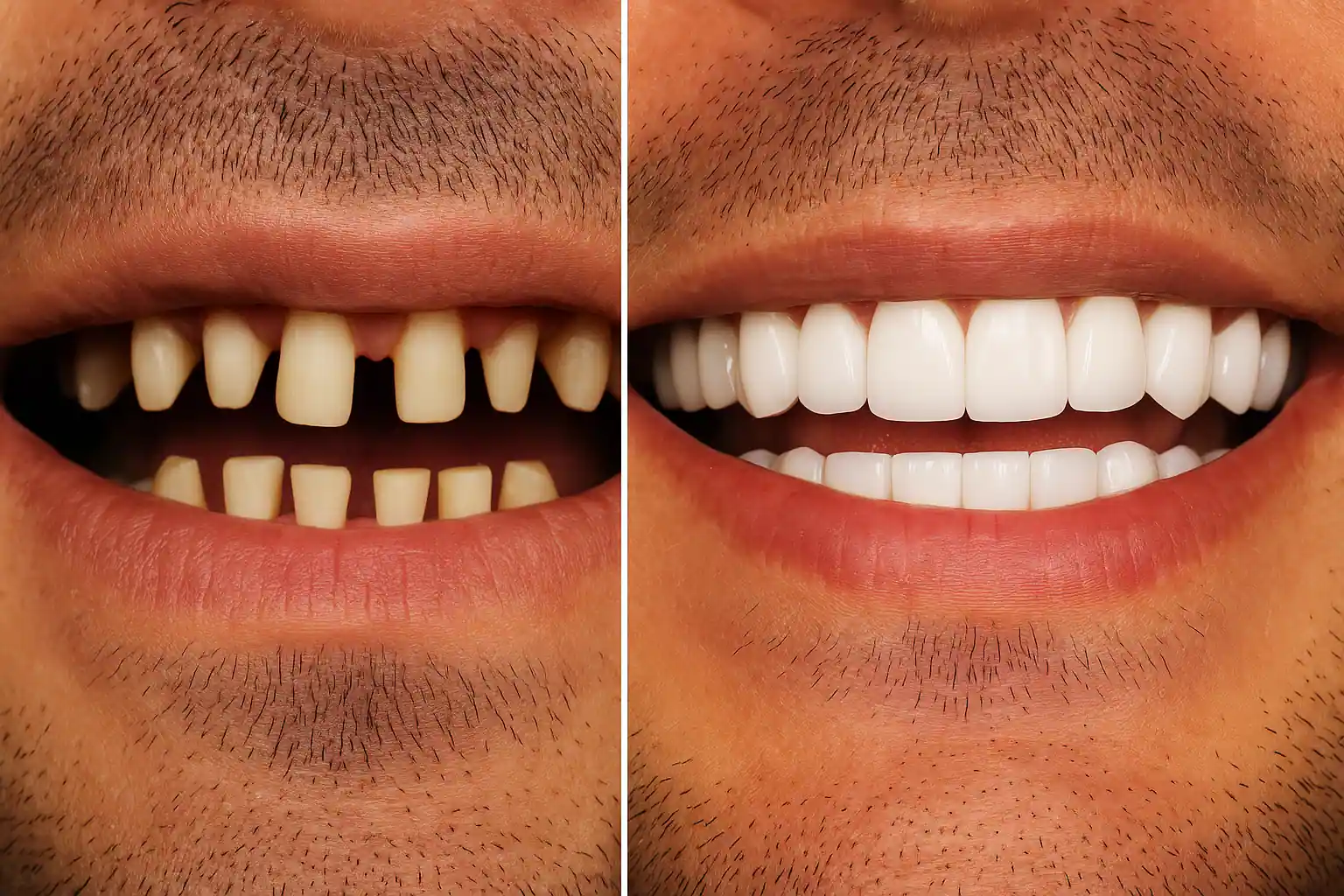
To place veneers, your dentist has to shave down your natural teeth.
A significant portion of the enamel, the hard, protective outer layer of your tooth, is shaved off so the veneer shell can bond to the surface. For traditional porcelain veneers, you are looking at about 0.5 to 0.7 millimetres of enamel removed.
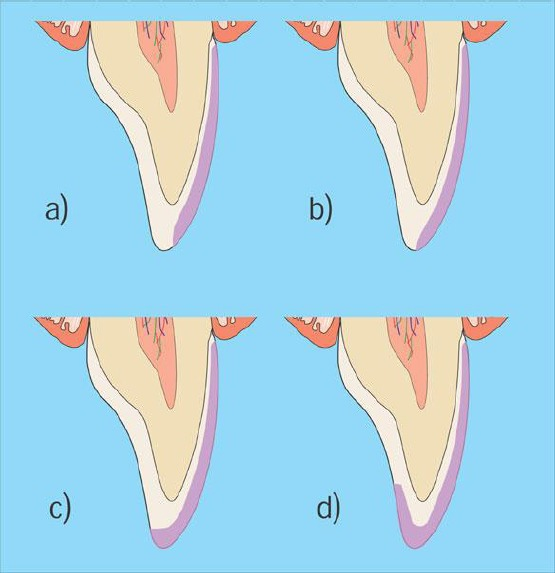
It doesn't sound like much but the thing is enamel doesn't grow back, ever.
It is not like a nail or a haircut. Once it is gone, your natural teeth are permanently compromised. You are now, for the rest of your life, a person who needs veneers, or some other dental covering, to protect those teeth.
Congratulations. You have made yourself a customer forever.
The Long Game Nobody Talks About
Veneers are typically marketed with a 10–15 year lifespan. After that, they need to be replaced, which means more shaving, more bonding, more money.
Research published in the Journal of Prosthetic Dentistry found that teeth with minimal remaining enamel are more vulnerable to sensitivity, microfractures and decay over time.
When it comes to the case of sensitivity, almost everyone who gets traditional veneers reports heightened sensitivity post-procedure.
Some of it fades. A lot of it doesn't.
Cases Where Veneers Actually Make Sense
Veneers aren't inherently bad, but they have just aggressively oversold. There are legitimate cases where they are the right call.
Cases like severely chipped or cracked teeth that can't be restored with bonding, significant discolouration that doesn't respond to whitening treatments (fluorosis, for instance), minor alignment issues where orthodontics isn't viable, or teeth worn down by chronic grinding.
If you are in any of those categories, veneers can genuinely improve your quality of life. The issue is that most people currently getting them are not in those categories.

They just want prettier teeth, which is valid, but there are far less destructive ways to get there.
Before You Book that Appointment
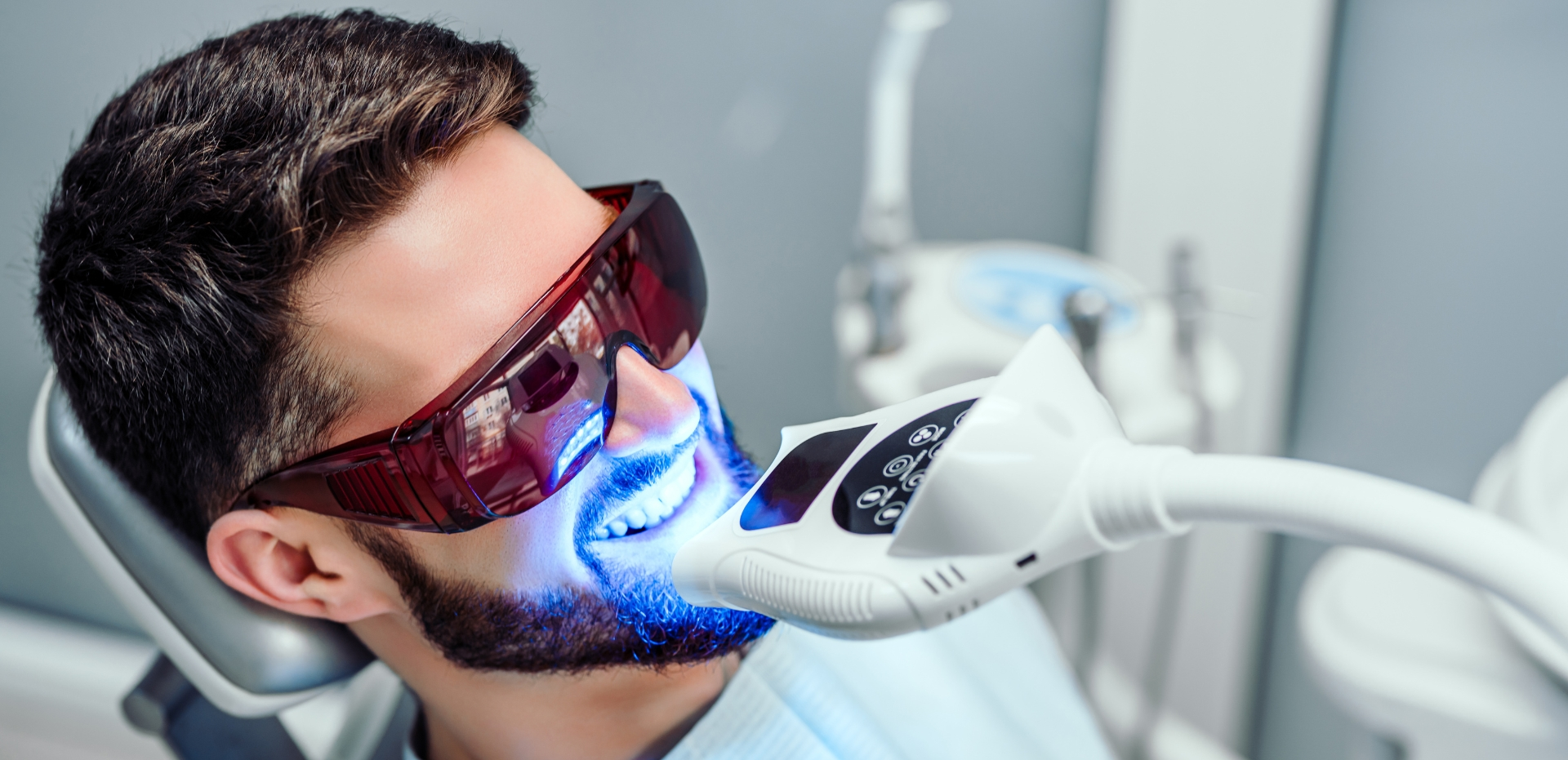
If your concern is colour, go for professional whitening, whether in-office or prescribed take-home trays; it can make your teeth several shades lighter without touching your enamel.
If your concern is shape or chips, go for composite bonding. The dentist applies tooth-coloured resin to reshape or repair a tooth with minimal to no shaving. It is largely reversible and cheaper.
If your concern is alignment,clear alignershave become widely accessible and address mild to moderate crowding without permanence.
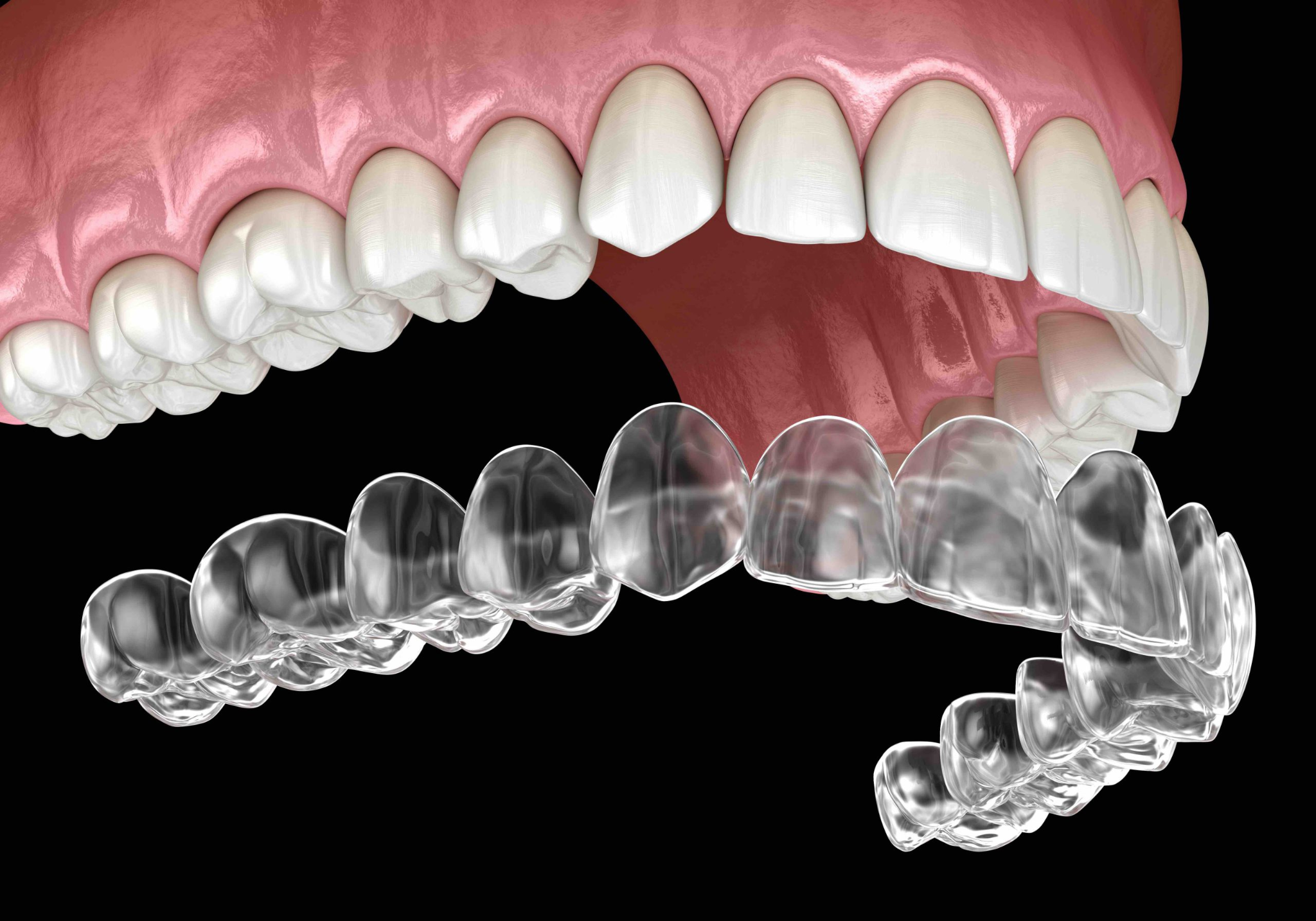
And just to be clear, veneers will not fix alignment. They will cover it, temporarily.
The Smile Is Yours — Eventually
Veneers are a cosmetic choice with permanent structural consequences. The internet sells you the result; nobody shows you the follow-up appointments, the creeping sensitivity, the replacement cycles, or the dentist's expression when your prepped teeth come back in at 55 looking rough.
Your natural teeth, imperfect as they are, will outlast any trend. Maybe even this horse-teeth, piano-keys-teeth era.