Tim Cook Is Stepping Down as Apple CEO. What Did He Actually Build In 15 Years?
Apple's market value grew from $350 billion to $4 trillion under Tim Cook. Now he is handing over to hardware chief John Ternus at a moment when Apple faces its biggest competitive pressure in years. What is the full story?
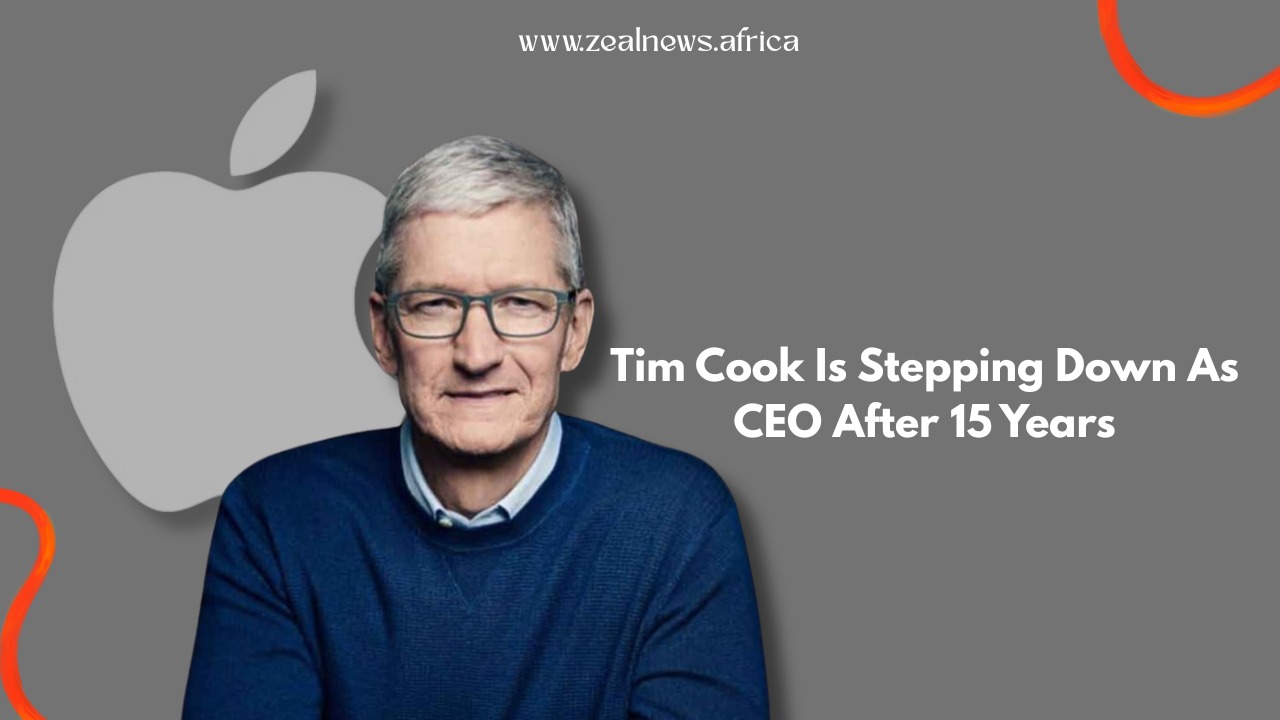
Tim Cook announced on Monday that he is stepping down as Apple's Chief Executive Officer, ending one of the most consequential runs in corporate history. John Ternus, Apple's senior vice president of Hardware Engineering, will become Apple's next CEO effective September 1, 2026.
Cook will transition to executive chairman of Apple's board of directors, where he will remain involved in the company, particularly engaging with policymakers around the world.
The transition was not a surprise to those paying attention. What is worth examining is what Tim Cook is actually leaving behind, and what John Ternus is walking into.
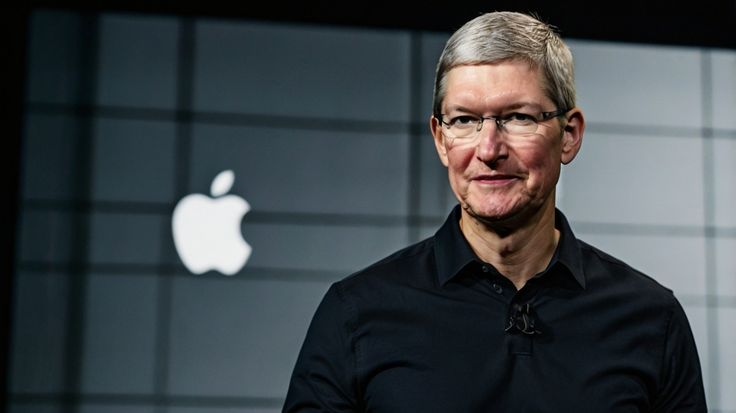
The Numbers First
Under Cook's leadership, Apple's market capitalisation grew from approximately $350 billion to $4 trillion, and annual revenue rose from $108 billion to over $416 billion.
Those are not incremental gains. That is a more than tenfold increase in market value over 15 years, built on the back of products that did not exist when Cook took the job, supply chains that were redesigned from scratch, and a services business that turned Apple from a hardware company into something far more durable and defensible.
Cook took over Apple in August 2011 in circumstances that would have broken most executives. Steve Jobs died of pancreatic cancerjust six weeks after formally handing off the job, and Cook inherited a company that many industry watchers and enthusiasts struggled to separate from its famed founder.
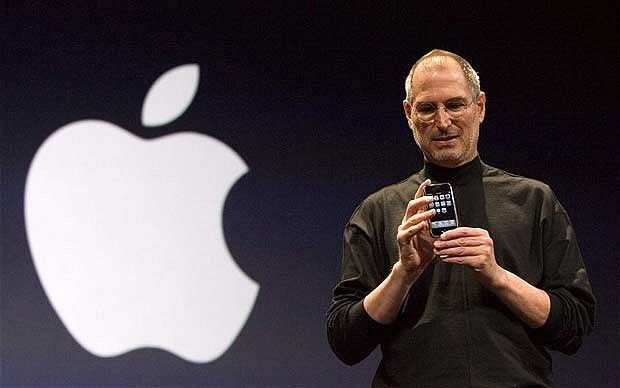
The question hanging over him from day one was whether Apple could survive without Steve Jobs. Fifteen years later, the question has been comprehensively answered.
What Tim Cook Actually Built, Or Let’s Say ‘Cooked’
The popular narrative about Cook frames him as the operational counterweight to Jobs' creative genius. That framing undersells what he actually did.
Before joining Apple, Cook spent 12 years at IBM managing North American fulfillment, then held key roles at Intelligent Electronics and Compaq, where he honed the logistics and "Just In Time" production strategies that later revolutionised Apple's supply chain.
When he became CEO, he applied that same discipline to building an entirely new category of business.
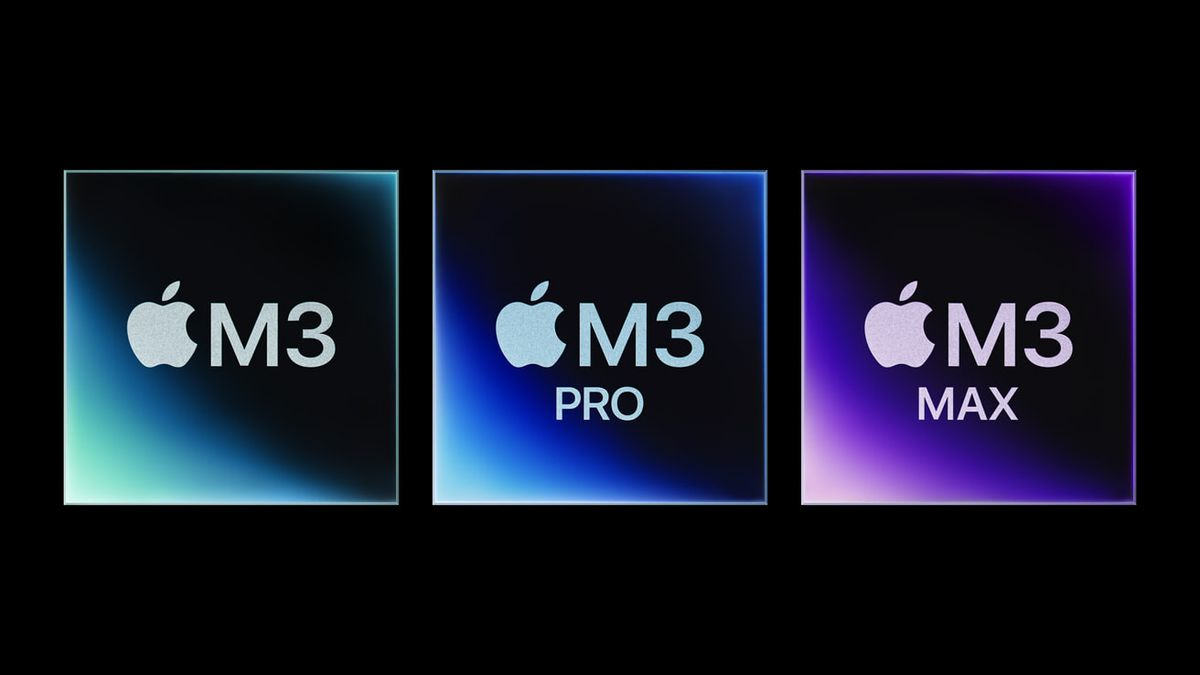
Under Cook, Apple launched the Apple Watch, AirPods, Apple Pay, and Apple Vision Pro. It built Apple Silicon, the M-series chips that transformed Mac performance and redrew the boundaries of what personal computing could do.
It built a services business spanning the App Store, Apple Music, Apple TV+, Apple Arcade, and iCloud that now generates tens of billions of dollars annually and insulates the company from the natural cycles of hardware sales.
Cook also steered Apple's relationship with the Trump administration during both presidential terms, most recently pledging to invest $600 billion in expanding Apple's US footprint after facing pressure from the president to manufacture iPhones domestically.
He navigated Apple through the COVID-19 pandemic, making swift decisions about retail stores and China-based supply chains; Apple was one of the first companies to close its global retail stores in the early days of the pandemic.
Who Is John Ternus?
Latest Tech News
Decode Africa's Digital Transformation
From Startups to Fintech Hubs - We Cover It All.
John Ternus received a Bachelor of Science in Engineering with a major in mechanical engineering from the University of Pennsylvania in 1997. While at Penn, he competed on the men's swimming team.
For his senior project, he developed a mechanical feeding arm operable by individuals with quadriplegia using head movements. That detail is not trivial; it points to an engineer whose early instinct was to solve problems for people who needed solutions most.
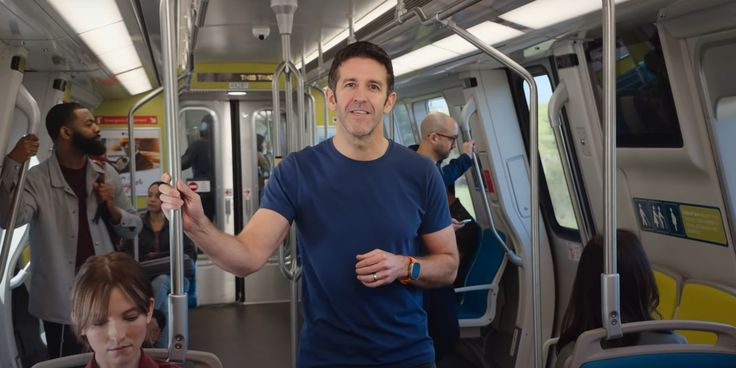
Ternus joined Apple's product design team in 2001 and became a vice president of Hardware Engineering in 2013. He joined the executive team in 2021 as senior vice president of Hardware Engineering.
Throughout his tenure, he has overseen hardware engineering work on a variety of groundbreaking products across every category, and was instrumental in the introduction of multiple new product lines including iPad and AirPods.
Bloomberg News described Ternus as "charismatic and well-liked" and the youngest member of Apple's executive team. He is 50 years old, the same age Cook was when he became CEO. The parallel is not accidental.
Conclusion

Cook spent his first years at Apple being compared unfavourably to Steve Jobs. He ended them having built the most valuable company in the history of capitalism.
Ternus will face his own version of that comparison. The question is not whether he can run Apple. The question is whether he can run Apple through the most important technological transition of the next decade.
September 1 is when we find out.