Kenya Court Blocks US Ebola Quarantine Facility, But The Government Is Opening It Anyway
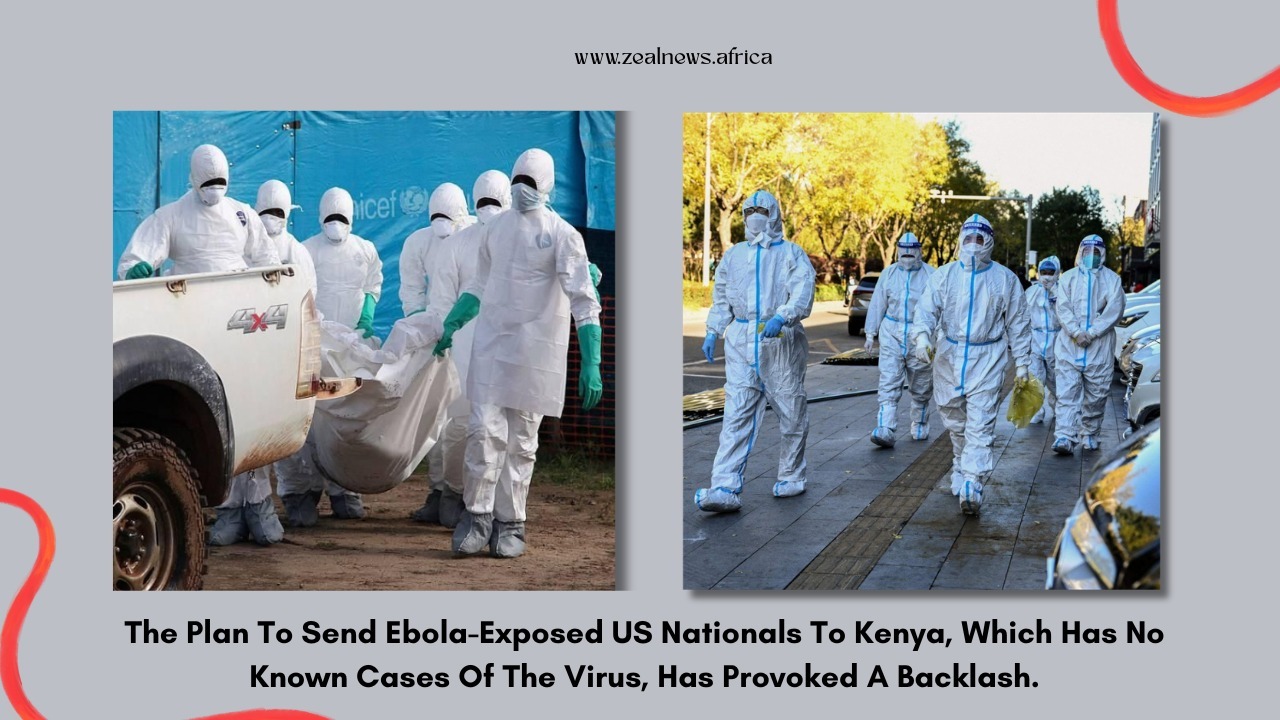
The plan to send Ebola-exposed US nationals to Kenya, which has no known cases of the virus, has provoked a backlash. A Kenyan court blocked the opening of a US-built Ebola quarantine facility at a military base near Nairobi. What is all this about?
A Kenyan High Court temporarily halted the planned opening of a United States-built Ebola quarantine facility at Laikipia Air Base on Friday, May 29, 2026, after a constitutional rights group filed an emergency petition arguing the arrangement had been negotiated in secret and without parliamentary oversight.
The facility, which was due to open that same Friday, had been built by the US military at Laikipia Air Base, approximately 200 kilometres north of Nairobi. It was designed to hold 50 isolation beds for American nationals arriving from the Democratic Republic of Congo, which is currently experiencing the second-largest Ebola outbreak ever recorded.
US medical staff from the Public Health Service, a uniformed branch of the Department of Health and Human Services, were set to manage the facility.
Kenya has no confirmed Ebola cases.
High Court Judge Patricia Nyaundi issued a conservatory order prohibiting the Kenyan government from establishing or operating any Ebola-related facility under agreements with the United States or any other foreign government.
The order also barred Kenya from admitting anyone infected with or exposed to Ebola pending the outcome of the case. The Kenyan government has 48 hours to respond to the petition. A mention date has been set for June 2.
Despite the court order, Kenya's government moved to push ahead with the arrangement, pressing forward with plans to open the facility at the military installation in partnership with the United States.
What the Facility Was Designed to Do
US officials confirmed on Thursday, May 28, that the Trump administration had been in discussions with Kenyan President, William Ruto about the establishment of the quarantine centre and that Kenyan authorities had given forward approval for the project.
US Secretary of State Marco Rubio spoke to Ruto by telephone on Thursday and separately announced that Washington intended to commit $13.5 million towards Kenya's Ebola preparedness efforts.
Rubio did not publicly confirm details of the quarantine arrangement during his public statements. US officials provided those details separately to journalists.
The facility was not designed as a long-term treatment centre. Americans arriving from the DRC who had been potentially exposed to Ebola would be held in isolation there until they could be transported to specialised treatment centres in Europe.
Patients who developed symptoms before transfer would be treated with monoclonal antibodies and the antiviral remdesivir, which is not formally approved to treat Ebola but is commonly used off-label.
Rubio stated publicly that Washington would not allow any Ebola cases on US soil, a position that shaped the decision to quarantine American nationals outside the United States rather than repatriating them directly.
US public health officials working at the Centers for Disease Control and Prevention criticised the arrangement internally, with one emergency physician accusing the Trump administration of discriminating against American citizens by refusing to bring them home for treatment.
The Legal Challenge
The Katiba Institute, a Kenyan civil society organisation focused on constitutional issues, filed the petition that triggered Friday's court order. The group argued that the secretive and unilateral establishment of the facility raised grave constitutional concerns regarding the rights to life, health, fair administrative action, public participation, and parliamentary oversight.
Nora Mbagathi, executive director of the Katiba Institute, said the case was fundamentally about preserving constitutional accountability and ensuring that no government may place expediency above the lives and safety of the people of Kenya.
The petition also asked the court to require Kenya's Health Ministry to present a contingency plan for the country's Ebola preparedness and to disclose the full terms of the agreement with the United States.

Kenya's health ministry said it was willing to work with other countries on health matters but did not directly address questions about the facility's terms or the basis on which it proceeded without public disclosure.
The Kenya Medical Practitioners, Pharmacists and Dentists Union condemned the arrangement, describing it as the government trading the lives of its citizens for foreign aid. The union threatened industrial action if negotiations over the facility were not made public.
Kenya signed a health cooperation agreement with the United States in December 2025. That agreement is currently being separately challenged in court. The Ebola facility arrangement emerged from the broader partnership established under that deal.
The Outbreak Behind the Decision
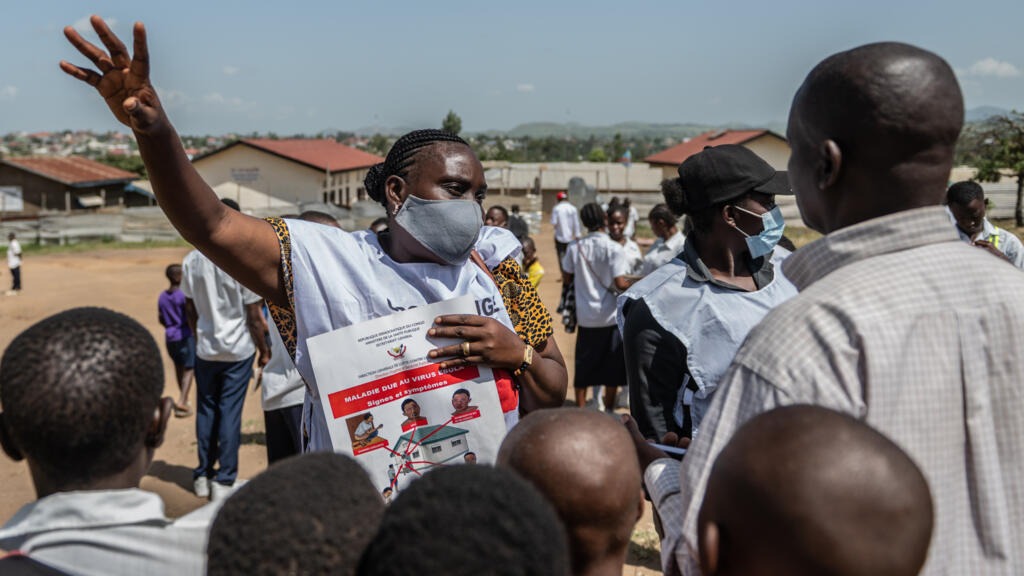
The Ebola outbreak in the DRC and Uganda has killed more than 250 people and infected over 1,000, making it the second largest outbreak of the virus ever recorded, according to data from the US Centers for Disease Control and Prevention. Twelve countries have imposed travel restrictions to limit cross-border spread.
Jean Kaseya, Director General of the Africa Centers for Disease Control and Prevention, described the risk of regional spillover as very high and warned that failure to contain the outbreak now would be catastrophic. African nations and international partners have pledged approximately $498.8 million in a coordinated financial response to the crisis.
There are no Ebola cases in the United States associated with the current outbreak. The CDC says the risk to the general US public remains low.