India turns to Africa’s top oil producers amid Strait of Hormuz supply risks
India is increasing crude oil imports from Nigeria and Angola as tensions around the Strait of Hormuz raise supply concerns. The shift highlights a broader push to secure alternative oil sources and reduce dependence on Middle Eastern routes.
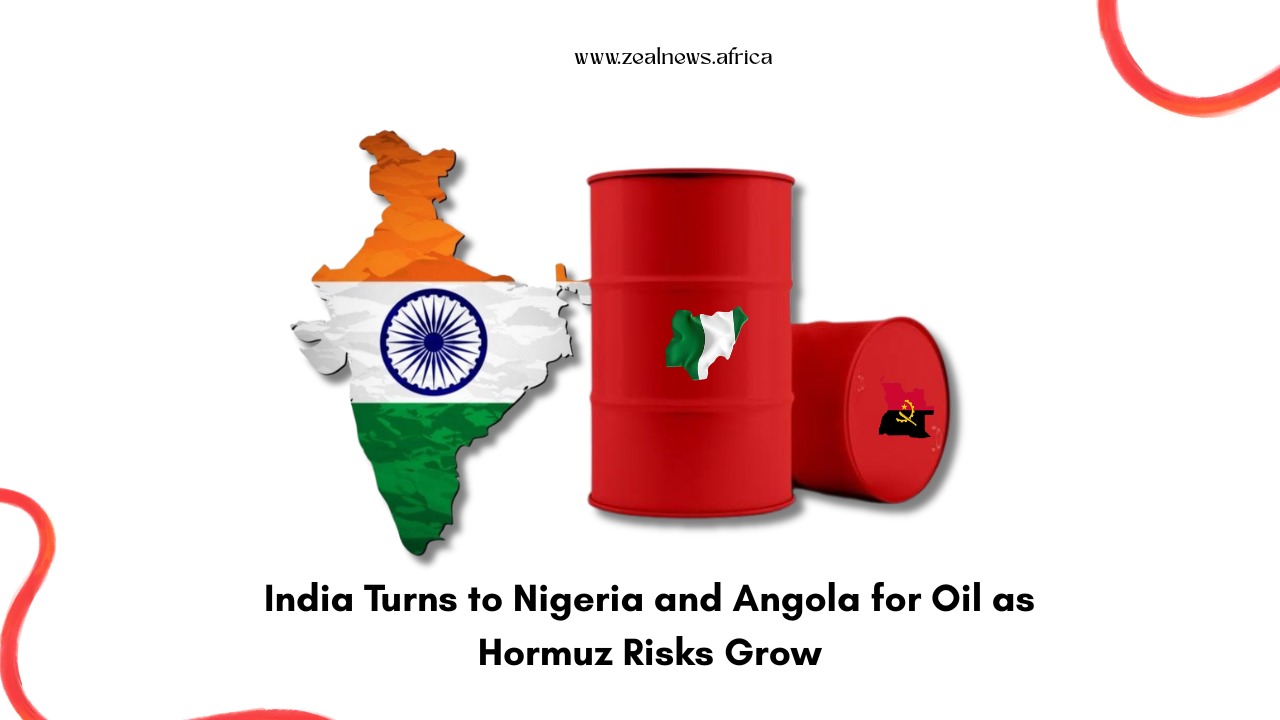
India is increasing its crude oil purchases from Africa’s two biggest oil producers, Nigeria and Angola, as global supply risks deepen and energy security becomes a bigger priority for New Delhi.
The shift comes as concerns grow over potential disruptions in key Middle Eastern shipping routes, especially the Strait of Hormuz, one of the world’s most important oil transit corridors.
India, which relies on imports for more than 80% of its crude oil needs, has been steadily expanding its list of suppliers. But recent geopolitical tensions and uncertainty around traditional supply routes have accelerated that strategy, pushing African producers further into focus.
Rising Global Risks Push India To Rethink Its Oil Supply Chain
The global oil market has become more unstable in recent years, with supply risks spreading across multiple regions. One of the biggest concerns for India is the Strait of Hormuz, a narrow but critical waterway through which a large share of the world’s oil passes. Any disruption in this route can quickly affect global prices and supply availability.
RECOMMNEDED READ:10 Surprising Things That Pass Through the Strait of Hormuz (That Have Nothing to Do With Oil)
Tensions involving Iran, Israel, and the United States have raised fears that shipping through the region could be interrupted or delayed. For countries like India that depend heavily on imported crude, even the possibility of disruption is enough to trigger changes in sourcing strategy.
To reduce exposure to these risks, Indian refiners have been increasing imports from regions that are considered more stable or at least geographically diversified. Africa, Latin America, and parts of the Americas have become more important in this new sourcing approach.
This shift is not entirely new. India began diversifying its crude suppliers before the latest tensions, but recent developments have made the strategy more urgent and more visible in trade flows.
Nigeria and Angola Become Key Suppliers In India’s Diversification Strategy
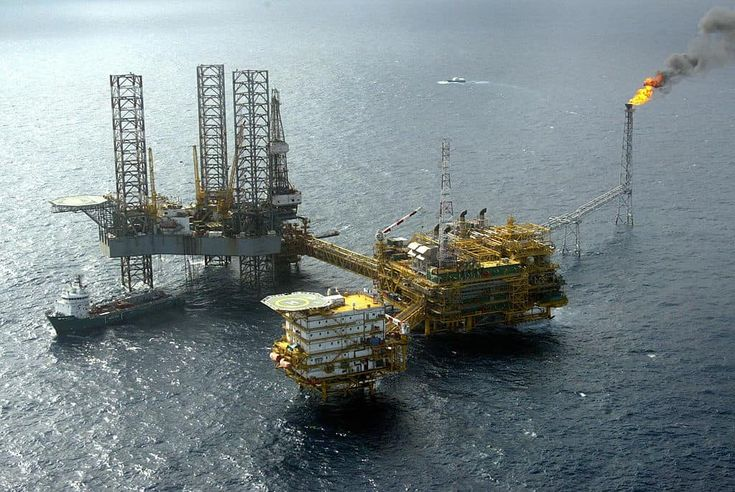
Nigeria and Angola, Africa’s two largest crude oil exporters, are now playing a more prominent role in India’s energy imports. Both countries produce oil grades that are well suited for refining in Asian markets, making them attractive options for Indian refineries.
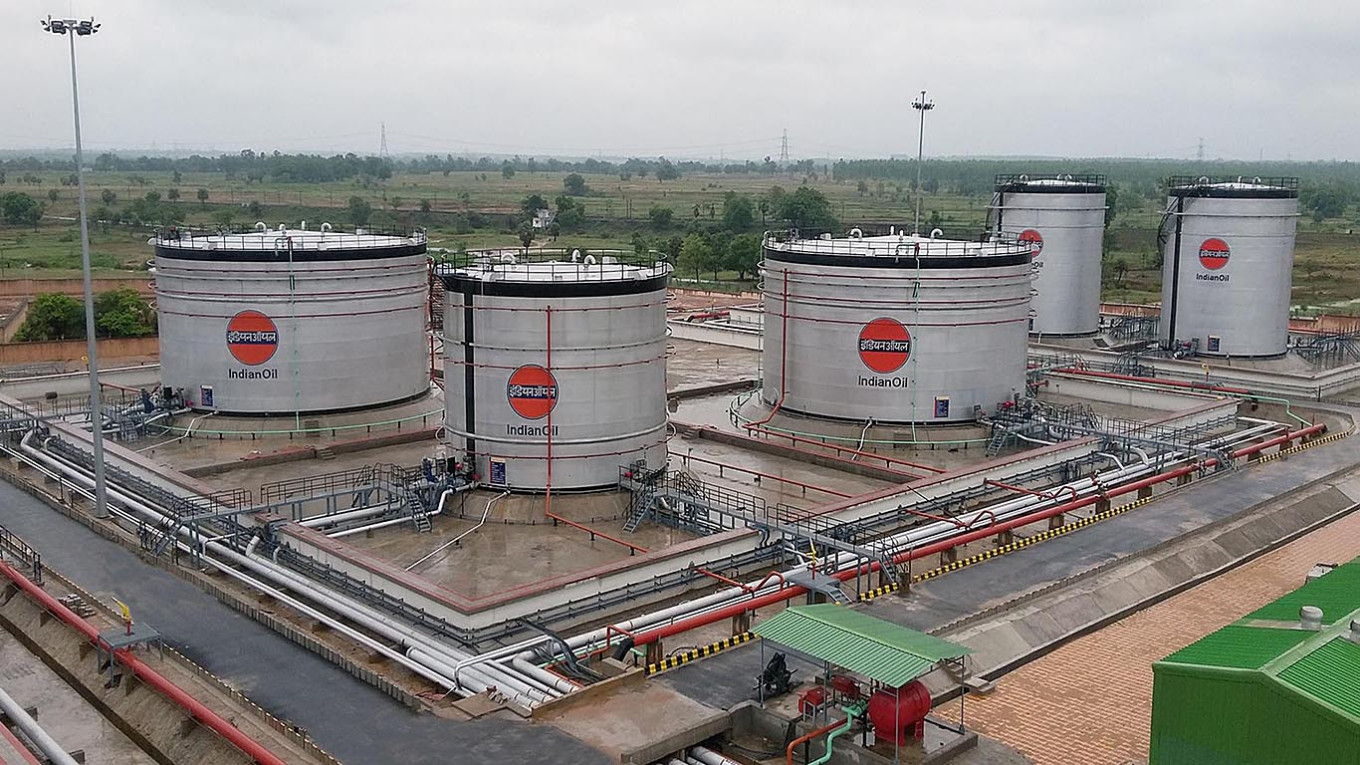
India’s state-owned Indian Oil Corporation, the country’s largest refiner, recently purchased millions of barrels of crude through international tenders that included cargoes from West Africa. These purchases featured oil from Nigeria and Angola, alongside supplies from the Middle East.
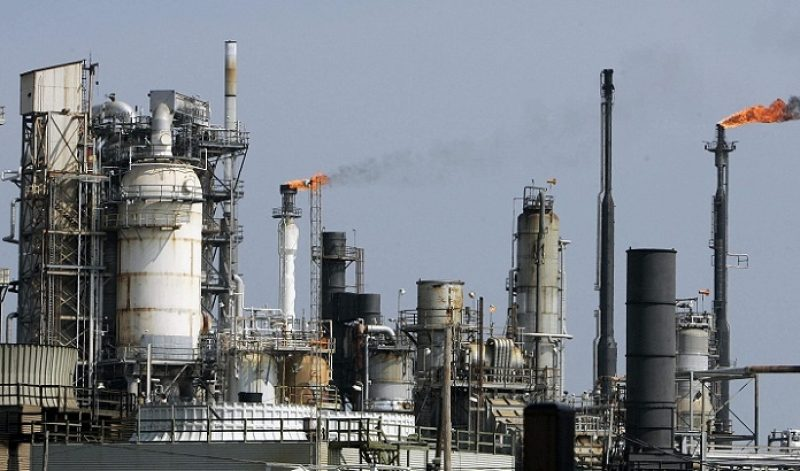
Some of the Angolan crude grades involved include Kissanje, Nemba, Hungo, and Clove, while Nigerian cargoes such as Usan crude have also been part of recent deals. These shipments are typically delivered to major Indian refineries, including facilities in Paradip, Vadinar, and Chennai.
The inclusion of African crude in large-scale purchases highlights a growing confidence in West African oil quality and logistics. These crude types are known for their relatively light and sweet characteristics, which make them easier and more cost-effective to refine into fuels like petrol and diesel.
At the same time, pricing trends show strong demand. West African crude cargoes have reportedly traded at premiums to benchmark Brent prices, reflecting competition among buyers in Asia and other regions.
India’s Broader Energy Diversification Strategy
India’s increased engagement with African oil producers is part of a broader strategy to reduce dependence on any single region. Energy security has become a central policy priority, especially as global supply chains face repeated shocks.
Before the current surge in Middle Eastern risk concerns, India was already expanding its crude imports from multiple regions, including Africa, the Middle East, Latin America, and North America. This approach helps refiners manage price volatility and reduce exposure to political or logistical disruptions in any one area.
A major driver of this diversification has also been external pressure related to Russian crude imports. In recent years, Indian refiners increased purchases of discounted Russian oil following Western sanctions on Moscow. However, shifting diplomatic pressures and uncertainty around long-term sanctions enforcement have encouraged India to maintain a more balanced portfolio of suppliers.
State-owned refiners have therefore adopted a flexible sourcing model, adjusting procurement based on price, availability, and geopolitical risk. This has made African producers more strategically important, especially when cargoes from other regions become less predictable or more expensive.
India’s approach also reflects its growing energy demand. As one of the world’s fastest-growing economies, its consumption of petroleum products continues to rise, driven by transport, manufacturing, and urban development. This rising demand makes stable supply relationships even more important.
Middle East tensions Accelerate Demand For African Crude
Recent data from global shipping and commodity tracking firms shows that Indian refiners have increased imports from Angola, Nigeria, Venezuela, and Brazil in recent months. This shift has been linked to concerns about potential disruptions in Middle Eastern supply routes.

The Strait of Hormuz remains central to this concern. It is one of the most strategically important chokepoints in global energy trade, and any disruption there can quickly affect global oil flows and pricing. Even short-term instability in the region can lead to shipping delays, insurance cost increases, and supply uncertainty.
In response, Indian refiners have been actively sourcing alternatives that reduce reliance on that corridor. African crude, particularly from West Africa, has become a practical option due to both quality and shipping accessibility.
The move is also supported by existing trade relationships. India has long imported oil from Nigeria and Angola, meaning infrastructure, contracts, and shipping routes are already established. This makes it easier to scale up purchases quickly when needed.
Nigeria and Angola’s Strategic Advantage In The Oil Market
Nigeria remains Africa’s largest oil producer and exporter, while Angola produces around 1.1 million barrels per day, making it one of sub-Saharan Africa’s top producers. Together, they represent the backbone of West and Central Africa’s crude exports.
Both countries produce crude grades that are highly valued in international markets, particularly in Asia. Their oil is generally low in sulfur and easier to refine, which increases demand among refiners looking for efficient processing and higher fuel output.
For Nigeria, increased demand from India could help stabilize export earnings and strengthen its position in the global oil market. For Angola, it reinforces its role as a reliable supplier at a time when global buyers are actively diversifying their sources.
Beyond immediate trade benefits, this growing relationship could deepen long-term energy cooperation between Africa and Asia. It also reflects a broader shift in global energy flows, where emerging economies are increasingly shaping demand patterns.