Ghana's Anti-LGBTQ+ Bill Fuels Fierce Debate, Parliament Faces Reconsideration Demands
Samuel Nartey George firmly opposes reconsidering Ghana's Anti-LGBTQ+ Bill, stating Parliament's role is complete and the President must act according to constitutional options. Meanwhile, Dr. Kwabena Opuni-Frimpong warns against partisan politics, urging lawmakers to prioritize a unified, legally sound bill to protect family values and African sovereignty. The bill's future rests on presidential action amidst intense national and international debate.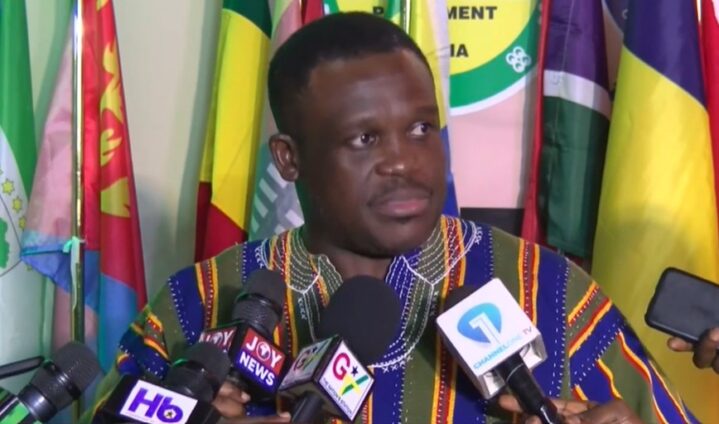
Ghana's Human Sexual Rights and Family Values Bill, commonly known as the Anti-LGBTQ+ Bill, continues to ignite fervent debate following its passage by Parliament on May 29, 2026. A principal sponsor of the legislation, Samuel Nartey George, who is also the Minister for Communications, Digital Technology and Innovation, has staunchly resisted calls for Parliament to reconsider the bill. Speaking after the 4th African Inter-Parliamentary Conference on Family Sovereignty and Values, Mr. George asserted that Parliament has fulfilled its constitutional mandate and must now transmit the bill to President John Dramani Mahama for the next steps.
Mr. George emphatically argued that the Standing Orders of Parliament offer no legal basis for reopening debate on a bill once it has successfully completed its third reading. He underscored that Parliament operates under strict rules, not appeals, and that any potential reconsideration must come from the Presidency. He stated that "When Parliament passes a bill, Parliament becomes functus officio," emphasizing that its sole remaining role is to transmit the legislation. The Ningo-Prampram Member of Parliament further stressed that attempts to reverse or suspend the bill's passage at this stage would be inconsistent with parliamentary procedure, as the act of rescinding a passed bill is "alien to our Standing Orders."
The Minister outlined the constitutional options available to the President upon receiving the bill. President Mahama may assent to the bill if he has no objections, refer it to the Council of State for advice, or return it to Parliament with specific recommendations for reconsideration, which must be made through his Attorney-General. Mr. George maintained that this presidential route is the only proper avenue for any further review, urging, "Let’s transmit it. Let the Presidency come back to us with any challenges that they have."
Beyond procedural arguments, Mr. George reiterated his strong support for the bill, framing it as a crucial measure to protect Ghanaian family values and cultural identity. He called for African nations to unify against what he perceives as external influences seeking to undermine traditional social structures across the continent. He referenced social challenges in Western countries as justification for African policies that reflect their own cultural and moral values, noting growing debates on LGBTQ+ rights and gender identity in Europe and North America.
Adding another critical voice to the discourse, Dr. Kwabena Opuni-Frimpong, former General Secretary of the Christian Council of Ghana, issued a strong caution against reducing the national debate on the anti-LGBTQ+ bill to partisan politics between the National Democratic Congress (NDC) and the New Patriotic Party (NPP). Dr. Opuni-Frimpong, an outspoken theologian and family advocate, stressed that ordinary citizens desire "an airtight, dignified piece of legislation" capable of safeguarding society's moral fabric and protecting the nation's children, rather than parliamentary point-scoring.
Speaking at the 4th African Conference on Family, Sovereignty and Values, Dr. Opuni-Frimpong expressed disappointment over persistent political bickering in Parliament. He urged Members of Parliament to recognize the protection of family values as a collective national duty transcending party allegiances, warning that continued internal parliamentary confusion could lead to severe and irreversible socio-moral consequences for the nation. He asserted that Ghana's spiritual and cultural health should never be sacrificed for political convenience.
The controversial anti-gay legislation has a complex history, evolving into one of Ghana's most structurally debated private member's motions over five years. The initial draft expired with the dissolution of the 8th Parliament, necessitating its reintroduction and subsequent passage for a second time in the current Parliament. This re-emergence has intensified friction between the Minority and Majority caucuses, further complicating its path.
Looking at the broader continental context, Dr. Opuni-Frimpong issued a passionate appeal to African heads of state, challenging them to move beyond "beautiful, flowery speeches" at high-profile conferences. He urged them to implement concrete, actionable policies that deliver tangible results for their citizens, emphasizing that true sovereignty involves a nation's ability to defend its cultural heritage and family structures from external pressures. He concluded by urging Parliament to urgently unify, eliminate partisan loopholes, and deliver a legally sound statute reflecting the true aspirations of the Ghanaian people. The bill’s fate, now awaiting presidential action, sets the stage for a potential constitutional and political contest over this contentious legislation.