The Woman Who Dared to Run for President When No One Expected Her To — Princess Chichi Ojei
She was the only woman among eighteen presidential candidates in Nigeria's 2023 general elections. Her party abandoned her days before the vote. She ran anyway and pulled 25,000 votes. Princess Chichi Ojei did not win the presidency, but in a country that has never elected a female president, she showed up when it would have been easier not to. Her story is worth reading and you should read it.
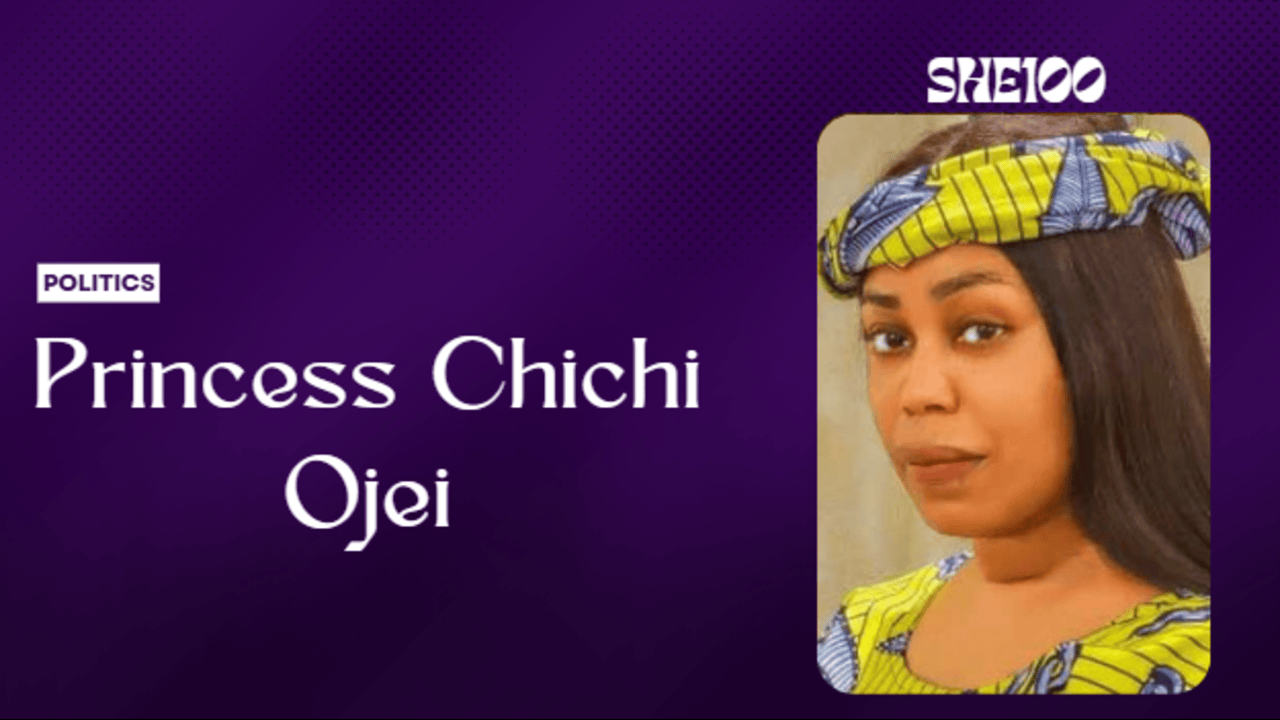
Since Nigeria returned to democratic rule in 1999, only a handful of women have ever dared to stand on a presidential ballot.
In February 2023, Princess Chichi Ojei also had the courage and dared to run for president.
She was the only woman among eighteen presidential candidates — an Amazon, as the press called her, in a field of seventeen men.
She experienced a lot of obstacles and discouragement even from her party, days before the election and yet she campaigned anyway. She pulled 25,000 votes anyway.
And in doing so, she added her name to the quiet, stubborn, still-unfinished history of Nigerian women who refused to wait for a permission that was never going to come.
From Delta to the World: The Education of a Presidential Candidate
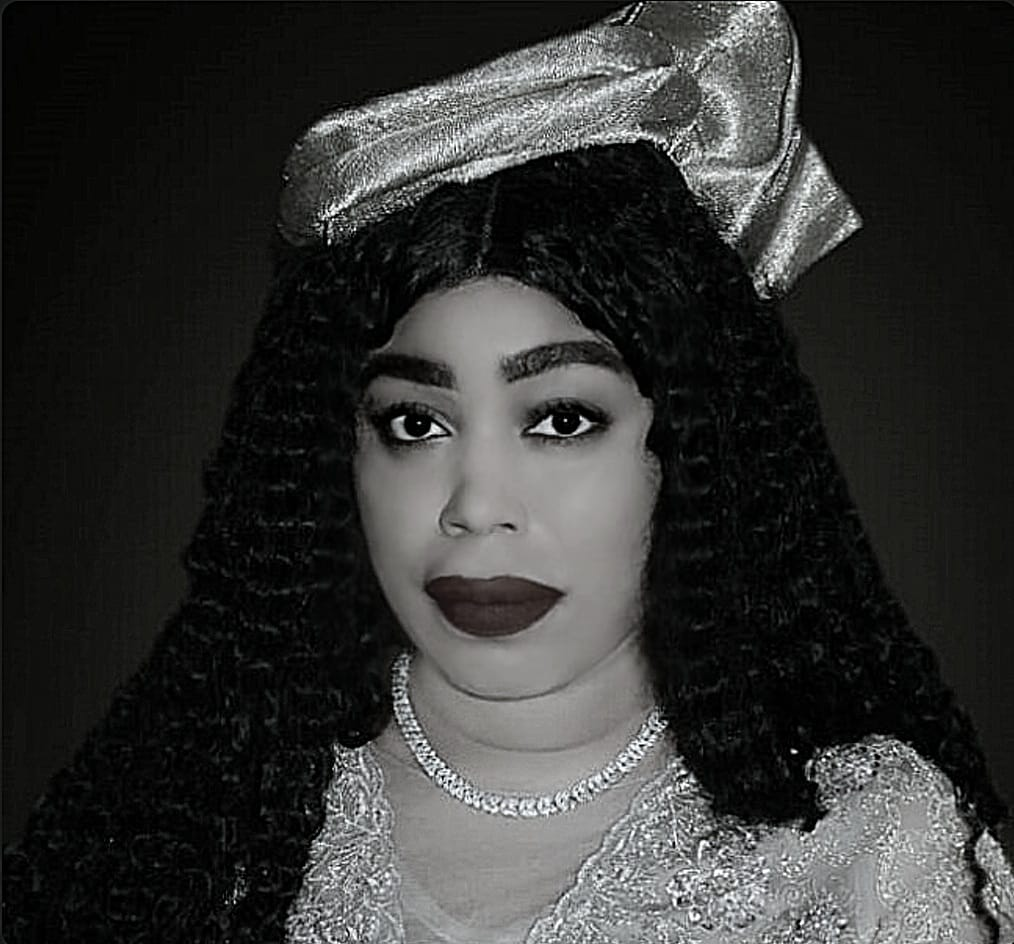
Born in 1978 in Delta State in Nigeria's South-South, Chichi Ojei grew up in a world of extraordinary privilege, but not the kind that produces passivity.
Her father, Emmanuel Isichei Ugochukwu Ojei, is one of Nigeria's top twenty billionaires, founder and chairman of Nuel Ojei Holdings, a conglomerate with interests spanning automobile distribution, banking, insurance, construction, telecommunications, oil and gas, solid minerals, and shipping.
He is also, notably, a man who prefers the shadows, operating with philanthropy rather than celebrity, shaping his daughter's instinct to be consequential rather than merely visible.
Chichi attended the American International School Lagos and then went to study at the Institut Le Rosey in Rolle, Switzerland. She then earned a Bachelor of Business Administration from Northeastern University in Boston, United States, and an MBA from Regent's Business School in London.
She returned to Nigeria and built a serious corporate career as a Corporate Finance Specialist and Executive Director at Nuel Ojei Holdings, a woman who had every reason to stay comfortable and chose, instead, to be disruptive.
She lived far from the public eye until politics called and when it called, she answered with the kind of conviction that did not require the applause of a crowd to sustain itself.
The Nomination, the Hurdles, and the 25,000 Who Voted Anyway

In 2022, Chichi Ojei joined the Allied People's Movement. On August 14, 2022, APM's national chairman, Alhaji Yusuf Mamman Dantalle, made an extraordinary announcement, withdrawing from the presidential race and that the party was endorsing Princess Chichi Ojei as the presidential candidate.
She became, officially, the only female presidential candidate in the 2023 general elections, one woman standing in a field of seventeen men for the highest office in Africa's most populous nation.
But amidst all the support and endorsement, she was, however, about to discover what Nigerian politics does to its most inconvenient candidates.
Days before the February 25, 2023 presidential election, APM withdrew its support from her and aligned behind another candidate. The decision, her senior special assistant Barrister Maurice Ebam later confirmed, was taken after consultation, but for a woman who had spent months campaigning under the APM flag, it was a betrayal of the most public kind.
She had been the party's face. She had been its argument for a different kind of Nigeria. And then, when it mattered most, the party looked away.
She contested anyway and she pulled approximately 25,000 votes, without a party structure behind her, without the machinery that turns candidate names into voter decisions at ward level.
Even when the party decided to do what it did, she still pulled this number of votes, then imagine if Nigerian women had come together, and the party had come together, what she would have been able to pull. This is worth celebrating in a month that we afre celebrating women.
What Her Candidacy Meant and What It Still Means
Former female presidential candidate Sarah Jibril, who had tried and failed multiple times herself, offered the most generous and accurate assessment of what Chichi Ojei's candidacy represented. "Consistency on the vision convinces people," Jibril said according to Daily Trust. "Many of the voters are young people, both young women and young men, who have now seen the good of the courage to run for an office. It is really a realistic motivation to the young ones."

Nigeria has never had a female president. It has never had a female vice president from a major political party winning at the polls.
The structural barriers, the cost of campaigns, the gatekeeping of political parties, the cultural resistance to women in executive office, the absence of coordinated women's voting blocs, remain formidable and largely intact.
But every woman who stands on a presidential ballot makes it fractionally easier for the next one. Every 25,000 votes cast for a woman who had been abandoned by her own party is a data point that cannot be unwritten.
Princess Chichi Ojei did not become Nigeria's president. She did not come close in vote count. What she did was stand in a room that has historically been the exclusive preserve of men, represent a constituency that has historically been promised inclusion and delivered exclusion, and refuse to exit quietly when her party decided she was expendable.