Eco-Living: Fighting Climate Change Through Zero-Waste Homes
Zero-waste living is becoming a practical response to climate change as households adopt simple habits in cooking, cleaning, energy use, and consumption to reduce environmental impact and build more sustainable homes.
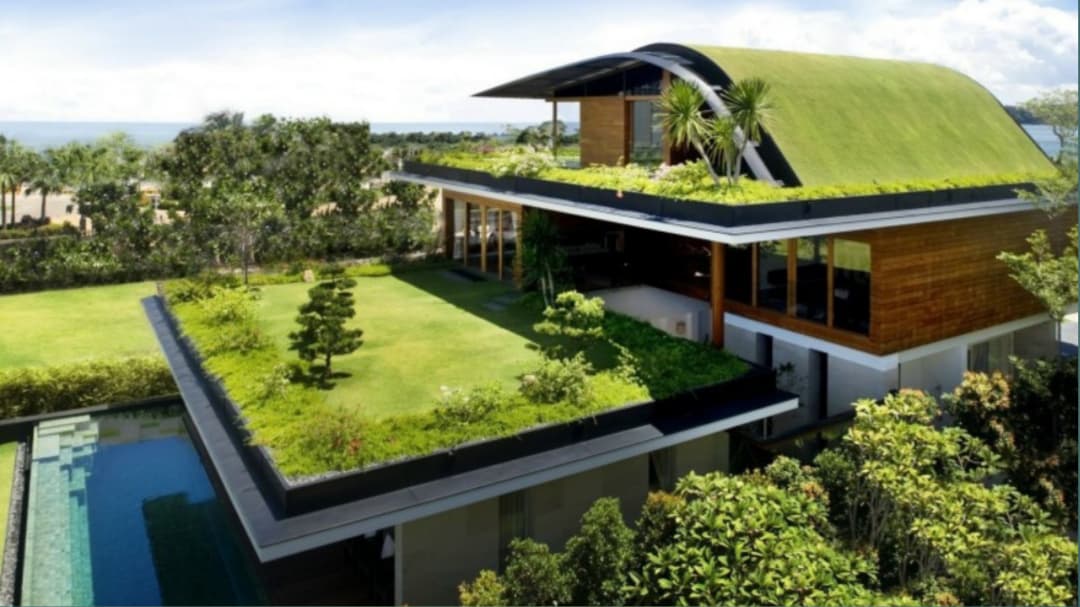
Climate change is no longer something people hear about on the news and forget five minutes later. It is right here, showing up in daily life in ways that are hard to ignore.
The weather has become far less predictable than it used to be, with intense heat, sudden rainfall, and unexpected flooding now shaping everyday life. People are constantly adjusting their routines, planning movements carefully, and even changing simple choices like clothing just to cope.
What is most striking is how quickly these extreme conditions have become normal, turning once-rare disruptions into regular parts of daily living.
But while the problem feels global and overwhelming, the response does not always have to be. Some of the most practical solutions are already happening inside homes.
It Starts in the Kitchen
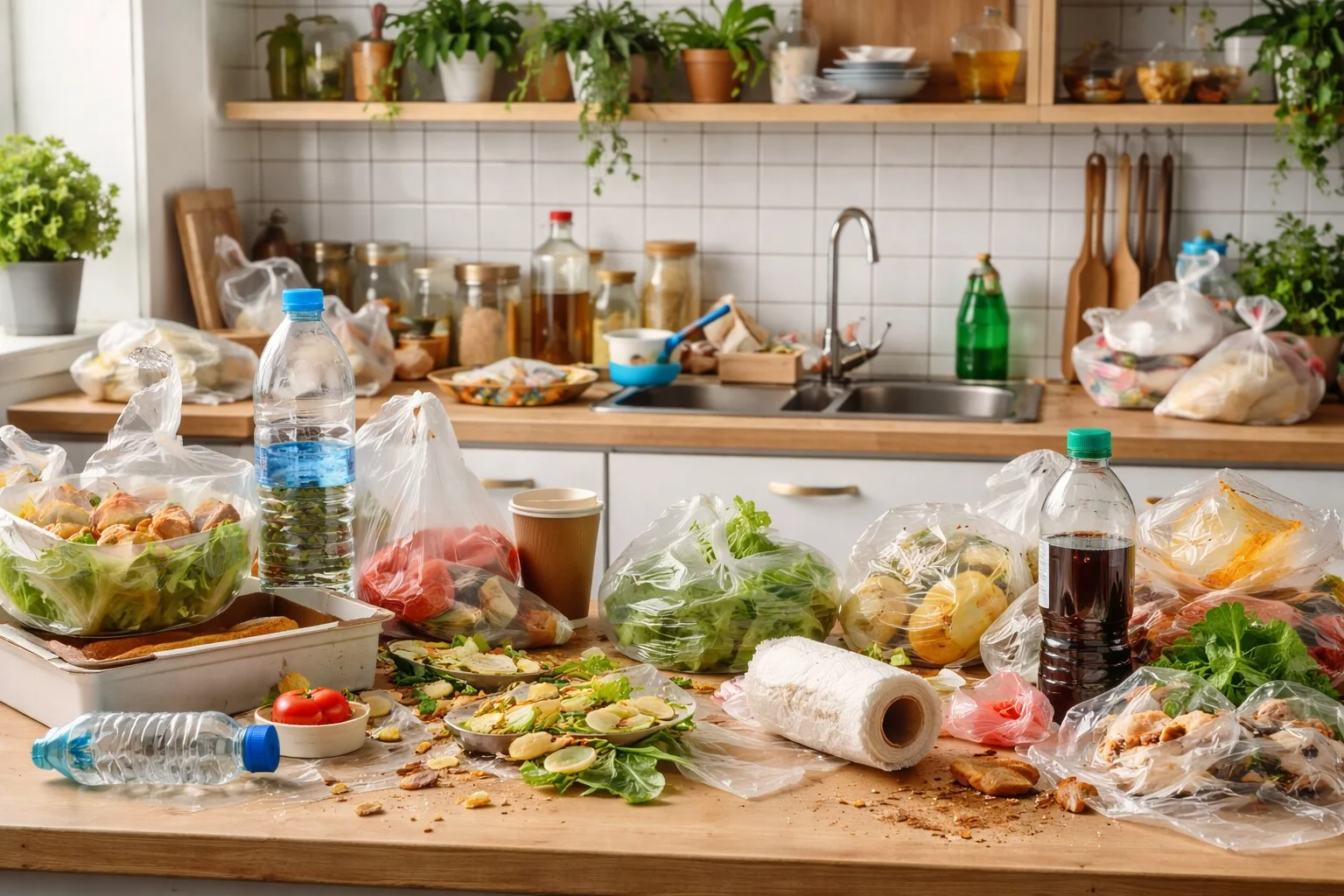
If there is one place where waste quietly builds up without notice, it is the kitchen. Every meal, every grocery trip, every takeaway comes with packaging, scraps, and leftovers that often end up in the bin without a second thought.
Now, instead of constantly depending on plastic bags, more people are simply going back to basics like woven baskets, reusable bags, and sturdy containers that can last for years. Buying in bulk is also becoming more common, not just for environmental reasons but because it makes financial sense in the long run.
Food waste is another big one. Those peels, stems, and scraps that are usually thrown away can actually be turned into compost. It might sound like something for gardeners, but even small spaces like balconies or backyards can benefit.
Composting reduces methane emissions by keeping organic waste out of landfills and returns nutrients back to the soil. The idea is simple, return to the soil what came from it.
Cleaning Without the Chemicals
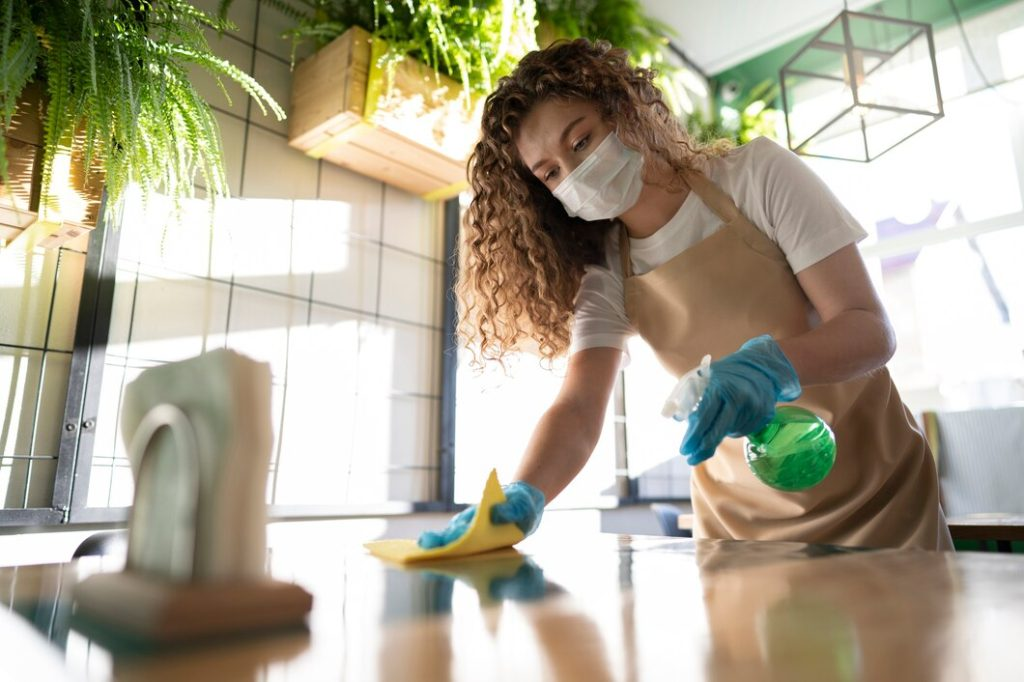
For years, many homes relied on strong chemical products with heavy packaging and strong smells. Now, there is a gradual return to simpler alternatives that are easier on both the environment and the wallet.
Vinegar, lemon, baking soda, and local black soap are doing a lot of the work that expensive cleaning products used to do. They are not just eco-friendly, they are accessible and for many households, that matters more than anything else.
Even personal care is changing, bar soaps are slowly replacing bottled body washes, and reusable cotton pads are becoming a common sight. These changes may look small individually, but collectively they reduce a huge amount of plastic waste.
Thinking Before Buying
One of the biggest mindset changes in zero-waste living has nothing to do with products at all, it has to do with thinking.
Before buying something new, people are beginning to ask a simple question: Do I really need this?
It reduces unnecessary spending, prevents clutter, and limits waste at the source. Because the truth is, the most sustainable item is often the one never bought in the first place.

Upcycling has also become part of everyday creativity.
Old clothes become cleaning rags, old tyres become plant holders, broken furniture is repaired instead of replaced and even second-hand markets and thrift exchanges are no longer seen as “settling” but as smart living.
There is a slow shift happening here, from constant consumption to intentional use.
Energy and Water: The Quiet Wins
Not every environmental action is visible. Some of the most impactful changes happen quietly in how homes use energy and water.
Switching off appliances when they are not in use, using energy-efficient bulbs, or relying on solar-powered lamps where possible all reduce pressure on electricity systems. In places where power supply is inconsistent, these small adjustments also bring stability.
Water use is changing too. Simple habits like fixing leaks quickly, using water more intentionally, and collecting rainwater during heavy rains are becoming more common.
Collecting rainwater during heavy rains reduces dependence on treated municipal water, lowers water bills, and decreases the energy used in water treatment and distribution, an especially meaningful win in cities where flooding has become more frequent.
Sorting Waste, Changing Mindsets
One of the simplest but most effective habits in zero-waste living is waste sorting. Instead of dumping everything into one bin, many homes now separate waste into recyclables, compost, and non-reusable items.
At first, it feels like extra effort. But over time, it becomes routine and something interesting happens, people start producing less waste without even trying.
Bins stay lighter. Waste bags fill slower. And there is a small but real sense of control that comes from knowing exactly where everything goes.
A Lifestyle, Not a Trend
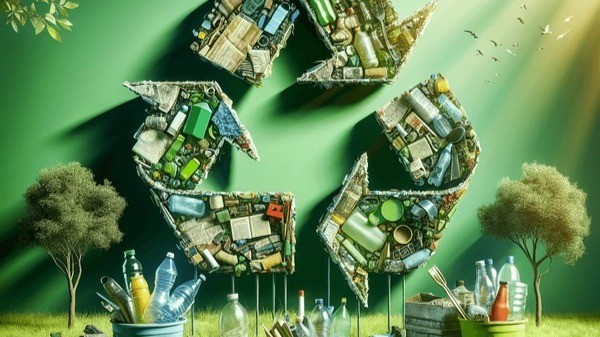
Zero-waste living is not about being perfect, it is about small, consistent choices that reduce harm over time. Nobody gets it right every day, but even imperfect effort still makes a difference.
Climate change is a large, global challenge but it responds to millions of small local actions. And often, those actions begin in places as ordinary as a kitchen sink, a shopping bag, or a waste bin under the counter.
The way homes function today will shape what the environment looks like tomorrow.