6 Small Habits That Can Help Reduce Stress at Work
Work pressure may be unavoidable, but stress does not have to spiral out of control. These six simple habits can help employees and leaders manage workplace stress more effectively.

Deadlines, meetings, performance pressure, and endless notifications have become everyday realities for many professionals. For some people, workplace stress has become so normal that it almost feels like part of the job.
But unmanaged stress is not the same thing as productivity.
If you constantly operate under pressure without proper coping habits,stress can quietly affect your focus, motivation, emotional wellbeing, and long-term performance.
The truth is that you may not be able to completely eliminate pressure from work, What you can control, however, is how you respond.
Build Psychological Safety Around You
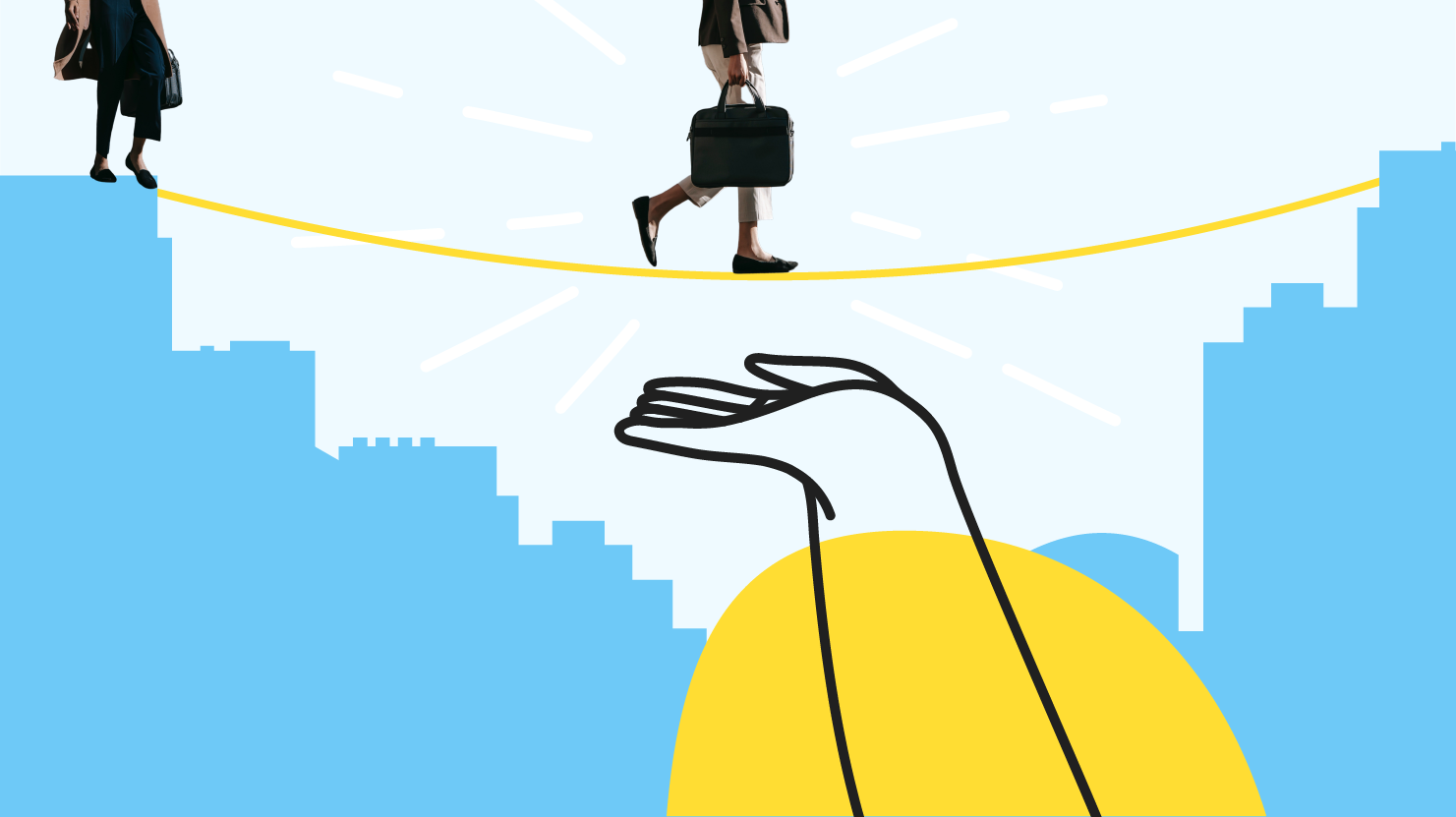
A lot of workplace stress becomes worse when people do not feel safe speaking up.
If you work in an environment where asking questions feels risky or admitting difficulty feels like weakness, stress tends to stay hidden until it becomes overwhelming.
In these situations, people often avoid asking for help, raising concerns, or admitting when their workload is becoming too much.
This is where psychological safety matters.
You function better in environments where you can speak honestly without fear of embarrassment, punishment, or being dismissed. That includes being able to ask questions, share concerns, admit mistakes, and contribute ideas openly.
If you are a manager or team lead, small actions matter here.Listening without judgment, encouraging feedback, and responding calmly when problems arise can make your team feel safer and more supported.
Stress is always harder to manage when you feel alone in it.
Stop Treating Doubt Like Weakness

Stressful decisions usually come with uncertainty.
But many professionals wrongly interpret doubt as a sign that they are not capable, experienced, or confident enough.
That is not always true.
Sometimes, doubt is simply useful information.

Instead of seeing it as failure, you can treat it as a signal to slow down, question assumptions, and think more critically.
When something feels uncertain, ask yourself whether there is another way to view the situation.
Not every uncomfortable feeling means you are doing badly.
In some cases, it simply means you are thinking carefully.
Learning how to work with uncertainty instead of fighting it can reduce a lot of emotional pressure.
Reconnect With Why Your Work Matters
Stress is not always caused by workload alone.
Sometimes, you feel drained because you have become disconnected from the meaning behind what you do.
When your day starts to feel like an endless cycle of emails, tasks, meetings, and deadlines, motivation naturally drops.
A helpful shift is changing the question from, "What do I have to finish today?" to "What difference does this work actually make?"
That small mindset shift can help restore perspective.
Whether you work in media, finance, healthcare, education, technology, or customer service, it helps to remember how your role contributes to a bigger outcome.
Meaningful work and stress are closely linked and that reconnecting with the purpose of your work can serve as a buffer against emotional exhaustion.
Pause Before Reacting
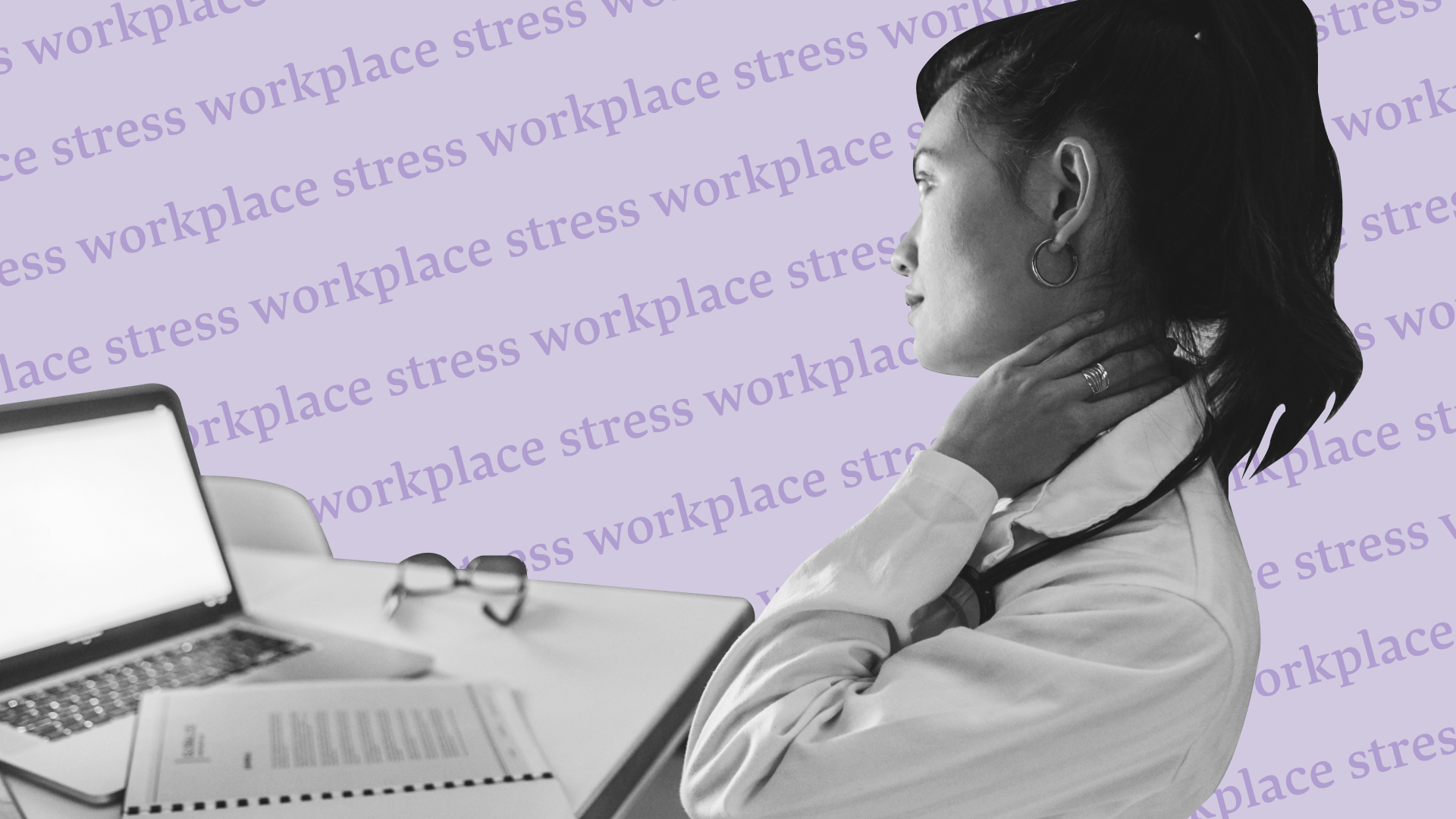
Stress often pushes you into reaction mode.
A difficult email lands in your inbox. A deadline suddenly changes. A client issue appears unexpectedly.
Your first instinct is usually to react immediately.
But fast reactions under pressure often create bigger problems.
Before responding, pause briefly and notice what is happening internally.
Are you frustrated? Rushing? Feeling anxious or pressured?
That short moment of self-awareness can prevent avoidable mistakes, sharp replies, or rushed decisions you may later regret.
The goal is not to eliminate pressure completely.
It is to create a small gap between trigger and response.
That gap often changes the direction of an entire interaction.
Make Recovery Part of Your Workday
Many people try to manage stress by pushing harder.
But stress management is not only about output. It is also about recovery.
If you keep working for long periods without meaningful breaks, your focus naturally declines and emotional fatigue increases.
Small recovery moments throughout the day help you reset.
This can be as simple as stepping away from your screen for a few minutes, stretching, taking a short walk, drinking water, or having a proper lunch break away from work.
These pauses are not laziness.
Workers who regularly take breaks score significantly higher on work-life balance and are far less likely to experience burnout.
You cannot operate like a machine all day and still expect peak productivity.
Lean on Support Systems

Stress usually feels heavier when you try to carry everything alone.
Having trusted people to talk to can make a real difference during demanding periods.
This support can come from mentors, colleagues, friends, professional communities, or peers in your industry.
Sometimes, what you need most is not an immediate solution, but perspective.
Social support has a threefold effect on work stress, it reduces the strain experienced, mitigates how stressors are perceived, and buffers the relationship between stressors and their impact altogether.

No one performs at their best in isolation for long.
Support systems are not optional extras. They are part of long-term professional sustainability.
Conclusion
Work pressure is not disappearing anytime soon, but stress does not have to control your entire work experience.
Stress may be unavoidable in demanding environments, but how you manage it is where the real difference lies.