The Nigerian Middle Class Is Silently Disappearing. Maybe We Need To Start Talking About It
They earn enough not to qualify for government help. Not enough to survive what the last three years have done to their purchasing power. Nigeria's middle class is disappearing in real time and almost nobody in power is designing policy to stop it.
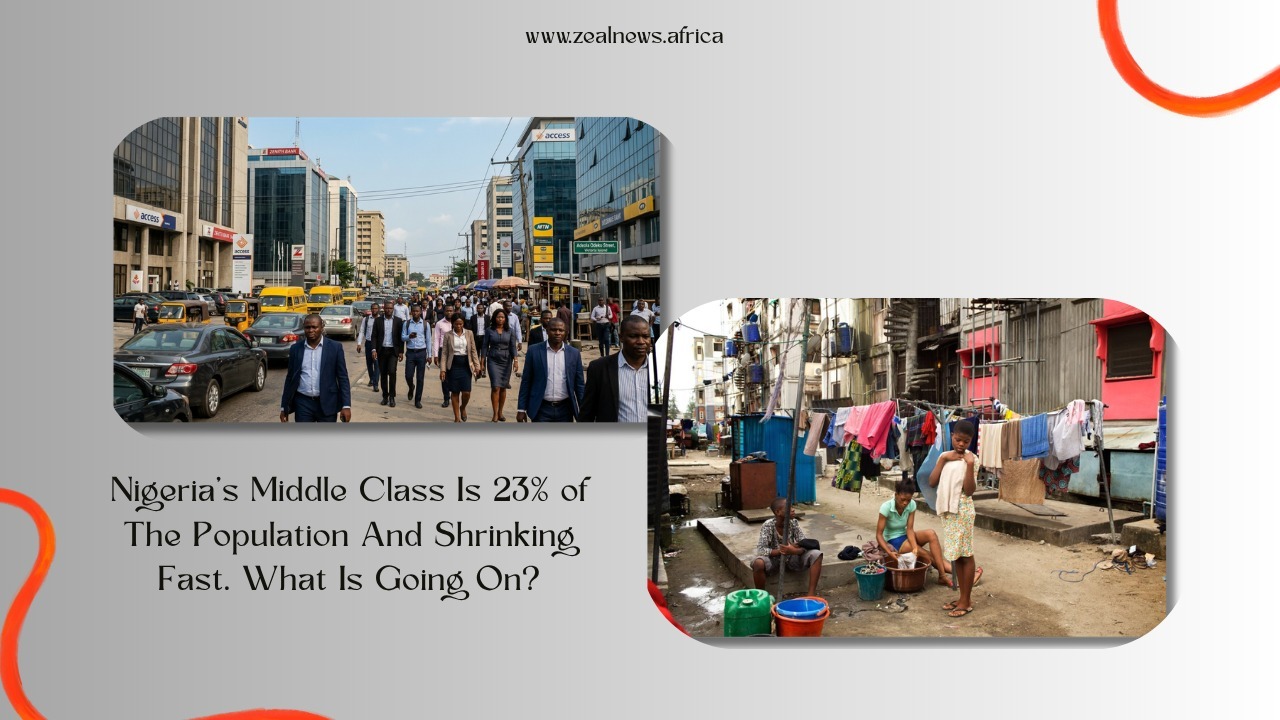
Tunde used to take his family out for suya on Saturdays.
Not every Saturday. But enough that his children knew the routine. Enough that his wife would say, around midday, "so are we going?" and the answer was usually yes. It was not an expensive thing. It was the kind of small, ordinary pleasure that a man with a decent job and a working budget could afford without thinking too hard about it.
He is a civil engineer. He has been one for eleven years. He earns what most Nigerians would consider a good salary. In 2021, that salary felt like something. It paid the rent, covered school fees for two children, kept the generator running, left a little for savings at the end of the month, and yes, covered suya on Saturdays.
He cannot tell you exactly when it stopped being enough. It happened the way most slow catastrophes happen: not all at once, but in increments so small you keep thinking the next month will be different.
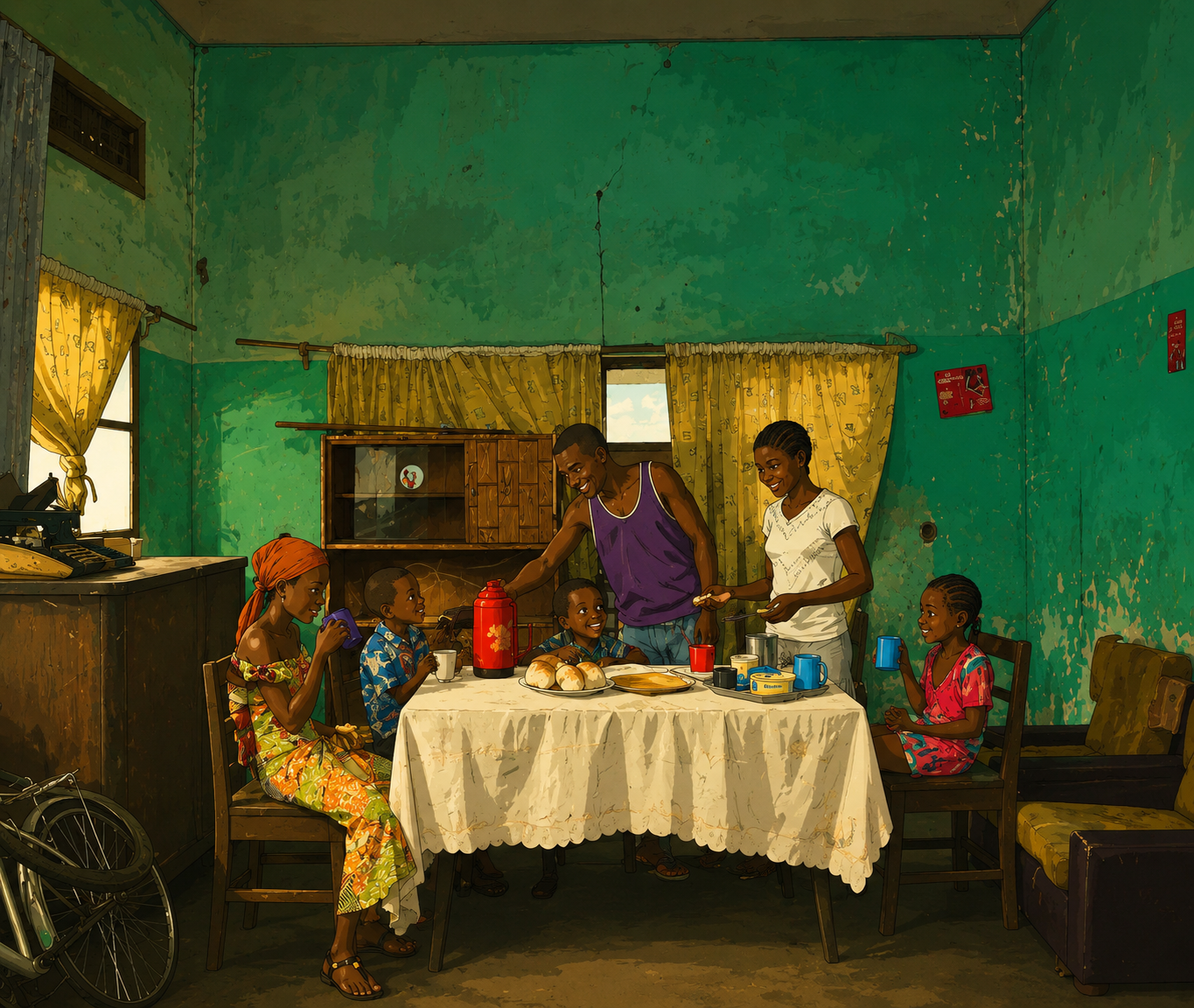
The generator fuel budget doubled. Then doubled again. Rent went up 40 percent. The school fees letter arrived with a new figure that made him read it twice. The suya stopped first, quietly, with no announcement. Then the savings. Then he started doing something he had never done in eleven years of working: counting the days to payday.
Tunde is not poor. The statistics will not record him as poor. But he is no longer what he was either. And across Nigeria, millions of people are standing in exactly the same place, watching the ground they built their lives on slowly give way, with no language for what is happening to them and no government programme designed for people who are falling but have not yet fallen.
The Class That Held Everything Together
The African Development Bank estimates Nigeria's middle class at just 23 percent of the population. This group, typically earning between N300,000 and N1.5 million monthly, has historically been the backbone of consumption, investment, and job creation. That is not a large group for a country of 230 million people, and it is shrinking.
The middle class employs people, pays taxes, and supports essential services. When they shrink, unemployment rises, poverty deepens, and society collapses into only rich and poor.
That is not a sociologist's theory. That is what is happening right now, in real time, in Lagos, Abuja, Port Harcourt, and Enugu, to people who go to work every day and still cannot make the numbers add up.
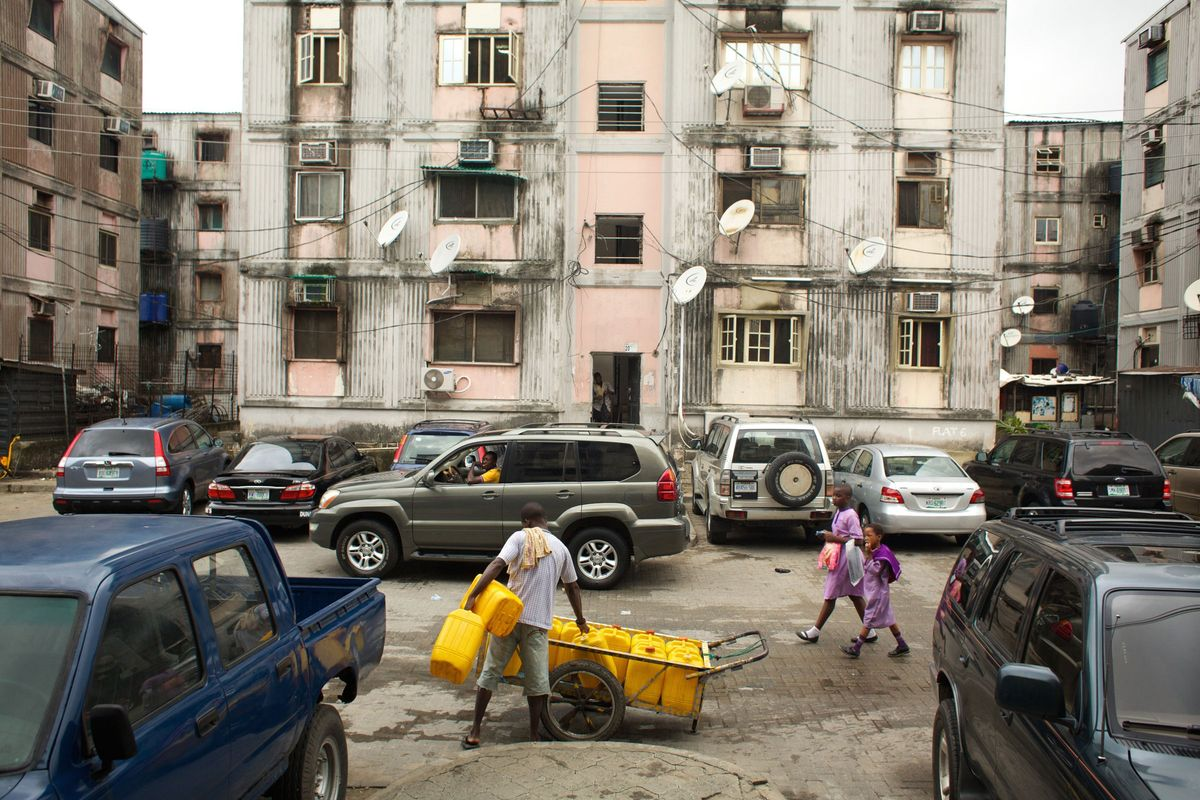
PwC projected that macroeconomic pressures including rising inflation, interest rates, and naira depreciation could push an additional 13 million Nigerians below the national poverty line by 2025. Strategy and estimated poverty rising to 61 percent of the population in 2025, up from 59 percent in 2024, reflecting that easing inflation alone is insufficient to improve consumer outcomes without stronger employment and income recovery.
These are not the desperately poor people who were already below the line. These are the people who were above it. The ones who thought they had made it far enough away from the edge that they were safe.
They were not.
What Inflation Actually Does to a Salary
The numbers are easier to understand when you make them personal.
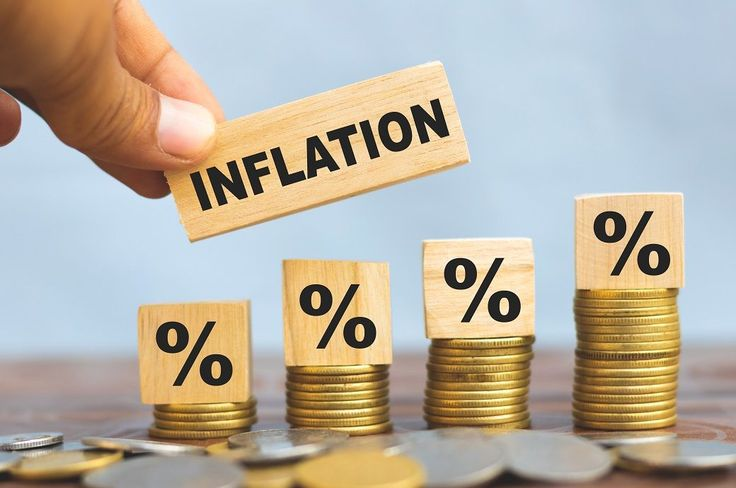
Annual average inflation surged to 31 percent in 2024, driven by naira depreciation, food supply deficits, energy subsidy removal, and high borrowing costs. The headline inflation rate reached 34.80 percent in December 2024.
If your salary was N500,000 in January 2024 and you got no raise, your salary in December 2024 was worth N373,000 in real terms. You did not take a pay cut. Your employer did not reduce your income. Inflation did it quietly, invisibly, while you were going to work every day and doing everything right.
Household consumption expenditure fell by 42 percent in the first quarter of 2024 and 61 percent in the second quarter, compared to the same periods in 2023, reflecting the severe impact of naira depreciation and inflation on purchasing power.
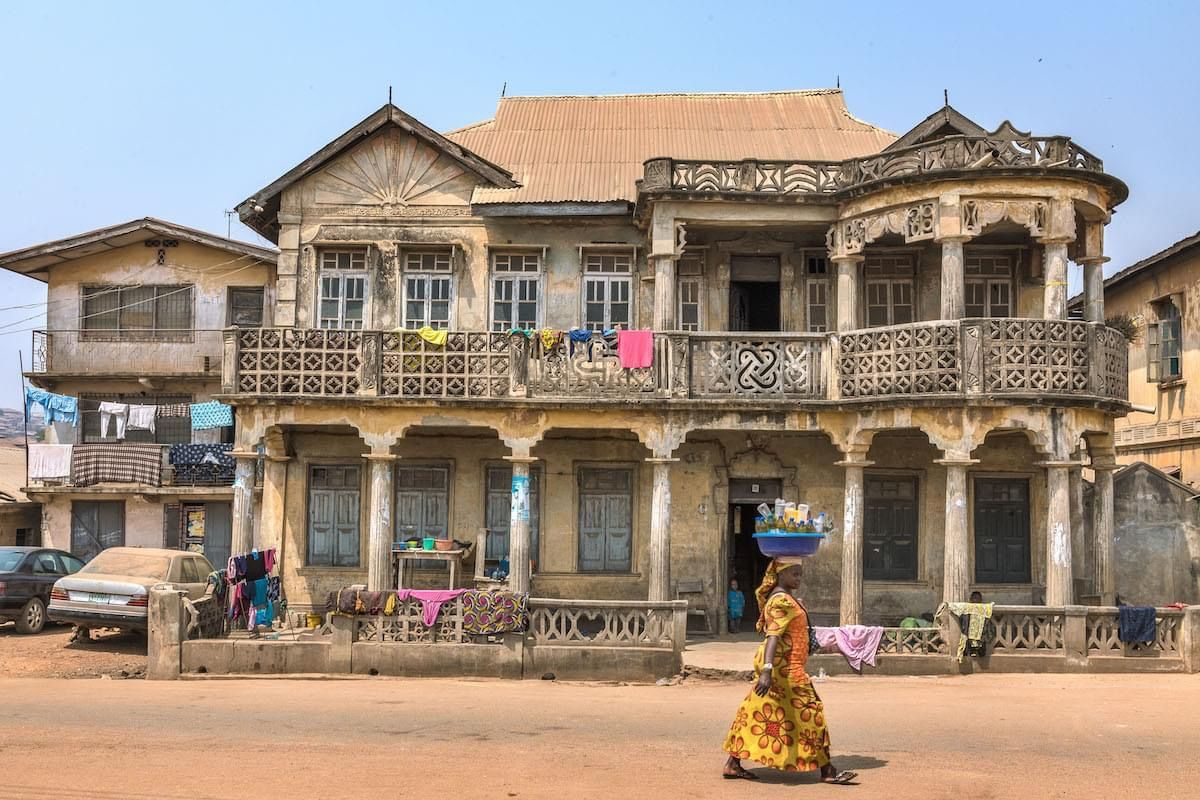
More than half of what Nigerian households were spending a year earlier simply evaporated. Not because people stopped wanting things. Because the money stopped being able to buy them.
The average Nigerian household was already spending over half its income on food before the naira depreciation. 0
After it, the arithmetic became genuinely brutal. When food takes 60 or 70 percent of your income, there is no middle class lifestyle left to protect. There is only survival.

Tunde started buying the cheaper bread. Then he stopped buying bread and started buying the ingredients to make it at home on weekends. His wife, who works as a pharmacist, started taking on extra locum shifts on her days off. They are not in crisis. But they are managing in a way they never expected to be managing at this stage of their lives, and they both know, without saying it to each other, that something fundamental has changed.
The Japa Multiplier
There is another layer to this story that the economic data does not fully capture.
The Nigerian middle class is not just getting poorer. It is also leaving. The same professionals who had the education, the connections, and the earning power to be middle class in Nigeria are precisely the people who have the skills to emigrate. Doctors, Engineers, Accountants, Pharmacists and Teachers. The ones who built their lives around the belief that a good education and consistent work would be enough.
The double blow of economic degradation and the Japa movement has battered the middle class. This is greatly impacting the health and IT sectors. Nigerian hospitals are losing nurses and doctors at rates that are now openly discussed as a staffing crisis.
Tech companies that spent years training junior engineers watch them leave for remote roles with European and American firms paying in dollars. The infrastructure of middle class professional life is hollowing out.

The people who leave take their skills, their taxes, and their consumption with them. The N300,000 a month that a Lagos engineer was spending on rent, school fees, fuel, and groceries leaves the Nigerian economy with them. What replaces it is remittances, which sustain households but do not build the local economic activity that a spending middle class generates.
While the elite often invest outside Nigeria, the middle class was the main driver of domestic small and medium-scale enterprises.
The suya seller near Tunde's estate. The private school his children attend. The pharmacist his wife buys supplies from. The mechanic who services his car. All of them depend on middle class spending. When that spending contracts or disappears, the damage radiates outward through the informal economy in ways that never make it into a GDP report.
The Policy Gap Nobody Will Admit
Cash transfer programmes are designed for the extremely poor. Targeted correctly — that is an important thing. But they are not designed for the civil engineer who cannot afford suya anymore. Student loan schemes reach the children of the poor.
None of the flagship social intervention programmes of the Renewed Hope Agenda was designed for the person who earns enough not to qualify for help but not enough to withstand what the last three years have done to purchasing power.
To revive the middle class, experts say the government must prioritise inflation control and cost-of-living reductions, stabilise the naira through special forex windows for essential imports, and roll out targeted employment programmes and intervention grants.
These recommendations have been published, presented at conferences, and largely ignored at the policy level.
The minimum wage was raised from N30,000 to N70,000. PwC noted it had limited impact on the overall population, affecting only a small percentage of the populace. Most middle class salaries are not set by minimum wage legislation anyway.
They are set by employers who are themselves dealing with rising costs, and who are quietly deciding that the cost of retaining staff is one more pressure to be managed rather than rewarded.
What Disappears With Them
Tunde's eldest is twelve. She wants to be a doctor. He has not told her yet that he is not sure how he is going to pay for medical school. He is still working on the numbers, still looking for a path that gets her there without breaking what remains of the family's financial stability.
His wife looked at a Canadian immigration programme six months ago. They talked about it once, seriously, late at night after the children were asleep. Then they did not talk about it again. But the tab is still open on her phone.
That is where Nigeria's middle class lives right now. Not in poverty. Not in comfort. In the space between, doing the calculations, keeping the tab open, and trying to decide how much longer to wait for the numbers to start making sense again.
What is also true is that a lifestyle that once felt secure is becoming painfully fragile. What was once a bridge between the rich and the poor is now collapsing, threatening not only household stability but the wider Nigerian economy itself.
An economy without a middle class is an economy with two destinations: extreme wealth or extreme poverty. Nigeria is not there yet.