Dangote Unveils 20,000MW Power Dream
Nigeria has spent decades struggling with unstable electricity. Now Aliko Dangote says he wants to build a 20,000MW power project bigger than much of the country’s current supply system. If it happens, it could change everything.
For decades, electricity in Nigeria has existed as both a necessity and a frustration.
Businesses buy generators before they buy furniture, factories calculate diesel costs almost as carefully as salaries. Entire neighborhoods celebrate a few uninterrupted hours of power supply like a national holiday.
In Africa’s largest economy, darkness has become so normal that many Nigerians no longer expect stable electricity from the national grid.
Now, Aliko Dangote says he wants to change that.
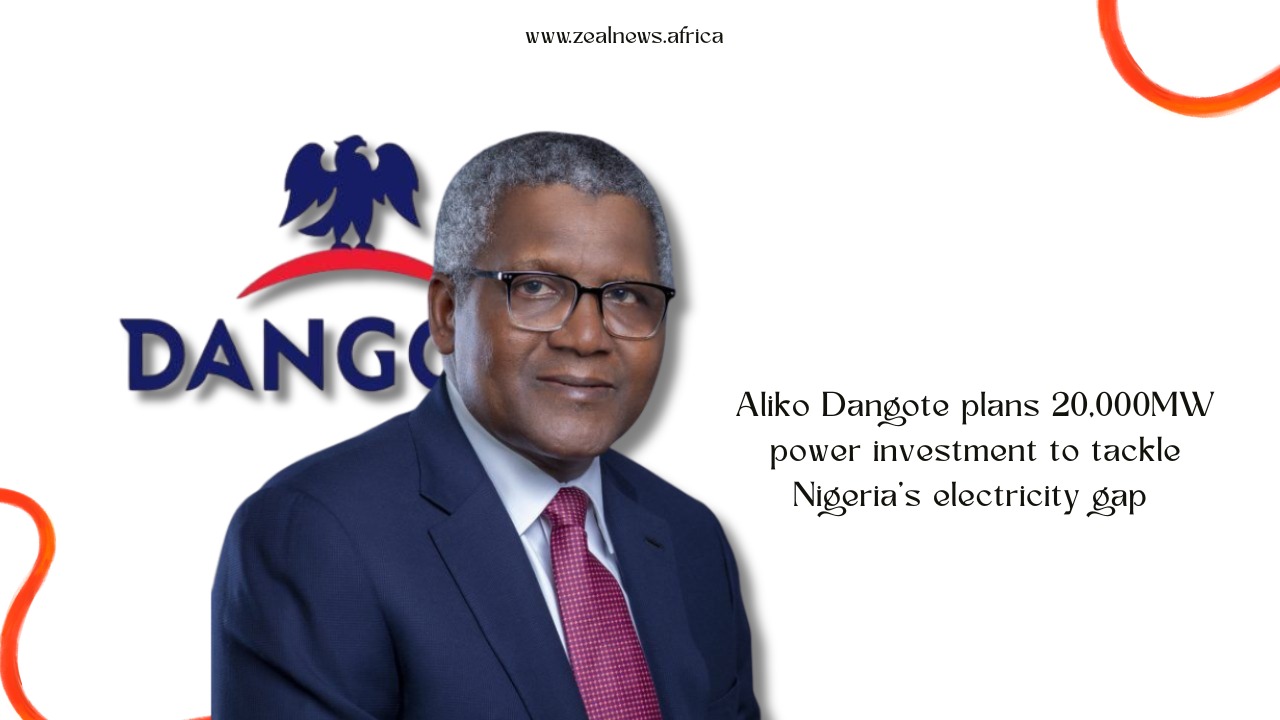
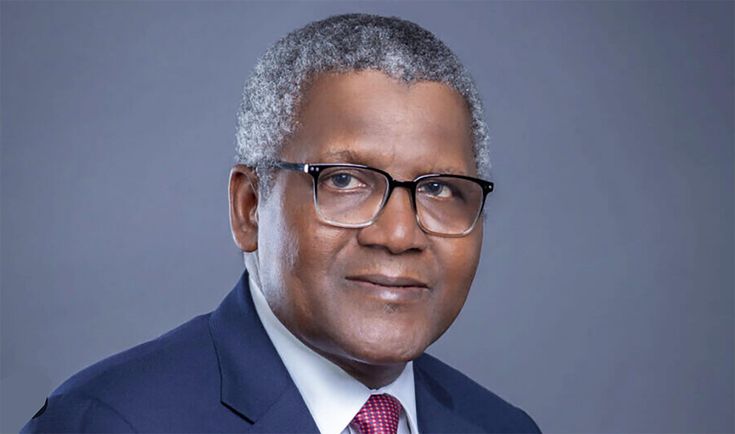
The billionaire industrialist has unveiled plans for a massive 20,000-megawatt power project, a proposal so large that it could dramatically reshape Nigeria’s electricity sector if it becomes reality. The announcement came during a conversation with International Finance Corporation Managing Director Makhtar Diop, where Dangote revealed that power generation is becoming the next major frontier for the Dangote Group.
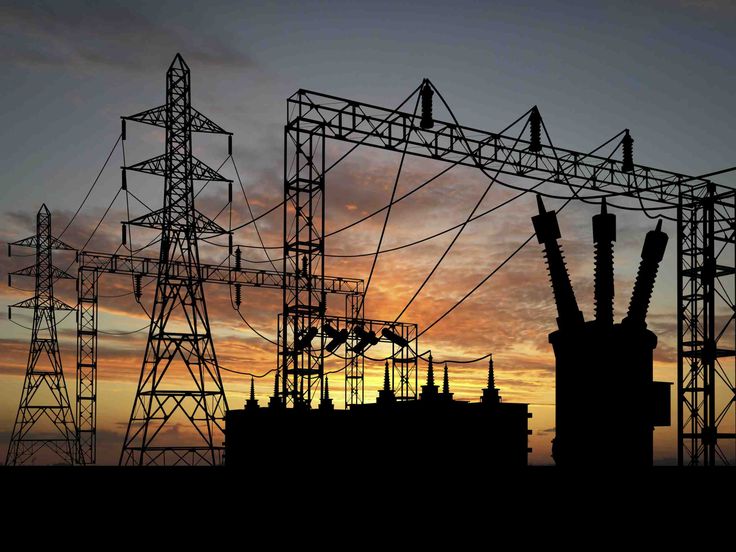
The scale of the proposal immediately captured attention because Nigeria’s current installed electricity generation capacity is estimated at around 13,000MW, and even that capacity is rarely fully available due to transmission failures, gas supply issues, and aging infrastructure.
In practical terms, Dangote is proposing a private-sector project larger than much of the country’s existing power system combined.
For many Nigerians, the idea sounds almost unbelievable. But then again, people once said the same thing about his refinery.
The Man Who Built What Others Thought Was Impossible
Aliko Dangote has spent years building projects many believed were too ambitious for Africa.
His cement empire transformed construction across the continent. His fertiliser plant became one of the largest in the world. Then came the Dangote Refinery, a project repeatedly described as unrealistic because of its size, complexity, and cost.
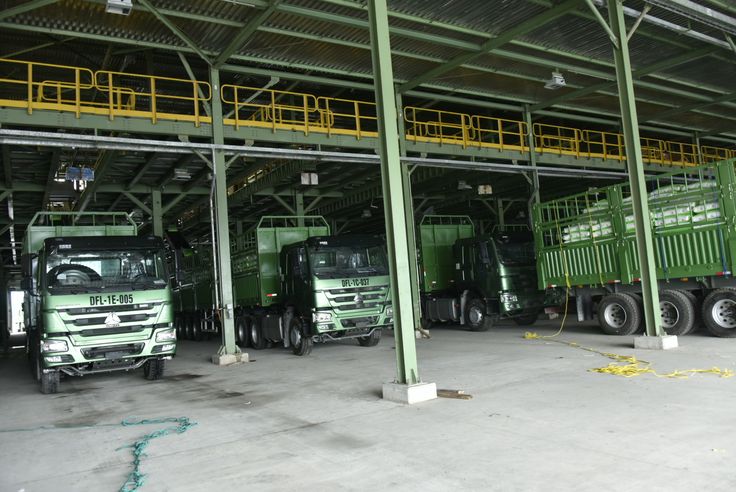
Yet after years of delays, skepticism, and financial pressure, the refinery eventually began operations and started reshaping fuel supply conversations across Africa.
That history matters because it changes how people interpret this latest announcement.
If another businessman had proposed adding 20,000MW to Nigeria’s electricity supply, many would dismiss it immediately. But Dangote’s reputation for executing large industrial projects gives the proposal weight, even without detailed timelines or financing plans.
According to reports,Dangote said stronger cash flow from his expanding businesses has given the group greater financial flexibility for new investments. The refinery, fertiliser operations, LNG ambitions, mining projects, and planned port expansion are now creating the kind of industrial ecosystem capable of funding even larger ventures.
Still, power generation is different from refining fuel or producing cement.
Nigeria’s electricity crisis is not simply about producing more power. The country also struggles with transmission infrastructure, distribution bottlenecks, vandalism, regulatory uncertainty, and decades of underinvestment. Generating electricity is only one part of a much larger system.
That is why some analysts believe the real question is not whether Dangote can build generation capacity, but whether the wider power sector can absorb and distribute it effectively.
Why Electricity Remains Nigeria’s Biggest Economic Problem
Few issues have limited Nigeria’s economic growth as consistently as electricity shortages.
Manufacturers spend billions annually powering factories with diesel generators. Small businesses lose income during blackouts. Hospitals struggle with unstable supply. Tech companies and industrial firms are forced to build expensive backup systems simply to operate consistently.

The impact goes beyond inconvenience.
According to development economists, unreliable electricity increases production costs, discourages industrial investment, weakens competitiveness, and slows job creation. Many businesses in Nigeria effectively pay for electricity twice: first through official bills and then through generator fuel and maintenance.
That burden is especially heavy for smaller businesses.
A tailor in Lagos, a welder in Aba, or a barber in Kano may spend a significant portion of daily earnings on fuel just to keep operating. In many areas, generators have become more reliable than the national grid itself.
This is why Dangote’s announcement matters beyond corporate expansion.
A project capable of adding large-scale power supply could potentially reduce dependence on generators, lower industrial costs, improve manufacturing productivity, and support economic growth. It could also encourage foreign investment in sectors that require stable electricity to function efficiently.
Yet the proposal also raises difficult questions.
Dangote has not publicly explained how the project will be financed, what energy source will be used, where the plants will be located, or how long construction could take. Large-scale power projects require enormous capital, regulatory approvals, transmission integration, and long-term planning.
Nigeria’s history is also filled with ambitious power promises that never fully materialized.
Successive governments have made policies, reforms and generated targets over the years, yet millions of Nigerians still experience unstable supply daily. That history naturally creates skepticism whenever another massive electricity plan is announced.