Jumia’s Search for Profit Is Costing Hundreds of Jobs
Jumia plans over 200 more job cuts as the African e-commerce giant pushes toward profitability. What does the layoffs reveal about the future of African tech and digital commerce?

When Jumia launched in 2012, it arrived with the confidence of a company convinced it could reshape African commerce forever. Investors called it the “Amazon of Africa.” Advertisements flooded television screens. For many young Africans, getting a job at Jumia felt like stepping into the future.
More than a decade later, the mood inside the company is very different.
Jumia is once again cutting jobs, this time targeting more than 200 additional roles as it pushes harder toward profitability. The announcement came alongside the company’s latest financial results, where executives outlined a leaner strategy focused on reducing costs, automating operations, and relying more heavily on artificial intelligence.
To investors, it is a sign of discipline. To workers, it is another painful chapter in a long season of uncertainty.
The layoffs are not happening because Jumia is collapsing. In fact, some of the company’s recent numbers show improvement. Revenue grew significantly in the first quarter of 2026, losses narrowed, and customer activity increased in key markets like Nigeria.
Yet those gains have not erased the central problem that has haunted Jumia for years: how do you build a profitable e-commerce business in markets where infrastructure is weak, delivery is expensive, and millions of consumers are financially strained.

The Dream That Once Excited Africa
Jumia’s rise was tied closely to the story of a changing Africa.
In the early 2010s, smartphone use was growing rapidly across the continent. Internet penetration was expanding. Young people were becoming more comfortable with online shopping, digital payments, and app-based services. Investors from Europe and the United States saw Africa as the next major frontier for tech-driven consumer businesses.
Jumia positioned itself at the center of that excitement.
The company expanded aggressively into several African countries, offering everything from electronics and groceries to fashion and home appliances. In Nigeria especially, Jumia became one of the most recognizable technology brands in the country.
But the reality of operating an e-commerce company in Africa quickly proved more difficult than the optimistic projections.
Unlike markets with efficient transport systems and reliable addressing structures, many African cities still struggle with traffic congestion, poor road networks, inconsistent electricity, and informal addressing systems. Delivering packages often costs far more than expected.
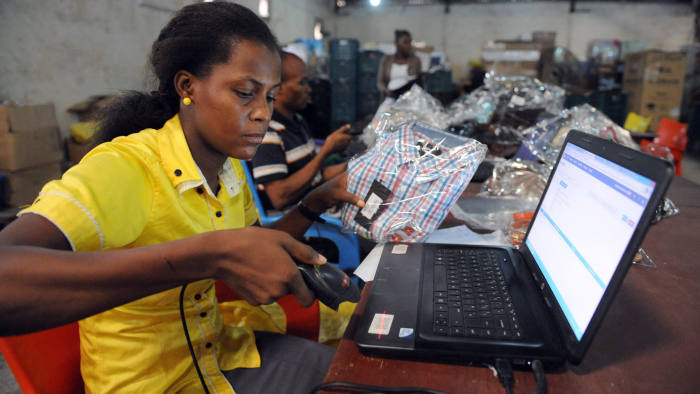
Consumer behavior also created challenges. Many customers preferred cash-on-delivery instead of digital payments, increasing risks for merchants and delivery teams. Inflation and currency instability further weakened purchasing power in several markets.
By the time Jumia went public on the New York Stock Exchange in 2019, questions about its long-term sustainability had already started surfacing.
Its stock soared initially, driven by excitement around African technology companies. But the enthusiasm faded as investors became more focused on profitability instead of expansion alone.
A Company Now Obsessed With Cutting Costs
The latest layoffs are part of a broader transformation inside Jumia.
Over the past few years, the company has steadily reduced spending, exited some markets, scaled back ambitious expansion plans, and restructured departments. Thousands of jobs have already been affected through earlier rounds of cuts and operational changes.
Now the company is entering a new phase where efficiency has become the priority.
Executives say automation and artificial intelligence will help streamline operations across customer service, logistics, marketing, and internal administration. In simple terms, the company wants to accomplish more with fewer people.

This reflects a larger global trend in the technology industry.
Since 2022, major technology companies around the world have cut jobs while increasing investments in AI systems that can automate repetitive tasks. Companies are under pressure from investors to prove they can grow without continuously burning cash.
For Jumia, that pressure is even stronger because African e-commerce remains a difficult business environment.
Shipping costs are high. Profit margins are thin. Many customers buy only during discount periods or festive seasons. Return rates can also be costly.
The company believes its current strategy can finally change the story.
According to its latest financial update, Jumia expects to reach adjusted EBITDA breakeven and positive cash flow by late 2026, with profitability potentially arriving in 2027. To investors, that timeline matters enormously because the company has spent years reporting heavy losses.
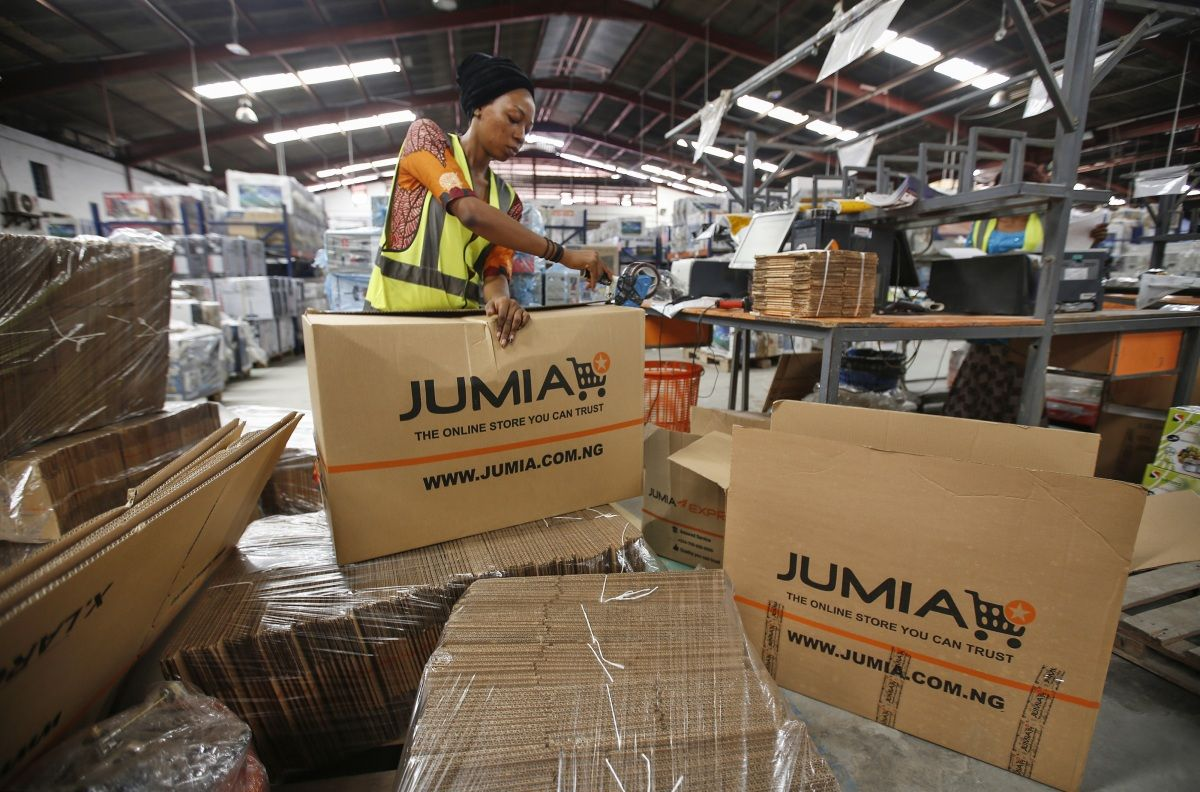
Still, behind the financial language are real workers whose lives are being disrupted.
Many employees joined Jumia during its high-growth years believing they were helping build one of Africa’s defining technology companies. For some, these repeated restructuring exercises have created an atmosphere of instability inside the wider tech ecosystem.
The Human Cost Behind the Numbers
Layoff announcements are often written in cold corporate language.
Companies speak about “optimization,” “efficiency,” and “restructuring.” But for employees, the experience is deeply personal.
A job loss affects rent, school fees, transportation, healthcare, and family stability. In countries already dealing with unemployment crises, layoffs from major companies can send waves of anxiety through entire communities.
Nigeria’s technology sector has experienced this repeatedly over the last three years.
Several startups and technology firms across Africa have downsized due to economic pressures, reduced investor funding, currency volatility, and slower consumer spending. Rising operational costs have forced companies to rethink aggressive expansion strategies that once defined the African startup boom.
For younger professionals especially, the emotional impact can be severe.
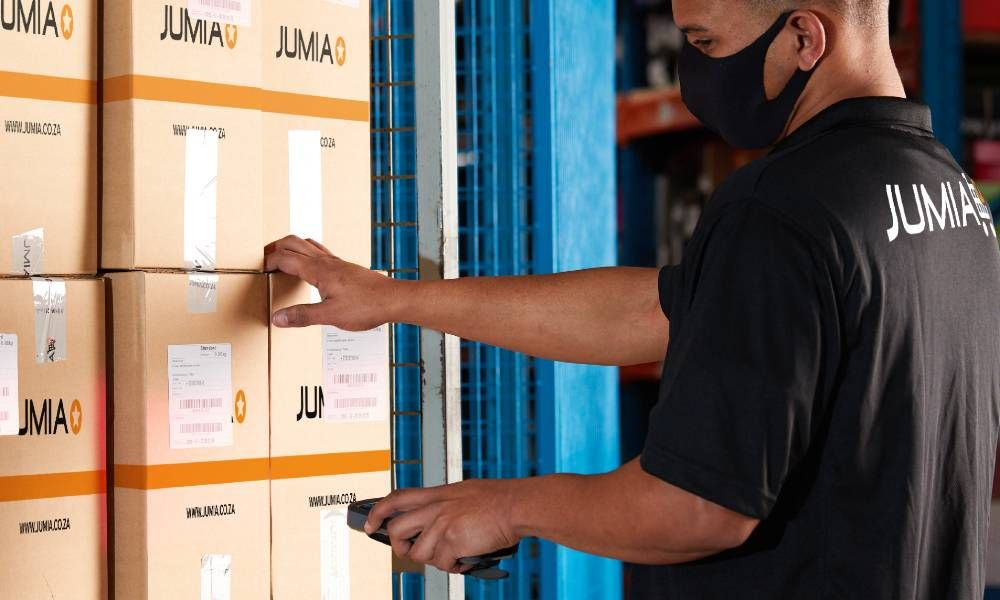
The African tech industry was once presented almost as a guaranteed path to upward mobility. Social media celebrated startup culture.
Venture capital funding rounds became national headlines. Young workers rushed into product management, software engineering, digital marketing, and operations roles believing the sector would provide long-term security.
But the industry is now entering a more difficult stage.
Companies are being forced to prove they can survive, not just attract headlines.
Jumia’s latest job cuts reflect that transition clearly. Growth alone is no longer enough. Investors now want sustainable businesses capable of generating profits in challenging economies.