The Three-Meal Myth: Who Decided We Should Eat Breakfast, Lunch and Dinner?
Is eating three meals a day actually necessary? A look at the history of breakfast, lunch, and dinner, the influence of the Industrial Revolution, and the rise of Intermittent Fasting in modern nutrition.
You wake up, eat breakfast. In the afternoon, you grab lunch. Evening comes, dinner is served.
You have done it so automatically your whole life that it feels like biology, like your body was wired this way from birth.
But the truth is nobody voted on this. No ancient council of elders gathered around a fire and declared "three meals or nothing."
The breakfast-lunch-dinner structure we treat as a gospel of standard, healthy food requirement is a pretty recent invention and it has a chaotic, more suspicious history than you would expect.
It Didn't Start This Way
Let's go back, way back.
Early humans ate whenever they found food. Some days, one meal. Other days, several. Some days, nothing at all if the hunt went badly.
There was no concept of "skipping breakfast" because breakfast didn't exist as a concept. Food was survival, not schedule.
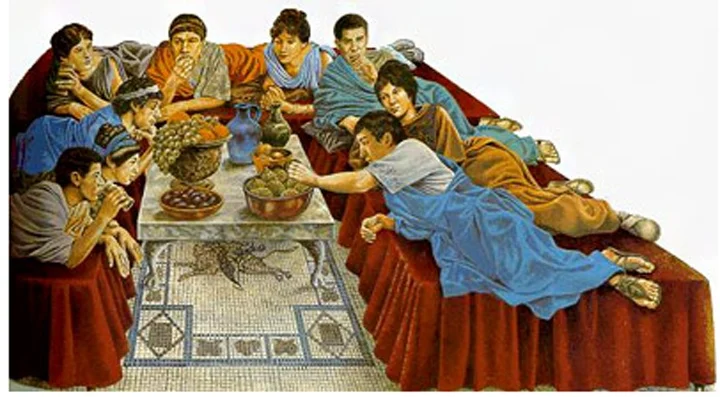
Some accounts posit that the ancient Romans ate once a day, around midday, and considered anything more to be excessive.
The ancient Greeks were a bit more adventurous, introducing a small morning meal, allegedly bread soaked in wine at sunrise. Sounds a bit iconic.
In medieval Europe, Christian religious routines dictated that nothing could pass your lips before morning Mass. The word "breakfast" literally meaning to break the overnight fast, comes from that era.
So breakfast started as a religious technicality not a nutritional one.
The Industrial Revolution Changed Everything
The real origin point of three-square-meal culture is the Industrial Revolution.

By the late 1700s, as Britain industrialised rapidly, workdays became longer and people could no longer return home mid-day for a main meal.
Workers needed fuel before their shifts, a quick fix at noon and a proper meal after and just like that, the three-meal structure was established.
Not from science or from an extensive study from a nutritionist. It came all from a factory eating system.
Before that, it was essentially a snack you carried in your pocket. The whole system was designed around 19th-century British industrial labour.
This structure then spread through colonialism. Pre-colonial African communities had their own food rhythms which was communal, seasonal and tied to the land.
People ate in ways that made sense for their environment and daily work, not according to a clock.

Colonisers framed structured mealtimes as a marker of civilisation, and "eating properly" became code for eating European.
That imposition followed them everywhere they went, including across Africa. Many of us inherited this schedule without ever being told where it actually came from.
Your Body Actually Doesn't Need Three Meals
But do you know your body was never consulted about the three-meal arrangement and science doesn't exactly endorse it either? Let me explain.
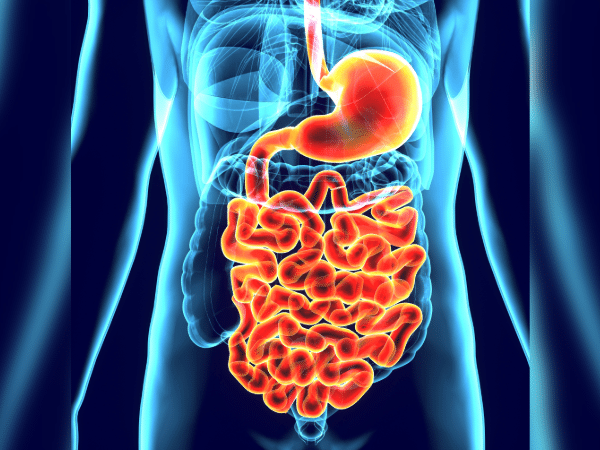
Every time you eat, your digestive system kicks intoactive processing mode. When you eat constantly or on a rigid schedule regardless of actual hunger you keep that system in near-permanent overdrive.
What many people don't know is that the gut has its own internal cleaning mechanism that only activates during periods of rest between meals.
When you are snacking every two hours or eating three full meals back to back, you interrupt that process repeatedly.
Over time, this contributes to the kind of sluggish digestion, bloating and gut discomfort that so many young people now treat as just a normal part of life. It isn't.
There is a growing argument in nutrition circles that the relentless push to eat three full meals daily coupled with ultra-processed food culture and constant snacking is a significant driver of the gut health crisis quietly spreading across the continent and the world.
The food industry, for its part, has never had a financial interest in telling you to eat less or less often.
Think about who funds nutritional research, who pays for the ads, and who profits every time you reach for another meal or snack you didn't actually need.
Enter Intermittent Fasting
Intermittent fasting has been trending hard lately but it is less of a new idea and more of a return to something old.
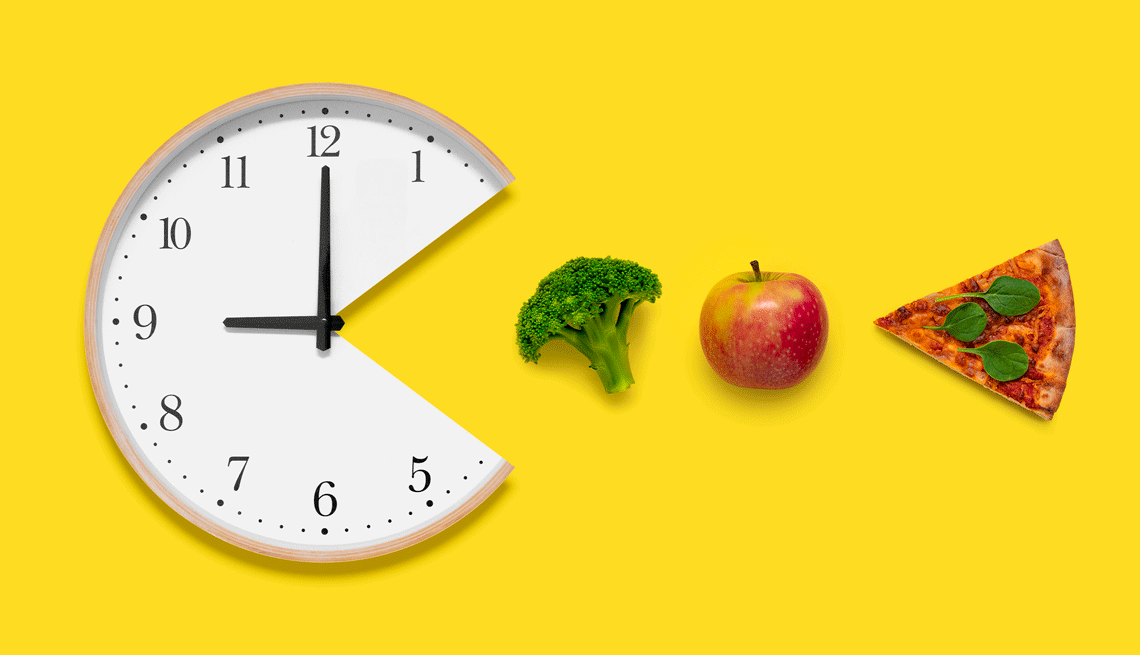
The most popular approach is the 16:8 method: fast for 16 hours, eat within an 8-hour window. There is also the 5:2 method, alternate-day fasting and early time-restricted eating.
The core idea is simple; stop eating around the clock.
The benefits go beyond weight management. Extended periods without food push the body into a kind of cellular maintenance mode, clearing out damaged cells and resetting metabolic processes that constant eating suppresses.
Inflammation drops. The gut microbiome, the community of bacteria that governs everything from digestion to mood, gets a chance to rebalance.
Energy, surprisingly, often stabilises rather than crashes.
However, intermittent fasting isn't for everyone. Pregnant women, people managing certain health conditions and anyone with a history of disordered eating should approach it carefully and with medical guidance.
But for the average young adult who has been eating three meals out of habit, not genuine hunger, it is worth asking whether the schedule is actually serving you, or whether you are just serving it.
What Now?
The three-meal system wasn't passed down by doctors, elders or even evolution.
It was handed down by factory owners, colonial administrators and food companies with a vested interest in you eating more, more often.
The cereal industry famously campaigned in the early 20th century to make breakfast feel non-negotiable. The snack industry followed.
Every layer of the modern food economy is built on the assumption that you eat constantly and on schedule.

Your grandmother who eats twice a day and outlives everyone might be onto something your diet culture hasn't caught up with yet.
Listen to your body. Eat when you are hungry.
Give your gut time to breathe. The clock has never been less qualified to tell you when to eat.