The Most Dangerous Part of Christmas No One Talks About
Christmas decor isn’t harmless. Toddlers choke and adults fall. See the most common holiday decorating injuries and how to prevent them.
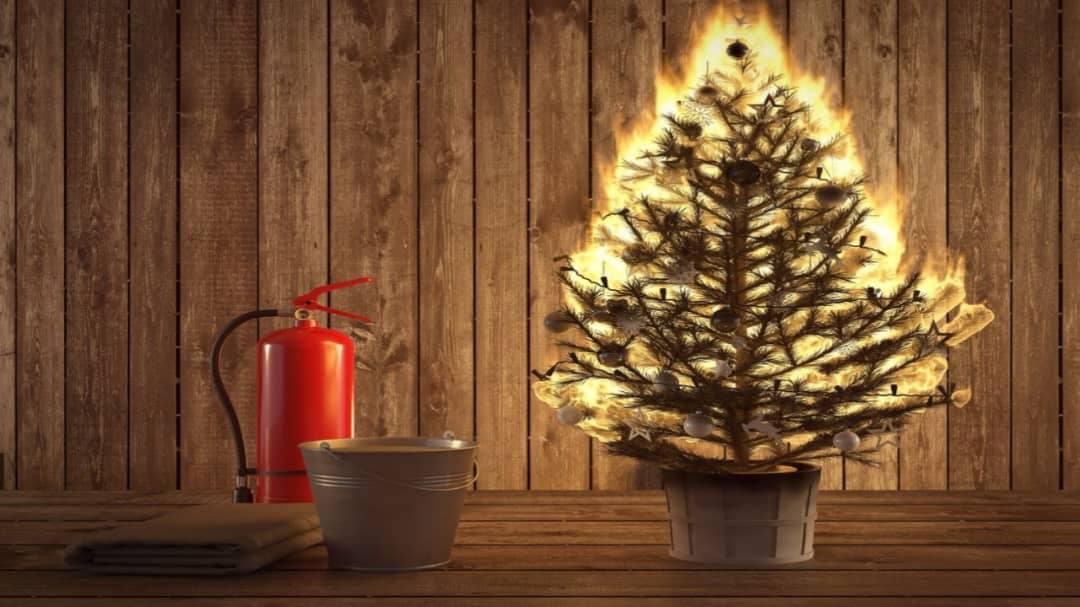
Every December, homes across the world undergo a familiar transformation. Ladders appear where sofas once stood, electrical wires snake across living rooms; even glass ornaments emerge from storage boxes that have not been opened in eleven months.
Christmas decorations, symbols of warmth and celebration, quietly become one of the most underestimated domestic hazards of the year.
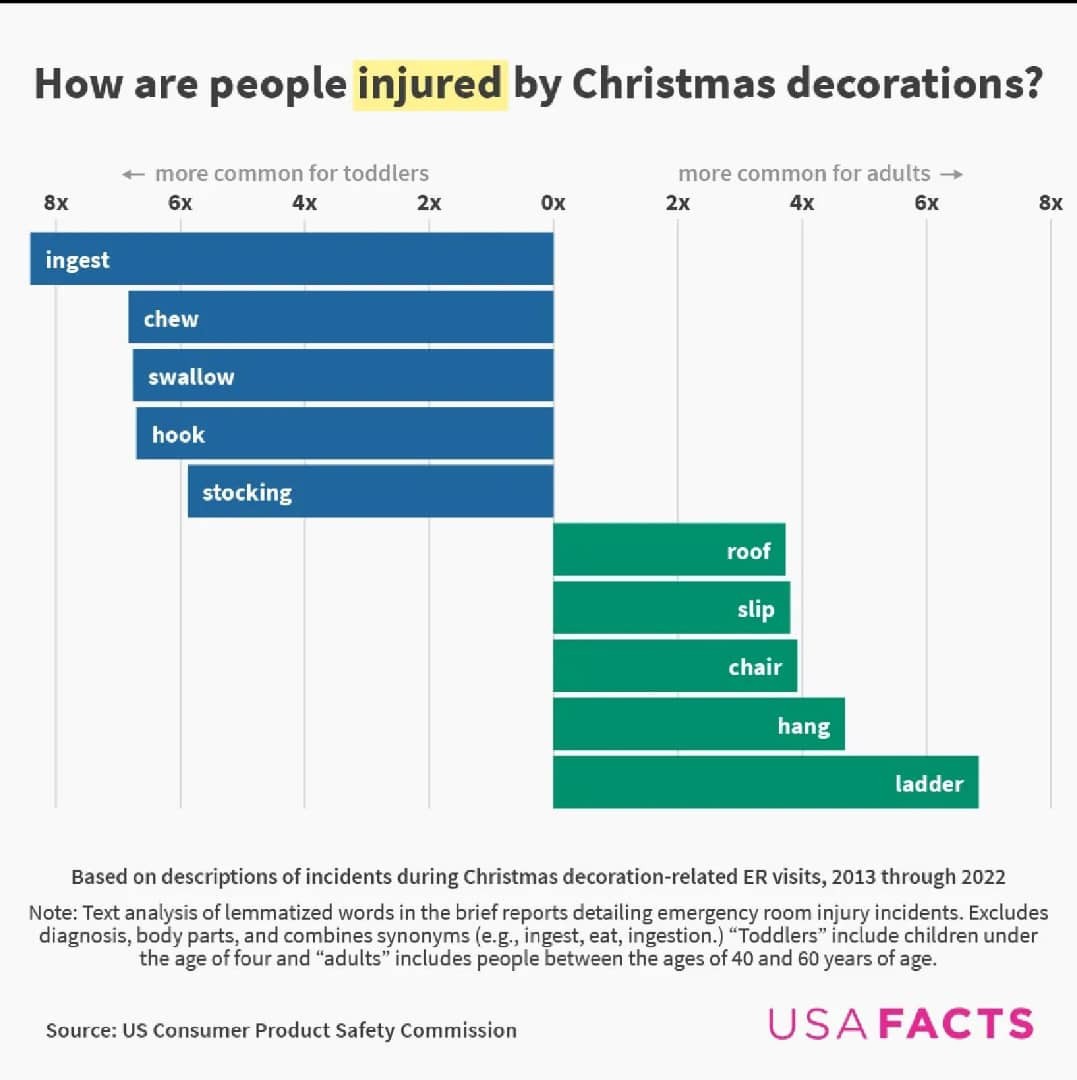
Emergency rooms know this story well. Behind the glow of fairy lights and tinsel is a steady rise in injuries directly linked to decorating activities. Data drawn from emergency room visits over nearly a decade reveals a striking reality: Christmas decorations injure toddlers and adults in fundamentally different but equally dangerous ways.
For children, the danger lies in curiosity and ingestion. For adults, it is height, balance, and overconfidence.
Let’s look into it.
The Hidden Injury Season Behind the Holidays
The weeks leading up to Christmas consistently rank among the most injury-dense periods in domestic emergency medicine. Hospitals in the United States, Europe, and parts of Asia report predictable spikes in non-traffic, non-occupational injuries tied to home activities.
Among these, Christmas decoration–related injuries form a distinct and recurring category.
According to the U.S. Consumer Product Safety Commission, thousands of people are treated annually for injuries sustained while decorating for the holidays.
These cases are not dominated by freak accidents but by repeat scenarios: falls from ladders, ingestion of ornaments, electric shocks from faulty lights, and cuts from broken decorations. What makes these injuries notable is not just their frequency, but their predictability.
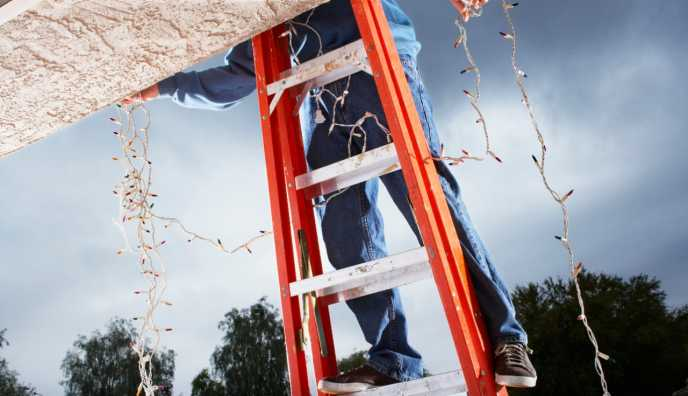
Public health researchers have identified Christmas decorating as a “seasonal risk behaviour cluster.” This means it combines several high-risk activities into a short timeframe: climbing, lifting, electrical work, and exposure to small objects, all performed under time pressure and emotional distraction.
Crucially, the data shows that risk does not distribute evenly across age groups. Instead, it splits sharply. Toddlers and adults suffer injuries from the same decorations, but in entirely different ways.
Toddlers and the Danger of Ingestion, Choking, and Curiosity
For children under the age of four, Christmas decorations represent something irresistible: colour, shine, texture, and novelty. Unlike adults, toddlers do not perceive decorations as symbolic objects.
Social Insight
Navigate the Rhythms of African Communities
Bold Conversations. Real Impact. True Narratives.
They experience them as sensory stimuli. This distinction explains why ingestion-related injuries dominate paediatric Christmas decoration cases.
Emergency room reports consistently show that toddlers are most likely to be injured by ingesting, chewing, or swallowing decorative items. Ornaments, hooks, tinsel strands, artificial snow, beads, and even fragments of light bulbs frequently appear in paediatric injury descriptions.
These objects are often small enough to enter a child’s mouth but large enough to obstruct the airway or digestive tract.
Choking remains the most immediate threat. Decorative hooks used to hang ornaments, especially metallic S-hooks, are a recurring hazard. Their curved shape allows them to lodge easily in the throat, and their rigidity makes them difficult to dislodge without medical intervention.
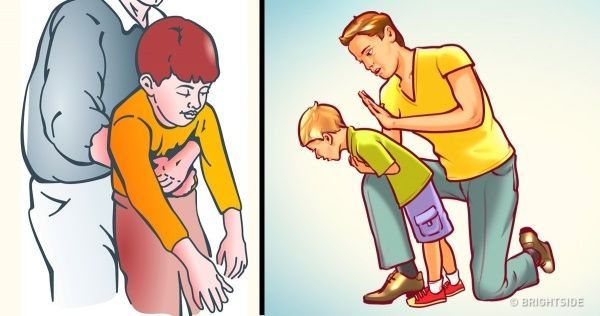
Ingestion of batteries, particularly button batteries from decorative lights; presents an even more severe risk. These batteries can cause chemical burns in the esophagus within hours, leading to long-term tissue damage or death.

Swallowing is not the only mechanism of injury. Many decorations are coated with toxic paints, artificial glitter, or chemical preservatives. Chewing on these items can result in poisoning or gastrointestinal distress, even when no choking occurs. Artificial snow sprays and ornament coatings often contain ethanol or acetone derivatives, substances not intended for ingestion.
Stockings and hanging decorations introduce another risk category: entanglement. Toddlers pulling on stockings attached to mantels or shelves can dislodge heavy objects above them, leading to blunt force injuries.
While these cases are less frequent than ingestion, they often result in head trauma, which is disproportionately dangerous in young children.
What makes these injuries especially tragic is their preventability. They arise not from negligence, but from a mismatch between adult assumptions and child behaviour. Decorations are placed at eye level for adults, not realizing that this places them squarely within reach of crawling or newly walking children.
Adults, Heights, and the Myth of the “Quick Climb”
While toddlers are injured by proximity, adults are injured by elevation. Among adults between the ages of 40 and 60, falls dominate Christmas decoration injuries, with ladders emerging as the single most dangerous object in the holiday decorating arsenal.
Ladder-related injuries spike sharply during late November and December. These are not inexperienced individuals unfamiliar with household tools. They are often homeowners performing tasks they believe to be routine: hanging lights, placing wreaths, adjusting roof decorations. The danger lies in familiarity breeding complacency.
The most common adult injuries occur during roof access. Climbing onto rooftops to install lights or decorations introduces multiple hazards simultaneously: unstable ladders, slippery surfaces, poor weather conditions, and awkward body positioning. Even a short fall from a ladder can result in fractures, spinal injuries, or traumatic brain injury, particularly in middle-aged adults whose bone density and reflexes are no longer optimal.
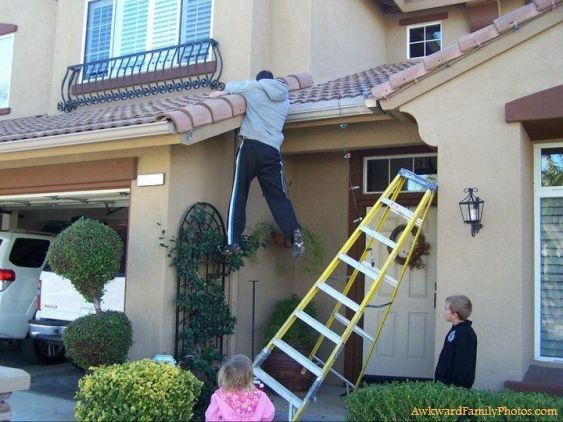
Hanging decorations introduces another risk factor: entanglement. Light strings can wrap around limbs or ladder rungs, increasing fall risk. Additionally, many adults attempt to decorate alone, removing the possibility of spotters or immediate assistance.
Electrical injuries, though less common than falls, still account for a significant portion of adult cases. Faulty wiring, damaged insulation, and overloading outlets can lead to burns or shocks. These incidents often occur when older light sets are reused year after year without inspection.
Social Insight
Navigate the Rhythms of African Communities
Bold Conversations. Real Impact. True Narratives.
The narrative that emerges is not one of recklessness, but of overconfidence. Adults often treat holiday decorating as a trivial task rather than a construction-like activity involving height, tools, and electrical systems.
Why Christmas Decorations Create Unique Safety Risks
Christmas decorations are not inherently more dangerous than other household objects. What distinguishes them is context. They are deployed seasonally, stored for long periods, and reintroduced into homes in a compressed timeframe. This leads to several compounding risk factors.
Decorations are often outdated. Electrical standards evolve, but decorations purchased years ago may not meet current safety guidelines. Frayed wires, brittle insulation, and obsolete plugs increase the likelihood of malfunction.
Decorating is emotionally charged. People decorate while multitasking, supervising children, hosting guests, or rushing to meet social expectations. Cognitive distraction significantly increases accident risk, especially during activities requiring balance or precision.
Decorations alter the physical environment. Furniture is moved. Walkways are obstructed. Floors become cluttered with boxes, cords, and tools. These temporary changes disrupt habitual movement patterns, making trips and falls more likely.
Alcohol plays a subtle but documented role. Holiday decorating often coincides with social drinking, particularly during group decorating events. Even small amounts of alcohol impair balance and judgment, compounding risk during ladder use or electrical work.
Decorations blur the line between toy and tool. For children, decorations resemble playthings. For adults, ladders and lights are treated casually rather than with the caution afforded to power tools or construction equipment. This misclassification contributes directly to injury rates.
Prevention, Responsibility, and Rethinking Holiday Safety
Reducing Christmas decoration injuries does not require eliminating tradition or aesthetic joy. It requires reframing decorating as a safety-critical activity.
For households with young children, prevention begins with placement. Decorations should be positioned above reach, with particular attention to small detachable components. Ornament hooks, tinsel, and battery-powered items should be secured or avoided entirely in accessible areas. Artificial trees should be anchored to prevent tipping, and stockings should not be attached to unstable surfaces.
Supervision remains essential, but environmental control is more reliable than constant vigilance. Designing spaces that assume children will touch, pull, and mouth objects is a more realistic safety strategy.
For adults, the most effective intervention is behavioural. Ladders should be treated with the same seriousness as driving or operating machinery. This means using appropriate ladder types, ensuring stable footing, avoiding roof access without assistance, and never substituting chairs or furniture for proper equipment.
Electrical decorations should be inspected annually. Damaged cords should be discarded, not repaired. Outdoor lights must be rated for exterior use, and extension cords should not be overloaded.
Public safety campaigns increasingly emphasize these measures, but cultural attitudes lag behind. Decorating remains framed as harmless domestic labour rather than a task with genuine injury potential. Changing this perception is key to reducing emergency room visits.
Social Insight
Navigate the Rhythms of African Communities
Bold Conversations. Real Impact. True Narratives.
Ultimately, Christmas decoration injuries reveal something deeper about domestic risk. They expose how familiarity dulls caution, how tradition overrides safety, and how homes, often perceived as safe spaces, can become hazardous under the right conditions.
The irony is sharp: objects meant to symbolize comfort and celebration become sources of pain precisely because they are trusted too easily. Recognizing that reality is not an attack on the holiday spirit. It is an act of responsibility.
And in a season built on care, that may be the most meaningful decoration of all.