Science vs Belief: Why Facts Struggle to Compete With Misinformation
We live in an age where WhatsApp forwards beat scientific evidence. This article talks about how belief keeps winning over facts and how misinformation thrives on emotion, not truth.

You’ve probably been there: someone insists that drinking lemon water first thing in the morning cures all diseases. You explain patiently that no scientific study supports this.
Welcome to the world where facts go to die. It’s not that people are dumb, it’s that belief is emotional, easy, and comforting, while science is complicated, inconvenient, and slow.
Take vaccines, for example. Thousands of studies show they are safe and effective, yet millions still cling to myths they found on Facebook or WhatsApp forwards. The World Health Organization calls this phenomenon an “infodemic”, a viral overload of false or misleading information that spreads faster than a sneeze in a crowded bus.
And let’s be honest: scrolling past your cousin’s forwarded message telling you the COVID vaccine that year contains microchips feels way more satisfying than reading a 30-page medical journal.
Why does belief often beat fact? One word: emotion.
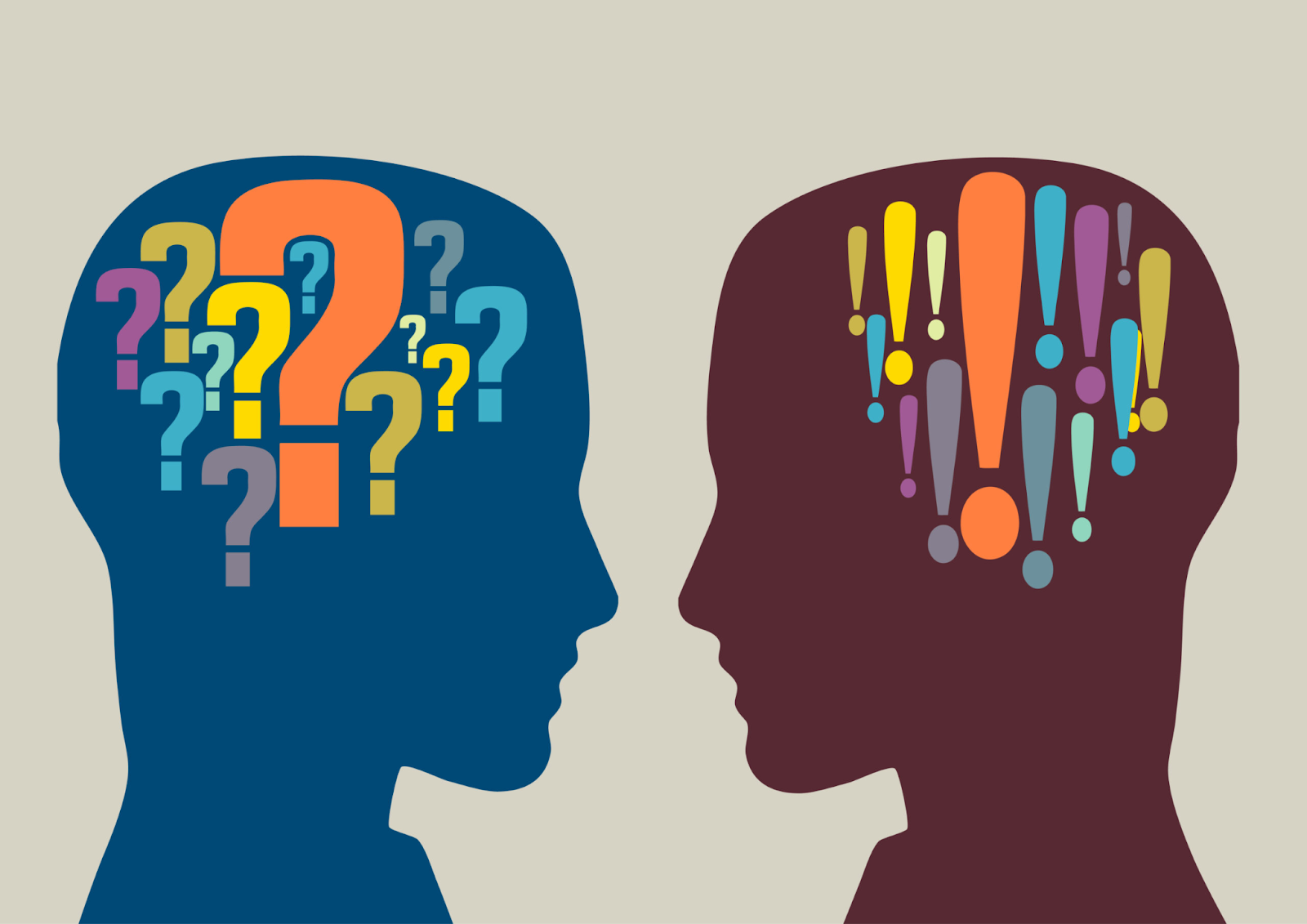
Human brains are wired to prefer stories over statistics. People trust what feels personal, familiar, and emotionally satisfying. A single tale about someone “getting sick after vaccination” sticks far longer than dozens of studies proving the opposite.
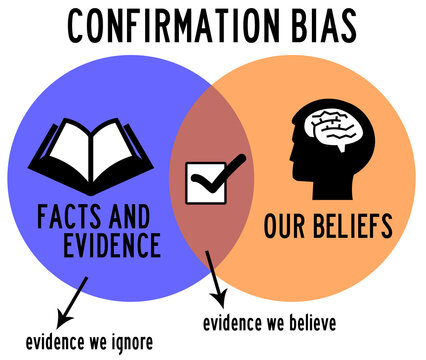
Psychologists call this confirmation bias, we look for evidence that fits our existing worldview and ignore the rest. And honestly, who doesn’t want to feel like they “figured it out” while everyone else is blindly following the system?
Humorously, science often shoots itself in the foot here. Researchers say “the evidence is inconclusive” or “more studies are needed,” and suddenly it sounds like they’re admitting they have no clue.
Meanwhile, your cousin’s WhatsApp message starts with “Don’t let them trick you!” and suddenly it has all the confidence science lacks. Facts are polite, precise, and boring. Beliefs are bold, loud, and emotionally satisfying. Guess which one goes viral?
Social media is the wildfire that fans these flames. Algorithms reward content that sparks outrage, surprise, or joy. Scientific truths rarely trigger anger or meme potential; misinformation thrives on both.
One viral post can overshadow months of careful research. Misleading information about health spreads six times faster than verified facts online
This isn’t a conspiracy; it’s just how the attention economy works. And no, sharing a fact-filled article doesn’t fix it, it’s like showing up to a rap battle with a math textbook.
There’s also the matter of trust. People mistrust institutions more than ever, government, universities, and even reputable research bodies. Past scandals, conflicting reports, and sensationalized media coverage make people question science even when the evidence is solid.
In contrast, belief is personal, intimate, and feels owned by you, not some faceless authority. This is why a tweet from your favorite influencer can sway more minds than a decade of peer-reviewed research.
Take nutrition advice as another example. Remember the whole “egg is bad for your heart” scare? Or “coffee will stunt your growth”? One week we are avoiding eggs like they’re poisonous; the next week we are drinking four cups of coffee thinking it’s a fountain of youth.
Meanwhile, scientific research, summarized by Harvard Health, consistently explains risks and benefits clearly. But who wants to read a balanced, boring summary when you can scroll memes claiming eggs are Satan’s breakfast?
Another key problem is accessibility. Science is often locked behind paywalls, written in jargon, and explained with graphs that feel like modern art. Meanwhile, misinformation is free, digestible, and fun to share. It fits in a 30-second scroll, a catchy headline, or a dramatic image.

This gap in accessibility and relatability gives belief an enormous head start before facts even get a chance to speak.
Yet, there are ways science can fight back and even win. It requires storytelling, humor, and emotional resonance. Scientists now realize that simply stating data isn’t enough.
Explaining concepts using relatable examples, funny metaphors, and honest admission of limitations works better than rigid authority. Initiatives like theScience Communication Lab provide guidance on translating research into human-friendly stories.
The key is to meet people where they are, not lecture them from a high pedestal.
Now this is the tricky, funny, human part: even when people are shown facts, they often resist if it clashes with their worldview. That’s not stubbornness, it’s self-protection. Accepting a fact that contradicts deeply held beliefs can feel like your identity is being attacked.
This explains why some parents fiercely refuse vaccines, climate change deniers cling to old narratives, and why many still believe myths about “miracle” foods. Science isn’t losing because it’s wrong, it’s losing because it’s rational in an irrational system.
At the same time, there is hope. Combining facts with stories, humor, and empathy has been shown to increase trust and understanding. For example, science communicators now use short videos, relatable analogies, and humorous takes to reach broader audiences.
A meme explaining why handwashing works can teach more people than a 50-page hygiene manual. Facts can compete with belief, but only when they acknowledge human psychology, emotions, and attention spans.
In the end, science doesn’t just compete with misinformation, it competes with human nature itself. We love stories, shortcuts, and feeling smart without effort. Facts are slow, polite, and require patience. Belief is fast, loud, and immediately rewarding
Winning this battle means translating research into relatable stories, acknowledging emotions, and sometimes using humor or sarcasm to make a point stick.
Science may never beat belief completely but understanding why beliefs spread faster, why emotions dominate, and why trust matters can at least give facts a fighting chance. After all, it’s not about proving people wrong; it’s about making truth feel human.