Intermittent Fasting: Benefits, Risks, and Best Practices
Intermittent fasting isn’t one-size-fits-all. Learn its benefits, risks, and best practices to improve weight, metabolism, brain, and heart health

In recent years, intermittent fasting (IF) has become one of the most popular health trends worldwide.
Unlike traditional diets that focus on what you eat, intermittent fasting focuses on when you eat. By alternating between periods of eating and fasting, this approach can offer several health benefits, but it’s not without risks.
Let us see the basics of intermittent fasting, its benefits, potential risks, and best practices for getting started.
What is Intermittent Fasting?
Intermittent fasting is an eating pattern that cycles between periods of eating and periods of fasting. It doesn’t dictate which foods to eat but rather when to eat them. This makes it flexible and suitable for many people.
Common Methods of Intermittent Fasting:
16/8 Method: Fast for 16 hours and eat during an 8-hour window (e.g., 12 PM to 8 PM). This fasting method, alongside calorie restriction, may be beneficial for weight management in adults with overweight or obesity and may have a positive effect on blood sugar processing

5:2 Diet: Eat normally for 5 days, then consume only 500–600 calories on 2 non-consecutive days.

Eat-Stop-Eat: Fast for 24 hours once or twice a week.
Alternate-Day Fasting: Alternate between normal eating days and fasting days.
Each method has its own advantages, and the best one depends on your lifestyle, goals, and personal preference.
Benefits of Intermittent Fasting
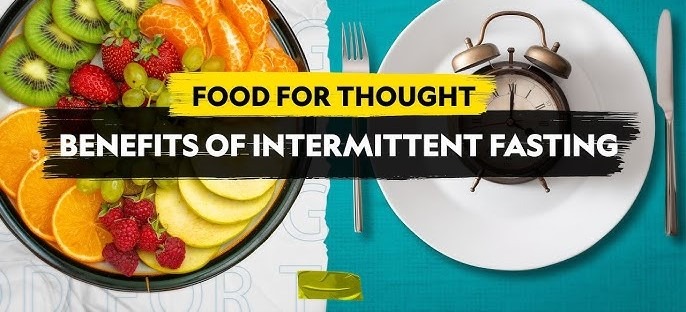
1. Supports Weight Loss
One of the main reasons people try intermittent fasting is weight management. By reducing the eating window, people often naturally consume fewer calories. Fasting may also increase the release of norepinephrine, a hormone that helps burn fat.
2. Improves Insulin Sensitivity
Intermittent fasting can help lower blood sugar levels and improve insulin sensitivity. This may reduce the risk of type 2 diabetes and support overall metabolic health. For people with prediabetes, fasting can be a helpful tool to stabilize blood sugar, though medical supervision is recommended.
3. Promotes Heart Health
Intermittent fasting can improve key markers of heart health, including blood pressure, cholesterol levels, triglycerides, and inflammation. These changes may reduce the risk of heart disease over time.
4. Boosts Brain Function
Fasting stimulates the production of brain-derived neurotrophic factor (BDNF), a protein that supports learning, memory, and overall brain health. IF may also reduce the risk of neurodegenerative diseases such as Alzheimer’s.
5. Encourages Cellular Repair
During fasting, the body activatesautophagy, a process where damaged cells are cleaned out and repaired. This natural repair mechanism can help slow aging and reduce the risk of certain chronic diseases.
Potential Risks and Considerations
While intermittent fasting has many benefits, it’s not suitable for everyone and carries potential risks:
Hunger and Irritability: In the early stages, fasting can cause fatigue, irritability, or headaches.
Nutrient Deficiency: Restricting eating windows may lead to insufficient intake of vitamins and minerals if meals are not balanced.
Not for Everyone: Pregnant or breastfeeding women, people with a history of eating disorders, or individuals with certain medical conditions should avoid IF unless supervised by a healthcare professional.
Muscle Loss: Without adequate protein intake and resistance training, extended fasting may lead to loss of muscle mass.
It’s important to listen to your body and stop fasting if you experience dizziness, extreme fatigue, or other concerning symptoms.
Best Practices for Intermittent Fasting

Start Gradually
Begin with a shorter fasting window, such as 12 hours, and slowly increase to 16 or more hours. This helps your body adjust without excessive discomfort.Stay Hydrated
Drink plenty of water during fasting periods. Black coffee, tea, and herbal drinks without sugar are generally allowed.Eat Nutrient-Dense Meals
Focus on whole foods rich in protein, fiber, healthy fats, and vitamins. Avoid filling your eating window with processed or high-sugar foods.Listen to Your Body
If you feel weak, dizzy, or unwell, break the fast and consult a healthcare professional. IF is flexible, and it’s more important to maintain health than to stick rigidly to a schedule.Combine with Exercise
Moderate exercise can complement fasting by boosting fat burning and improving metabolism. Avoid intense workouts on a completely empty stomach at first.
Intermittent fasting is a flexible eating pattern with evidence-based benefits for weight management, metabolism, heart health, brain function, and cellular repair.
However, it is not a one-size-fits-all solution. The key to success is choosing a fasting method that fits your lifestyle, eating nutrient-rich foods during eating windows, and listening to your body.
With the right approach, intermittent fasting can be a powerful tool to improve overall health and well-being.