Nigeria Has a Satellite Company, And Most Nigerians Have Never Heard of It.
NIGCOMSAT jumped from ₦650 million to ₦2.2 billion in revenue in one year. But with one ageing satellite, an $11.4 million unpaid bill, and a 2028 deadline, the real story is what Nigeria stands to lose.
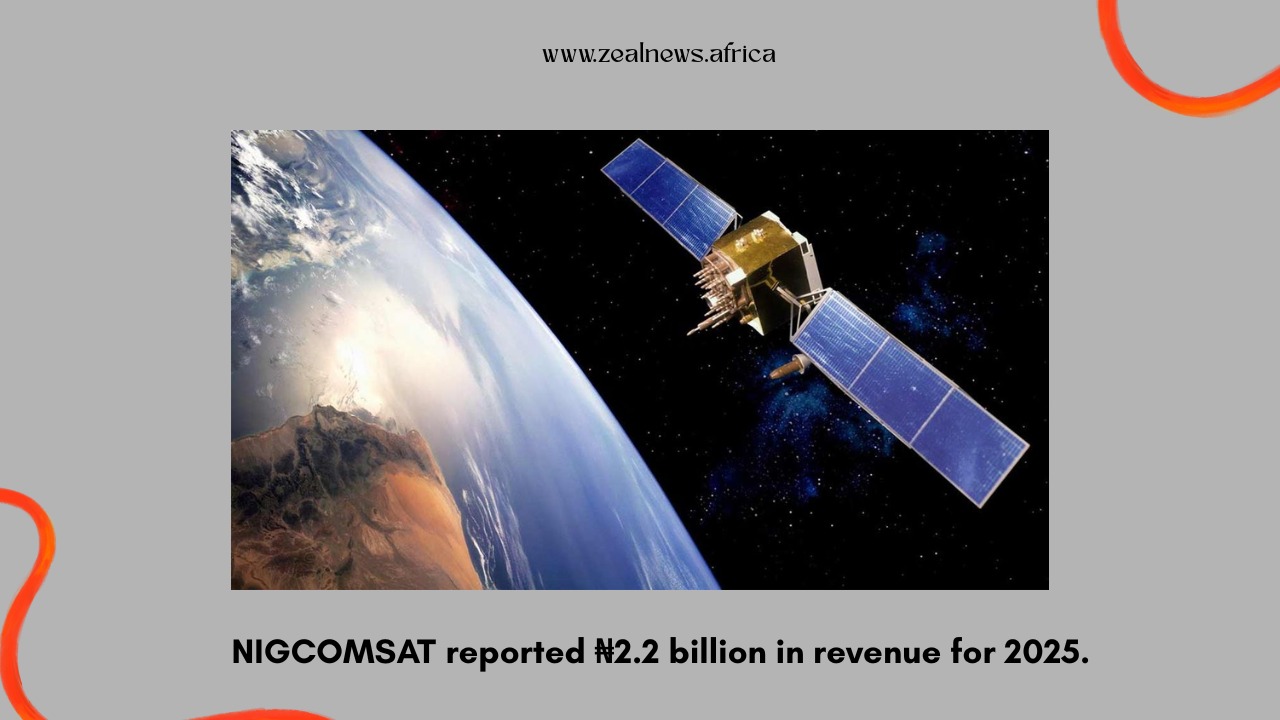
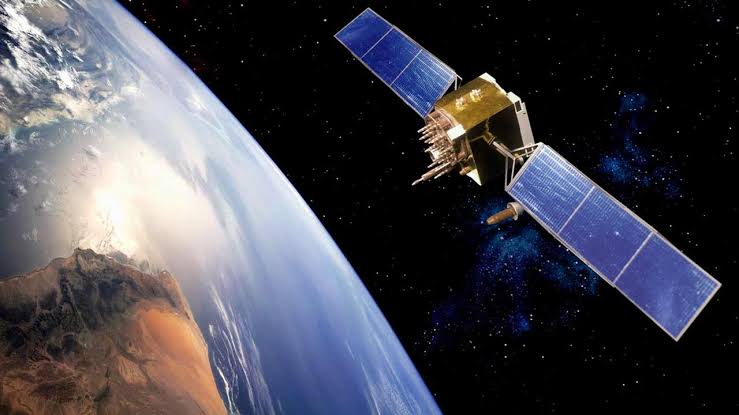
Somewhere above the earth, roughly 35,800 kilometres above your head, a Nigerian-owned satellite is orbiting the planet right now. It is bouncing signals across borders, keeping television stations on air, connecting military command centres in places too remote for fibre cables to reach.
It is called NigComSat-1R. It belongs to Nigeria. And most Nigerians could not tell you it exists.
That invisibility is the first problem. The second problem is more urgent; the satellite was not supposed to still be up there.
From ₦650 Million to ₦2.2 Billion in One Year
NIGCOMSAT, Nigeria's state-owned satellite company, reported ₦2.2 billion in revenue for 2025. A year earlier, that number was ₦650 million. That is a 238% jump in twelve months; the kind of growth that, in a private company, would trigger a press tour and a valuation conversation.
CEO Jane Egerton-Idehen announced the figuresat a press briefing in Lagos and was careful about how she framed them. This was not a lucky year, she said. It was part of a long-term trajectory. The distinction matters because NIGCOMSAT has a credibility problem it has been quietly trying to outlive.

In 2008, Nigeria lost its first satellite entirely. NigComSat-1 failed in orbit, taking years of investment and significant national pride with it. The replacement — NigComSat-1R — was launched in 2011, and for years the company operated under the long shadow of that first, very public failure. Rebuilding trust after a satellite falls out of the sky is not a quarterly target. It is a decade-long project.
The ₦2.2 billion is evidence that the project is working. But the company's next revenue target is ₦8 billion, and the gap between where NIGCOMSAT is and where it needs to be tells you everything about how much has been left on the table.
The Satellite Was Supposed to Be Retired. It Is Still Working.
NigComSat-1R was designed to last 15 years. That lifespan has been extended to 2028 through technical upgrades, a polite way of saying Nigeria kept a satellite running past its expiry date because the replacement is not ready yet.
A new satellite is planned for launch in 2028, with another following in 2029. That pipeline matters because a country with one active satellite is one malfunction away from a serious national infrastructure crisis. Broadcasting, military communications, rural connectivity, government operations; all of it runs through a single point of failure orbiting 35,800 kilometres above the earth.
Complicating this further is an active dispute with China Great Wall Industry Corporation, the firm responsible for managing NigComSat-1R. The disagreement centres on $11.4 million in unpaid fees.
The details are technical, but the implication is not; when your only satellite is being managed by a company you owe money to, the word "reliability" becomes complicated.
NIGCOMSAT has not publicly addressed how this dispute affects day-to-day operations. That silence is louder than any press briefing.
Broadband Is the Opportunity Nobody Is Chasing, Yet
The company's broadcasting business currently generates more than half of its total revenue. NIGCOMSAT provides services to over 50% of Nigeria's licensed broadcasters.
That is not a small number; it means every time you watch a locally licensed TV station, there is a real chance a Nigerian satellite is part of the reason the signal reaches you.
But Egerton-Idehen is not looking at broadcasting for the next phase of growth. She is looking at broadband, and she described NIGCOMSAT's current capacity in that space as significantly underutilised.
Underutilised is a corporate word for wasted potential. Nigeria has millions of people and thousands of businesses operating in areas where fibre internet cannot reach, where telecom infrastructure is patchy, and where satellite broadband is not a luxury option but the only option.
NIGCOMSAT is sitting on the infrastructure to serve those users. It is not yet doing so at scale.
The company's stated customer targets for broadband expansion include individual consumers, private businesses, telecom operators, and government institutions.
State governments are already quietly becoming key clients — Adamawa, Gombe, Cross River, and Imo are among the regions currently using NIGCOMSAT's services to support connectivity projects.

The path to ₦8 billion runs directly through closing this gap. The infrastructure exists. The demand exists. What has been missing is the speed of execution.
The Part Nobody Talks About — National Security
Satellites do not just carry television signals and internet traffic. In forests, border zones, offshore oil platforms, and conflict-affected regions where no terrestrial network exists, satellite communication is how Nigeria's military and security forces talk to each other in real time.
NIGCOMSAT's systems are integrated into mobile and stationary military assets: armoured vehicles, naval vessels, field command units. They enable live transmission of voice, video, and data to command centres in locations where planting a phone mast is impossible and running a fibre cable is a fantasy.
In those environments, satellite connectivity is not an alternative. It is the only option. Which means NigComSat-1R's extended lifespan and the ongoing payment dispute with its manager are not just commercial footnotes; they are national security considerations.
A country that does not control its satellite infrastructure does not fully control its own communications in a crisis. Nigeria understands this, which is why the replacement satellite pipeline exists. The urgency of actually executing that pipeline, on time, cannot be overstated.
NIGCOMSAT's revenue growth is a real story. The journey from ₦650 million to ₦2.2 billion deserves to be told. But the bigger story is what Nigeria stands to lose if it does not get the next satellite up before the current one finally runs out of time.
The clock is not metaphorical. It is orbital.