Misplaced Empathy: Why Nigerians Keep Making Excuses for Wrongdoers
Misplaced empathy in Nigeria often protects offenders while victims are pressured to forgive. How religiosity turns mercy into an excuse for avoiding accountability.
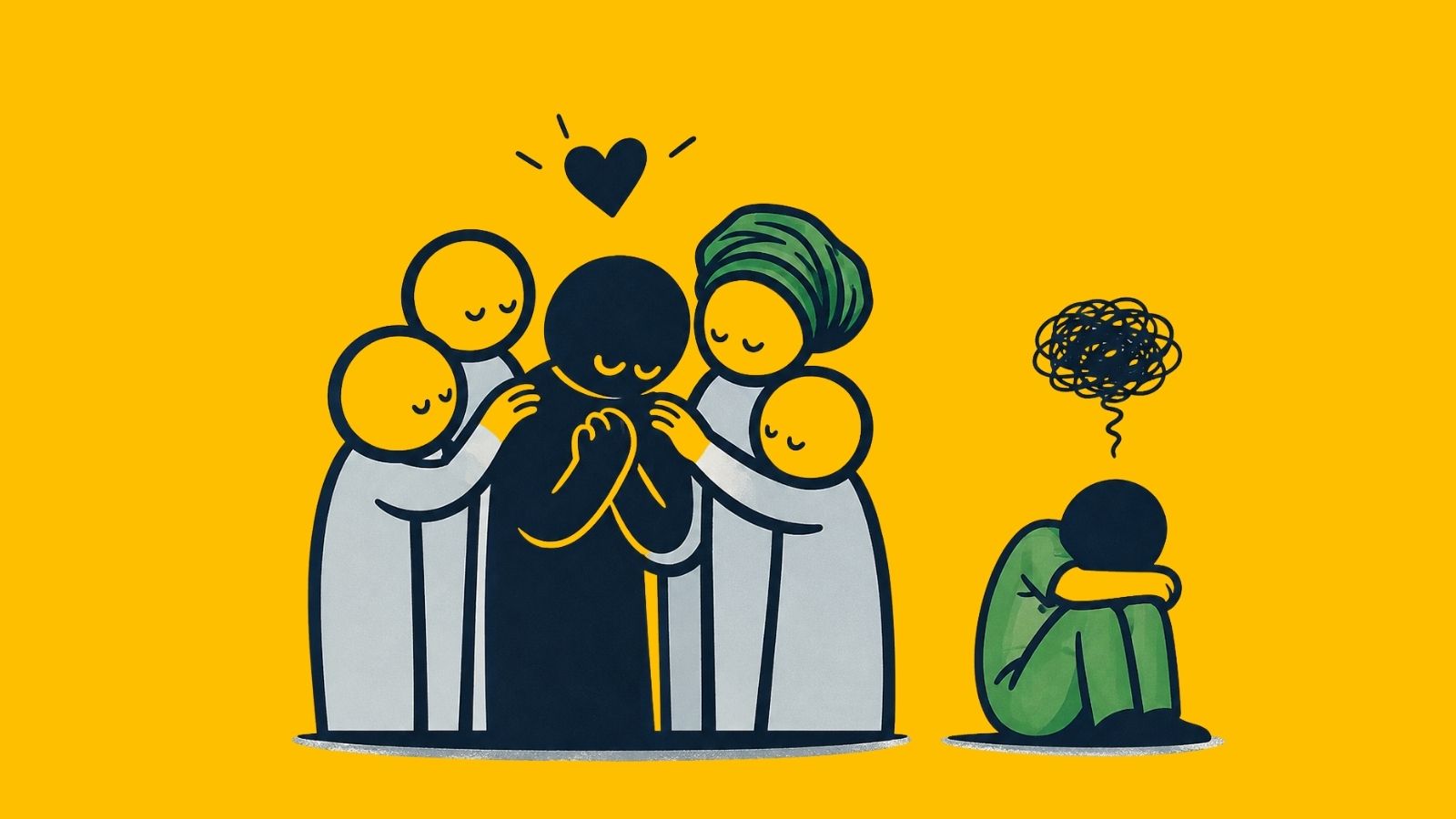
It is a very Nigerian thing to get the heat as the victim of a crime, rather than the criminals themselves. People tend to view it as mercy and an act of forgiveness, using religiosity as a lens to wipe off accountability.
I call it misplaced empathy: the empathy that should largely never exist when accountability is what should be reached for.

What Is Misplaced Empathy in Nigeria?
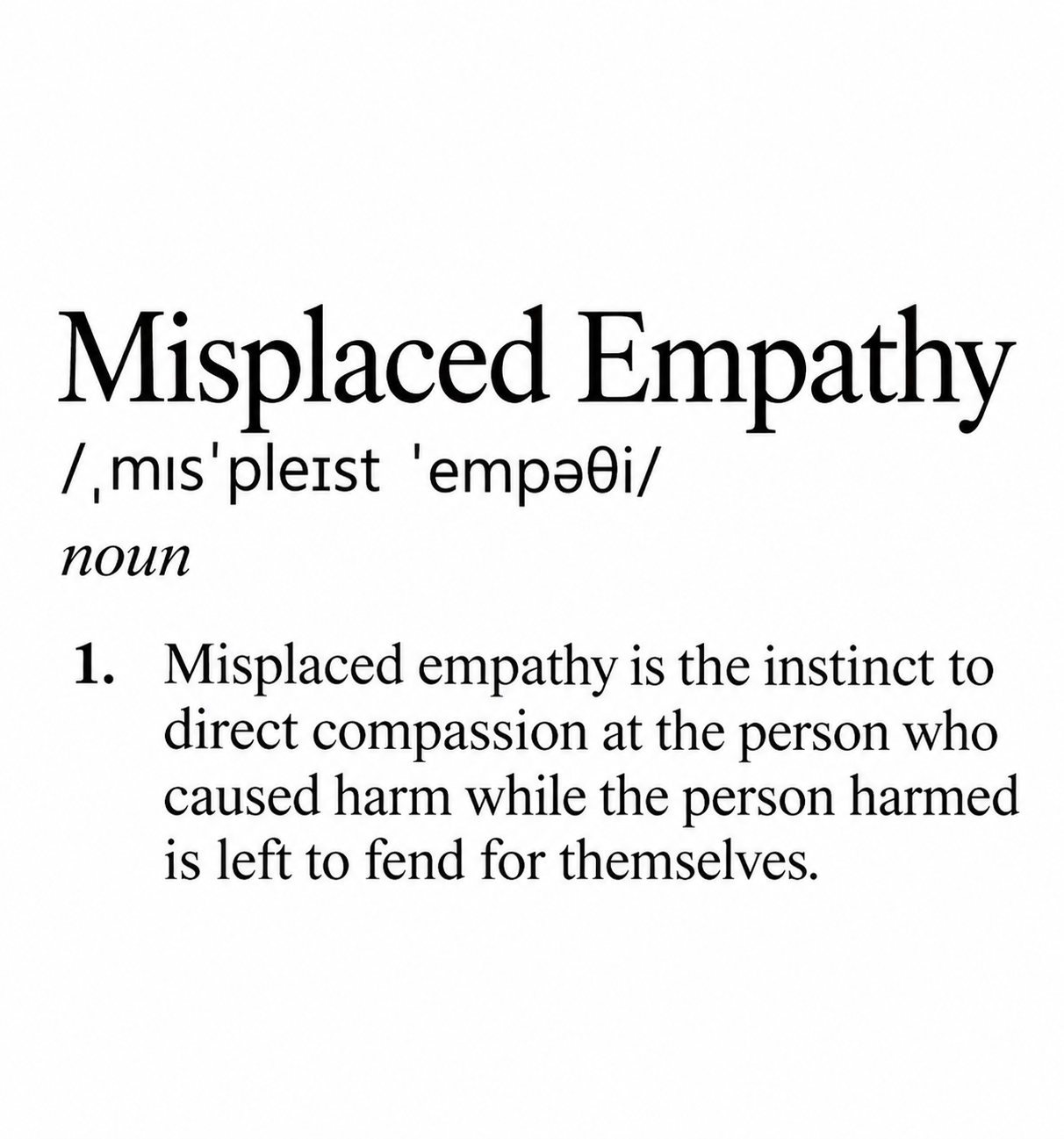
Misplaced empathy is the instinct to direct compassion at the person who caused harm while the person harmed is left to fend for themselves. That is not even kindness in the slightest.
Real empathy begins with the person who was wronged, because that is who is affected.
In Nigeria, this instinct is wrapped in the language of mercy. Someone commits an offence, the public calls for consequences, and almost immediately a chorus begins: “Forgive them,” “God forgives,” “Who is perfect?”
The offender becomes the subject of our sympathy, and the victim becomes the one who is “holding on to bitterness.”
Blessing CEO and the “She Has a Son” Argument
Take the case of Blessing CEO, who recently admitted that she defrauded Nigerians, using a fake cancer diagnosis to solicit for funds. You would expect the conversation to centre on the people who lost money and trust. Instead, one comment suggested that Nigerians should forgive her because she has a son.
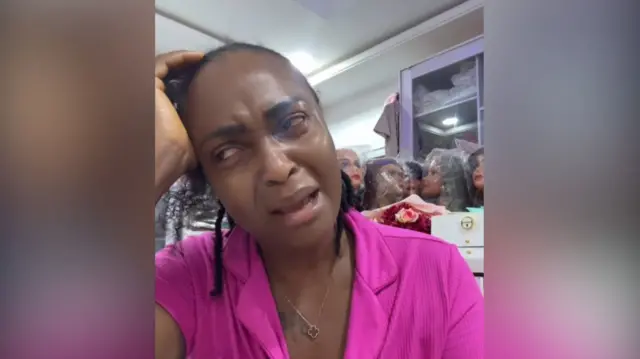
Let’s think about that: a child is now a shield against accountability.
By that reasoning, no parent could ever be held responsible for a crime, and no fraud victim has the right to demand justice.
The people she deceived also have families, children and bills. The fact they were taken advantage of by a deceitful person did not change because the person responsible is a mother.
A Substack Plagiarism Case: Pity Over Accountability
The sad thing is this pattern is not limited to big scandals. On Substack, a platform for writers and readers, a creator was caught plagiarising and received a lot of heat for it, which he deserved.
Plagiarism is theft of someone else’s labour and ideas. Yet another creator stepped in to say his account should not be reported, adding that she felt bad for him because he already had over 8k followers.
The core of her argument? His followers count. The harm done to the original writer did not appear anywhere in it.

Under this thinking, the more visible a wrongdoer is, the more protection they deserve, and the writer who was robbed is expected to swallow it quietly.
When Celebrities Take Action Against Online Slander
The same thing happens when celebrities take legal or public action against average Nigerians who slander them. Reactions often turn to pity for the person who made the false claims, while the celebrity is called proud, wicked or “too sensitive for someone in the public eye.”
Public figures should expect criticism, and criticism is not slander. But deliberately spreading lies that damage a person’s name and livelihood is wrong, and being famous does not cancel a person’s right to seek redress.
Being “ordinary” does not cancel responsibility either. Accountability should not depend on how much money or fame the victim has.
How Religiosity Turns Forgiveness Into an Excuse
Nigeria is one of the most religious countries in the world, and that shapes how we respond to wrongdoing. Forgiveness is a beautiful principle, but we have bent it into something it was never meant to be.
In most faith traditions, forgiveness is tied to repentance, restitution and change. Here, it is often demanded instantly, from the victim, with nothing required from the offender.
This is how religiosity becomes a tool for dodging responsibility. When someone says “leave them to God,” they are often saying “please do not hold this person to any earthly standard.”
The wrongdoer gets a spiritual pass, the victim gets a sermon, and the cycle repeats. A society that treats consequences as unholy will always produce people who feel free to do harm.
Misplaced Empathy and the Rise of Rape Apologists in Nigeria
If a society is trained to see accountability as cruelty, then it will respond to the worst crimes in the same way. This, I believe, is one of the main reasons for the large number of rape apologists in the country.
Listen to what is said when a rape case surfaces. “He is a young man, don’t ruin his future.” “Why can’t you just forgive him?” “What was she wearing?” “Think of his family.”
The sympathy flows to the accused, and the survivor is questioned, blamed and pressured into silence. The same reflex that asks us to forgive a fraudster because she has a son asks us to forgive a rapist because he has a future.
Survivors already face stigma, slow investigations and weak enforcement. When the community adds pressure to forgive, it becomes one more barrier between them and justice. Many then choose not to report at all, because they have watched what happens to those who do.
What Real Mercy Looks Like
The verdict isn’t for Nigerians to be cruel. Mercy has its place, but it must come after accountability, not instead of it.
A sentence can be fair and a person can still be treated with dignity. Rehabilitation can be offered after responsibility has been accepted.
The question should be: who are we worrying about first?
If our first concern is the comfort of the person who caused harm, our empathy has been misplaced. A sane justice system, and a sane society, begins with the person who was wronged.
Until we learn this, the pattern will continue. Fraudsters will be forgiven because they have children, plagiarists will be spared because they have followers, and rapists will be excused because they have futures.
In Nigeria, everyone will keep deserving mercy, except the victim.