Managing Is a Language: What Some Everyday Phrases Reveal About How Nigerians Actually Live
From “I dey manage” to “God abeg,” Nigeria’s everyday coping phrases reveal resilience, faith and humour, but also the struggles people rarely discuss.

Someone asks a colleague how life is going. The colleague adjusts in their chair, smiles a little, and says, “We dey push am.” The person asking nods. “God dey.” They exchange a sentence or two before returning to work.
Nobody asks what they are pushing through, or whether things are getting better. The conversation ends because both people understand the language.
Perhaps the colleague has not been paid in weeks. Perhaps rent is due, food prices have climbed again, or a relative needs money. Maybe nothing terrible has happened, and life is simply demanding more than anyone can comfortably give. Three words have done the job.
Across Nigeria, managing is not only something people do. It is something they say, a language built around circumstances that are hard to explain.
The Many Ways Nigerians Say They Are Not Fine
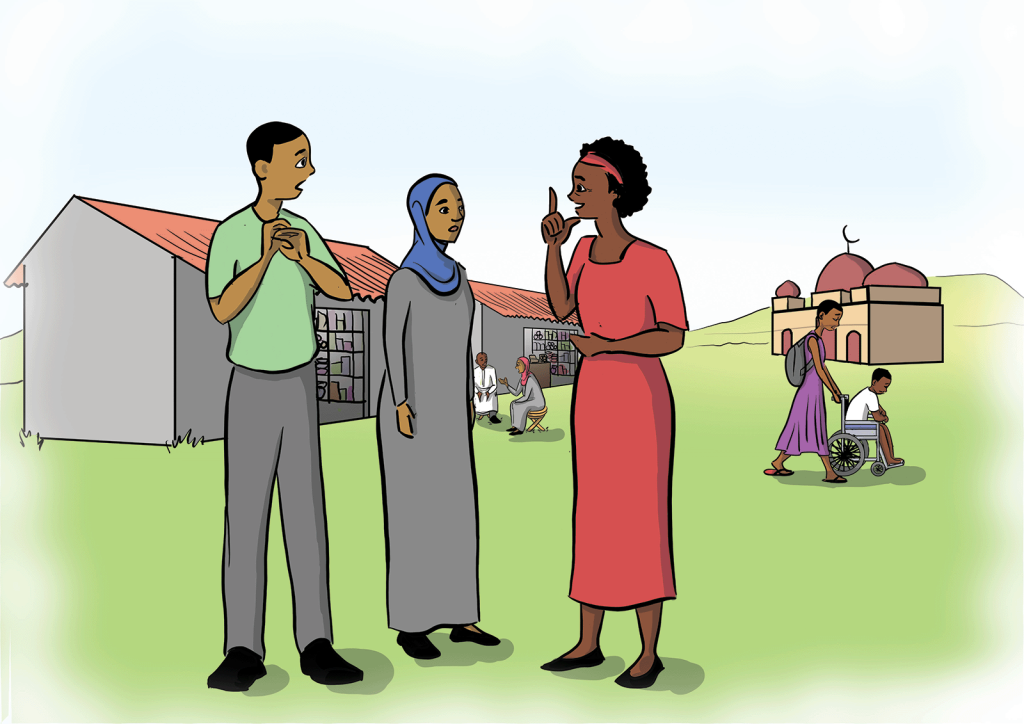
“I dey manage.” “God abeg.” “We bless God.” “We dey push am.” These expressions pass between strangers, friends, colleagues, and relatives without translation. They are not necessarily lies. They are shorthand, and their meaning depends on who says them and what that person is going through.
“I dey manage” often means things are not good but have not become unbearable. “God abeg”is sometimes a prayer, sometimes a complaint, and sometimes the only reply when another bill appears. “We bless God” expresses gratitude, but it can also close a conversation before anyone asks about what is going wrong. “We dey push am” reports movement without revealing the distance covered or whether the person has strength to continue.
The humour is part of their appeal. Nigerians can turn a frustrating situation into a punchline and use faith to make hard circumstances sound manageable. Faith, humour and resilience are genuine strengths, and there is nothing wrong with saying you are grateful or managing. The trouble is how easily these phrases have become the acceptable answer to questions that deserve honest conversations.
The Comfort and the Trap Inside the Language

These phrases appear in morning greetings, office corridors, church conversations, family group chats, and calls between people who have not met in months.
A parent asks how work is going: “We thank God.” A friend asks about the new business: “We dey try.” Someone asks how the family is coping with rising expenses: “God will provide.”
Sometimes these answers are enough. Other times, they avoid an explanation that might expose financial difficulty, disappointment, or exhaustion. A phrase that protects someone from explaining can also stop others from understanding. If “I dey manage” is always accepted as a complete answer, nobody may discover that the person has been struggling alone.
Gratitude can become an obligation when people feel they must always sound thankful. Strength can become a performance when asking for help feels like failure, a burden that can weigh heavily on men raised to stay strong.
Research points to barriers like these, though it does not show that Nigerian coping expressions cause them. A2022 mixed-methods study by Ifeanyichukwu Ogueji and Maia Okoloba, involving 105 Black family members from low and middle socioeconomic groups in the UK and Nigeria, found that high consultation fees, limited access to services, stigma, confidentiality concerns, poor knowledge of services, and cultural expectations about male strength discouraged people from seeking professional help for mental illness.
Social Insight
Navigate the Rhythms of African Communities
Bold Conversations. Real Impact. True Narratives.
That does not mean everyone who says “I dey manage” needs therapy. It means people can struggle and still find it hard to say so or reach support. And the pressure is often economic: unpaid bills, the need for a better job, too many people depending on one income. No motivational quote fixes that, yet the language of endurance makes it easier to move past it without asking what needs to change.
What Happens When Managing Becomes the Only Answer?

There is a difference between being resilient and being expected to endure everything. One describes the ability to recover and keep going; the other can become an excuse for leaving people to cope without support.
The danger is not that Nigerians have developed expressions for hard times, since language is one of the ways people make sense of experience. It is when the expressions replace conversations, when everyone knows life is difficult, but nobody feels able to say how difficult.

Sometimes what a person needs is not a lecture about gratitude or an instruction to pray harder. They may need someone to listen, practical help, professional support, or simply the freedom to say things are not working.
The phrases themselves are not the problem. “I dey manage” can be an honest assessment, “We bless God” a sincere expression of faith, and “God abeg” a prayer from someone who has run out of options. None of them should become a compulsory reply to every question about how life is going.
Return to that colleague. Someone asks how things are going, and this time, instead of “We dey push,” they pause. “Honestly, things have been difficult lately.” It is not a dramatic confession. It is simply an answer, and the person asking can do something more useful than nod and move on.
The next time someone you trust asks how you are, try telling them the truth.