Kwagh-Hir: The Tiv Theatre That Uses Puppets and Masks to Tell Hard Truths
Kwagh-Hir, the Tiv theatrical tradition from Benue, combines puppets, masks, music and satire to preserve culture and expose social truths.
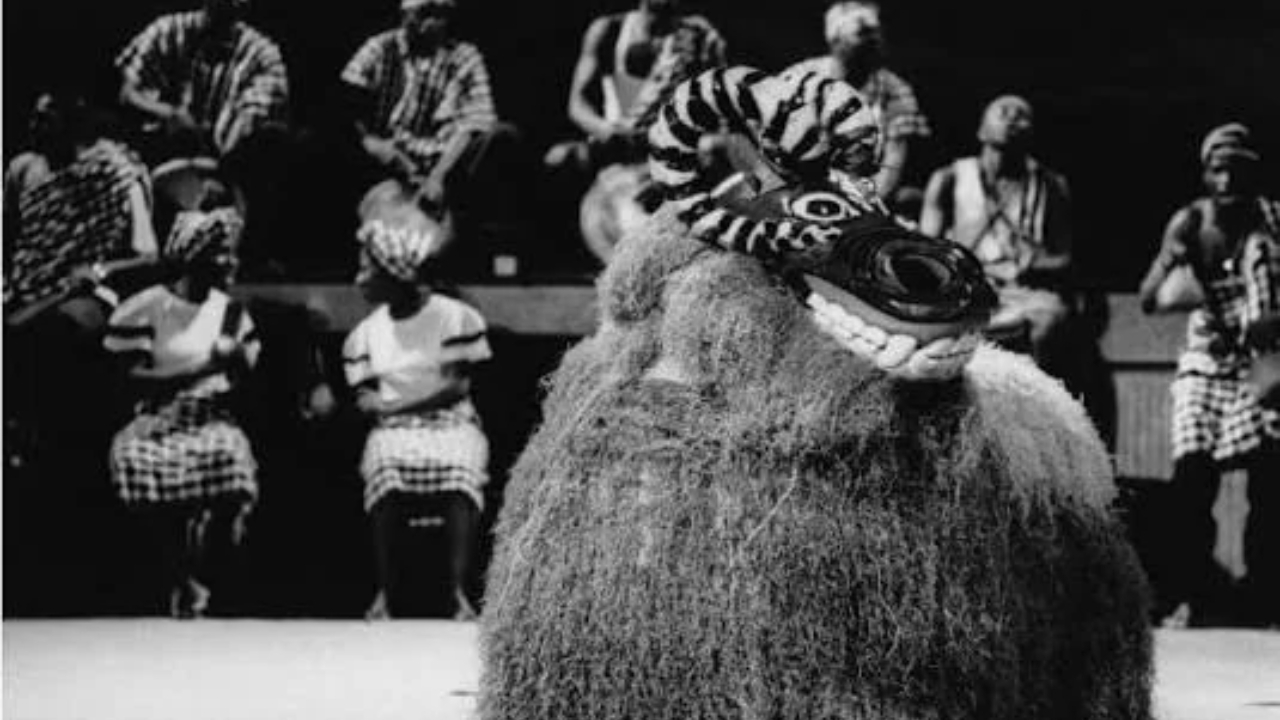
In Tiv communities of Benue State, a puppet can do more than entertain. It can expose greed, ridicule dishonesty, and turn everyday experiences into theatre.
The performance brings together carved figures, colourful masks, masquerades, music, dance and storytelling. A character might be an animal, a human being or an exaggerated version of someone the audience knows. Through these figures, performers recreate situations people recognise from their own lives.
This is Kwagh-Hir, a Tiv theatrical tradition whose name is commonly translated as “something magical.” But behind the spectacle is something equally important: entertainment used to communicate uncomfortable truths.
From Evening Stories to a Theatre of Its Own
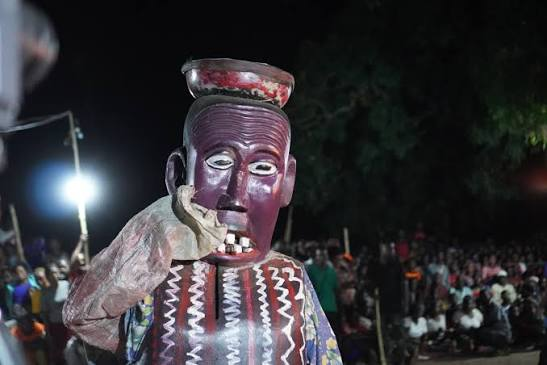
Kwagh-Hir did not begin with a stage or carved puppets. Its roots lie in kwagh-alom, the Tiv tradition of evening storytelling. After a day’s farming, families gathered to hear storytellers narrate tales of animals, spirits and people, and of the consequences of their actions. The stories entertained while passing down cultural knowledge, moral lessons and community values.
Over time, storytellers began to dramatise their narratives, adding gesture, dance, costumes and figures. An oral tradition grew into an elaborate theatrical form that became popular in the 1960s. Scholars generally agree that no single person invented it; it developed through community practice.
How Puppets and Masks Tell the Story
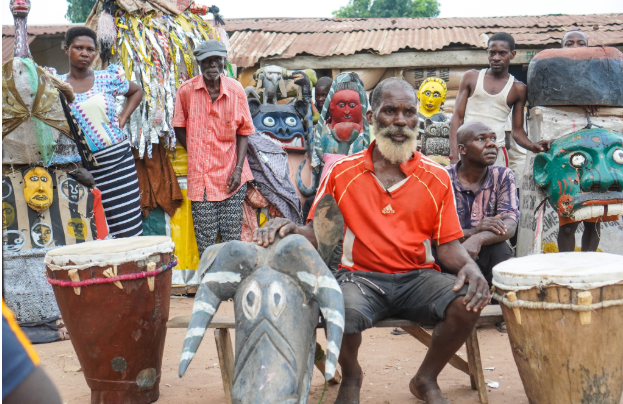
A Kwagh-Hir show is not a storyteller speaking while people watch. It is a coordinated production involving masqueraders, musicians, performers and carvers. Carved figures bring characters to life, while masquerades use costume and movement to create dramatic personalities.
Some figures represent animals and mythical beings; others reflect familiar human behaviour. The puppets can be grotesque or even ridiculous, yet each reflects the moral expectations of Tiv society. Behind the scenes, the sculptor is rarely seen during a performance, yet is often regarded as its scriptwriter and director, because the figures he carves shape what the show can say.
Music and dance set the rhythm. Drums set the pace, songs carry the narrative, and performances are typically held at night.
But the real attraction is what performers do with all this. Kwagh-Hir can address greed, dishonesty, injustice, family disputes, and questions of leadership. Through humour and exaggeration, it makes certain behaviour hard to ignore. A dishonest character can be ridiculed; a selfish one becomes an example of what happens when personal interest overrides communal responsibility.
That is its social significance. Instead of lecturing, it lets audiences recognise familiar problems through characters and stories. People laugh at the performance while reflecting on the behaviour it portrays.
Within Tiv villages, it has also been described as a way of resolving misunderstandings.UNESCO describes Kwagh-Hir as a form of total theatre that expresses the daily struggles, aspirations, successes and failures of the Tiv people through creative dramatisation.
Can a Living Tradition Survive Without Its Practitioners?
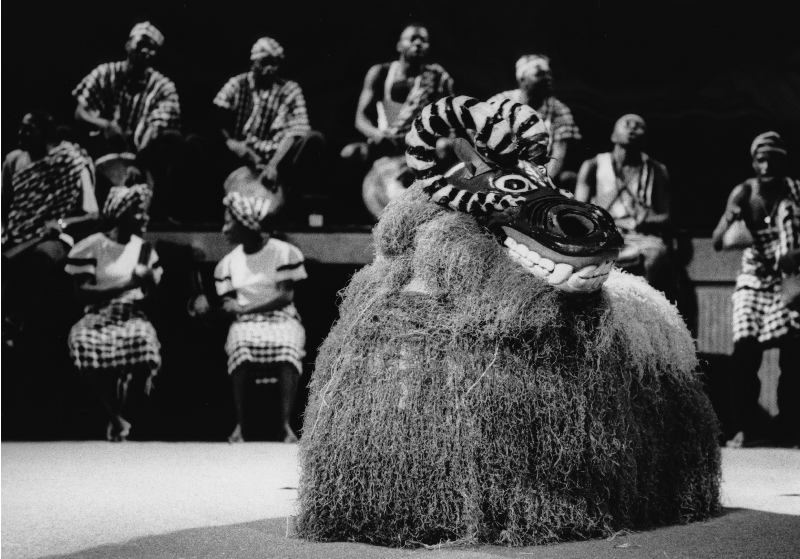
Kwagh-Hir is not a relic preserved for occasional festivals. It is a community-owned tradition whose survival depends on people learning, practising and passing on its skills. In 2019, UNESCO inscribed it on the Representative List of the Intangible Cultural Heritage of Humanity.
That tradition is passed on through apprenticeship. UNESCO notes that people who show interest in a troupe are trained and mentored until they reach a certain level of proficiency, then accepted into it. Recognition, however, does not guarantee continuity. One recent academic study notes that Kwagh-Hir declined in many Tiv villages as some people gave up cultural customs, particularly after adopting Christianity, and that the Benue State government responded by promoting an annual Kwagh-Hir festival.
The challenge is bigger than staging performances for visitors. Younger people need opportunities to learn the craft, practitioners need support, and the communities that own the tradition must remain central to its preservation.
Culture
Read Between the Lines of African Society
Your Gateway to Africa's Untold Cultural Narratives.
Kwagh-Hir has survived because generations of Tiv people have kept telling stories, carving figures, performing and teaching. Its puppets may be wooden, and its masks may hide the performers’ faces, but the truths they carry are recognisably human.
And perhaps that is the enduring magic of Kwagh-Hir: sometimes a community finds it easier to confront itself when the truth is speaking through a puppet.