Javits Frimpong: Why Is His Name Fueling Tensions Between Africans and Black Americans?
Javits Frimpong’s killing in the Bronx has reignited tensions between African immigrants and Black Americans. Why does this divide keep returning, and what does justice look like?
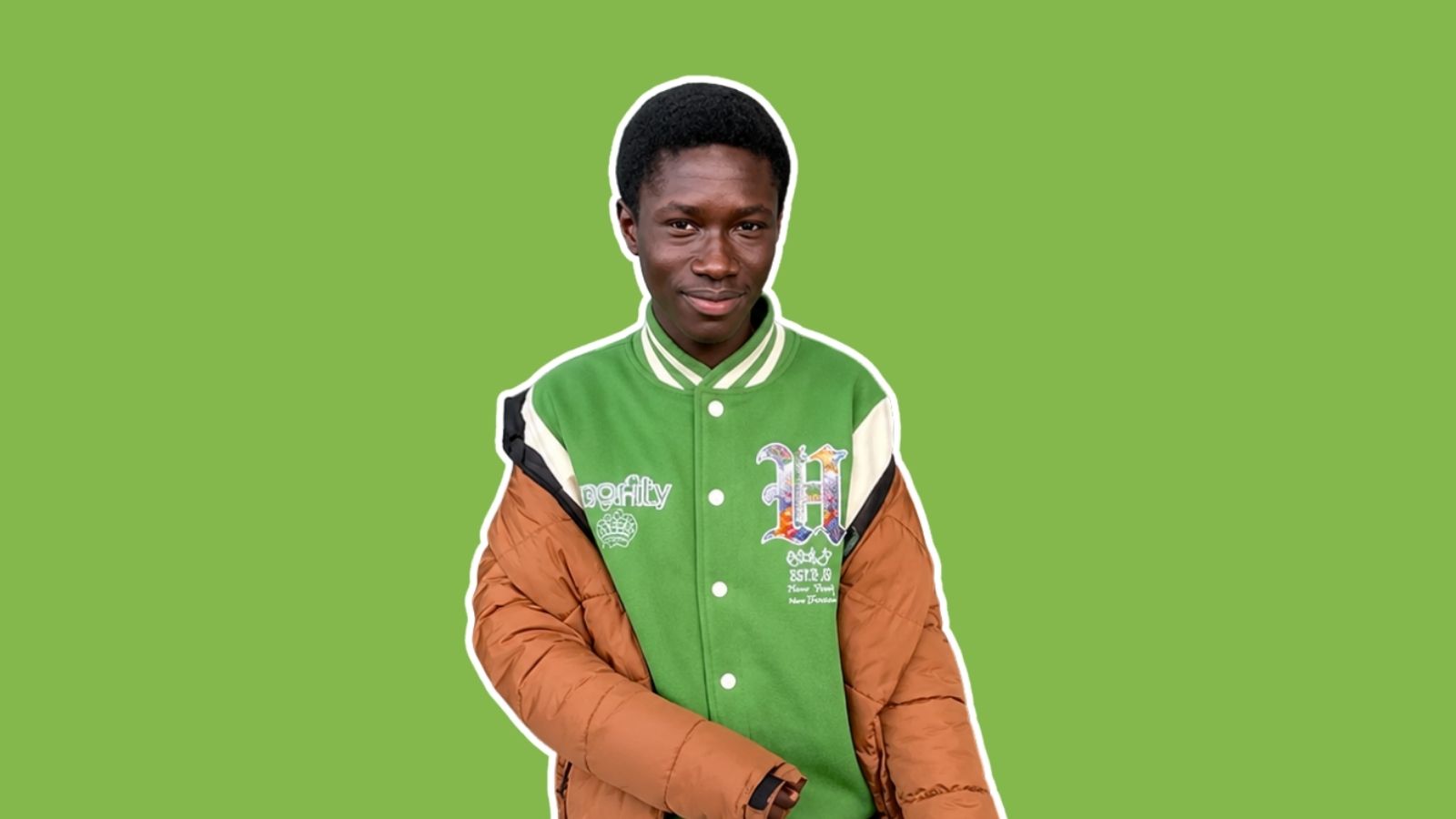
Javits Frimpong was 15. He moved from Ghana to the Bronx a year ago to live with his father, and on October 29, he was shot near Crotona Park on his way to school.
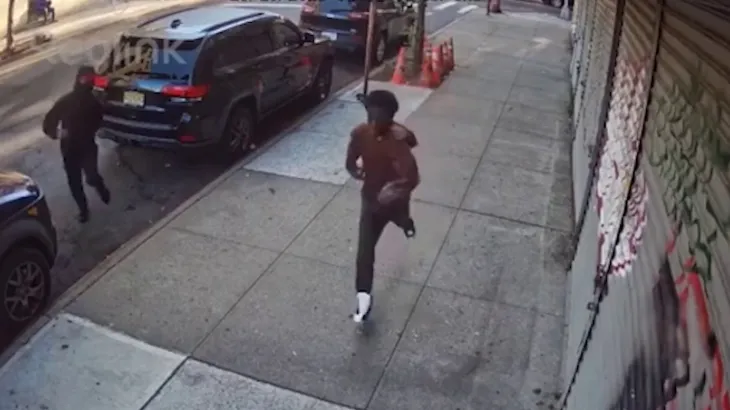
No one has been arrested. His father believes bullying played a part, but police have not confirmed any link, so the motive remains unknown.
The internet hasn’t been quiet. Within hours, his death became fuel for an old argument between African immigrants and Black Americans, and both sides walked away feeling wronged.
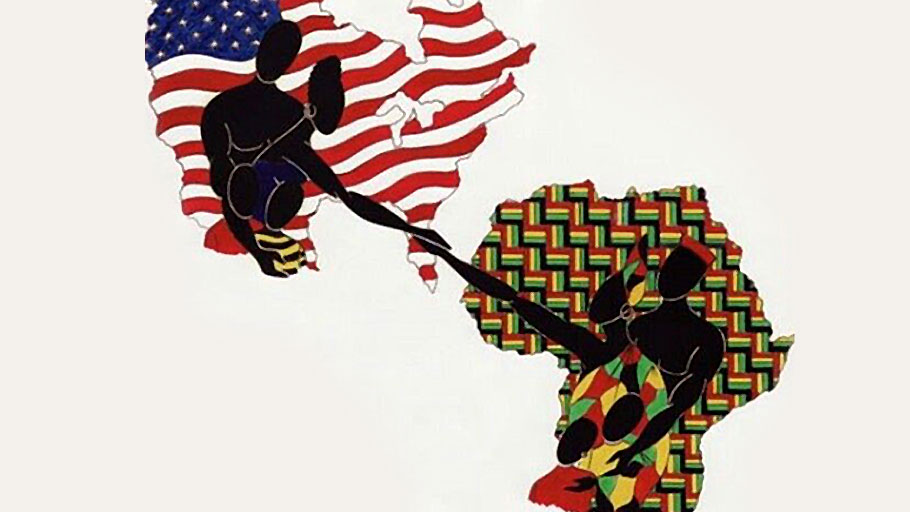
Why the Africans vs Black Americans Debate Keeps Returning
This is not a new issue. It resurfaces around every viral moment involving race, immigration or pop culture. It usually involves controversies about castings to jokes about names and accents.
Social media only made it faster. One post can reach millions of strangers who have never had a real conversation with someone from the other group, so each side ends up arguing with a caricature. Neither group is a monolith, and neither side’s loudest voices speak for everyone.
What African Immigrants Say About Bullying in the US
Many African immigrants describe a similar experience on arrival. They get mocked for how they speak, dress, eat or pronounce their names. Their accents are imitated. Their traditional foods become punchlines. Some say they are called names that paint Africans as dirty, backward or uncivilised.
The media also plays a large part. Hollywood and cartoons spent decades portraying Africa as poor, tribal and wild, and children absorb those images long before they meet an African classmate.
For a teenager who just landed in a public school, the result can be daily humiliation, made worse by not knowing how, or whether, to report it.
Some Africans hit back with the word “akata” for Black Americans, a term many find insulting, which only deepens the divide.
Diaspora Connect
Stay Connected to Home
From Lagos to London, Accra to Atlanta - We Cover It All.
What Black Americans Say About African Immigrants
Black Americans have a different story to tell. They are descendants of people who were enslaved, stripped of language, names and homelands, then denied full citizenship for another century.
Many feel that African immigrants arrive and are praised as hardworking and educated. This is a narrative that quietly turns Black Americans into the comparison.
It implies that generations of systemic barriers are a question of effort. Some also say a few Africans look down on them, repeating tired stereotypes about laziness or crime.
Accents, Names and Culture Clashes in Schools and Neighbourhoods

A lot of the friction is small and daily. A name teachers struggle to pronounce, food smells in a lunchbox, a different way of addressing elders, or a reluctance to speak up in class can all mark a new student as an outsider.
Meanwhile, newcomers may misread Black American slang, humour and social codes, and respond in ways that look cold or arrogant. Misunderstandings harden into grudges quickly, especially among teenagers who are desperate to belong.
Why Black Immigrants and Black Americans Share More Than They Admit
The histories are tangled together. Africans taken across the Atlantic became the ancestors of Black Americans, and pan-Africanists, civil rights leaders and anti-colonial movements built solidarity across these lines for generations.
Many African and Black American families already share churches, barbershops, workplaces and marriages. Today, both groups face racial profiling, underfunded schools and stereotyped media coverage.
Fighting each other benefits no one except those who profit from a divided Black community
Justice for Javits Frimpong Matters More
The facts of this killing are still being established, and no one should claim to know who did it or why.
Diaspora Connect
Stay Connected to Home
From Lagos to London, Accra to Atlanta - We Cover It All.
A 15-year-old is gone, his father is grieving and his mother is in Ghana. The right response is to demand a thorough investigation, not to decide in advance which community is to blame.
If this moment pushes Africans and Black Americans to speak to each other instead of about each other, something good will have come from something unbearable.