The Black Skin Colour Palette: How Many Shades Can ‘Black’ Hold?
Black skin does not need fixing. The shade was never the problem. Ebony, onyx, mahogany and charcoal show just how much depth and variation Black skin can hold, with makeup that works with those tones instead of changing them.
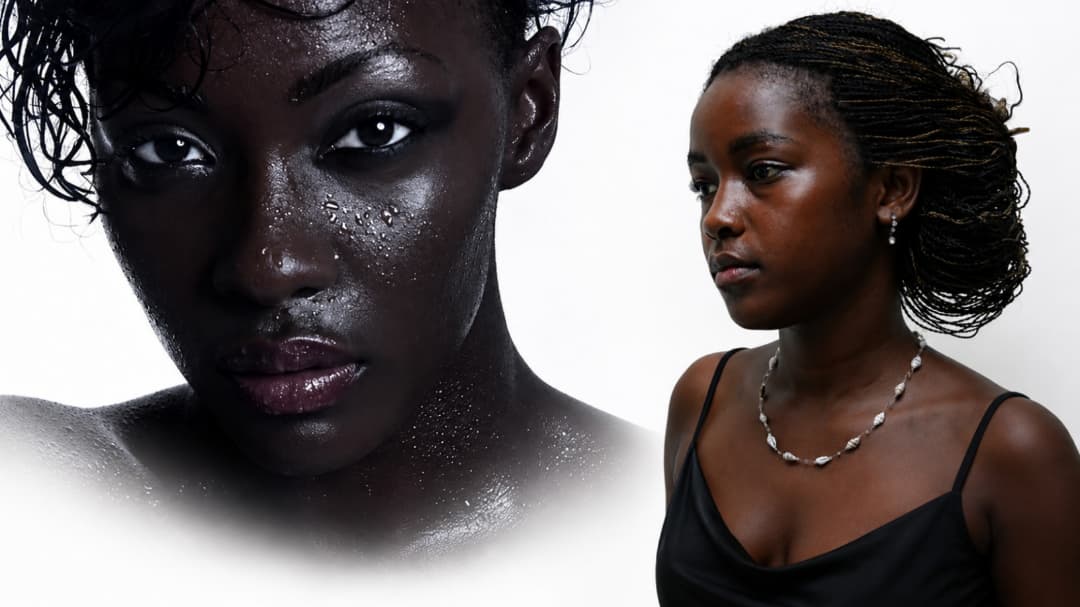
Why should dark skin have to look lighter to be considered beautiful?
We have spent enough time treating lighter skin as the finish line. In beauty, that idea shows up infoundation shades that do not quite match, filters that wash out deeper complexions, and makeup advice that treats lightening as improvement.
But Black skin comes in many depths and undertones, and none needs to be moved closer to another shade to be attractive.
Look closely at that range and you find colours that can be deep brown, blue-black, red, bronze or golden, sometimes within the same complexion.
The names we give them—ebony, onyx, mahogany, charcoal and others can help us talk about those differences without turning them into a ranking.
Ebony: Dark, Warm and Polished
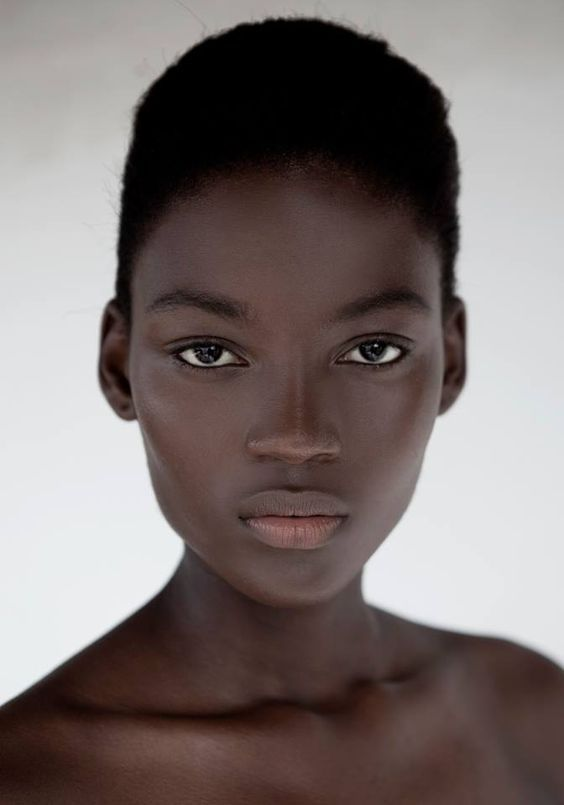
Ebony describes a very deep complexion that can look almost black in low light and reveal brown or cooler undertones in sunlight. Think of polished ebony wood: dark, smooth and warm. Gold jewellery, bronze highlights, berry lips and warm eyeshadows sit naturally against it.
The depth is already there. Makeup can simply work with it.
Onyx: A Sheen You Notice in the Light
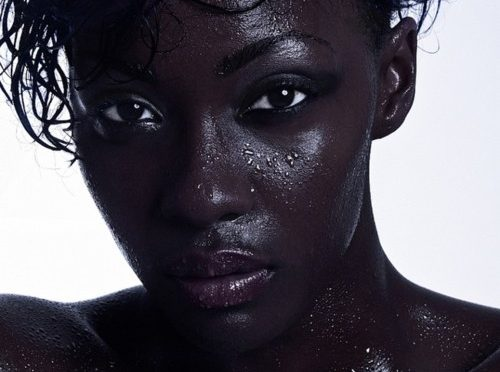
Onyx suggests a very deep black complexion with a natural sheen. It is less about warmth than the way the skin catches light. The cheekbones, forehead and shoulders can pick up a clean highlight while the rest of the complexion stays deeply toned.
That makes the makeup choice slightly different from ebony. A controlled highlight works better than a heavy layer of shimmer, especially for photographs. A plum lip or copper eyeshadow adds contrast, while a close foundation match keeps the camera from flattening the skin's depth.
Mahogany: When Brown Turns Copper in the Sun
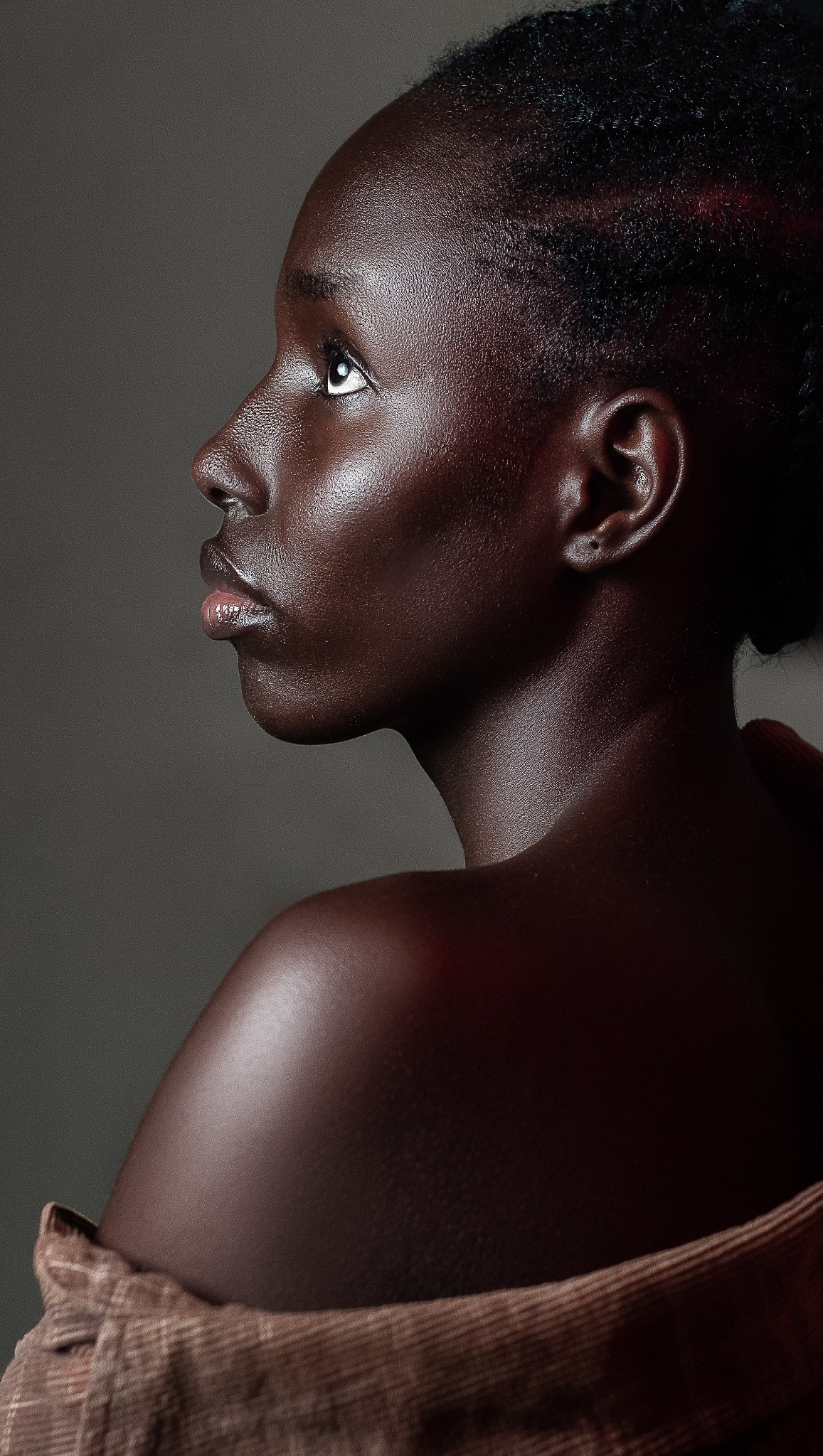
Mahogany sits in the deeper brown range and often carries red, copper or golden undertones. It can look deeper indoors and warmer in the sun, so the same complexion may seem to change without actually changing colour.
Terracotta blush, copper eyeshadow and a rich red lipstick bring those warmer notes forward. You are not adding a new colour so much as drawing attention to one that was already there.
Charcoal: Deep Skin With a Cooler Cast
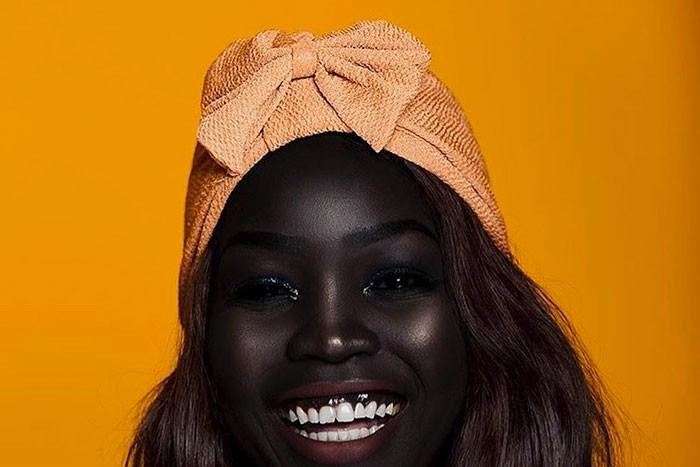
Social Insight
Navigate the Rhythms of African Communities
Bold Conversations. Real Impact. True Narratives.
Charcoal can describe very deep skin with a cooler, smoky appearance. Depending on the light, it may show subtle grey, blue or brown qualities, giving the complexion a quieter look than warmer deep tones.
This is where foundation matching matters. The shade should follow the skin's depth and undertone rather than pull it toward beige or lighter brown.
Bitumen: For the Almost-Black Complexions
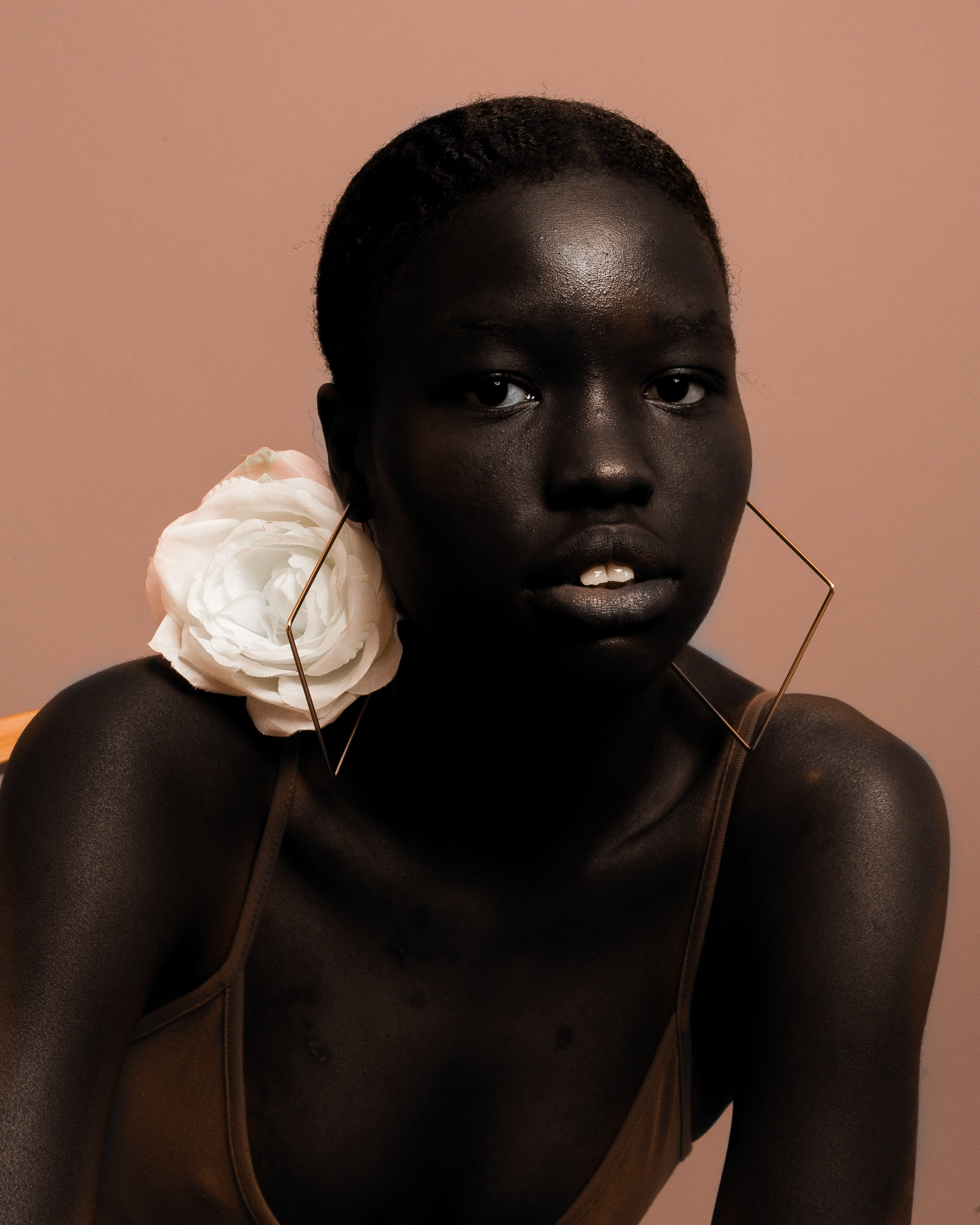
Bitumen is a more unusual comparison, and it is probably the one that needs the most explanation. Used descriptively, it points to an exceptionally deep, almost-black complexion. It is not a standard skin-tone category, but it can be useful when talking about the deepest end of the range, where finding a close foundation match can still be difficult.
With skin this deep, rich golds, deep reds and jewel tones can create contrast. The important part is getting the base right so the colour of the makeup does not end up changing the colour of the skin.
The Shade Was Never the Problem

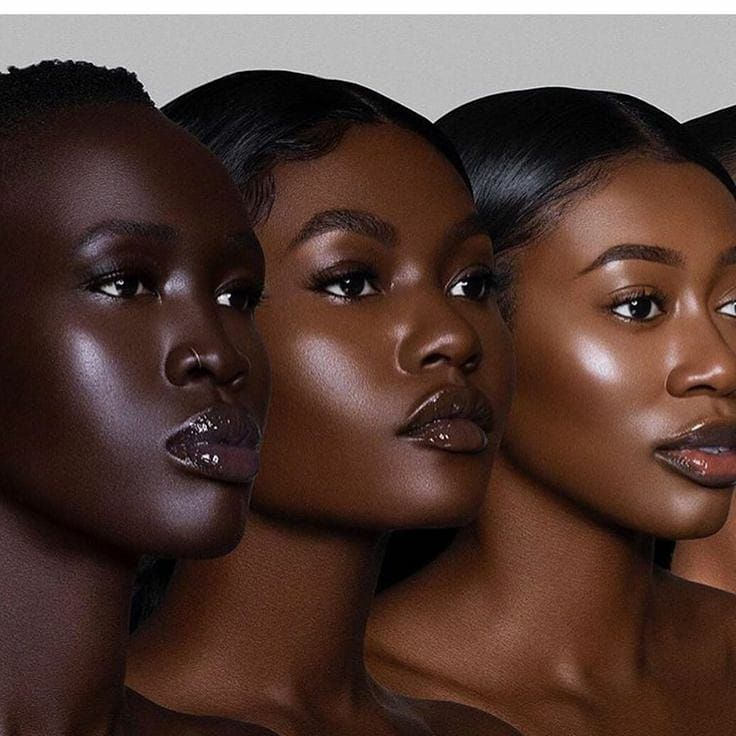
Ebony, onyx, mahogany, charcoal, bitumen and the shades between them show how much variety exists within Black skin. These names are not a beauty ranking; they are simply ways of describing colour and undertone.
Makeup can be fun, expressive and flattering without making lightness the goal. If your skin is deep, let it stay deep. If it is warm, let the warmth show. There is nothing missing that a lighter shade needs to supply.
Dark skin does not need to be changed before it can be called beautiful.