10 Places on Earth Humans Aren’t Allowed to Enter Freely
Human access is restricted at 10 places around the world, with rules shaped by conservation, security, isolation, dangerous wildlife and religious traditions.
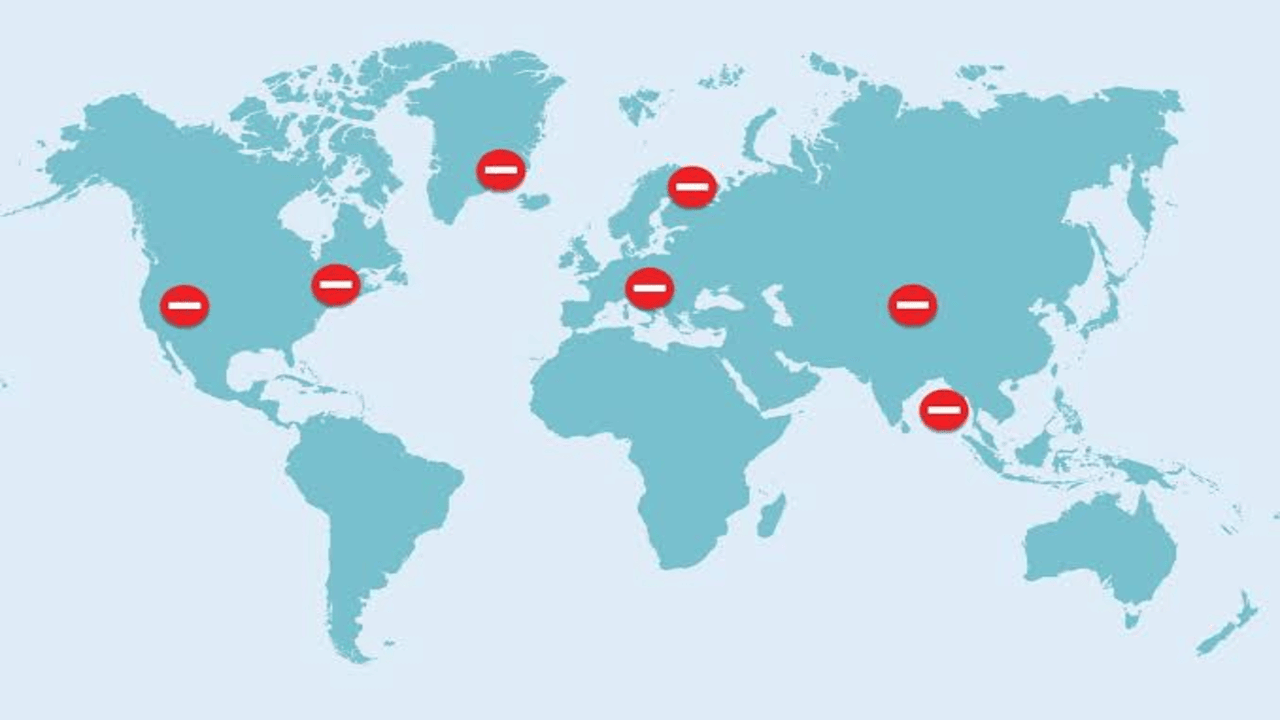
Some are protected because the people living there have deliberately remained isolated from the outside world, while others contain fragile ecosystems, ancient art, dangerous wildlife or sensitive government facilities.
Here are 10 places where you cannot freely enter.
1. North Sentinel Island, India
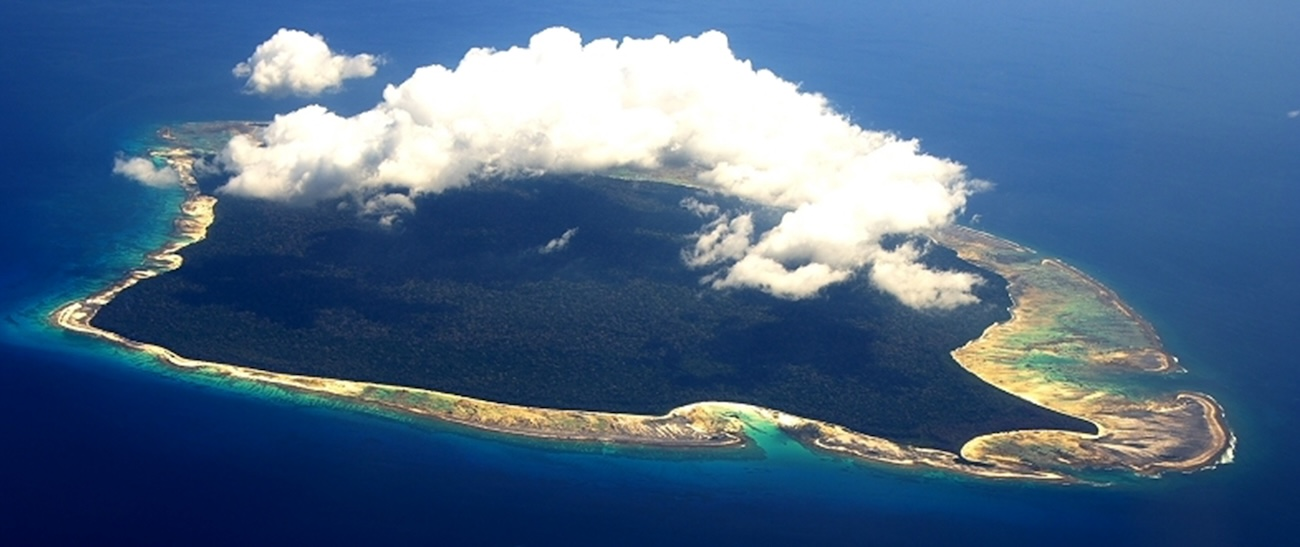
North Sentinel Island is home to the Sentinelese, an Indigenous community that has maintained very little contact with the outside world.
The Indian government protects the island as a tribal reserve. The restriction covers the entire island and the surrounding 5-kilometre coastal sea, meaning outsiders are prohibited from entering or attempting contact with the community.
There is also a serious health concern. Someone arriving from elsewhere could carry infections to which the Sentinelese have little or no immunity. Indian authorities have therefore followed an “eyes-on, hands-off” approach, monitoring the island without attempting to establish contact.
2. Area 51, United States
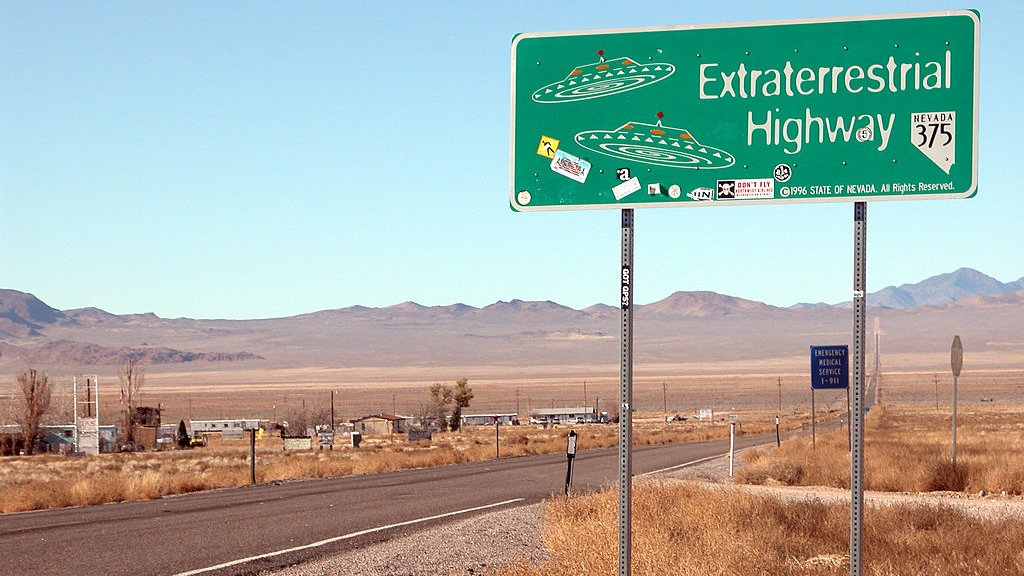
Area 51 became famous for stories about UFOs and aliens, but the documented history of the site is already unusual enough.
At Groom Lake in Nevada, the CIA and its partners tested highly classified aircraft, including the U-2 and A-12 OXCART reconnaissance programmes. The remote desert location was chosen precisely because the aircraft could be developed and tested away from public view.
The secrecy surrounding the work helped feed the rumours.
The U.S. government did not officially acknowledge Area 51 until 2013.
You can reach the surrounding desert, but the facility itself remains a restricted military site.
3. Surtsey, Iceland
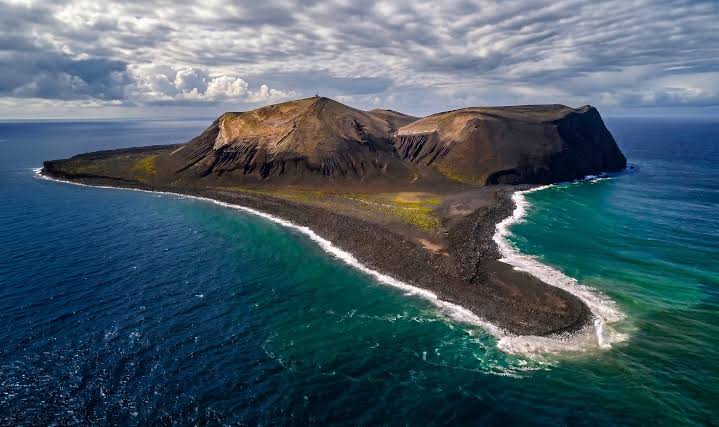
Surtsey did not exist before 1963.
A volcanic eruption off Iceland's southern coast produced the island over several years, creating something scientists rarely get to observe from the beginning: new land developing its own ecosystem.
Seeds arrived. Birds began using the island. Plants established themselves, followed by insects and other organisms. Scientists have been documenting that process for decades.
Human visitors could interfere with it simply by carrying a seed, insect or microorganism ashore.
UNESCO says visits are strictly prohibited, including going ashore or diving by the island, except for authorised research and related activities.
Surtsey is essentially being observed as a natural experiment that began when the island emerged from the sea.
4. Snake Island, Brazil

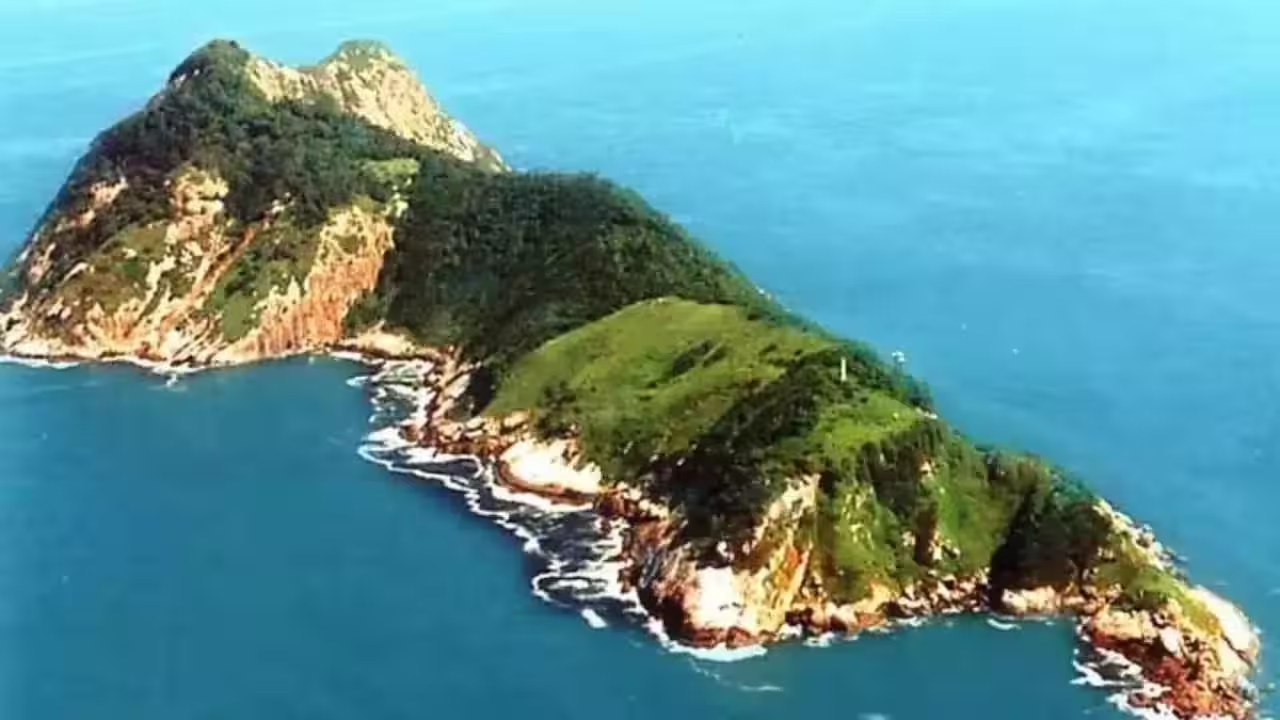
Off the coast of São Paulo is Ilha da Queimada Grande, better known as Snake Island.
It is the only natural home of the golden lancehead, a venomous snake found nowhere else in the wild. When the island became separated from mainland Brazil, the snake population was cut off and evolved in isolation.
The island falls under a federal conservation area managed by Brazil's Chico Mendes Institute for Biodiversity Conservation (ICMBio), andlanding requires prior authorisation granted only for approved research.
Snake Island has acquired plenty of dramatic stories over the years, including claims about huge numbers of snakes and exaggerated descriptions of the species' venom. Researchers at Brazil's Butantan Institute have challenged some of those claims, while also warning that the population is in genuine decline.
5. Lascaux Caves, France
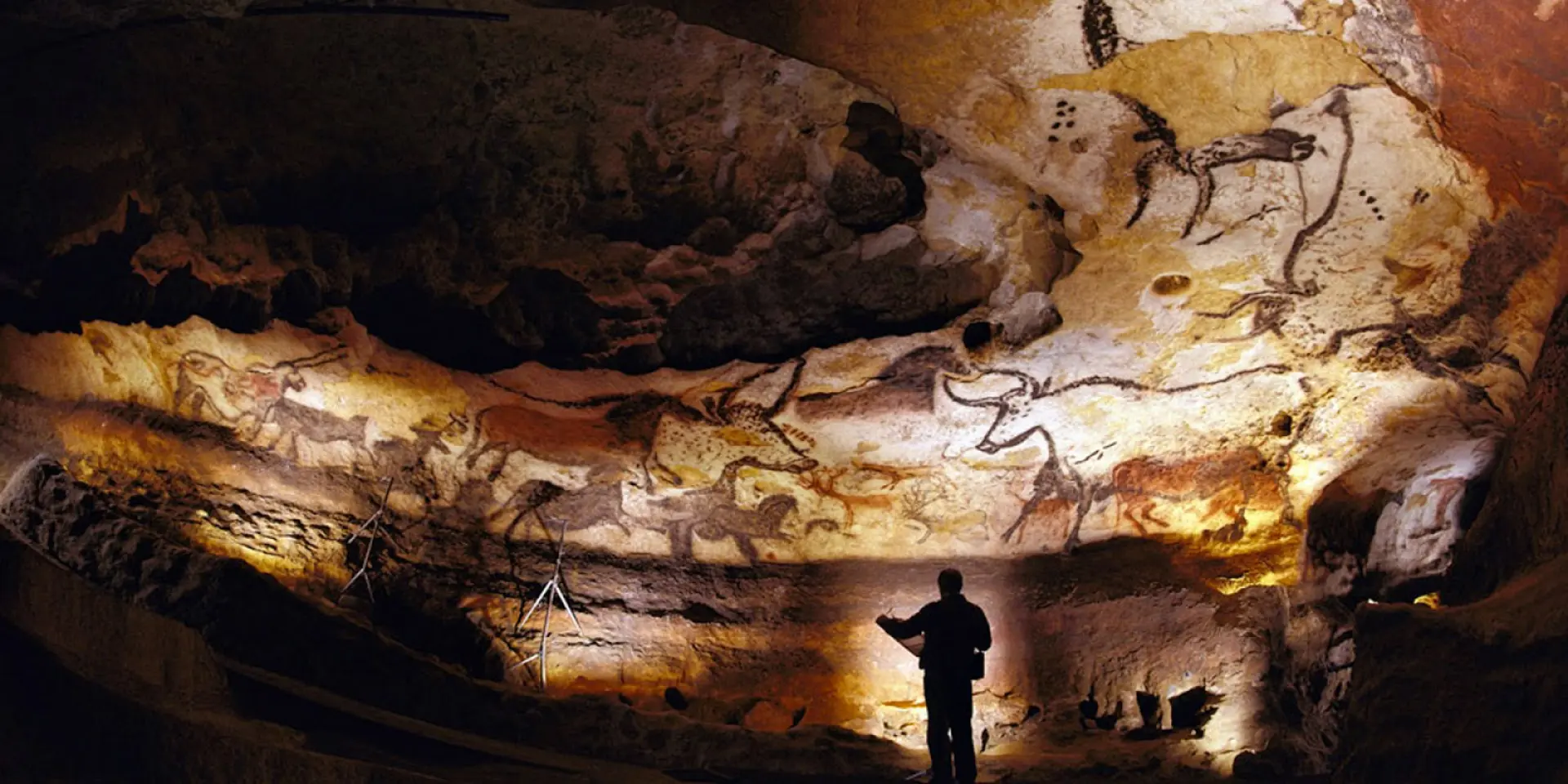
In 1940, four teenagers discovered the Lascaux caves in southwestern France and found their walls covered with prehistoric paintings of animals, human figures and other markings.
The discovery quickly drew visitors. By the early 1960s, the cave was receiving huge numbers of tourists, and the presence of so many people began changing the environment inside it.
The air, temperature and humidity were affected. Microorganisms appeared on surfaces, creating new conservation problems for paintings that had survived for thousands of years.
France closed the original cave to the public in April 1963 because human presence threatened its fragile ecosystem.
Visitors today see replicas rather than the original paintings.
6. Chernobyl Exclusion Zone, Ukraine
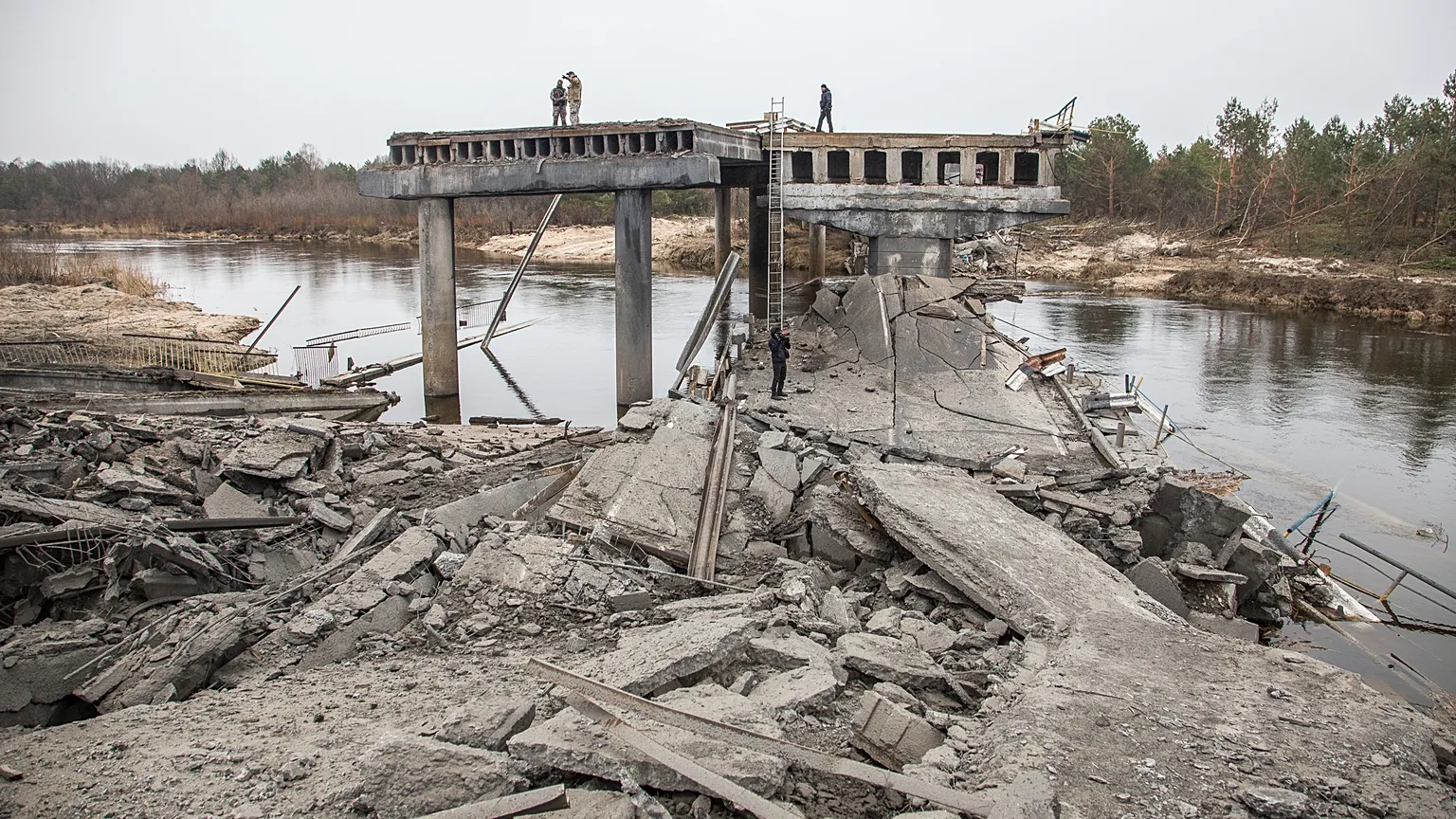
After the Chernobyl nuclear accident in 1986, entire communities around the power plant were evacuated.
Homes were left behind. So were schools, public buildings, roads and everything else that had made those settlements ordinary places to live.
Ukraine ran aformal application and approval process for entry, and by the late 2010s guided tourism inside the zone had become fairly routine.
That changed in February 2022. Russian forces occupied the plant and the surrounding zone for over a month at the start of the invasion, andtourism has remained suspended ever since, with access now limited mostly to official delegations and personnel involved in managing the site. Ukrainian officials have said tourism won't resume until the war ends.
7. Poveglia Island, Italy
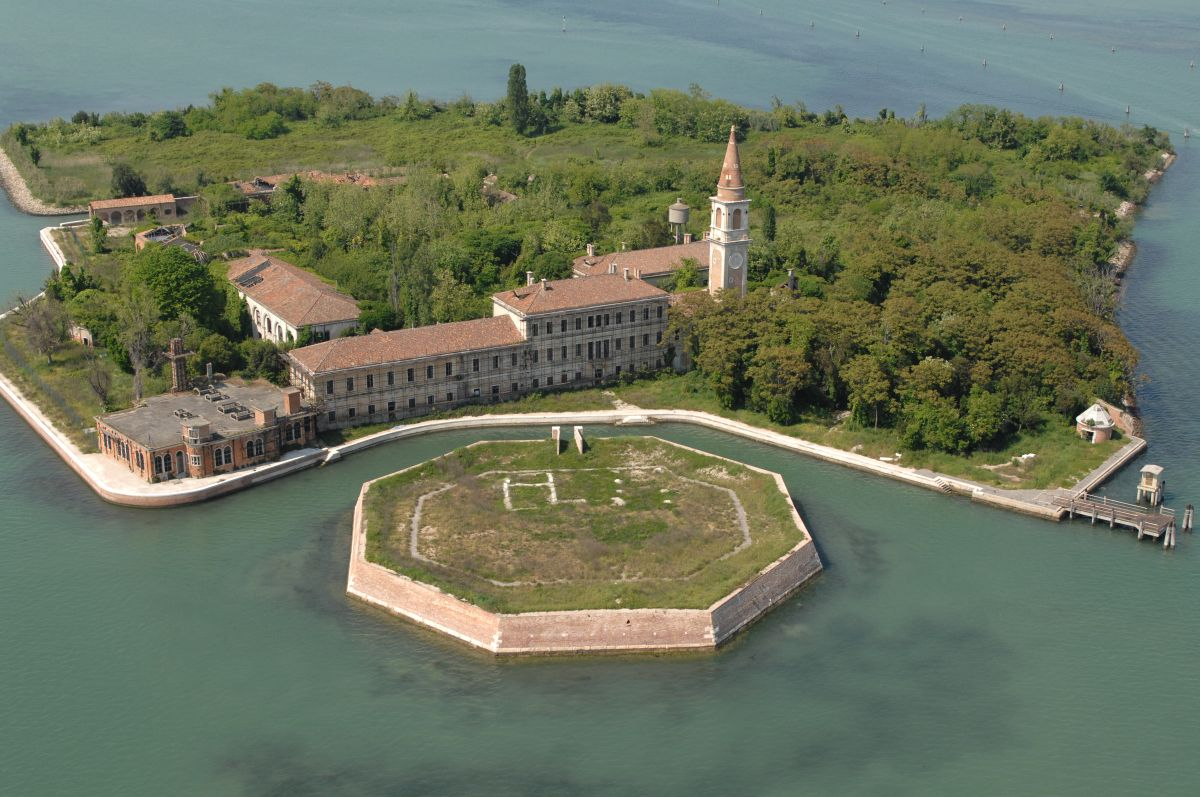
Poveglia sits in the Venetian Lagoon, close to Venice.
Its history includes use as a quarantine station during plague outbreaks and later association with a hospital. Over time, those events became mixed with stories of ghosts, hauntings and other paranormal activity, giving the island a reputation that has travelled far beyond Venice.
In 2025, the access situation changed significantly. After aneleven-year campaign, the citizens' association Poveglia per tutti won a six-year concession over the island's northern section — the part with no buildings and opened it to the public on August 1, 2025, free of charge. The southern part, with the ruins of the old hospital, remains state property and is still off-limits.
8. Mount Weather Emergency Operations Center, United States
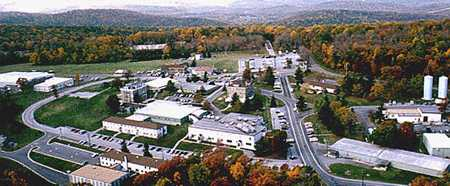
Mount Weather sits in Virginia and is a U.S. government facility associated with emergency operations and continuity planning.
Because of its role and its secrecy, the site has attracted stories about underground facilities and emergency shelters for decades. Some of what is said about the facility remains speculation because the government does not publicly detail much of its operation.
Federal regulations governing the site state plainly that it "denies access to Mt. Weather to the general public" and limits entry to people with official business there, approved case by case.
9. Svalbard Global Seed Vault, Norway
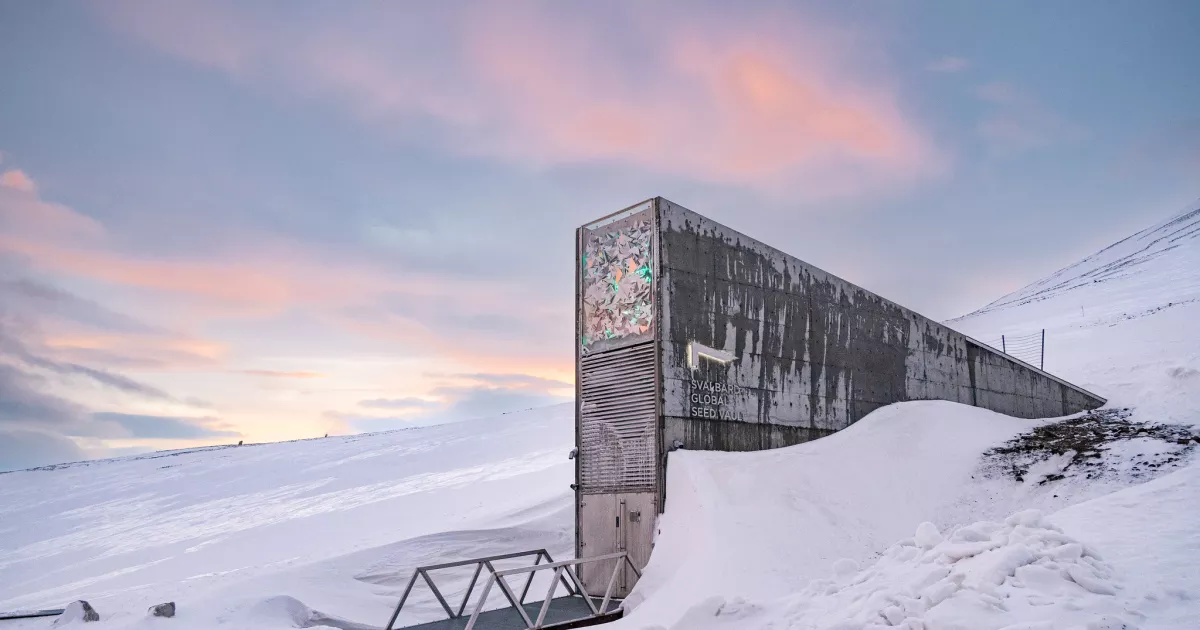
Inside a mountain on the Norwegian island of Spitsbergen is a collection designed for a very specific purpose: keeping agricultural seeds safe for the future.
The Svalbard Global Seed Vault stores duplicate samples from seed collections held around the world. If a crop variety is lost from one of those collections because of war, natural disaster, equipment failure or another crisis, the stored material can help restore it.
The facility is often called the “Doomsday Vault”, although that is a popular nickname rather than its official name.
People can visit the area around the entrance, but the vault itself isrestricted to authorised personnel, and even depositing countries can only access and withdraw their own seeds.
10. Okinoshima, Japan
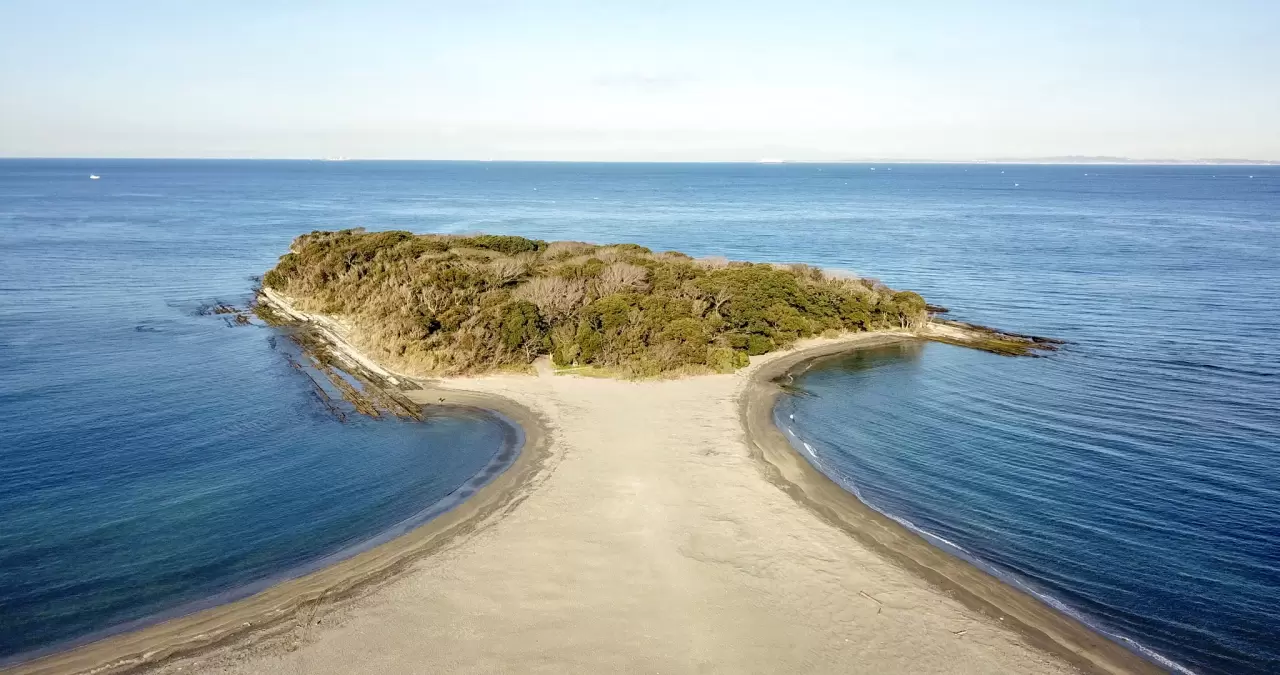
Okinoshima is a small sacred island about 60 kilometres off the coast of Japan's Kyushu Island.
Its religious history goes back centuries. Archaeological excavations have uncovered more than 80,000 votive objects left on the island between the 4th and 9th centuries, evidence of rituals connected to maritime safety and worship.
UNESCO's documentation records a longstanding rule excluding women from the island, along with other restrictions on visitors, including ritual purification before entry and a prohibition on taking objects away.
Access for men has also historically been extremely limited, with visits tied to specific religious circumstances rather than ordinary tourism. The island remains part of the UNESCO World Heritage property known as the Sacred Island of Okinoshima and Associated Sites in the Munakata Region.