History Is Just Memory on a Global Scale, And Memory Is Unreliable
History feels like a fixed record of the past, but it is built from human memory and memory is constantly reshaped by emotion, perspective and time. So how reliable are the stories we inherit?
It is 2am. You are staring at your ceiling, in the dark, doom-scrolling no longer interests you. Rather, you are very interested in the thoughts that keep tugging at your brain like an ex that refuses to leave.
As you ruminate on these thoughts, cursing at the insomnia that stole your sleep, you suddenly remember something.
It is vivid, but you could have sworn that that is not how it happened and you must be tweaking and exhausted.
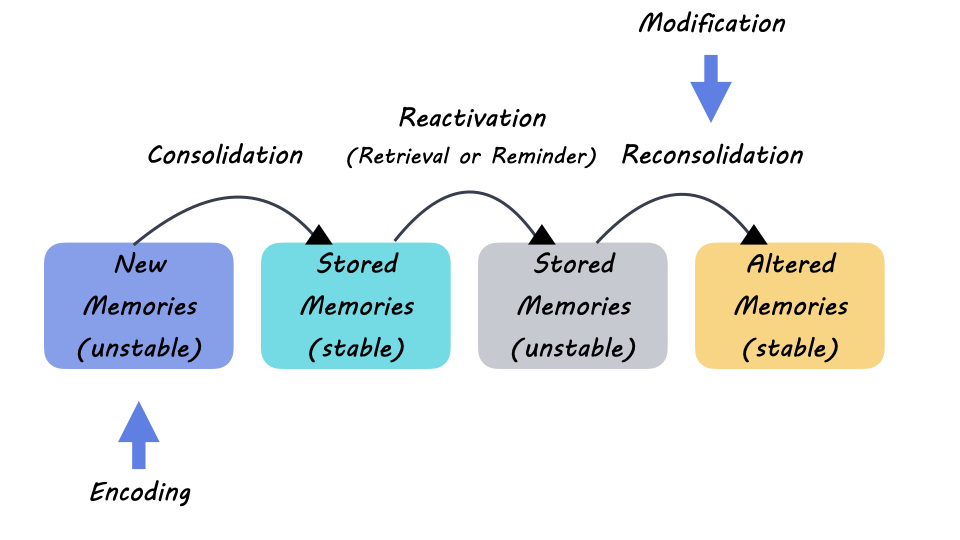
But, do you know that slight difference you noticed might not be your body screaming at you to sleep, but rather your brain doing what it does best? Yes, your brain never recalls memories and events exactly how they happened.
It alters it and, unlike a video or picture captured on your mobile, it adjusts these memories to fit your current state of mind, emotions and even knowledge level. This process is called reconsolidation.
Now I am not here to lay some biological fact at your feet and disappear. There is an important question we must ask. We all know a large part of history is derived from the memories of people who experienced a particular event and told the story, whether orally or through writing.
If our memories are not as reliable as we thought, can we actually trust whatever is in our history books?
The Science of Memory
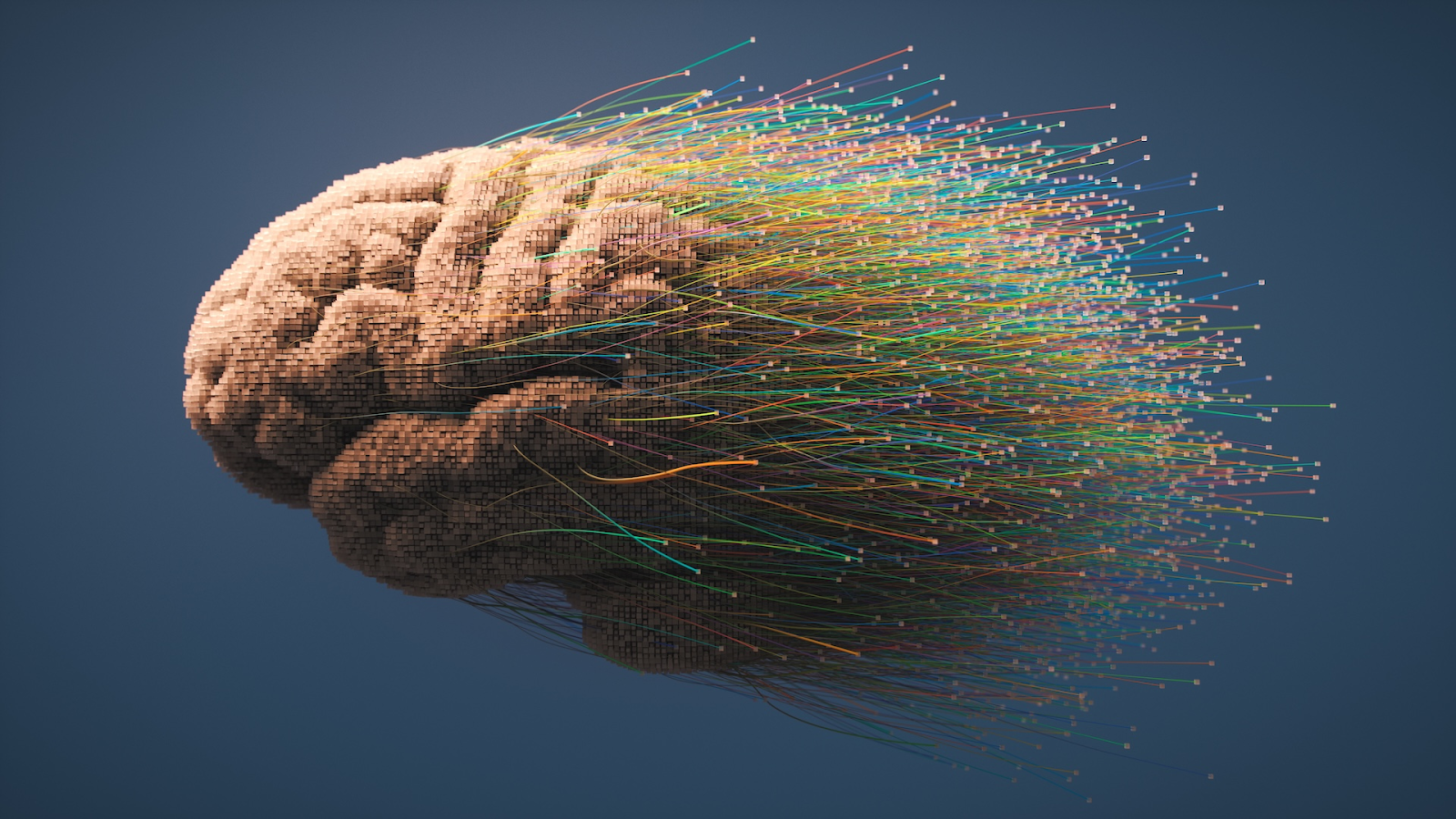
Neuroscientists have found that memory works less like a video recording and more like a Wikipedia page, anyone can edit it and it looks slightly different every time you visit.
Each time you recall something, your brain is not playing it back; it is rebuilding it from scratch, and in that rebuilding, something small always shifts.
What does the shifting? A lot of things. Your emotions at the time of recall paints what feels important. The way you have told a story repeatedly smooths out its rougher, more complicated edges.
The people around you also quietly influence what you remember and how. And time is the most aggressive editor of all.
This is not just a personal problem. History, at its root, is built from exactly these kinds of human memories, recorded by people who felt things, believed things and forgot things, just like you do at 2am.
How History Gets Recorded
Historians piece the past together from what survives: written records, oral traditions passed down through generations, physical artifacts, official government documents. It sounds thorough. The problem is that survival is never neutral.
Not everything gets written down. Not everyone who experienced an event had the means, the literacy or the safety to document it.
History
Rewind the Stories that Made Africa, Africa
A Journey Through Time, Narrated with Insight.
And when records are kept, they are kept by someone which means choices are being made about what matters and what does not.
Governments have always understood that controlling the story of the past is controlling the present. Official records glorify, omit and occasionally fabricate.
The voices that tend to disappear first are ordinary people.
There is a reason the phrase "history is written by the winners" has survived this long. It is not cynicism.
It is just an honest description of how documentation has worked for most of human history.
When History Changes

If history were a fixed, reliable record, it would never change. But it does, constantly.
A sealed archive gets opened and suddenly the accepted story of a war looks different.
An archaeological dig turns up evidence that rewrites what we thought we knew about an ancient civilisation.
A society, after years of reckoning, decides to look more honestly at its own past and finds that what was once taught in schools was incomplete at best, dishonest at worst.
This happens more than most people realise.
Christopher Columbus's legacy has been dramatically revised. The history of African kingdoms that were once dismissed or ignored by Western academia is being actively recovered and reasserted.
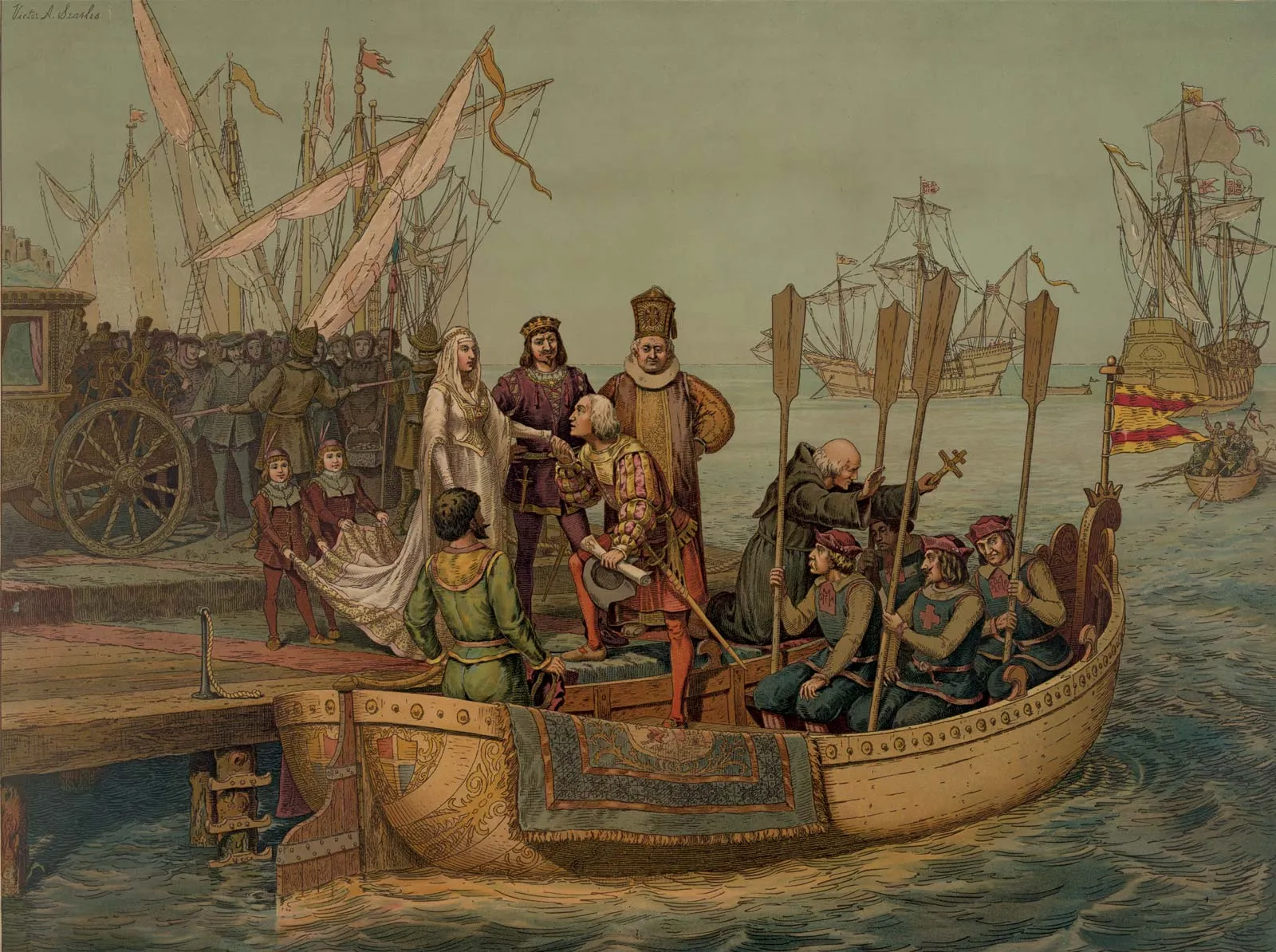
What was once called "exploration" is increasingly called what it was.
None of this means history is useless or that the past is unknowable. It means history is a living document, not a closed case.
The facts of what happened do not change but our understanding of those facts, and whose version we centre, very much does.
The Power of Narrative
The brain naturally turns events into stories. Not timelines or data points, but rather stories, with protagonists and antagonists, turning points and lessons.
History
Rewind the Stories that Made Africa, Africa
A Journey Through Time, Narrated with Insight.
History, filtered through human minds and human cultures, does exactly the same thing. The same event, it could be a revolution, a war or a colonial encounter, that gets told completely differently depending on who is telling it and why.
British schoolchildren and Kenyan schoolchildren do not learn identical versions of what happened during colonial rule.
American and Vietnamese accounts of the Vietnam War do not read like they are describing the same conflict.
That is not always deliberate dishonesty. It is what happens when you ask people to turn complicated, painful, morally ambiguous events into something coherent enough to teach.
History starts as record and ends as interpretation. The line between the two is thinner than most textbooks admit.
History as an Ongoing Conversation
So, can you trust your history books? Not blindly but that is not a reason to throw them out.
History is not a perfect record of the past. It is humanity's collective attempt to remember one, and like all memory, it is shaped by emotion, perspective, time and whoever held the pen.
That does not make it worthless. It makes it worth questioning.
The real value of studying history is not to find a final, settled truth. It is to keep interrogating the stories we have inherited, to ask whose memory is centred, whose is missing and what we might understand differently if we listened more carefully.
The past is fixed. What happened, happened. But our understanding of it? That is always, and should always be, a work in progress.