Great Zimbabwe Was Built Without Mortar: How Did an African Civilisation Do It?
Built from granite without mortar, Great Zimbabwe reveals the engineering, trade networks, and political organisation of a remarkable African civilisation.

Imagine building a wall several metres high, circling more than 200 metres, without cement, mortar or modern construction equipment. Now imagine that the wall has survived for centuries.
This is not a modern engineering experiment; it is part of the story of Great Zimbabwe, an ancient African city whose distinctive stone architecture continues to challenge how we understand the continent's history.
Located in present-day southeastern Zimbabwe, Great Zimbabwe was built and developed between approximately 1100 and 1450 AD by ancestors of the Shona people.
The name is commonly traced to the Shona phrase dzimba dza mabwe, meaning "houses of stone", and modern Zimbabwe later took its name from the site.
Recognised as a UNESCO World Heritage Site, it was once the centre of a powerful kingdom and an important settlement in southern Africa. Yet beyond its surviving ruins, it tells a story of architectural knowledge, political organisation and economic influence that is still too often overlooked.
How Did They Build Without Mortar?
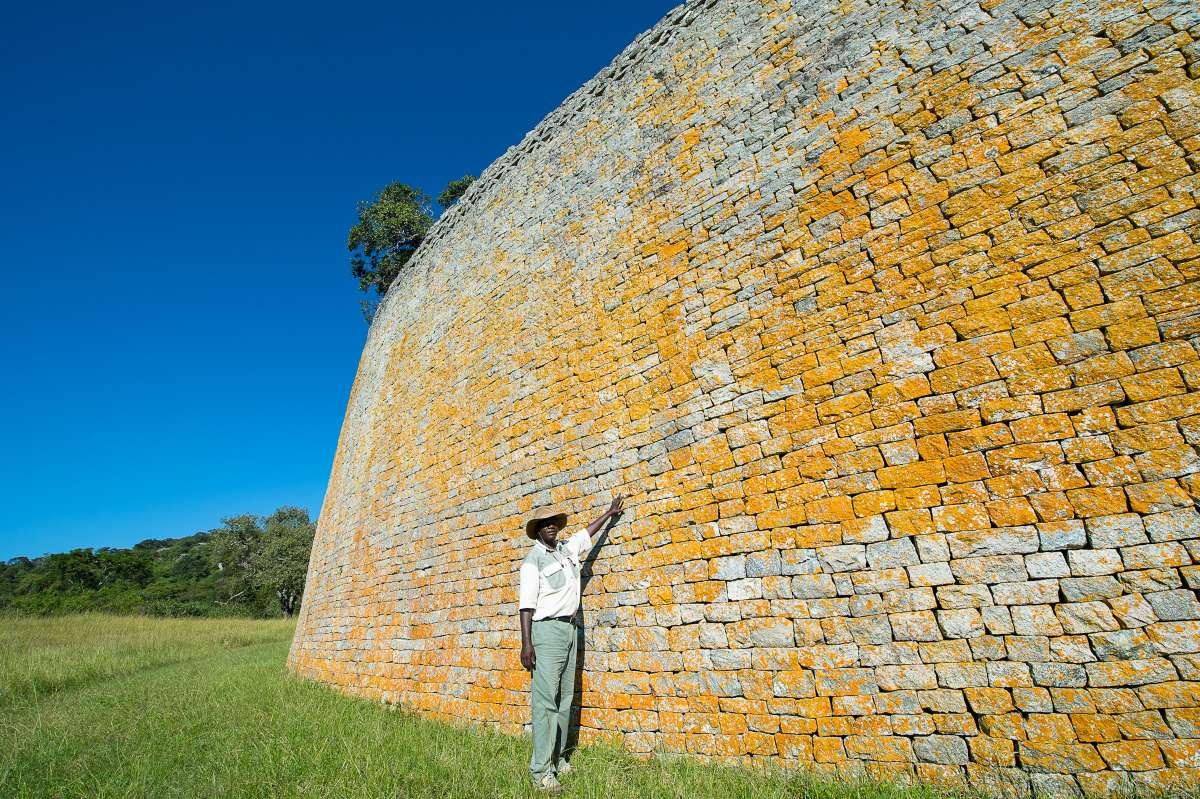
The secret was not magic, but knowledge of materials, careful workmanship and an understanding of construction. Builders sourced granite from the surrounding hills, where exposed rock naturally breaks into slabs and blocks.
Rather than binding these stones with mortar, they selected, shaped and carefully positioned them, stacking the blocks in successive courses.
The technique, known as dry-stone masonry, relied on the weight, placement and interlocking arrangement of the stones for stability. Many walls were constructed with a broad base that gradually narrowed towards the top, creating an inward slope that helped support their weight.
Over generations, builders refined their techniques, producing increasingly even, closely fitted courses and impressive curved walls.
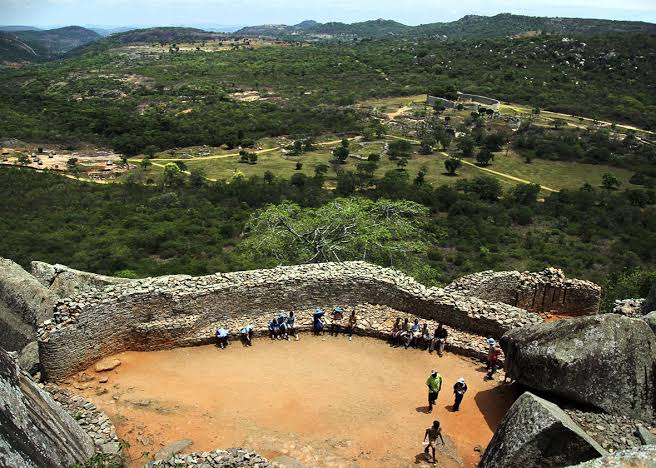
The Great Enclosure, one of the site's most striking structures, has an outer wall approximately 11 metres high and 252 metres in circumference. But granite was not the only building material.
Archaeological evidence also reveals the use of dhaka, an earth-based building material made from clay and granitic sand, for houses, floors and other domestic structures.
Beyond the Walls: A City Built on Power and Trade
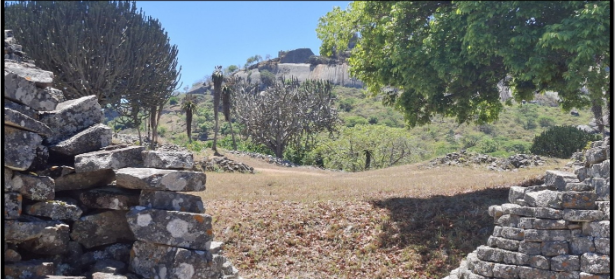
Great Zimbabwe was more than an architectural achievement. It was the centre of a political and economic system supported by agriculture, livestock keeping, craftsmanship, metalworking and trade.
Its inhabitants worked with gold, copper and iron, while archaeological discoveries point to connections with trading networks reaching the East African coast and the wider Indian Ocean world.
History
Rewind the Stories that Made Africa, Africa
A Journey Through Time, Narrated with Insight.
Excavations have uncovered imported objects, including Chinese ceramics and other materials associated with long-distance exchange. Gold was particularly significant, but archaeological research, including a 2023 study by Shadreck Chirikure and colleagues in Archaeological and Anthropological Sciences, has also challenged the idea that it was simply extracted for export.
Evidence of gold-processing vessels and crucibles suggests that residents worked and consumed gold within the settlement itself.
Such activity required more than skilled builders. It depended on organised communities, specialised knowledge, access to resources and leadership capable of coordinating labour on a substantial scale. The walls were therefore not just physical structures; they also reflected the society that produced them.
Why African History Needs More Than a Footnote
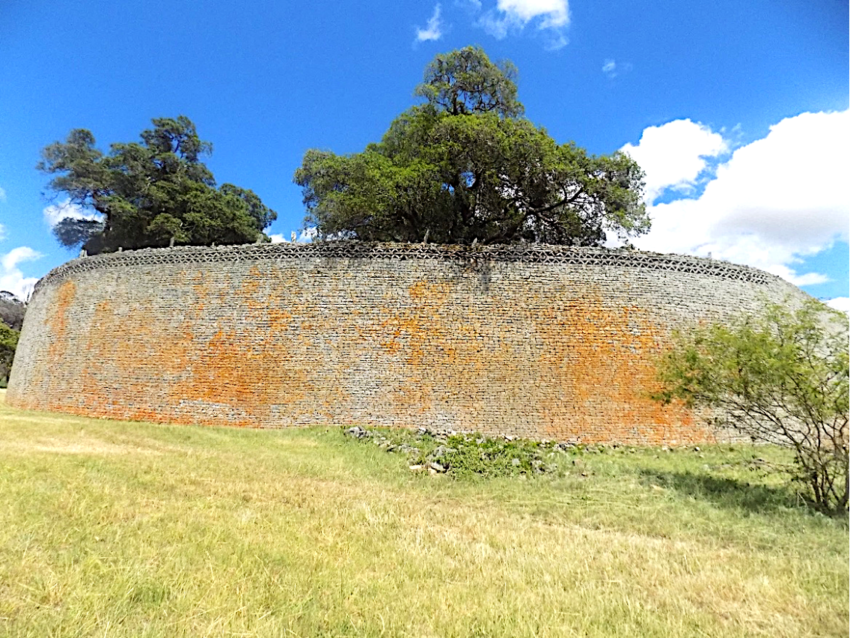
Great Zimbabwe eventually declined as a major political centre, and the city was gradually abandoned. Scholars have suggested several contributing factors, including pressure on resources, shifts in regional trade and political change, though no single explanation is settled. Its surviving structures, however, remain a powerful reminder of what African societies achieved long before colonial rule.
Its history also challenges the colonial-era claims that such sophisticated architecture must have been the work of foreigners. Archaeological research, notably the 1929 investigation by British archaeologist Gertrude Caton-Thompson, established its African origins and restored the achievements of its builders to their rightful historical context.

This is why African history must be studied, documented, and shared beyond occasional celebrations of ancient kingdoms. From stone architecture to metallurgy, trade, scholarship and artistic traditions, the continent has a long record of innovation that deserves serious attention.
Great Zimbabwe may now stand partly in ruins, but its walls have not lost their voice. They remind us that a civilisation does not need modern machinery to demonstrate extraordinary knowledge, and that African history is not a story waiting for the world to discover it; it is a story Africans must continue to tell, preserve and understand.