9 Historical Practices That Were Once Legal but Would Be Unacceptable Today
Some things history should never have allowed. These 10 once-legal practices will make you question what people considered perfectly normal back then.
Imagine waking up in 2026, opening your phone and discovering that your great-great-grandparents lived in a society where owning another human being was perfectly legal, husbands could get away with sexually assaulting their wives, and children could be sent to work in factories before they even understood long division.
You would probably think somebody had been watching too many historical dramas.
Unfortunately, these were not fictional storylines. They were actual laws and socially accepted practices in different parts of the world. Some were defended by governments, religious institutions and even medical professionals.
Apparently, humanity has always had a complicated relationship with common sense.
Here are 9 historical practices that were once legal but would cause serious outrage today.
1. Buying and Selling Human Beings Was Legal
For centuries, slavery was a legally recognised business across different parts of the world. In the Atlantic slave trade, millions of Africans were forcibly transported, sold and treated as property.
People could purchase human beings, separate children from their parents, force entire communities into labour and inherit enslaved people as part of family wealth.
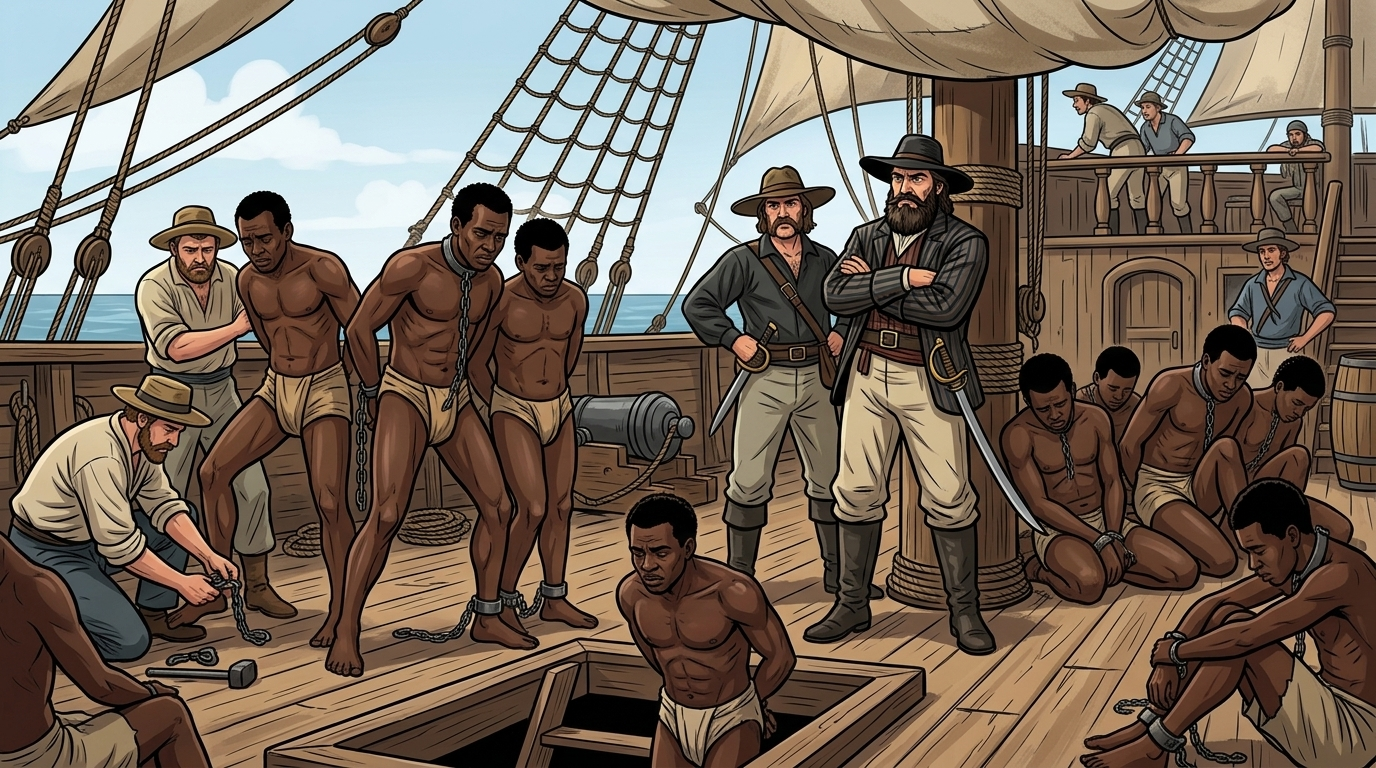
Imagine someone adding another human being to their shopping list alongside groceries. Except this was not considered a crime. It was business.
History
Rewind the Stories that Made Africa, Africa
A Journey Through Time, Narrated with Insight.
The United States formally abolished slavery through the Thirteenth Amendment in 1865, although an exception for forced labour as criminal punishment remained.
Today, slavery is prohibited under international law. Unfortunately, human trafficking and forced labour still exist. Apparently, some people never received the memo about human rights.
2. A Husband Could Legally Rape His Wife
Marriage once came with a rather disturbing legal assumption: husbands were entitled to sexual access to their wives.

Under traditional English common law, marriage was treated as permanent consent to sexual intercourse. Consequently, a husband could not ordinarily be prosecuted for raping his wife.
The reasoning was that a woman had surrendered this right when she got married.
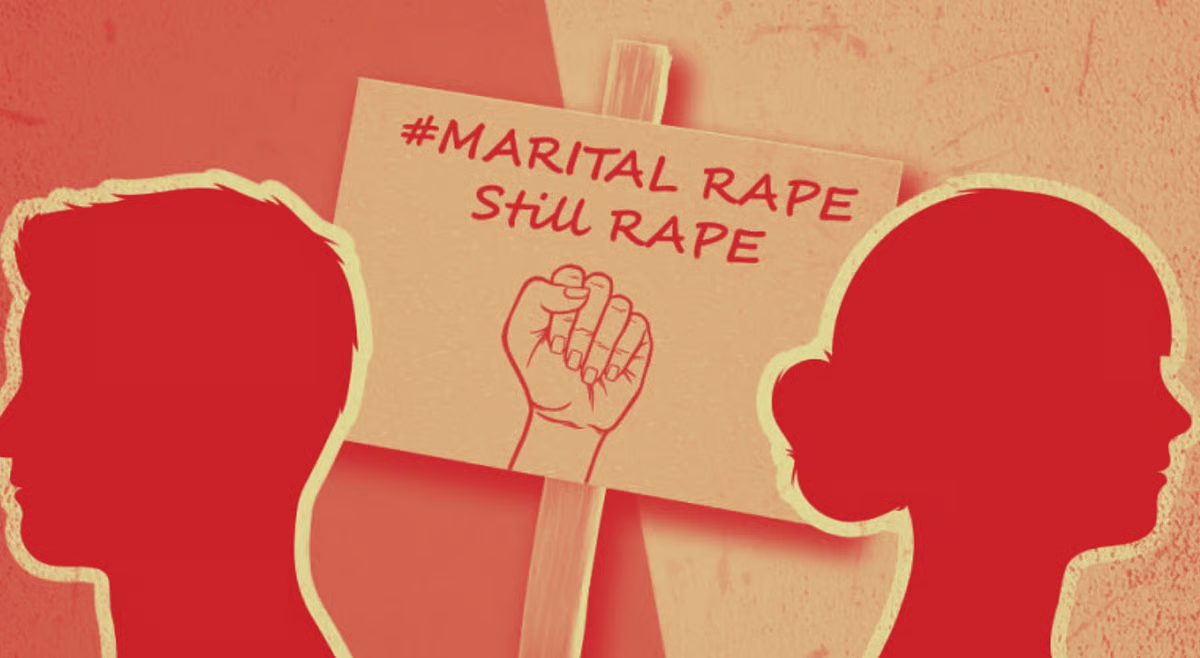
Imagine telling someone that their wedding vows included an invisible clause giving another person permanent access to their body. Absolutely horrifying.
England and Wales finally overturned the marital rape exemption in 1991 through the landmark case R v R. Several countries have since criminalised marital rape, although legal exemptions still exist elsewhere.
3. Children Could Legally Work in Dangerous Factories
Before modern child labour protections, children as young as five worked in factories, mines and textile mills during the Industrial Revolution.
History
Rewind the Stories that Made Africa, Africa
A Journey Through Time, Narrated with Insight.
Their responsibilities included operating machinery, cleaning equipment, squeezing into narrow spaces and working exhausting hours.
Why employ adults when you could hire a child who barely knows how to tie their shoelaces?
Employers benefited from cheap labour, while poor families depended on children's earnings to survive. Workplace injuries, illnesses and exploitation were common.]
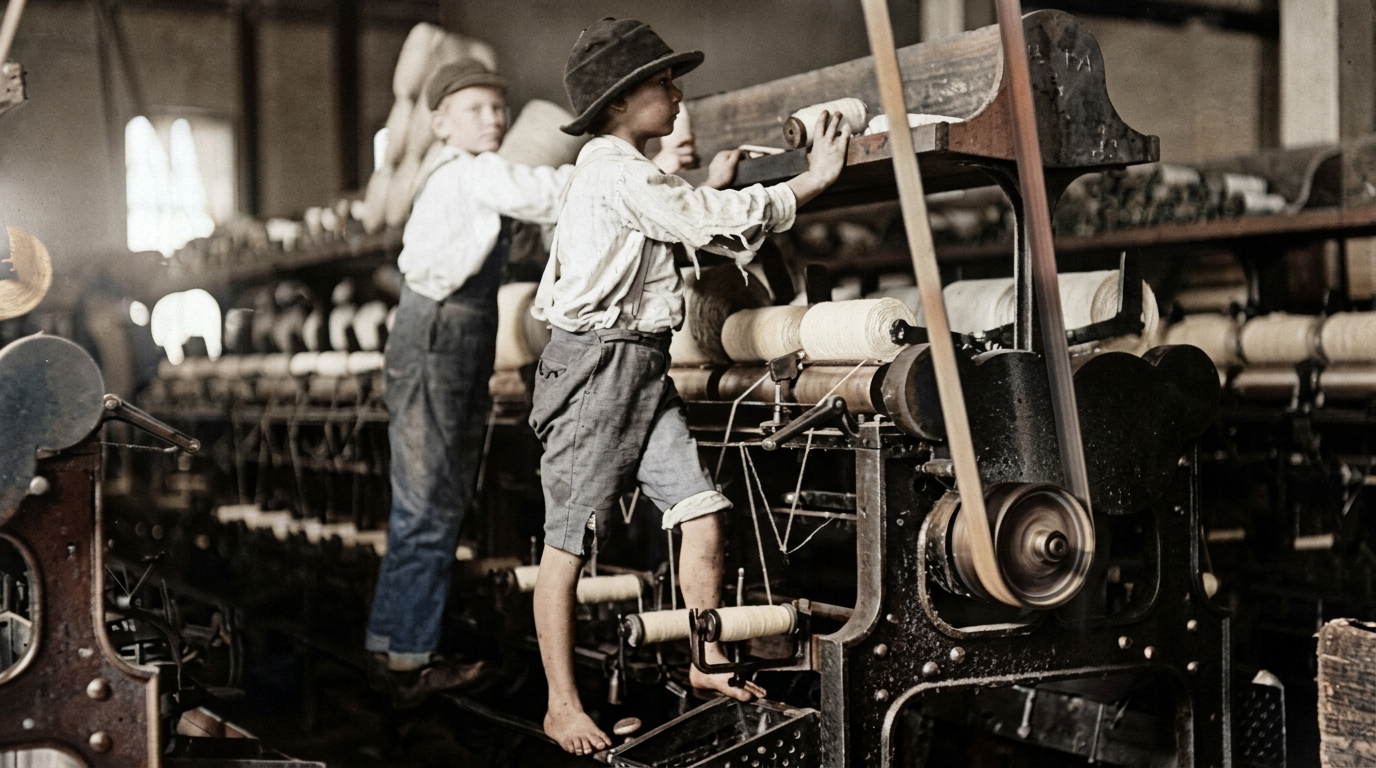
Britain gradually introduced restrictions through its Factory Acts, limiting children's working hours and improving workplace protections.
Today, hazardous child labour is prohibited under international standards. And no, making a six-year-old work an industrial shift should never have been anybody's business model.
4. Married Women Could Lose Their Legal Identity
Under a legal doctrine called coverture, married women in England had limited independent legal and financial rights. Their legal identity was largely absorbed into that of their husbands.
This meant restrictions on owning property, entering contracts and controlling their own earnings.
Essentially, a woman could spend years building a life, get married and discover that the law suddenly considered her husband the main character.
History
Rewind the Stories that Made Africa, Africa
A Journey Through Time, Narrated with Insight.
The Married Women's Property Acts of 1870 and 1882 gradually changed this arrangement, allowing women greater control over property and earnings.
Thankfully, marriage is no longer supposed to come with a compulsory transfer of your entire legal identity.
5. Separating People Because of Their Skin Colour Was Legal
In the United States, Jim Crow laws enforced racial segregation across much of the South.
Black Americans could be denied access to restaurants, schools, hospitals and public transport used by white Americans. Even public facilities were separated according to race.
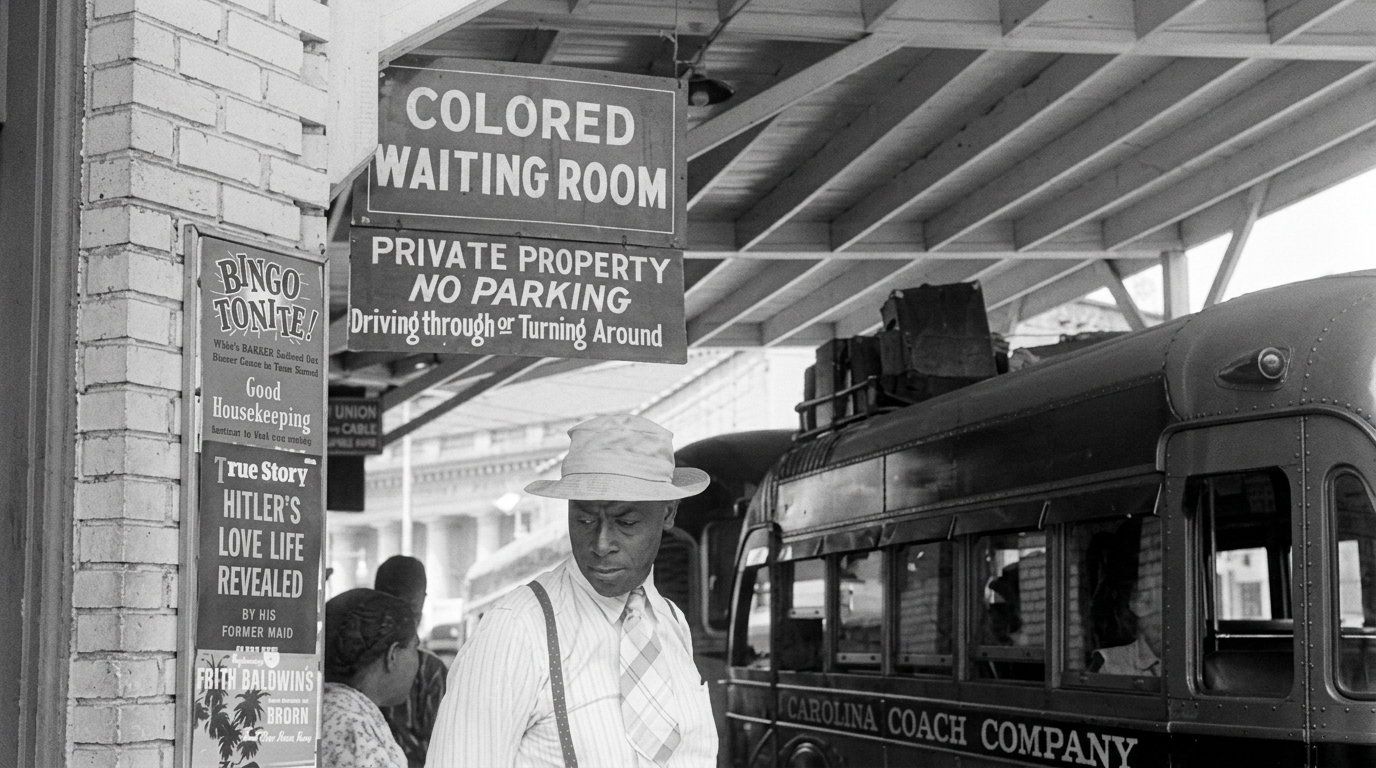
The Supreme Court upheld segregation in its 1896 Plessy v. Ferguson decision, using the argument that separate facilities could still be equal.
They were not.
The Civil Rights Act of 1964 outlawed segregation in many public accommodations. However, the damage from decades of discrimination did not disappear simply because somebody signed a document.
6. Doctors Could Legally Operate on People's Brains to Change Their Behaviour
Meet the lobotomy, one of the most disturbing chapters in medical history.
During the twentieth century, doctors performed procedures that deliberately disrupted connections in the brain to treat psychiatric conditions.
History
Rewind the Stories that Made Africa, Africa
A Journey Through Time, Narrated with Insight.
The procedure became popular during the 1940s and 1950s, despite serious risks. Patients sometimes experienced permanent personality changes, cognitive impairment and loss of independence.
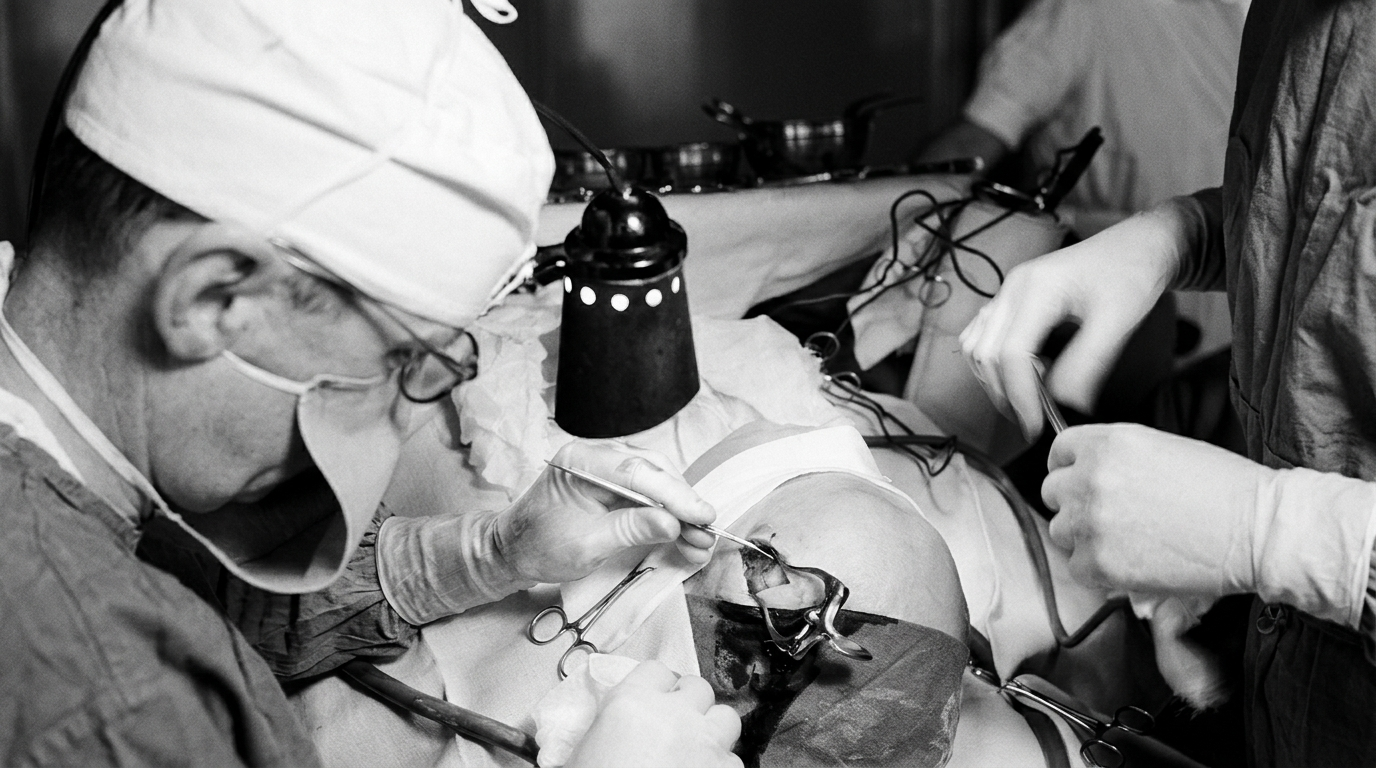
Portuguese neurologist António Egas Moniz even received the 1949 Nobel Prize in Physiology or Medicine for work related to the procedure.
Yes, the Nobel Prize.
Imagine visiting a hospital for treatment and leaving with an entirely different personality. The procedure eventually fell out of favour as safer treatments emerged.
7. Governments Could Legally Sterilise People Without Their Consent
Some governments once believed they could improve society by deciding who deserved to have children.
This movement was called eugenics, and it led to forced sterilisation programmes targeting people considered genetically or socially undesirable.
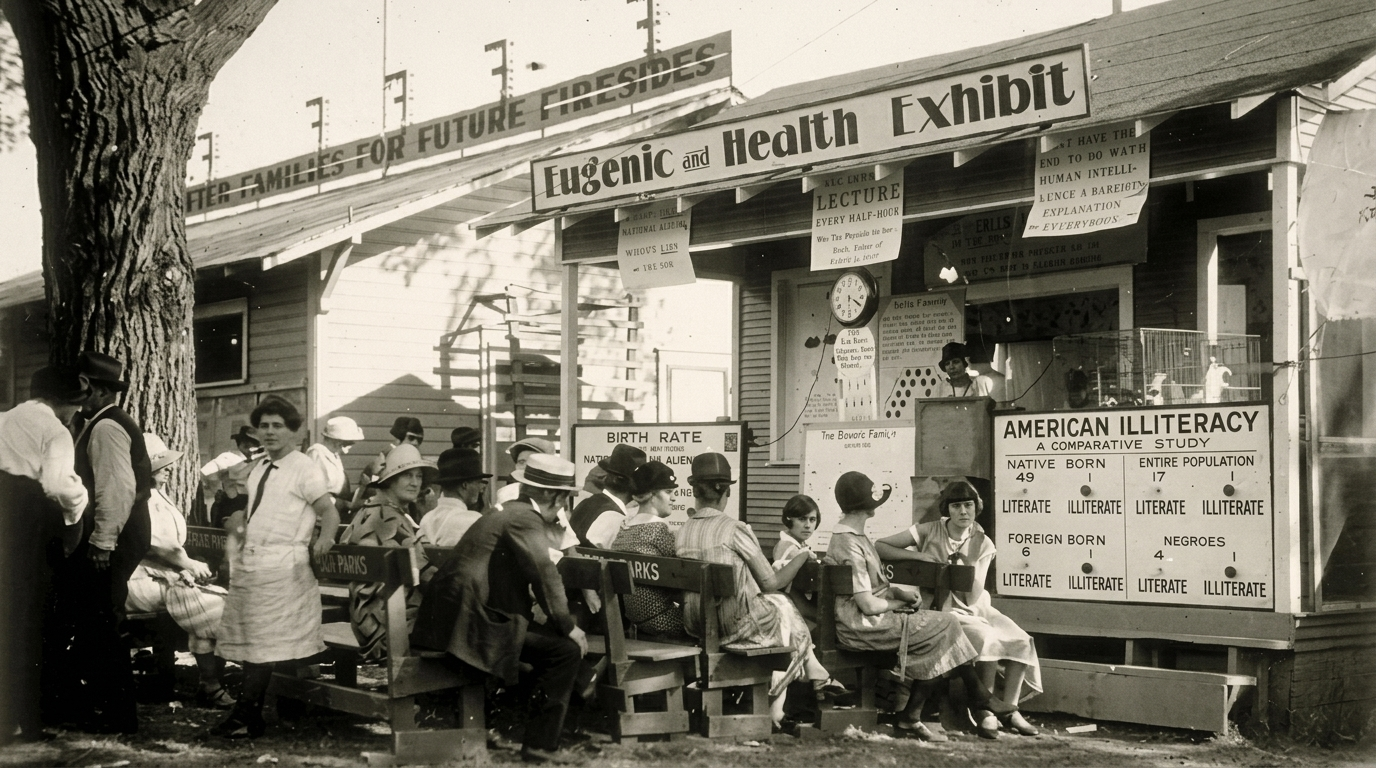
In the United States, thousands of people, particularly those with disabilities and institutionalised patients, were sterilised under state laws.
In 1927, the Supreme Court upheld Virginia's compulsory sterilisation law in Buck v. Bell.
Apparently, some people looked at inequality and concluded that the solution was to stop certain people from reproducing.
History
Rewind the Stories that Made Africa, Africa
A Journey Through Time, Narrated with Insight.
Today, forced sterilisation is recognised as a serious violation of human rights.
8. People Gathered to Watch Executions for Entertainment
Before executions became largely private proceedings, public hangings attracted enormous crowds in places like Britain.
People gathered in town squares to watch convicted criminals die. Some vendors even sold refreshments to spectators.
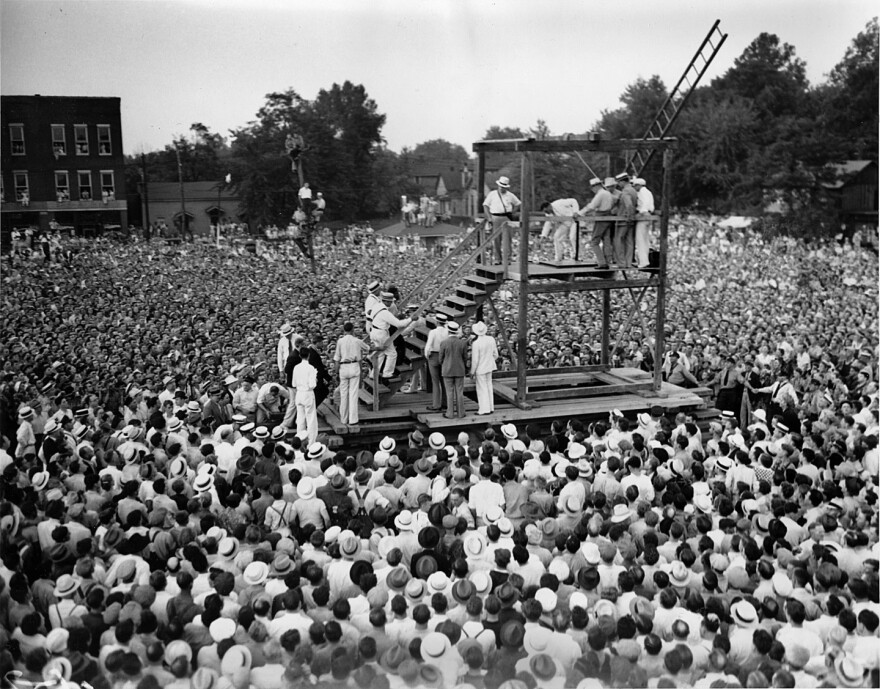
Imagine seeing an advert announcing a public execution and deciding it would make a lovely Saturday outing.
Authorities believed public executions would discourage crime through fear and humiliation.
Britain abolished public executions in 1868, requiring them to take place inside prisons.
Thankfully, watching another human being die is no longer considered a normal weekend activity in most societies.
9. Husbands Were Sometimes Permitted to Physically Discipline Their Wives
In several historical societies, husbands were regarded as authorities over their wives, and domestic violence was frequently treated as a private family matter.
History
Rewind the Stories that Made Africa, Africa
A Journey Through Time, Narrated with Insight.
English legal history is associated with the infamous 'rule of thumb', the claim that husbands could beat their wives with sticks no thicker than their thumbs.
Historians debate whether this was ever an actual legal rule, but the broader acceptance of domestic violence was real.
Imagine somebody defending physical assault with a measurement specification.
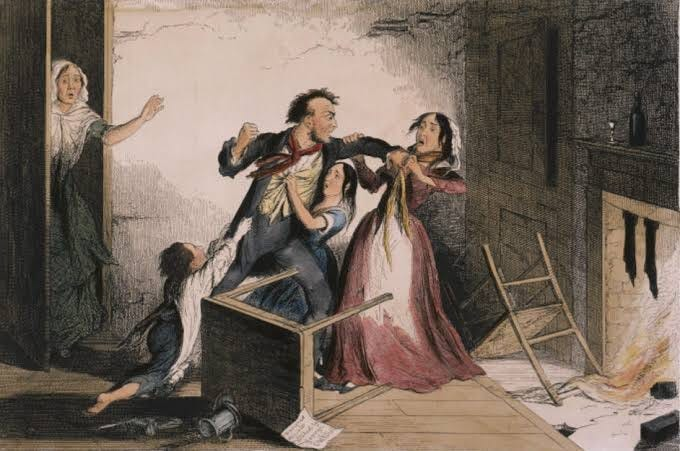
Modern legal systems increasingly recognise domestic violence as an offence and provide protections for victims.
Unfortunately, changing the law has not automatically changed everybody's behaviour.
History Has Some Explaining to Do
Perhaps the most disturbing thing about these practices is that many were defended as normal, necessary or even beneficial to society.
People built careers, businesses and entire institutions around systems that denied others basic dignity.
And that is worth remembering whenever someone argues that something must be right simply because it has always been done that way.
History
Rewind the Stories that Made Africa, Africa
A Journey Through Time, Narrated with Insight.
History is full of things humanity once considered perfectly acceptable. Some of them make us grateful for progress. Others make us wonder what exactly everybody was thinking.