Did You Know An African Kingdom Once Ranked Among The Greatest Empires On Earth?
Did you know that a 3rd-century Persian prophet ranked the Kingdom of Aksum among the world's four greatest empires alongside Rome, Persia, and China? This is the remarkable African kingdom history largely forgot.
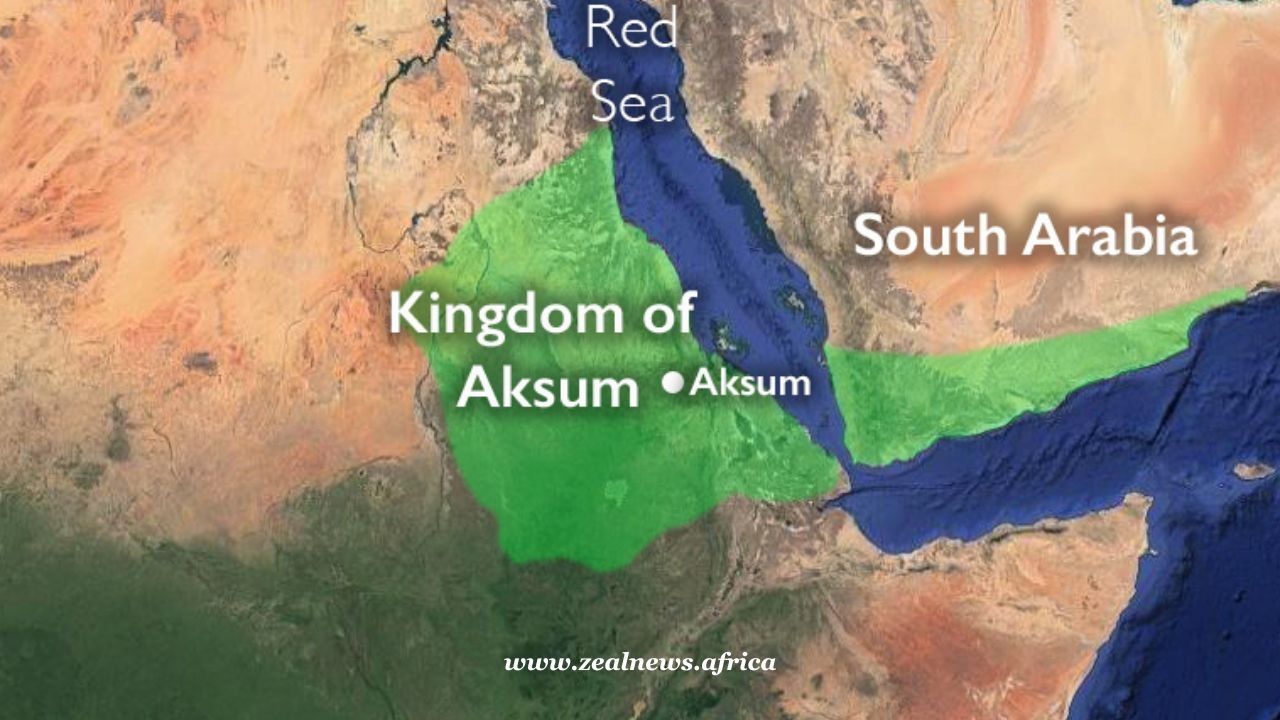
Context: The Kingdom of Aksum was named one of the four great powers of the ancient world by the 3rd-century Persian prophet Mani, alongside Rome, Persia and China, and minted its own currency earlier than most European kingdoms.
Every schoolchild learns the names Rome, Persia and China as the ancient world's great powers. Almost nobody learns the fourth name that belonged on that same list, ranked by a contemporary who had no reason to flatter Africa: Aksum.
A third-century Persian prophet placed this African kingdom beside empires that still dominate world history textbooks, and somewhere between then and now, its name quietly dropped off the syllabus.
This isn't a fringe claim resurrected to make a point. It is recorded history, written down by a man who had every reason to rank the world accurately rather than sentimentally. What Aksum was, what it built, and how thoroughly it vanished from popular memory say almost as much about how history gets written as they do about the empire itself.
Who The Aksumites Were, And Where Their Power Actually Came From
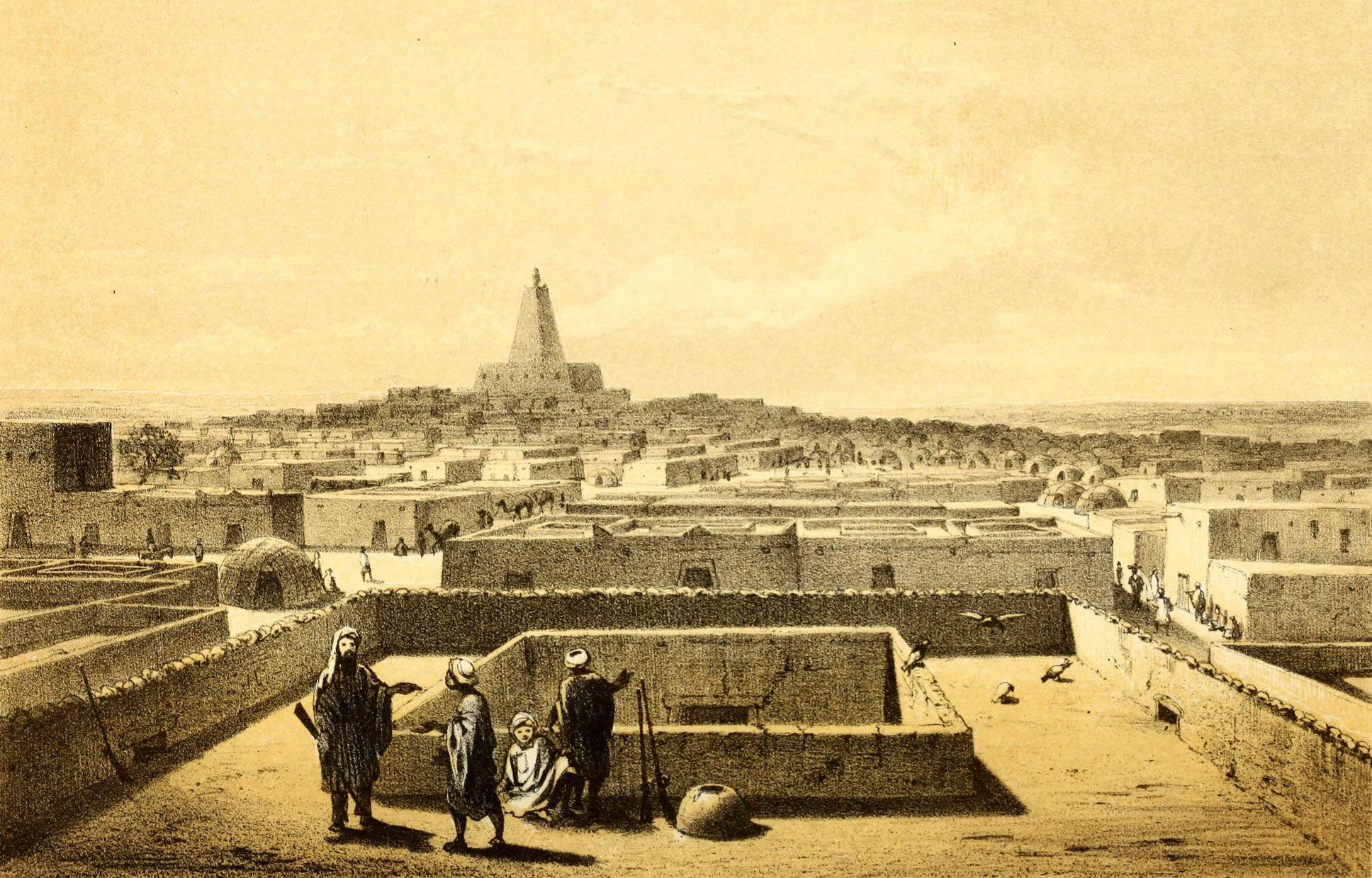
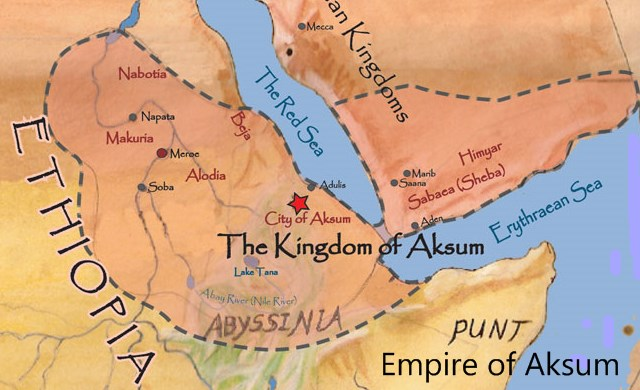
The Kingdom of Aksum rose in the highlands of what is now northern Ethiopia and Eritrea, emerging around the first century CE after the earlier Kingdom of Yeha faded. Its capital city, also called Aksum, sat inland, but the empire's real engine was Adulis, a Red Sea port that linked African goods to Arabia, India, Rome and Persia.
Gold, ivory and incense moved out through Adulis, and with them came the wealth that allowed Aksum to build a navy strong enough to protect its coastal trade routes and, by the sixth century, extend its authority across the Red Sea into southern Arabia and Yemen.
This was not a regional curiosity. Aksumite emissaries reportedly reached as far as Constantinople, while its merchants sailed towards Sri Lanka, placing the kingdom firmly within the same diplomatic and commercial network as history's most recognised ancient powers.
What Aksum Was Actually Known For
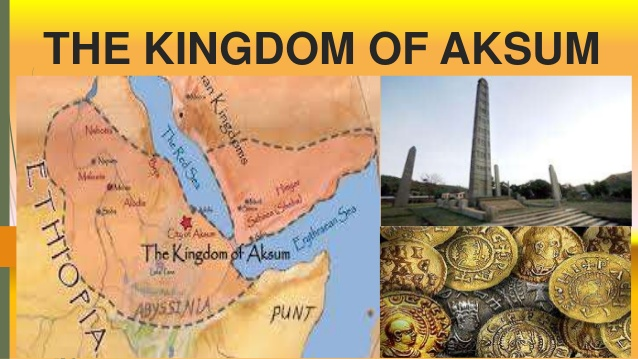
Aksum minted its own gold, silver and bronze coinage under King Endubis, currency that archaeologists have since excavated as far away as Caesarea and southern India—evidence that Aksumite money travelled through trade networks that most European kingdoms would not access for centuries.
The empire also raised towering stone stelae, single-block obelisks carved to resemble multi-storey buildings, some weighing more than 500 tonnes. The tallest once stood 33 metres before it fell. One surviving obelisk was carted off to Rome under Mussolini's orders during Italy's invasion of Ethiopia in the 1930s and was not returned until 2005.
Religion shifted just as dramatically as its architecture. Aksum initially followed its own pantheon centred on a war god called Mahrem before King Ezana converted the empire to Christianity in the fourth century, making Aksum one of the first nations in history to adopt Christianity as a state religion, alongside Rome. Ethiopian tradition adds one more extraordinary claim: that the Ark of the Covenant itself rests in Aksum's Church of Our Lady Mary of Zion to this day.
The Persian Prophet Who Ranked Aksum Among The Greatest, And Why We Forgot
Mani, the third-century Persian founder of Manichaeism, wrote plainly in his Kephalaia that there were four great kingdoms on earth: Babylon and Persia, Rome, the Aksumites and China, with, in his words, none that surpassed them.
This was neither flattery nor diplomatic courtesy. Mani had no political stake in praising an African kingdom. He was simply describing the geopolitical reality of his era as he understood it.
Three of those four names remain instantly recognisable today. The fourth largely isn't, and the reasons have less to do with what Aksum achieved than with who got to write world history afterwards.
Aksum's decline was real. A Persian invasion pushed it out of Arabia by the 570s, while the rise of Islamic trade routes gradually weakened its commercial dominance. By the late first millennium, the empire had retreated into the Ethiopian interior.
History
Rewind the Stories that Made Africa, Africa
A Journey Through Time, Narrated with Insight.
But decline explains a disappearance from power. It does not explain a disappearance from memory.
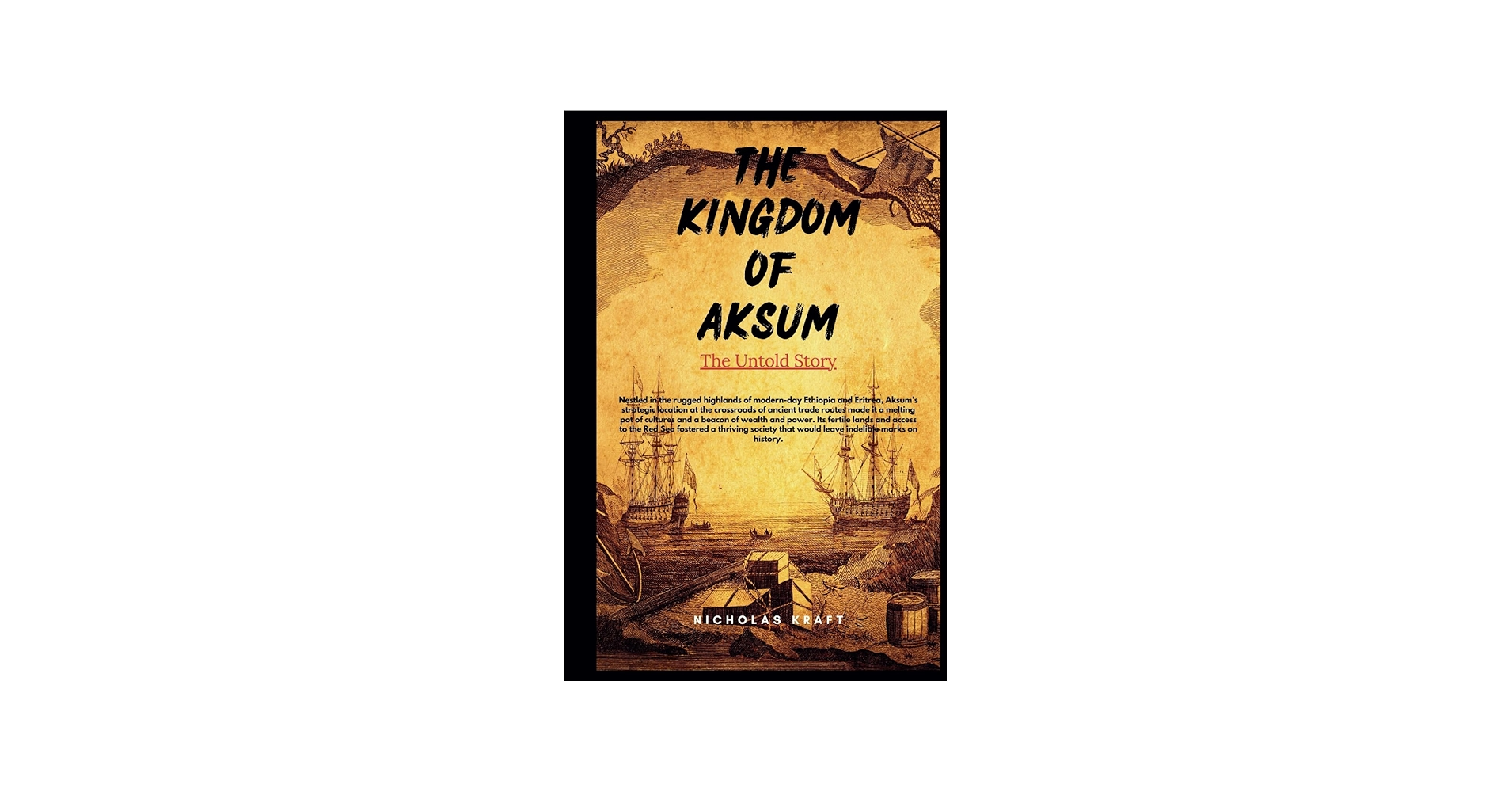
Colonial-era Western scholarship, working from frameworks that struggled to accommodate an advanced, literate and Christian African empire predating many of Europe's own kingdoms, simply left it out of the historical canon it was building. Medieval Europe half-remembered Aksum's Christian kingship anyway, folding rumours of it into the legend of Prester John rather than recognising the empire behind the myth.
None of this needs exaggeration to be remarkable. Aksum built cities, minted currency, converted nations and earned a place beside Rome from a source that had absolutely nothing to gain from saying so. The empire never needed rediscovery to have existed. It only needed someone to stop leaving it out.
A kingdom never needed Rome's permission to have mattered. It only needed a historical record, and Aksum already had one.