Billions Needed: INEC Demands N873.78bn for 2027 Elections Amid Funding Fears
The Independent National Electoral Commission (INEC) has proposed a substantial N873.78 billion budget for the 2027 general elections and an additional N171 billion for its 2026 operations. This proposal, presented to the National Assembly, outlines significant allocations for technology and capital costs, while also sparking debate over the suitability of the envelope budgeting system for the commission's critical functions.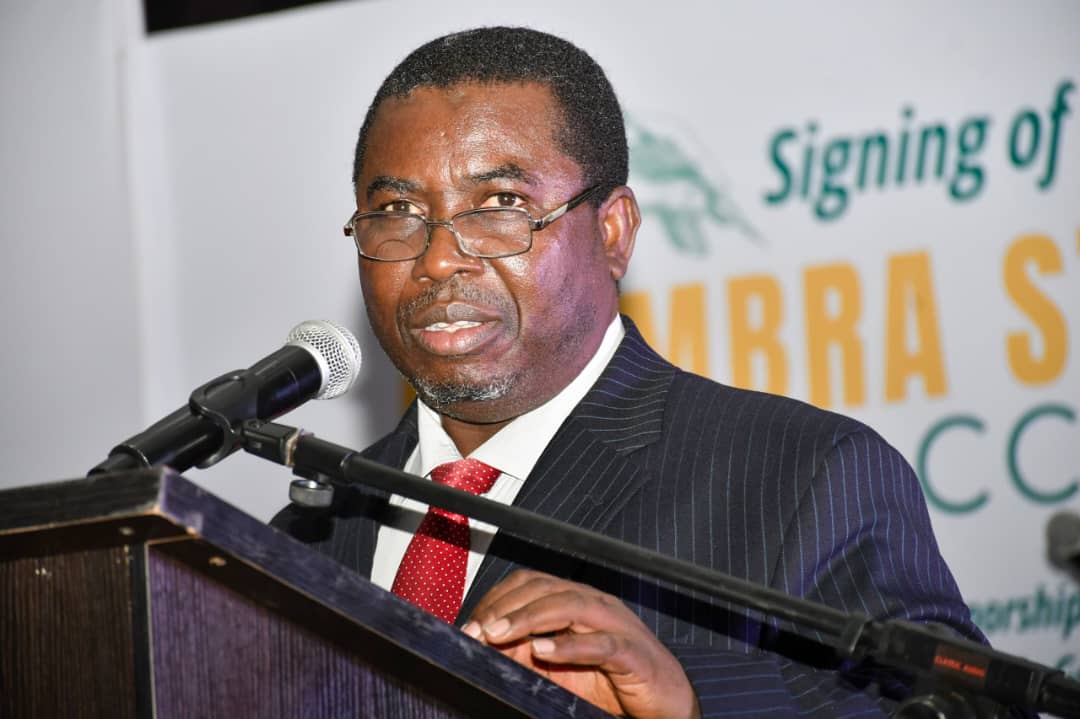
The Independent National Electoral Commission (INEC) has put forward an extensive budget proposal of N873.78 billion for the comprehensive conduct of the 2027 general elections.
This significant financial outlay was presented by INEC Chairman, Prof. Joash Amupitan, to a joint committee of the Senate and House of Representatives on Electoral Matters at the National Assembly.
He emphasized that this sum is distinct from the Commission’s 2026 budget proposal, which seeks N171 billion for its routine operations, including bye-elections and off-cycle polls, signaling a proactive approach to election funding in Nigeria.
Prof. Amupitan clarified that preparations for the 2027 elections have already commenced, aligning with statutory provisions that necessitate the appropriation of election funds at least 360 days before the scheduled exercise.
This early appropriation is deemed crucial for meticulous planning and the seamless nationwide execution of the polls.
The nearly N1 trillion budget for 2027 is meticulously structured into five primary components: N379.748 billion allocated for operational costs, N92.317 billion for administrative costs, N209.206 billion for technological costs, N154.905 billion for election capital costs, and N42.608 billion for miscellaneous expenses.
The INEC chairman noted that the capital expenditure component is notably higher than in previous budgets, primarily due to the consolidation of several capital items that had not been adequately captured in earlier appropriations into this 2027 election budget.
For the 2026 fiscal year, INEC is proposing a total expenditure of N171 billion, despite the Ministry of Finance providing a budget envelope of N140 billion.
This proposed N171 billion includes N109 billion for personnel costs, N18.7 billion for overheads, N42.63 billion for election-related activities, and N1.4 billion for capital expenditure.
Prof. Amupitan vocally argued against the suitability of the envelope budgeting system for INEC's unique operations, emphasizing that the Commission's activities demand urgent and flexible funding to effectively discharge its constitutional responsibilities.
He further highlighted the absence of a dedicated communications network as a significant operational challenge, proposing that an independent network infrastructure would enhance transparency and enable Nigerians to hold the Commission more accountable for any technical failures during elections.
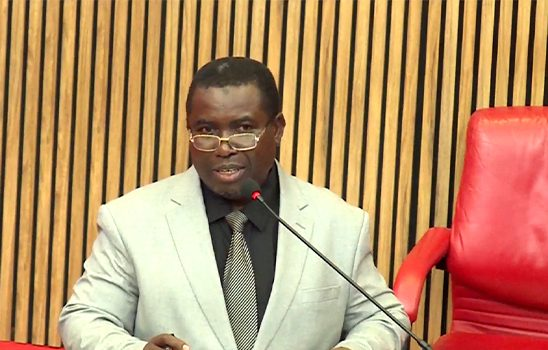
Members of the National Assembly expressed their views on INEC's funding. Senator Adams Oshiomhole (Edo North) asserted that external agencies should not dictate INEC's budgeting framework, given the sensitive nature of its mandate, advocating for the abandonment of the envelope system for the Commission.
Similarly, Hon. Billy Osawaru (Edo State) called for INEC’s budget to be placed on a first-line charge as constitutionally provided, ensuring full and timely release of funds for proper planning.
The Joint Committee subsequently approved a motion recommending the one-time release of the Commission’s annual budget.
The committee also indicated its intention to consider a fresh proposal from the National Youth Service Corps (NYSC) seeking approximately N32 billion to increase allowances for Corps members serving as ad hoc staff during elections to N125,000 each.
Assurances of legislative support were provided by Senator Simon Bako Lalong, Chairman of the Senate Committee on INEC, and Rep. Bayo Balogun, Chairman of the House Committee on Electoral Matters.
However, Rep. Balogun also issued a caution, urging the Commission to be prudent in making promises it might not be able to fulfill.
He recalled that during the last general election, INEC had created an impression of real-time result monitoring through the INEC Result Viewing (IREV) portal, despite IREV not being enshrined in the Electoral Act but only in INEC regulations.
The N873.78 billion proposed for the 2027 general election represents a substantial increase compared to the N313.4 billion received by the federal government for the 2023 polls, which had an approved budget of N355.3 billion, highlighting a significant escalation in the cost of conducting national elections.