Crisis at Forest: Club Hunts for Record Fourth Manager This Season
Nottingham Forest are set to appoint their fourth permanent manager this season, a Premier League record, following Sean Dyche's recent sacking. This managerial merry-go-round highlights a recurring theme in the league's history, where multiple coaching changes have yielded varied outcomes, often failing to avert relegation or significant underperformance.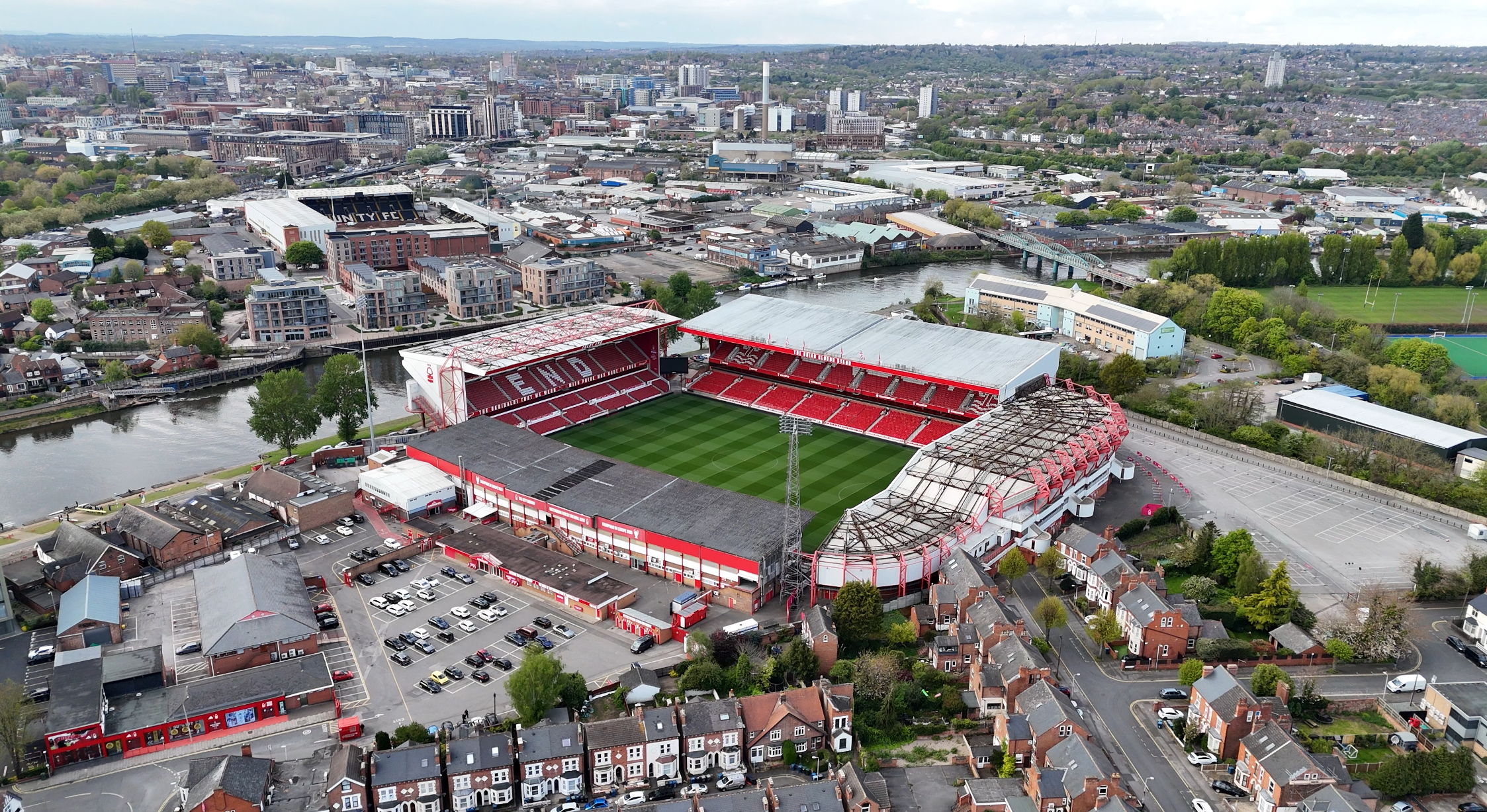
Nottingham Forest are once again in search of a new manager, marking a tumultuous season with yet another change at the helm.
Sean Dyche, who was appointed just 114 days prior, was relieved of his duties following a goalless draw against Wolverhampton Wanderers.
This decision comes despite Dyche being a candidate for the Premier League Manager of the Month award for January, a period where he secured seven points from a possible twelve for the relegation-threatened club.
The recent stalemate against Wolves left Forest precariously positioned, only three points above the bottom three.
The 2025-26 season began with Nuno Espírito Santo in charge, a manager who had guided the club to Europa League qualification the previous term.
However, his tenure lasted only three games before a public disagreement with owner Evangelos Marinakis led to his replacement in early September by Ange Postecoglou.
Postecoglou's stint proved disastrous, overseeing eight winless games before Dyche's appointment in October, when Forest found themselves in 18th place.
Now, with 18 games played under Dyche and 12 league fixtures remaining, Forest are 17th.
Reports indicate that former Wolves boss Vitor Pereira has agreed to become Forest's fourth permanent manager this season, a move that would set a new Premier League record for managerial changes within a single campaign.
Nottingham Forest's predicament, while setting a new record, is not entirely unprecedented in the Premier League.
There have been 21 previous instances of teams employing three permanent managers in a single season.
The outcomes of these managerial merry-go-rounds have varied significantly, from successful escapes to complete collapses.
In some cases, such drastic measures have yielded positive results. Crystal Palace in 2014-15 experienced a season that began with Tony Pulis's departure, followed by Neil Warnock's brief and largely unsuccessful tenure.
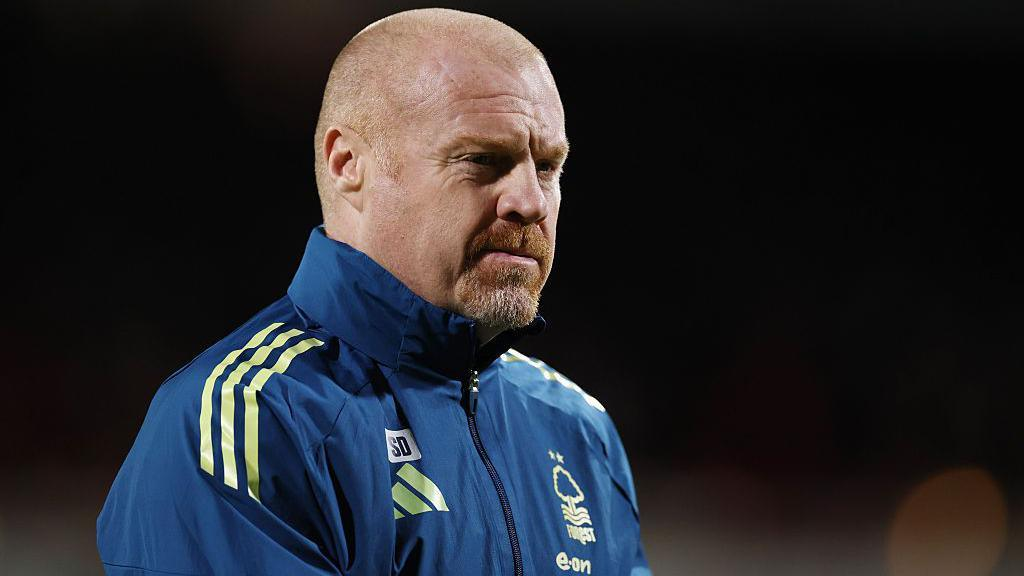
Alan Pardew's arrival in January sparked a turnaround, propelling the Eagles to a 10th-place finish.
Similarly, Swansea City in 2016-17 navigated a relegation battle by rotating through Francesco Guidolin, Bob Bradley, and ultimately Paul Clement.
Clement's arrival in January brought a marked upturn in results, including three crucial wins in their final three games, securing their Premier League status by a seven-point margin, finishing 15th.
However, more often than not, multiple managerial changes have made little difference to a team's fortunes.
Leicester City in 2001-02, beset by financial woes, saw Peter Taylor, Dave Bassett, and Micky Adams take charge, but the Foxes were relegated in 20th place after spending almost the entire campaign in the bottom three.
Portsmouth in 2004-05 went from Harry Redknapp to Velemir Zajec and then Alain Perrin, with Perrin narrowly securing 16th place after a slump following Redknapp's controversial departure.

That same season, Southampton (2004-05) appointed Paul Sturrock, Steve Wigley.
Harry Redknapp, who sensationally left local rivals Portsmouth to save the Saints, but they were ultimately relegated in 20th place on the final day.
Other instances where changes had little impact include Portsmouth in 2008-09 (Redknapp, Tony Adams, Paul Hart), who finished 14th largely due to other teams' worse performances.
Fulham in 2013-14 (Martin Jol, Rene Meulensteen, Felix Magath), who were relegated in 19th; West Brom in 2017-18 (Tony Pulis, Alan Pardew, Darren Moore), who finished 20th and were relegated despite late wins.
Fulham in 2018-19 (Slavisa Jokanovic, Claudio Ranieri, Scott Parker), relegated in 19th after a dire season.
Watford in 2019-20 (Javi Gracia, Quique Sánchez Flores, Nigel Pearson), who were relegated in 19th after Pearson's sacking two games before the season's end.
Watford repeated this pattern in 2021-22 (Xisco Muñoz, Claudio Ranieri, Roy Hodgson), finishing 19th and relegated.
Leeds United in 2022-23 (Jesse Marsch, Javi Gracia, Sam Allardyce) also succumbed to relegation in 19th, as neither Gracia nor Allardyce could stave off the drop.
Tottenham Hotspur in 2022-23 (Antonio Conte, Cristian Stellini, Ryan Mason) saw Conte depart, and subsequent short stints led to them tumbling out of European qualification spots to finish 8th.
Most recently, Southampton in 2024-25(Russell Martin, Ivan Juric, Simon Rusk) set a record for the Premier League's earliest relegation, being doomed after 31 games and finishing 20th.
Conversely, many cases demonstrate that multiple managerial changes can lead to an outright disastrous season.
Crystal Palace in 1997-98, after a mid-season takeover, saw Steve Coppell moved aside for joint player-managers Attilio Lombardo and Thomas Brolin.
Results plummeted, and they were promptly relegated in April, finishing 20th.
Sunderland in 2002-03, after flirting with relegation the previous season, sacked Peter Reid, appointed Howard Wilkinson (who had been out of management for six years).
Subsequently lost all but three Premier League games from mid-November, leading to an emphatic 20th-place relegation.
Charlton Athletic in 2006-07 replaced long-serving Alan Curbishley with Iain Dowie, then Les Reed (who lasted a record 41 days), and finally Alan Pardew, but nothing could save them from 19th and relegation.
Newcastle United in 2008-09 saw Kevin Keegan leave due to board disputes, followed by the highly unpopular appointment of Joe Kinnear (who later stepped down for health issues), and then club legend Alan Shearer.
Despite Shearer's efforts, the Magpies were relegated in 18th. Aston Villa in 2015-16, a decade before their high-flying 2025-26 season, found themselves in the doldrums with Tim Sherwood, Remi Garde, and Eric Black at the helm.
Garde, a grim disciplinarian, failed to rally the squad, leading to their relegation in 20th place, the first time since 1986-87.
Even Chelsea in 2022-23, despite finishing 12th, experienced a 'debacle' under new co-owner Todd Boehly, as Champions League-winning.
Thomas Tuchel was dismissed for Graham Potter, who in turn was fired after 31 games, with Frank Lampard taking the reins for a forgettable end to the season that saw them slide into mid-table and knocked out of all cup competitions.