Sundance 2026: Unveiling Shocking Revelations from Top Interviews

The Sundance Film Festival 2026 marked a pivotal and emotionally charged event in the history of independent filmmaking, serving as a bittersweet farewell to its long-standing home in Park City, Utah, after more than four decades. This year also paid profound tribute to the enduring legacy of its visionary founder, Robert Redford. Amidst this significant transition, Collider was on the ground, proudly participating in the celebration of indie films, their courageous creators, and the bold, often challenging, stories they brought to life.
Collider's presence at the festival was anchored at the Arby's Cinema Center, where our own Steve Weintraub and Perri Nemiroff conducted candid interviews with a diverse array of filmmakers, cast members, and creative teams. These conversations delved deep into the inspirations behind original narratives, the intrinsic joys of storytelling, the critical importance of taking creative risks without commercial studio interference, and the formidable challenges overcome to premiere these passion projects at Sundance. Special thanks were extended to presenting sponsor Arby’s, along with supporting partners Hendrick’s Gin, Sommsation - The Wine Company, Peroni USA, neau water, Bernier, and producing partner Twenty35 Agency, for making the Collider Studio and its extensive coverage possible.
Among the standout features showcased was Joanna Natasegara's documentary, The Disciple, a truly bizarre and remarkable narrative recounting the story of Tarik Azzougarh, also known as Cilvaringz. Natasegara, alongside producer Abigail Anketell-Jones, shared the incredible journey behind the Wu-Tang Clan's seventh studio album, "Once Upon a Time in Shaolin." This single-copy album, famously sold twice – first to Martin Shkreli in a controversial fashion, and later for $4 million to the art collective PleasrDAO – holds the distinction of being the most expensive single album in the world. The documentary explores Azzougarh's transformation from a fan to a collaborator, his determination to become part of the Wu-Tang universe, and the intricate process of retrieving three decades of his archive footage, ultimately leading to the album being recognized as an official Wu-Tang Clan release, described as the "Mona Lisa of music."
Another compelling drama, Frank & Louis, represented a decade-long endeavor for co-writer and director Petra Biondina Volpe. Unable to secure financing in the US, the film was ultimately financed with Swiss money and shot in the UK, starring American and UK actors Kingsley Ben-Adir as Frank and Rob Morgan as Louis. Volpe's inspiration stemmed from her firsthand experience in a California men's prison in 2014, where she observed "Gold Coats" – incarcerated individuals specially trained to provide care for fellow inmates suffering from Alzheimer's Disease or dementia. The film tells the story of Frank, a man serving a life sentence for murder, who seizes a parole opportunity, but first must gain the trust of Louis, a once-feared inmate now fragile due to early-onset dementia. As their bond deepens, Frank confronts his own past regrets, seeking redemption. Volpe and Morgan emphasized the importance of presenting this "complicated" reality, challenging societal clichés about incarceration and prompting deeper questions about crime, punishment, and empathy, rather than offering simplistic answers.
Jay Duplass made a significant return to film after 12 years with See You When I See You, an emotionally resonant exploration of grief penned by first-time feature writer Adam Cayton-Holland. The film is a cinematic adaptation of Cayton-Holland’s memoir, "Tragedy Plus Time," drawing directly from his personal experience of losing his sister to suicide and its profound impact on his family. Cooper Raiff portrays Aaron Whistler, a comedy writer grappling with severe PTSD following his sister Leah's suicide. The cast features Kaitlyn Dever as Leah, alongside David Duchovny, Hope Davis, Lucy Boynton, and Ariela Barer. Duplass shared that the script, despite its challenging themes of suicide, PTSD, and cancer, deeply resonated with him, prompting his return to filmmaking to explore such a sensitive narrative.
Writer-director NB Mager’s debut feature, Run Amok, expanded upon her Academy Award-shortlisted short film, delving into a controversial subject with a delicate "tonal tightrope" walk. The film centers on a group of high school misfits, led by Meg (Alyssa Marvin), who decide to stage a musical about a past school tragedy, directly confronting the trauma. The cast also includes Patrick Wilson, Margaret Cho, Molly Ringwald, and Sophia Torres. Mager’s inspiration was to address the violent truths of contemporary society and empower those most affected by them. Patrick Wilson highlighted the film's unique perspective through the eyes of the children, emphasizing art's role in challenging and reflecting societal realities, while Sophia Torres stressed the urgency for young people to use their voices for change in the face of prevalent tragedies like school shootings.
Filmmaker Kogonada described his latest project, Zi, as a "reset" and a return to his creative roots. Shot over three whirlwind weeks in Hong Kong with cinematographer Benjamin Loeb, the film emerged from Kogonada's desire to escape the conventional "system of filmmaking" after his previous large-scale project. Starring Jin Ha as Zi, Michelle Mao as her future self, and Haley Lu Richardson, the film follows Zi, a young woman disturbed by cryptic visions of her future, who encounters a stranger that may irrevocably alter her life path. Kogonada highlighted the transformative nature of this "guerrilla-style" filmmaking, emphasizing the pursuit of creative freedom and the "art of not knowing" in his approach to cinema.
Japanese writer and director Makoto Nagahisa returned to Sundance with Burn, a drama that vividly portrays Tokyo's vibrant youth culture intertwined with themes of generational trauma. Starring Nana Mori as Ju-Ju, a young runaway navigating the neon-lit streets of Kabukicho, the film follows her search for belonging among a group of misfits, and the subsequent betrayal that leaves her with few options. Nagahisa, known for his meticulous preparation and visual style, clarified that while the film has a "guerrilla-style" feel, all filming was legally permitted. He detailed his extensive pre-planning for sound and visuals, including storyboarding and music, while remaining open to "nice surprises" on set, dedicating months to fine-tuning the audio in post-production to immerse the viewer directly into Ju-Ju's experience of the city's nightlife.
Lastly, co-writer and director Wregas Bhanuteja's Levitating offered a surreal and supernatural exploration of Indonesia’s unique trance rituals. Blending romance, action, adventure, and horror, the film interprets "trance parties" – gatherings where participants become possessed by animal spirits through mantras, chanting, and the guidance of a shaman, without the use of substances or alcohol. Angga Yunanda plays Bayu, a young man aspiring to become a spirit channeler, using his flute to guide dancers, including Laksmi (Maudy Ayunda), into a hallucinatory realm of vibrant colors and delicious food, to earn money and prevent an eviction. Award-winning singer Anggun also stars as the shaman guru. Bhanuteja utilized these rituals to metaphorically confront the pressures of capitalism on Indigenous communities, crafting a visually stunning "pleasure realm" through brilliant colors, music, and dance.
The Sundance Film Festival 2026, though a moment of change and reflection, once again served as a vital platform for extraordinary storytelling, showcasing films that challenged perspectives, explored deep human experiences, and celebrated the enduring spirit of independent artistry.
Recommended Articles
Hollywood Heavyweights Honor Robert Redford in Emotional Sundance Gala Tributes

Hollywood stars gathered at the Sundance Institute’s annual gala to honor late founder Robert Redford, celebrating his e...
Sundance Sparks Fly: Chris Pine & Jenny Slate Ignite Opening Night Amidst 'Carousel' Drama

The Sundance Film Festival bade a bittersweet farewell to Park City, its home for over 40 years, as it prepares to reloc...
Prime Video Series Unmasks Shocking New Frontrunner for Coveted James Bond Role!
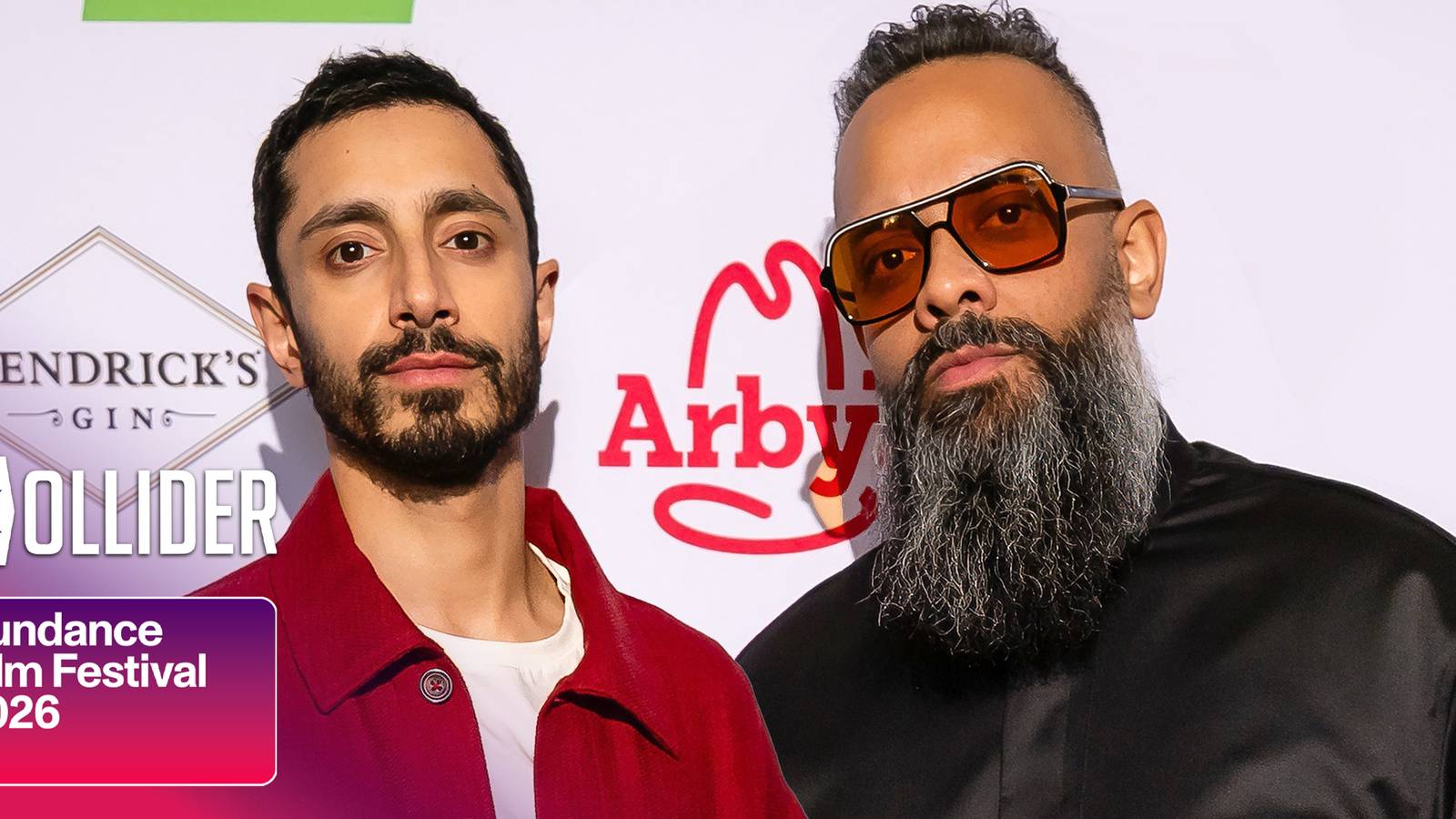
Riz Ahmed's new Amazon MGM series "Bait" premiered at the Sundance Film Festival 2026, starring Ahmed as a struggling ac...
You may also like...
Arsenal Blow: Havertz's Injury Threatens Tottenham Showdown

Arsenal's Kai Havertz has reportedly suffered a fresh muscular injury, making him a major doubt for the upcoming north L...
Crisis at Forest: Club Hunts for Record Fourth Manager This Season
Nottingham Forest are set to appoint their fourth permanent manager this season, a Premier League record, following Sean...
Blockbuster Battle: Pirates of the Caribbean 6 and Top Gun 3 Race for Release
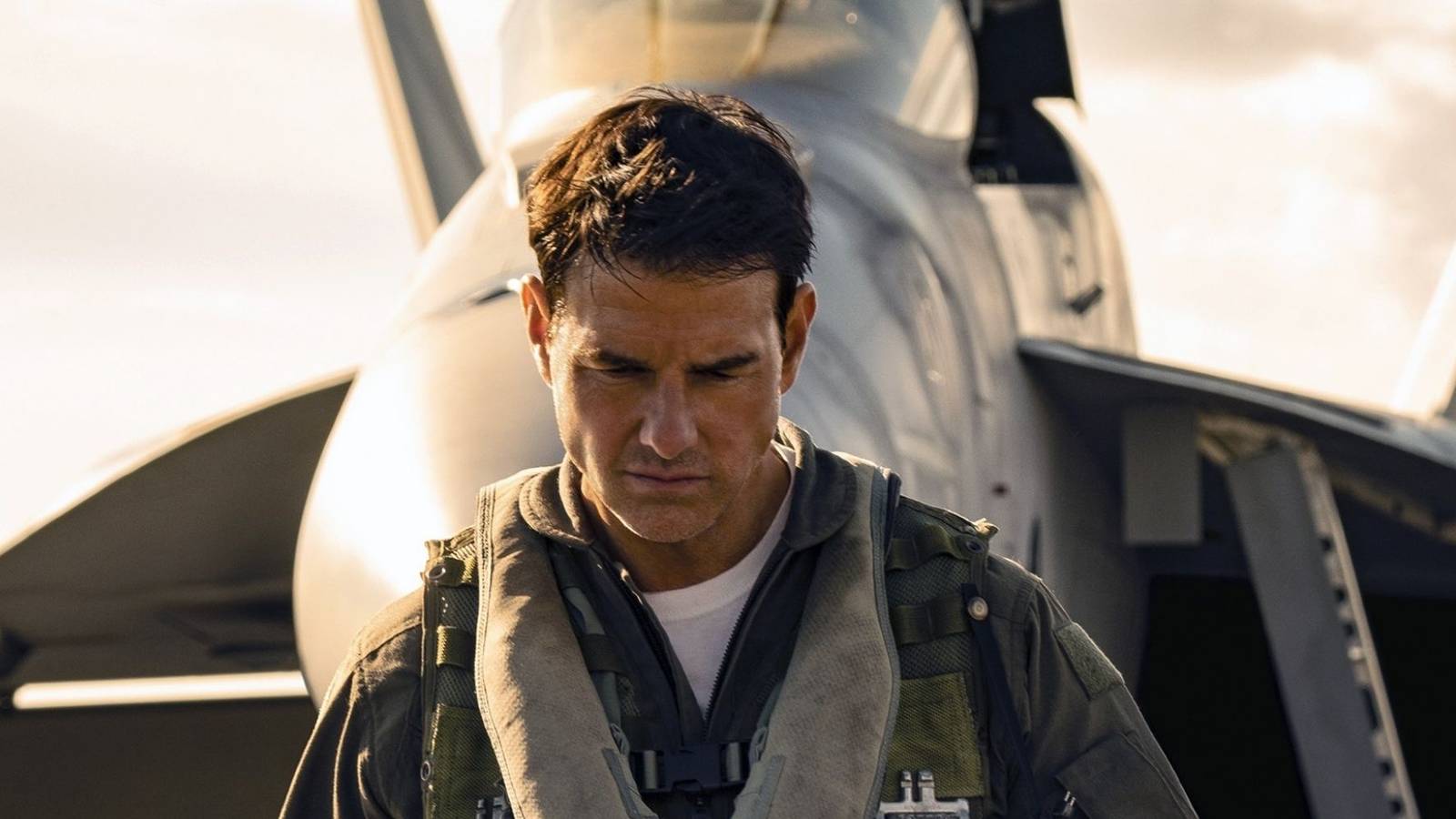
Renowned producer Jerry Bruckheimer confirms that both 'Top Gun 3' and 'Pirates of the Caribbean 6' are in active develo...
Eaux Claires Rises Again! Bon Iver's Festival Returns After 8-Year Hiatus with Star-Studded Lineup

After an eight-year break, Bon Iver's Eaux Claires Festival is returning this summer to a new location in Carson Park, E...
Music Legend Departs: The Pogues Mourn Drummer Andrew 'The Clobberer' Ranken at 72

Andrew Ranken, co-founder and the distinctive drummer of the beloved Irish folk-rock band The Pogues, has died at 72 aft...
Holly Hunter and Paul Giamatti's Explosive Star Trek Showdown
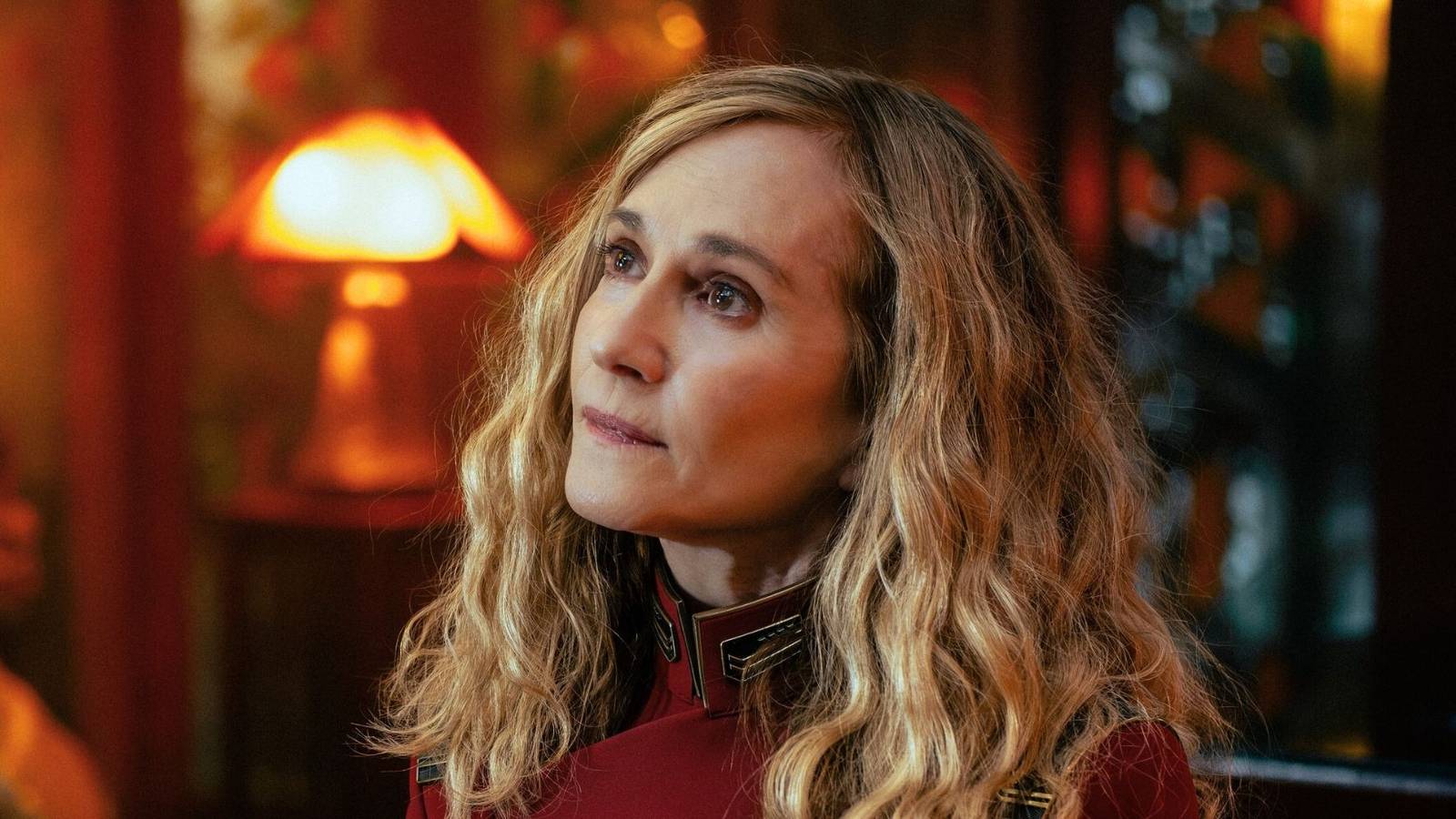
"Star Trek: Starfleet Academy" Episode 6, "Come, Let's Away," sees Captain Nahla's cadets face a devastating alien encou...
Sundance 2026: Unveiling Shocking Revelations from Top Interviews
The Sundance Film Festival 2026 marked a poignant farewell to Park City and honored Robert Redford's legacy, while Colli...
King Promise & Mr Eazi Drop Nostalgic Banger 'That Way'!
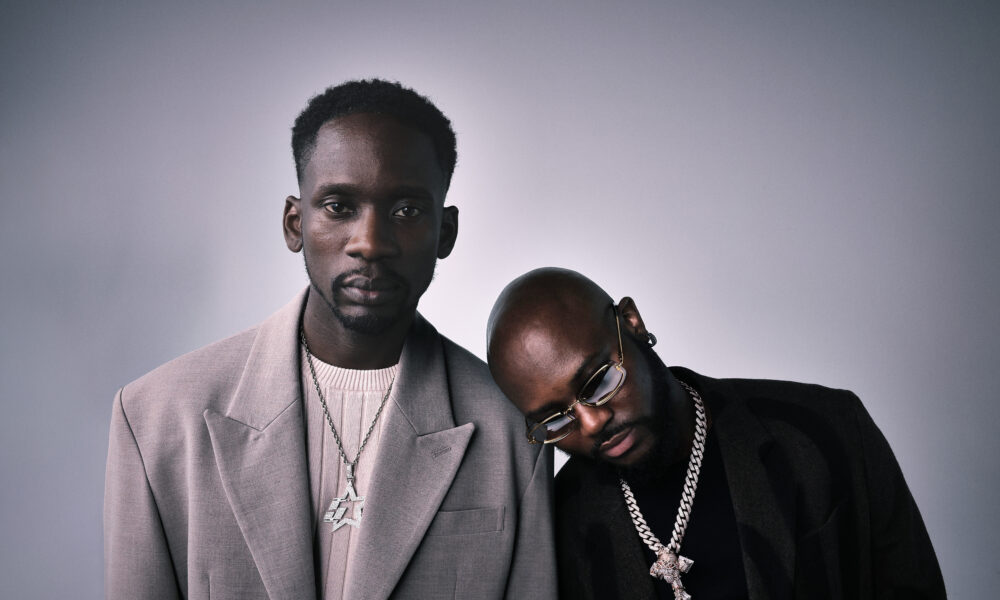
Global stars King Promise and Mr Eazi reunite on "That Way," an emotionally driven Afrofusion single that blends millenn...