Another Nigerian Industrialist Joins Africa’s Top Five Richest People
Abdulsamad Rabiu’s rise into Africa’s top five richest people has placed two Black Nigerian industrialists at the top of the continent’s wealth rankings. How did he built BUA Group into a billion-dollar empire?
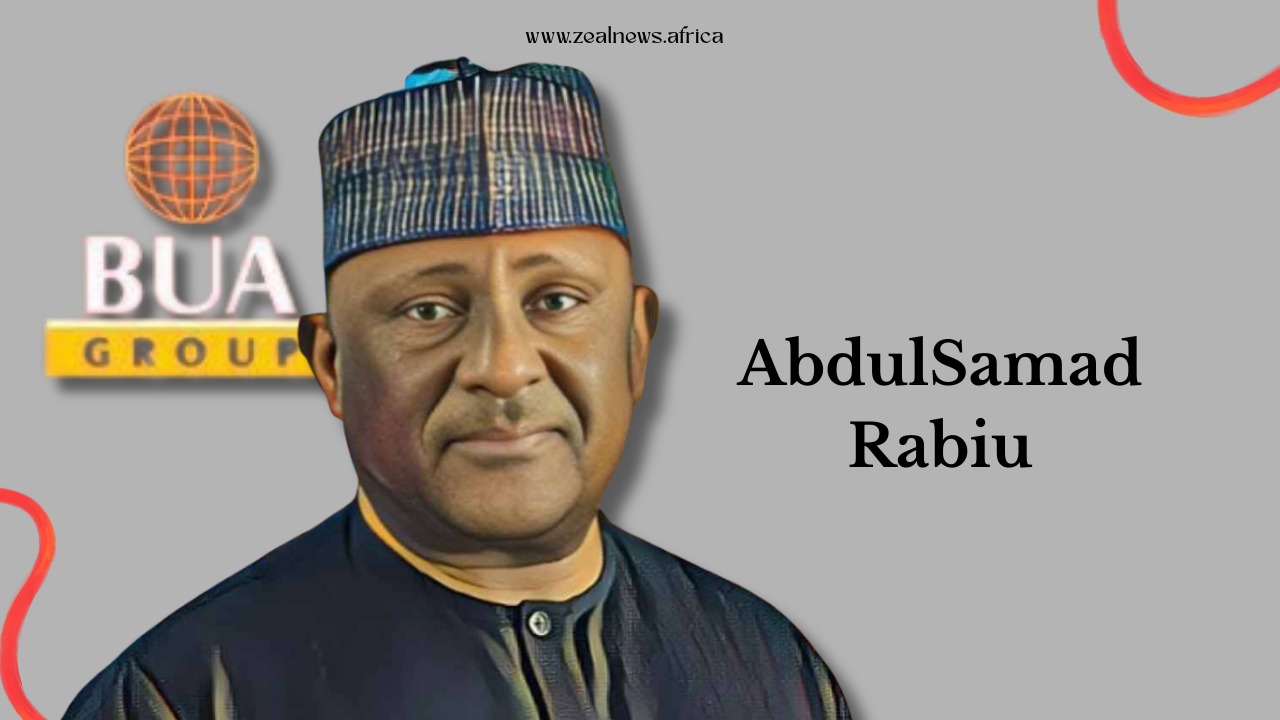
Aliko Dangote gets the headlines. He has always gotten the headlines. There is a whole performance art to being Africa's richest man that Dangote has mastered over fifteen years and shows no signs of surrendering.
Abdulsamad Rabiu does not perform.
He builds cement plants. He runs sugar refineries. He processes flour and edible oil and pasta and rice. He owns factories in places that do not make the covers of business magazines. He does not give many interviews.
He does not move like a man auditioning for the role of African business icon. And somewhere in the middle of all that deliberate quietness, he built one of the most remarkable industrial fortunes on the planet.
At the start of 2026, Rabiu was Africa's fifth richest person with a net worth of approximately $10.4 billion. By May 2026, that figure had surged to $19.1 billion, making him the 138th wealthiest person on earth and Africa's strongest-performing billionaire of the year.
He overtook South Africa's Johann Rupert, whose fortune is built on Cartier watches and Montblanc pens and the kind of European luxury goods that cost more than most Nigerians earn in a year. Rabiu overtook him with cement and sugar.
Let that land for a moment.
Where He Came From
Abdulsamad Rabiu was born in Kano on August 4, 1960. His father, Khalifah Isyaku Rabiu, was one of Nigeria's foremost industrialists in the 1970s and 1980s, with interests in manufacturing, finance, and real estate.
The narrative shortcut here would be to call him a rich man's son and move on. That shortcut is wrong. Inheriting access to business circles in Nigeria in the 1980s was not a ticket to a billion dollars.
It was, at best, a starting position in an environment specifically designed to destroy businesses. Oil prices had crashed. Structural Adjustment policies were draining household and corporate purchasing power. Manufacturing was struggling. The naira was unstable. Imports were chaotic.
Rabiu returned from studying in the United States after his father's death and established BUA International Limited in 1988 for commodity trading, importing rice, edible oil, flour, and iron and steel. From that beginning, he built outward. Into steel production. Into edible oil processing. Into flour milling. Into sugar refining. Into cement.
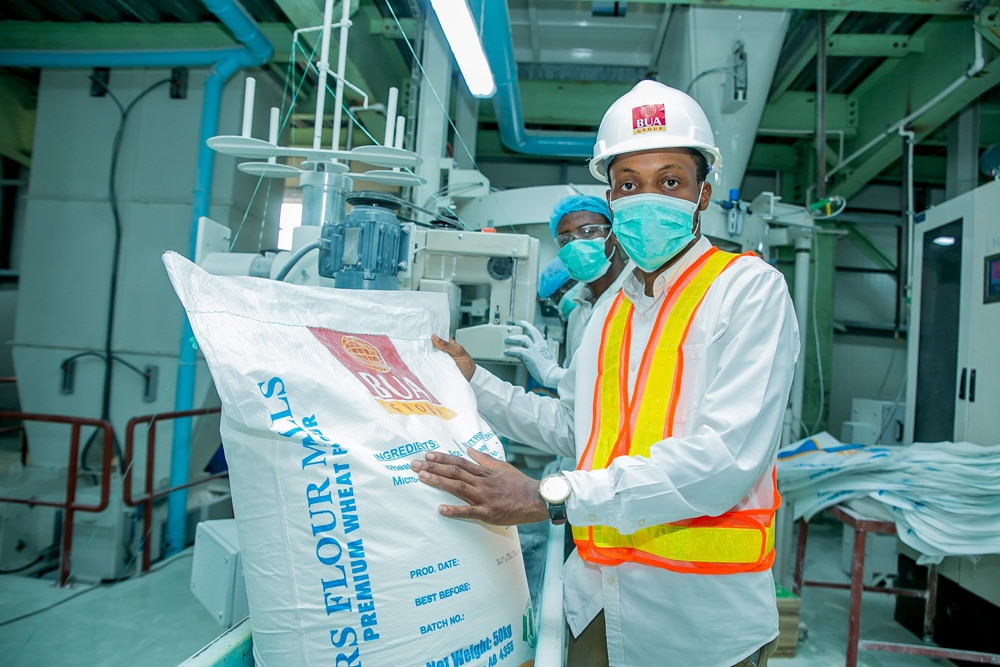
Each expansion was a bet on the same underlying conviction: Nigerians would always need to eat, always need to build, and the people who processed and supplied those essentials inside Nigeria rather than importing them would eventually own the market.
By 2008, BUA had broken an eight-year monopoly in the Nigerian sugar industry by commissioning the second largest sugar refinery in sub-Saharan Africa.
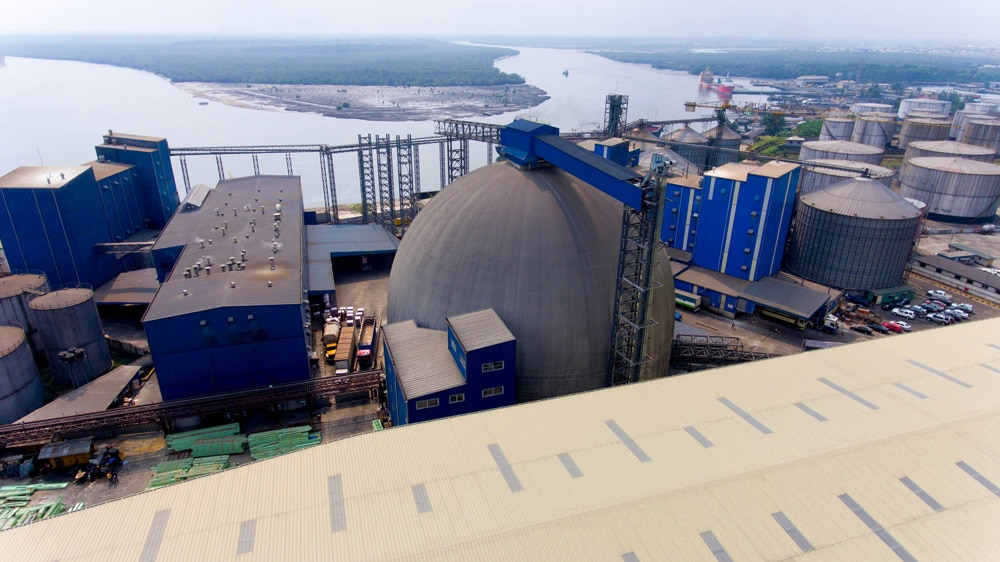
Nobody threw a parade. It happened the same way everything in BUA's history happens: quietly, structurally, and with long-term consequences nobody fully appreciated at the time.
The Cement That Changed Everything
In 2009, BUA acquired a controlling stake in the Cement Company of Northern Nigeria and began constructing a $900 million cement plant in Edo State. It was an extraordinarily expensive bet. Cement plants in Nigeria are not just construction projects.
They are infrastructure battles. You need power in a country where the grid has never crossed 6 gigawatts for 230 million people. You need logistics in a country where road infrastructure has been deteriorating for decades. You need capital in a country where interest rates make borrowing for long-term industrial investment nearly suicidal.
BUA built anyway. And then kept building.
BUA Cement shares have risen 135 percent over the past year alone. BUA Cement's first quarter 2026 earnings report showed profits more than doubling year-on-year, skyrocketing 117.4 percent to N176.4 billion.

Nigeria's construction sector, fed by years of government infrastructure spending and private housing demand, turned a cement manufacturer into a wealth-generating machine. And because Rabiu had spent decades building rather than diversifying into finance or real estate or the safer bets, he owned almost all of it.
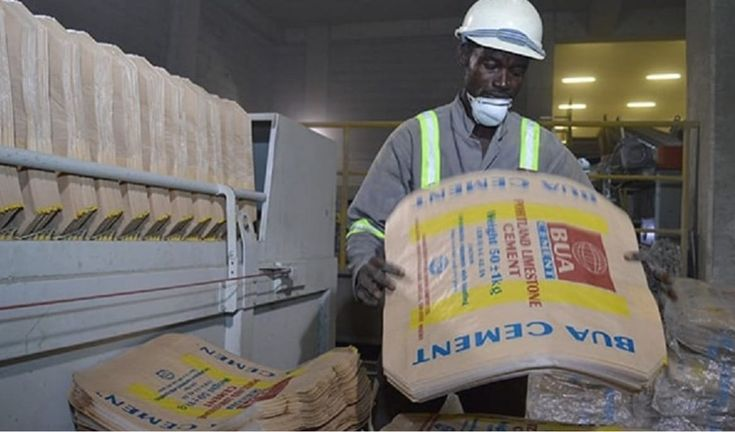
According to the company's 2025 financial report, Rabiu owns approximately 98 percent of BUA Cement directly and indirectly through affiliated entities. He holds 93 percent of BUA Foods. The ownership concentration is not an accident. It is a philosophy.
When the shares go up, almost all of the gain belongs to one man. A critical factor in this wealth surge is Rabiu's highly concentrated ownership structure. By holding roughly 98.2 percent of BUA Cement and 95 percent of BUA Foods, he retains nearly all the upside from share price appreciation, ensuring that corporate market gains translate directly into personal net worth.
In March 2026 alone, Rabiu's fortune rose by $2.2 billion in under 30 days. Not in a year. Not in a quarter. In a month. The man who does not make noise added $2.2 billion to his net worth while the rest of us were reading the news.
The Naira Almost Killed It
The full story of Rabiu's wealth requires the chapter most business profiles omit.
When Tinubu unified the exchange rate in June 2023, the naira collapsed against the dollar. The official rate moved from N460 to the dollar toward N1,500 in months.
For Nigerian billionaires whose wealth is measured in naira-denominated assets, this was devastating. In June 2023 alone, Rabiu reportedly lost approximately $2.73 billion due to the effects of the naira unification. His net worth dipped to $5.7 billion, down from $8.6 billion just months earlier.
$2.73 billion. Gone. In one month. Not from a bad business decision, or fraud or mismanagement. From the government correcting a currency distortion that had been building for years.
Most businesses would have restructured. Most businessmen would have pivoted. Rabiu kept running the cement plants and the sugar refineries and the food processing factories.
The businesses were real. The assets were real. The naira value was the thing that had been distorted, not the underlying industry. And when the naira stabilised and the Nigerian stock market began one of its strongest runs in history, BUA Cement's share price surged 83 percent year-to-date by March 2026 and BUA Foods posted a 14 percent rise in profit after tax reaching N142.32 billion in Q1 2026 despite a challenging economic environment.
The factories kept running through the crash. That is why the recovery was so fast.
Two Black Industrialists. One Continent. What It Means
Forbes ranked Aliko Dangote as Africa's richest man for the 15th consecutive year in 2026, with a net worth of $28.5 billion. Abdulsamad Rabiu sits second at $19.1 billion. Two Nigerians. Both industrialists. Both built fortunes from processing things Africans need every day: cement, sugar, flour, and fuel. Neither made their money from financial engineering or technology platforms or the kind of business models that look impressive on a pitch deck.
Africa now has 23 billionaires with a combined net worth of approximately $126.7 billion, about 20 percent higher than the previous year. The top two are Black men from Nigeria who build factories.
In December 2025, Rabiu announced a cash reward programme worth about $20.7 million for long-serving employees across BUA Group, recognising staff contributions across cement, sugar, flour, food processing, and infrastructure-related manufacturing businesses. A billionaire rewarding factory workers.
He has spent 35 years not needing things to trend. The results speak for themselves, in quarterly earnings reports and Forbes rankings and cement plants grinding through the Nigerian night.