7 Things About Nigerian Weddings That Have Absolutely Nothing to Do With Love
Nigerian weddings are rarely just about the couple. From the aso ebi politics to the family negotiations, every detail reveals something bigger than romance itself. Seven parts of Nigerian weddings make that impossible to ignore.
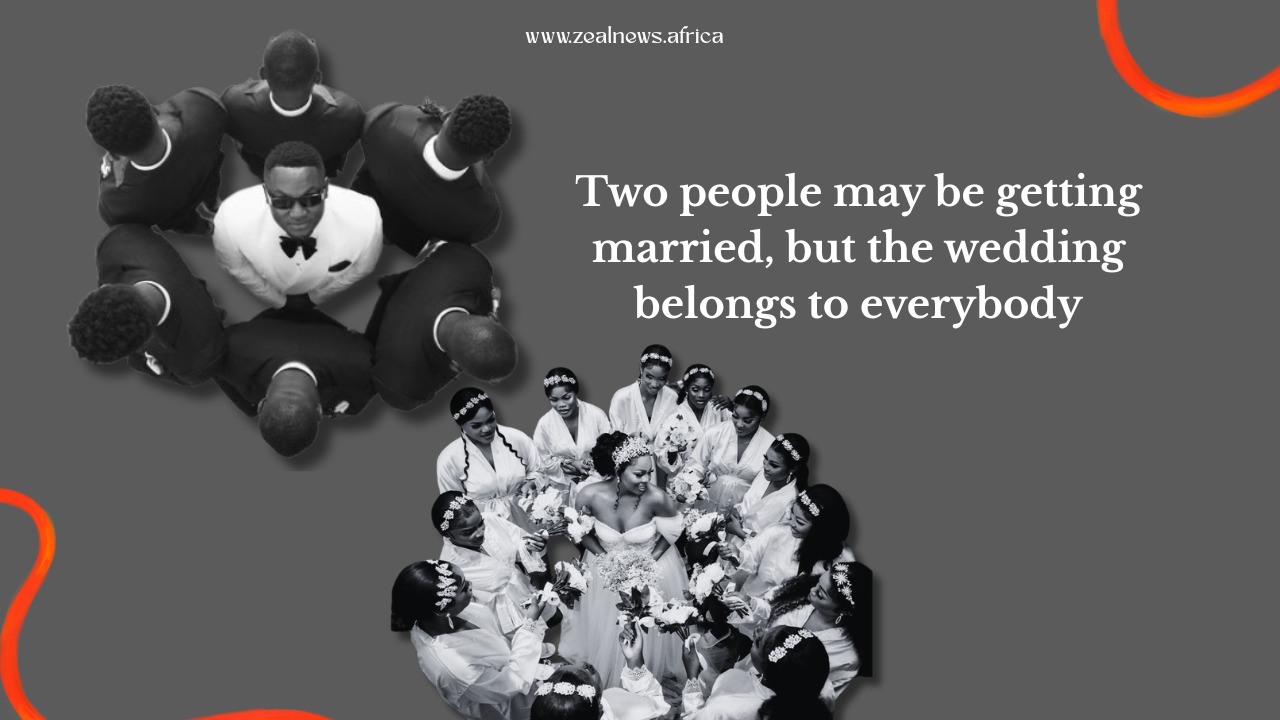
Somewhere in Nigeria this Saturday, a couple who genuinely love each other will spend more money than they have, feed people they have never met, wear clothes they will never wear again, and perform a series of rituals designed primarily to satisfy people who are not getting married.
The wedding will be beautiful. The photographs will be stunning. The food will be plentiful. And somewhere in the middle of all of it, the actual couple will look at each other across a crowd of 500 people and wonder when they get to sit down.
Nigerian weddings are a spectacle. They are also, if you look closely, almost entirely about everything except the two people standing in the middle of them. Here are seven things that prove it.
1. The Guest List
The couple sat down with great intention and wrote a list of people they actually wanted at their wedding. Then their mother saw the list.
Then their father saw the list. Then the aunties found out there was a list and called an emergency family meeting about the list.
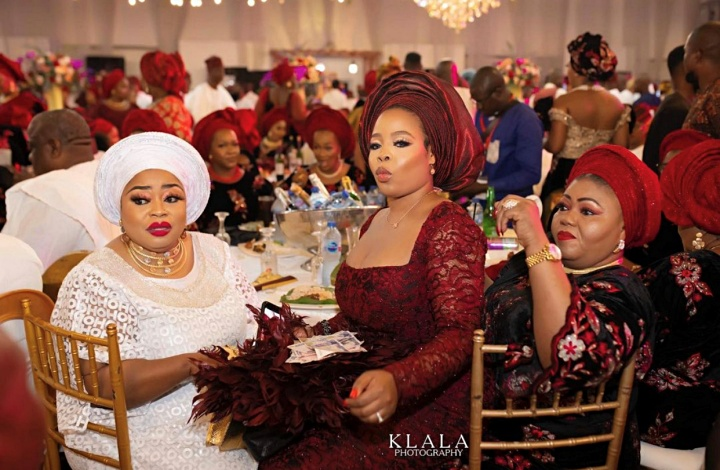
By the time the final guest list was approved, it included the couple's actual friends, every family member within a 500-kilometre radius, the neighbours from the street the bride grew up on, the pastor's entire church council, three people nobody can identify, and a woman who went to primary school with the groom's uncle in 1987.
The couple wanted 100 people. They are feeding 600. Nobody asked them anything. The guest list in a Nigerian wedding is not a reflection of the couple's relationships.
It is a reflection of every social obligation, family connection, and community debt that has been accumulating since both sets of parents were born. The couple is simply the occasion.
2. The Aso-Ebi Politics
Before the wedding, there is another war. The aso-ebi war.
Someone has to choose the fabric. Then someone has to decide who gets the fabric. Then someone has to decide how many yards each category of person receives, because the mother of the bride cannot possibly wear the same amount of fabric as a distant cousin twice removed.
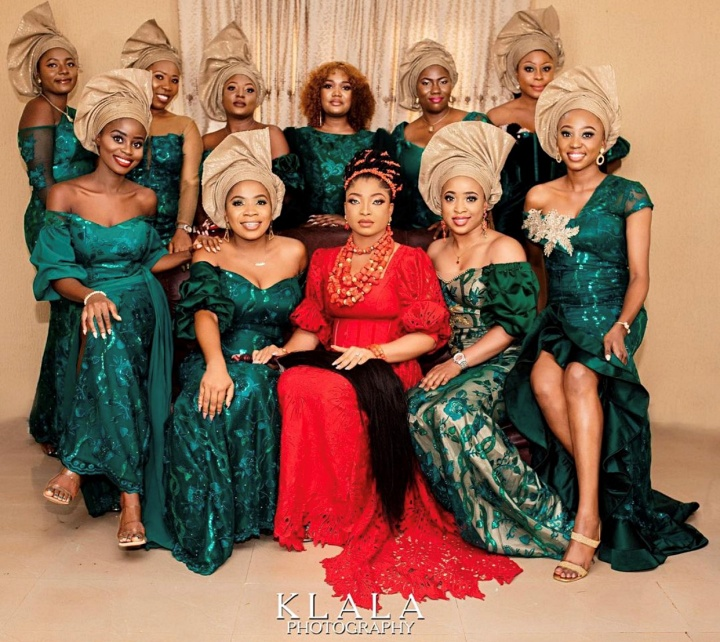
There are tiers. There are politics. There are people who find out they were not offered aso-ebi and take it as a personal declaration of social warfare.
The aso-ebi negotiation can last months. Relationships have been damaged by aso-ebi decisions. Friendships have ended over who was placed in which fabric category. The couple, who just wanted people to show up and celebrate with them, is usually only tangentially involved in this process. It is running in a parallel dimension governed entirely by the mothers.
3. The Budget
The couple had a number. It was a reasonable number. A number that reflected what they actually had and what they thought was sensible for one day of their lives.
Then someone said the word "standard." Then someone else mentioned what so-and-so spent at their child's wedding last year. Then the caterer gave a quote and someone gasped.
Social Insight
Navigate the Rhythms of African Communities
Bold Conversations. Real Impact. True Narratives.
Then the hall that fit 200 people was deemed insufficient and a bigger hall was suggested and the bigger hall needed more tables and more tables needed more chairs and more chairs meant more food and more food meant more money and suddenly the number the couple started with was a distant memory and they are taking a loan for a party.
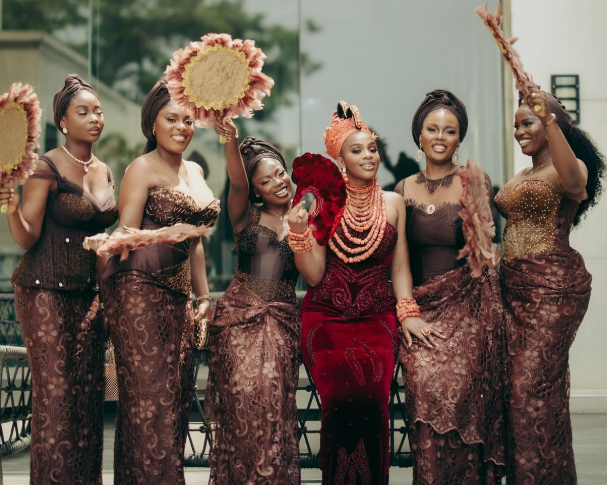
Nigerian wedding budgets are not really about the couple's financial comfort. They are about a very specific kind of communal reputation management. The wedding must say something about the family. It must communicate status, success, and the ability to host at a level that nobody can criticise.
The couple's actual financial situation is largely beside the point. They will spend the first two years of their marriage paying back what the wedding cost. The guests will spend two weeks forgetting they attended.
4. The Coordinating Aunties
Every Nigerian wedding has them. They arrive early. They are wearing headsets or walkie-talkies or simply the energy of women who have been waiting their entire lives for a logistical operation of this scale.
They reorganise the seating plan that the couple finalised. They redirect the caterers. They tell the MC what to say even though the couple already briefed the MC.

They pull the bride away from conversations to take photographs with people the bride has never seen before. They position people for group photos with the authority of a military general and the urgency of someone who believes the entire day will collapse without their direct intervention.
The coordinating aunties are not doing this for the couple. They are doing this because the wedding is a production and they are the producers. The couple is the cast. This distinction is important.
5. The Spraying
At some point during the reception, the couple will dance and money will rain on them. This is one of the most joyful and most misunderstood rituals in the Nigerian wedding canon.
Spraying looks like celebration and generosity. And it is, partially. But it is also a very public ledger. The person who sprays the most is seen.
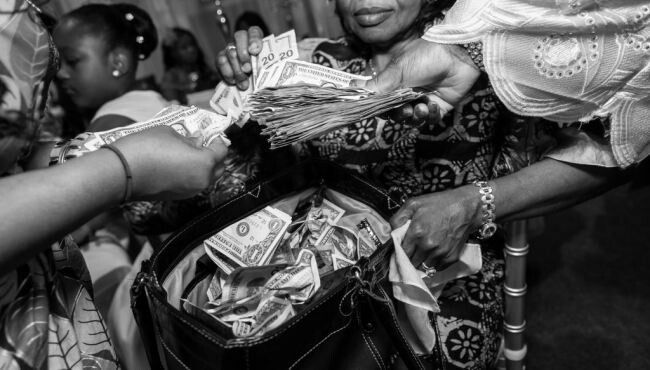
The person who walks to the dance floor and places a modest amount is also seen. The relative who sat at the back and did not spray at all will be discussed in a family group chat before the couple has finished dancing.
Spraying is love expressed as social performance. The amount is secondary to the visibility of the giving. Nobody is tallying how much the couple received. They are tallying who showed up to the floor and who did not. It is not about money. It is about demonstration.
6. The Introduction Ceremony That Has Become Its Own Wedding
The traditional introduction was supposed to be a meeting of two families. A conversation. The groom's family coming to express interest. The bride's family receiving them. Gifts being presented. Blessings being given. A simple, meaningful ceremony rooted in culture.
It has become a second wedding.
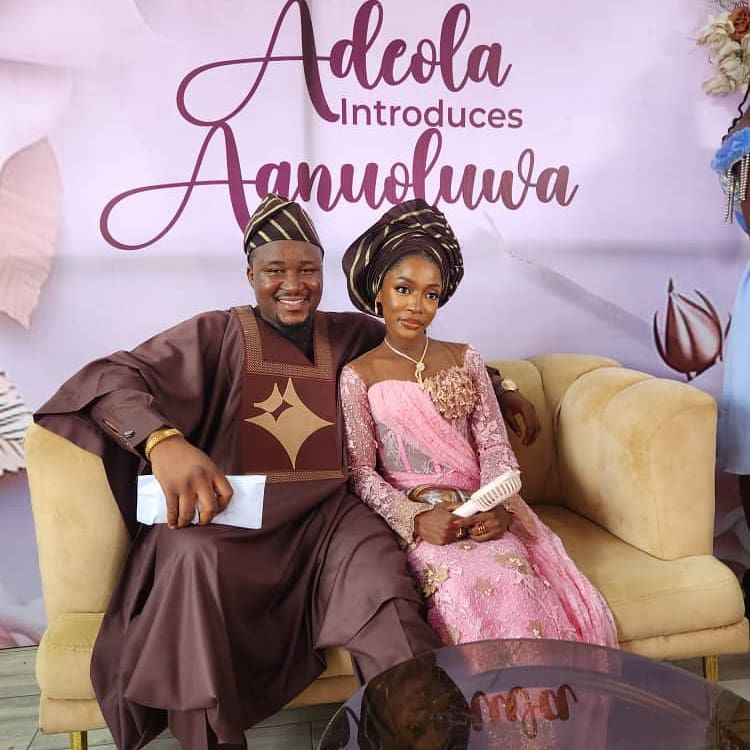
Nigerian introduction ceremonies now have colour themes, coordinated outfits, professional photographers, caterers, MCs, and guest lists that rival the main event. Families have hired event planners for introductions. Some introductions have had live music.
The traditional ceremony that was originally a private family gathering has absorbed every feature of the wedding it was supposed to precede.
Social Insight
Navigate the Rhythms of African Communities
Bold Conversations. Real Impact. True Narratives.
Nobody sat down and decided this would happen. It simply inflated over time, one family seeing what another family did and raising the standard until the introduction required the same level of preparation, funding, and emotional energy as the main event. The couple now has two weddings to survive before they can begin their marriage.
7. The Owambe Afterwards
The wedding ends. The couple leaves. And then something extraordinary happens.
The party continues.
The guests who came for the couple now relax into their actual agenda, which is socialising with each other, eating the remaining food, drinking whatever is left, and catching up with people they have not seen since the last wedding. Old classmates reunite.
Business deals are discussed. Gossip is exchanged. Someone's ex shows up in someone else's aso-ebi and the entire table vibrates.
The couple is gone. The party is thriving. Because the Nigerian wedding was never really just about the couple. It was always also a community event, a social gathering, a reunion, and an opportunity for 600 people to see each other and be seen.
The couple provided the occasion. The guests provided the energy. And both of those things are true at the same time without diminishing either.
That is the Nigerian wedding in its purest form. A love story wrapped in 500 years of communal tradition, family negotiation, social performance, and jollof rice.
The couple did not plan most of it. They will remember all of it. And in twenty years, when their own child is getting married, they will do every single one of these things to someone else.