Nigeria's Biggest Banks Lost ₦2.13 Billion to Fraud in 2025, and the Numbers Tell a Complicated Story
Access Holdings, GTCO, and UBA lost a combined ₦2.13 billion to fraud in 2025. Fewer incidents, higher losses per attack, a breakdown of what the numbers actually mean for Nigeria's banking system and its cashless transition.

Nigeria's transition to a cashless economy has produced numbers that look impressive on the surface, trillions of naira moving through mobile apps, record transaction volumes, and digital payments becoming the default for millions of Nigerians who once queued at bank branches.
The infrastructure is working perfectly, as expected and predicted. But working infrastructure attracts attention, and not all of it is welcome.
Access Holdings, Guaranty Trust Holding Company (GTCO), and United Bank for Africa (UBA), three of Nigeria's largest financial institutions, collectively lost ₦2.13 billion ($1.56 million) to fraud and forgery in 2025, according to their audited financial statements. The headline figure is notable, but what sits underneath it is more revealing.
Fewer Attacks, Bigger Hits
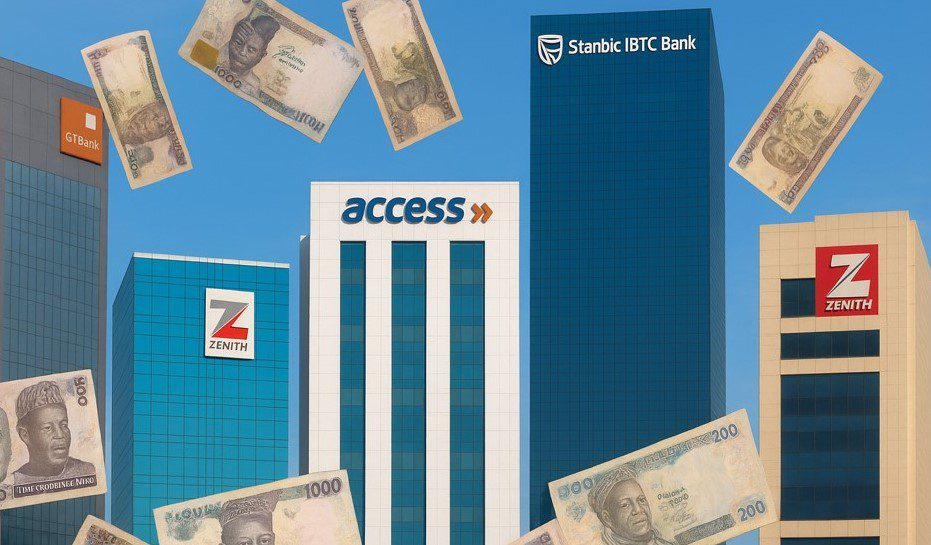
The total number of fraud incidents across the three banks dropped 15.03% in 2025. On the surface, that reads like progress. The problem is what happened to the value extracted per successful attack.
The three banks lost an average of ₦44,454 ($32.52) per fraud incident in 2025, up from ₦40,488 ($29.62) the previous year. Fraudsters are not firing less, they are aiming better.
The amount linked to fraud incidents across the three banks reached ₦10.29 billion ($7.53 million), though only 20.66% of that became actual losses, meaning the banks were able to recover or block a significant portion before funds settled.
The Nigerian Inter-Bank Settlement System (NIBSS) recorded 67,518 fraud-related incidents across the financial system in 2025 alone, a figure that underscores how systemically embedded the problem has become, not just for the three banks in focus, but for the entire sector.
Each bank's exposure tells its own story. Access Holdings reported that electronic fraud cases dropped 47.74% to 5,931, but cash theft, with only 26 incidents, still contributed 14.31% to total losses, a disproportionate share that reflects how costly even isolated physical theft can be.
At UBA, the picture was almost entirely digital: electronic fraud accounted for 99.91% of the bank's 26,400 recorded cases, with fraudulent transfers alone responsible for 35.99% of actual losses, the single largest fraud channel by value.
GTCO's numbers were the most concerning directionally. Despite a marginal 0.48% decline in total fraud cases, the amount linked to fraud incidents rose 30.05%, and actual fraud losses climbed 69.34%. Fewer cases, significantly more damage.
The Cost of Moving Money at Scale
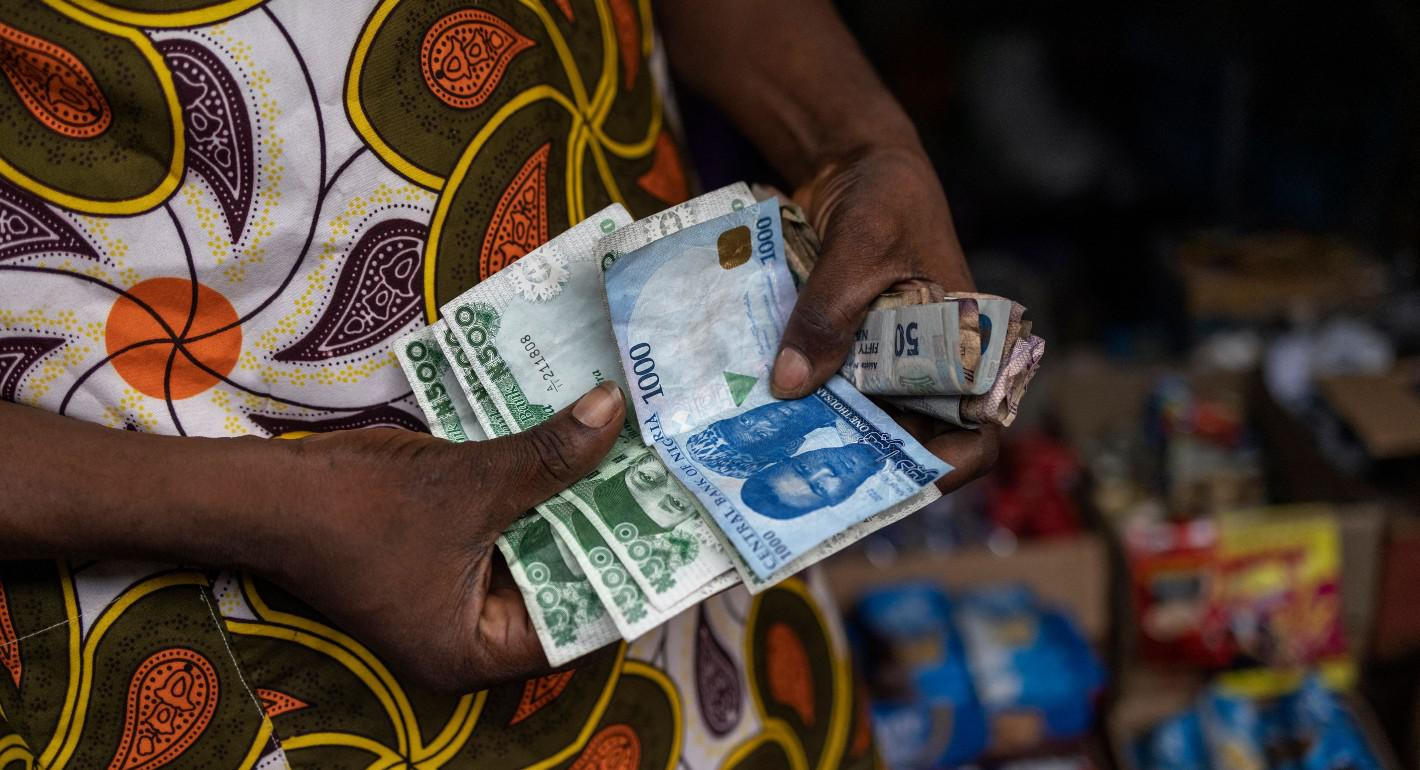
Nigeria's digital payment infrastructure is not a background story here, it is the context that makes the fraud numbers make sense. Instant payments reached ₦284.99 trillion ($208.48 billion) in the first quarter of 2025 alone. Four commercial banks, GTCO, UBA, First Bank of Nigeria, and Zenith Bank, processed ₦286.19 trillion ($209.35 billion) through their mobile applications across the full year.
These are not small numbers. They represent an economy moving fast, and a system that fraudsters are studying just as carefully as the banks that built it.
As transaction volumes scale, so does the cost of protecting them. Access Holdings, GTCO, and UBA spent a combined ₦280.90 billion ($205.49 million) on technology investments in 2025, covering cybersecurity systems, fraud-monitoring tools, customer authentication infrastructure, and transaction security upgrades.
The fraud losses absorbed by these banks represent a fraction of what they are spending to prevent far worse outcomes. That ratio, uncomfortable as it is, reflects a system under active and expensive management rather than one that has been abandoned to chance.
Regulators Are Tightening the Net
Nigeria's regulatory response to the fraud problem has moved from periodic guidance to active enforcement. Under Section 24 of the Banks and Other Financial Institutions Act (BOFIA) 2020, banks are required to render monthly returns on fraud and forgery to the Central Bank of Nigeria (CBN).
NIBSS data showed that fraud reporting dropped 34% in the final quarter of 2025, a trend that warrants watching, since lower reporting can reflect either genuine improvement or underreporting, and regulators will want to know which one it is.
The CBN's posture has shifted from reactive to structural. Banks are now expected to verify customers more aggressively, monitor transactions in real time using artificial intelligence, flag suspicious device activity, and absorb the consequences when fraud controls fail.
In 2025, the apex bank directed NIBSS to begin debiting institutions that receive proceeds from fraudulent transactions, a move that places financial consequences on the receiving end of fraud, not just the originating institution.

Onboarding requirements have also tightened, with mandatory liveness verification and device-binding measures now standard expectations for both banks and financial technology companies.
Telecom operators are being pulled in too, with regulators pushing for real-time phone-number risk flagging and broader data-sharing frameworks between telcos and financial institutions. The regulatory architecture is expanding to match the attack surface.
When institutions fall short, the consequences are concrete. The CBN fined Access Holdings ₦138 million (approximately $101,000) in 2025 for inadequate Know Your Customer (KYC) controls linked to fraud cases.
A Hidden Cost Baked Into the Cashless Transition
The reassuring number in all of this is the ratio of losses to deposits. Access, GTCO, and UBA held ₦71.06 trillion ($51.98 billion) in customer deposits at the end of 2025. Against that base, actual fraud losses represent just 0.003% of total deposits, a figure that keeps Nigeria's banking system well within the bounds of financial stability.
But stability and cost are not the same thing. Fraud losses, even when they represent a small percentage of deposits, still need to be absorbed somewhere. Banks absorb them through tighter verification requirements and stricter transfer controls that ordinary customers experience as friction.
The ordinary Nigerian who has never defrauded anyone still waits longer, fills in more forms, and navigates more security checkpoints because the system is being hardened against people who are not them.
As digital payments deepen into every corner of the Nigerian economy, fraud is becoming less of an incident and more of an operating cost, one that banks, customers, telecom operators, and regulators are each paying a portion of, whether or not they choose to call it that.
Exchange rate used: Approximately ₦1,367/$1